
Why Turkish Street Football Produces So Many Stars
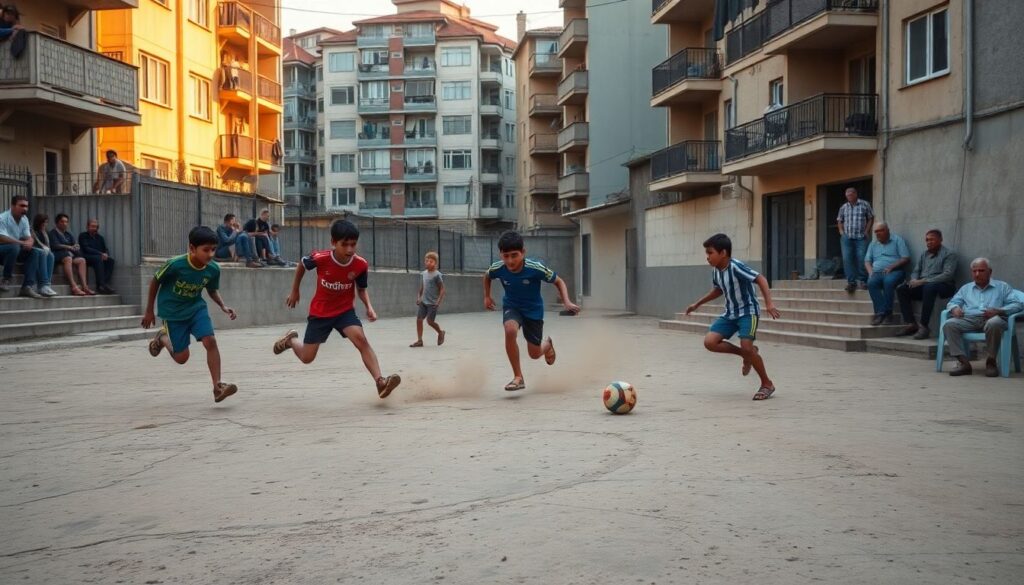
If you look closely at the biggest names in Turkish football, there’s a clear pattern:
many of them didn’t grow up on elite academy pitches. They grew up on concrete, dust, and uneven ground, playing for hours with friends, cousins, and whoever else showed up.
Street football in Turkey is more than a hobby. It’s an informal high‑intensity training lab where kids learn:
– First touch under pressure
– Close control in tight spaces
– Quick decision‑making
– Mental toughness and competitiveness
In this guide, we’ll walk step by step through how players go from local pitches to professional status, using real examples from Turkish stars. Along the way, you’ll see common beginner mistakes and get practical tips you can apply to your own journey.
Conversation‑style, but with a bit of “football science” mixed in.
Step 1: Starting Out on the Street – The Real First Academy
Most Turkish pros don’t start with licensed coaches and GPS vests.
They start with:
– A beat‑up ball
– A tiny urban pitch
– Too many players for too little space
This “chaos environment” is actually a perfect technical school.
In tactical terms, street games create:
– Micro‑spaces: tight areas where you must shield the ball and react fast.
– High repetition of duels: tons of 1v1s and 2v2s.
– Constant transitions: attack–defense switches every few seconds.
Think about Arda Turan’s close control or Emre Belözoğlu’s ability to scan the field in a split second. That came from years of unstructured, but high‑intensity, street and neighborhood football, where nobody gave you time on the ball.
Typical Beginner Mistake #1: Playing Like It’s a Highlight Reel
New players often treat every street match like a personal TikTok compilation:
– Too many pointless stepovers
– Dribbles into traffic
– Ignoring open teammates
Yes, flair is part of Turkish street culture, but professional scouts look for effectiveness, not circus tricks.
How to fix it:
– Set a personal rule: *every trick must solve a problem* (beat a man, create space, escape pressure).
– Count your successful forward passes and dangerous actions – not just nutmegs.
– Watch short clips of pros, not just skills videos: study timing, not only moves.
Step 2: From Local Pitches to Amateur Clubs
The real turning point comes when a street player joins a structured environment:
a local amateur club or youth team.
Here, the game suddenly includes:
– Tactical discipline (positions, roles, compactness)
– Conditioning (endurance, speed, strength work)
– Periodization (planned training loads across the week)
Someone like Hakan Şükür (focusing on his footballing past only) didn’t stay forever in casual matches. He moved into clubs where coaches refined his movement in the box, timing of runs, and aerial ability. The raw instincts from casual football were turned into a repeatable, professional skill set.
Typical Beginner Mistake #2: Ignoring Tactics
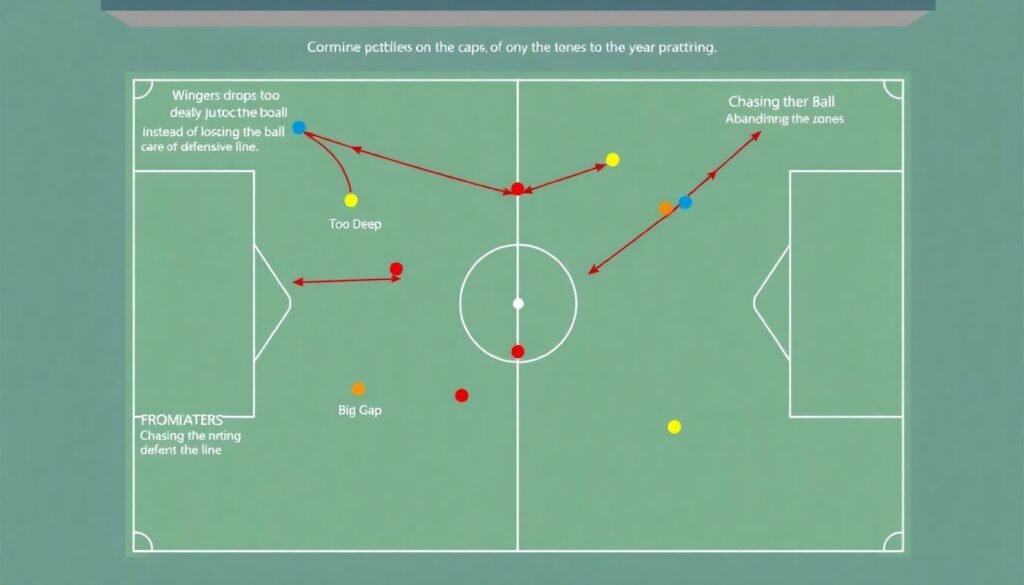
On the street, you can float anywhere. In a team, that kills structure.
Common problems:
– Wingers dropping too deep just to touch the ball.
– Forwards chasing the ball instead of holding the line.
– Midfielders abandoning their zone and leaving big gaps.
How to fix it:
1. Ask your coach to define your primary role in each phase (attack, defense, transition).
2. Watch your own games (even phone recordings) and check if you maintain shape.
3. Study positional play from pros in your role – for Turkish players, the *best biographies of turkish football players* often describe exactly how they learned positioning and game intelligence.
Step 3: Studying the Journey of Turkish Heroes
You don’t need to guess how to go from asphalt pitches to packed stadiums.
The blueprint already exists in the stories of Turkish stars.
Look at different player archetypes:
– Playmakers like Emre Belözoğlu – game vision and passing range.
– Wingers like Arda Turan or Cengiz Ünder – 1v1 ability plus cut‑inside shots.
– Defenders like Rüştü Reçber (as a sweeper‑keeper) or Bülent Korkmaz – leadership, timing in duels, mentality.
Instead of idolizing only their “glory moments”, dissect their development timeline:
– Early street or school pitches
– Small local clubs
– First big academy or professional contract
– National team breakthrough
– Overseas move (La Liga, Serie A, Premier League, etc.)
How to Learn From Their Stories (Without Copying Blindly)
1. Identify the context
Where did they start? City, town, village? Similar to yours or different?
2. Pinpoint their key turning points
A specific coach, a change of position, a crucial trial, a mental shift.
3. Extract principles, not details
Don’t copy Arda’s exact dribbles; copy his work ethic, his repetition volume, his resilience after injuries and criticism.
If you enjoy reading, a well‑researched *turkish football legends book* can be incredibly practical, because it shows full career arcs instead of just viral highlights. Combine that with modern *turkish soccer documentary streaming* content to actually see how they moved, pressed, and communicated on the pitch.
Step 4: Building a Step‑by‑Step Development Plan
Talent without structure fades. To move from street form to professional shape, you need a system.
Here’s a simple, actionable framework:
1. Technical Foundation (Ball Mastery)
Focus: first touch, weak foot, short passing, dribbling in tight spaces.
– Do daily ball‑mastery routines (inside/outside, sole rolls, turns).
– Play small‑sided games (3v3, 4v4) as often as possible.
– Train your weaker foot until it’s at least 70% of your strong foot.
Common rookie error:
Only practicing “fancy” skills and ignoring basic reception and passing under pressure.
2. Tactical Intelligence (Game IQ)
Focus: understanding space, timing, and risk management.
– Watch full matches of Turkish pros in your position, not just highlights.
– Pause and ask: *Where was he standing 5 seconds before receiving the ball?*
– Learn basic tactical terms: “half‑space”, “pressing trigger”, “cover shadow”, “compact block”.
Common rookie error:
Thinking “tactics are the coach’s job”.
Modern pros are basically on‑field analysts.
3. Physical Conditioning (Engine + Durability)
Focus: aerobic base, acceleration, strength, and injury prevention.
– Do simple bodyweight strength work: squats, lunges, push‑ups, core.
– Add sprint work in short bursts (10–30 meters) with full recovery.
– Maintain flexibility and mobility to avoid overuse injuries.
Common rookie error:
Playing non‑stop but never doing structured conditioning,
then wondering why they fade after 60 minutes or get injured easily.
4. Mentality and Habits (The Hidden Multiplier)
Focus: consistency, resilience, and learning orientation.
– Set weekly goals (e.g., 200 first‑touch reps per day, 2 tactical videos per week).
– Keep a training diary: what you worked on, how you felt, what improved.
– Learn to self‑critique without self‑hate; be honest, but constructive.
Common rookie error:
Thinking “if I’m good, opportunity will find me”.
In reality, you need preparedness + visibility.
Step 5: Turning Inspiration Into Daily Micro‑Actions
Stories of Turkish stars are useful only if they convert into concrete behavior.
Here’s a simple 5‑step routine you can follow every week.
Weekly “Pro Mindset” Routine
1. One match to study
Pick a full game with top Turkish players. Analyze your position.
2. One story to learn
Read a chapter from a biography or watch an interview. Many of the *best biographies of turkish football players* talk more about failures and setbacks than trophies – that’s the useful part.
3. Three focused training sessions
Each session dedicated to one main theme: technical, tactical, or physical.
4. One self‑review session
Watch clips of yourself or reflect in a notebook. What changed this week?
5. One “love of the game” session
Go back to pure street football with friends, no coach, no pressure – just creativity and joy. That’s the engine that keeps you going.
Step 6: Learning From Concrete Turkish Success Stories
Let’s break down a few typical journey patterns you see among Turkish pros. These are simplified, but they show recurring pathways.
The Street Dribbler Who Became a Structured Winger
Profile:
Player starts as the best 1v1 dribbler in the neighborhood. Always on the ball, always trying to beat everyone.
Transition steps:
– Learns to time dribbles (not every touch, only when it creates superiority).
– Improves end product: cut‑backs, crosses, shots on target.
– Learns to press and track back in a 4‑2‑3‑1 or 4‑3‑3 system.
Result: A player similar in profile to Arda Turan or Cengiz Ünder – still creative, but now integrated into team tactics.
The Street Leader Who Became a Defensive General
Profile:
Tough defender or keeper in local games, shouts at everyone, wins lots of duels.
Transition steps:
– Learns clean tackling technique and body orientation.
– Develops communication – giving clear, constructive instructions, not just yelling.
– Understands defensive line management: offside traps, shifting, covering.
Result: A center‑back or defensive midfielder who organizes the entire block, like many legendary Turkish defenders in their prime.
Step 7: Typical Mistakes That Kill Progress (And How to Avoid Them)
Here are some of the most damaging errors beginners (and even talented players) make when trying to climb from local pitches to real clubs.
1. Overrating Raw Talent
Many street stars think: “I’m better than everyone here, I’ll obviously turn pro.”
Reality check:
– Everywhere in Turkey there are “kings of the neighborhood”.
– Only a tiny fraction turn that into a professional career.
– The difference is not talent; it’s training structure, mentality, and consistency.
Fix: Treat talent as version 1.0 of your game. Treat training and education as nonstop updates.
2. Underestimating Academics and Off‑Field Life
Big mistake: ignoring school, languages, and general discipline because “football will save me”.
Why this is a problem:
– Professional clubs often prefer players who can learn quickly, follow analysis, and communicate.
– If things don’t work out (injuries, form, politics), you need a plan B.
– Agents and clubs take you more seriously if you’re professional outside the pitch too.
Fix:
Develop a “dual career mindset”. Take education seriously. It actually strengthens your decision‑making on the pitch.
3. Chasing Image Instead of Substance
In the social media era, many young players focus on:
– Perfect photoshoots
– New boots every month
– Dreaming about *signed jerseys of famous turkish footballers* before they’ve even made a local squad
Fix:
Earn your image. First build performances and reliability, then worry about branding. Even the players signing those jerseys spent years unseen on cold, empty training grounds.
4. Poor Communication With Coaches and Scouts
Some rookies are either too shy or too arrogant:
– Too shy: never ask for feedback, never show ambition.
– Too arrogant: argue with every decision, blame teammates constantly.
Fix:
– Ask targeted questions like: “Coach, what one thing should I focus on this month?”
– Accept tough feedback without excuses. You don’t have to agree; you just have to test it honestly.
Step 8: Experiencing Big Football Up Close
One underrated part of development is exposure – actually feeling top‑level football with your own eyes and ears.
If you can afford it, try to get tickets for galatasaray fenerbahce besiktas matches at least once in your life. Sitting in that stadium, observing:
– The collective pressing
– The detail in movement off the ball
– The intensity of every duel
…will re‑calibrate your understanding of what “professional speed” really means.
Combine that real‑world exposure with:
– Live or online tactical breakdowns
– Long‑form interviews
– Quality *turkish soccer documentary streaming* content that shows training sessions, not just matchday drama.
You’re not a tourist; you’re studying your future industry.
Step 9: Turning Stories Into Your Own Path
By now you’ve seen the pattern:
1. Street or local pitch
2. Amateur or small club
3. First serious coach and structured training
4. Hard lessons, injuries, rejections
5. Breakthrough and consolidation at a higher level
Those story arcs you find in any good *turkish football legends book* aren’t fairy tales; they’re case studies. The key is to stop worshipping them and start reverse‑engineering them.
Ask yourself:
– Where am I on this path right now?
– What’s the next logical step, not the dream step?
– Which weakness is most likely to block my progress?
Then design your next 90 days around that. Not 5 years, just 90 days of focused work.
Step 10: Practical Checklist for the Next 3 Months
To close, here’s a concrete, no‑nonsense roadmap you can start using immediately.
1. Define your primary position
Stop trying to be “everything”. Pick one main role (e.g., LW, CM, CB) and study it obsessively.
2. Set 3 clear technical goals
For example:
– Improve weak foot passing
– Faster first touch under pressure
– More accurate crosses or shots
3. Schedule 3–4 weekly sessions
Mix street games, structured drills, and physical work.
4. Analyze one Turkish pro per week
Watch how a player in your position moves for 15–20 minutes with full focus.
5. Fix one major bad habit
Maybe you dribble too much, or you walk when your team loses the ball. Target it deliberately.
6. Play at least one competitive match regularly
Local league, school team, academy – any structured competition.
7. Reflect every Sunday
What improved? What still blocks you? What will you change next week?
If you stay consistent with this kind of routine, you’re already behaving more like the players you admire than most of your peers.
From the dusty pitches of Turkish neighborhoods to floodlit stadiums filled with chants, the route is tough but not mysterious. The inspiring stories of Turkish players who rose from local pitches show the same ingredients again and again:
– Obsession with the ball
– Adaptation to more tactical and physical demands
– Resilience through setbacks
– Daily, quiet work when nobody is watching
Use their journeys as a manual, not a myth – and write your own version on the pitches where you started.