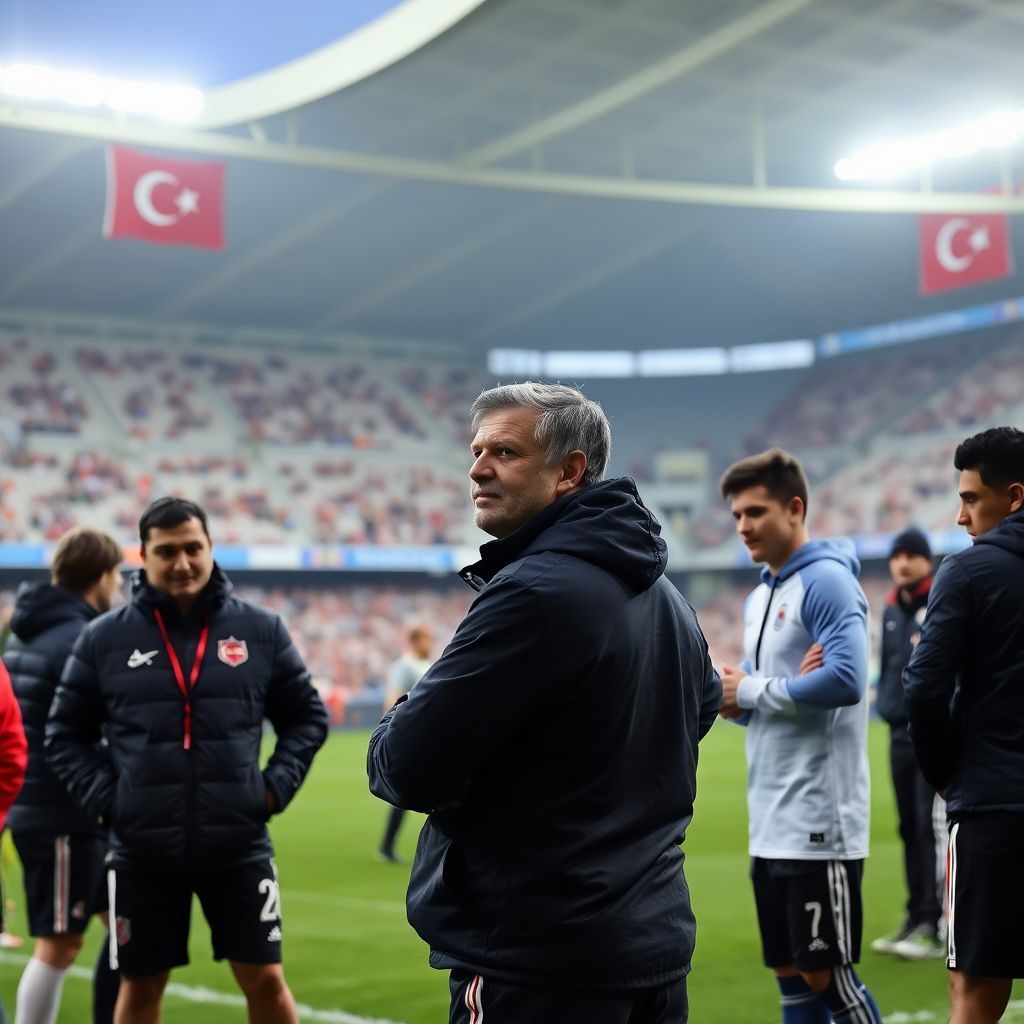
Foreign player limits in Turkish football are regulatory caps on how many non-Turkish players clubs can register or field, with the goal of protecting and promoting domestic talent. Their impact on youth development depends on club strategy, academy quality, coaching, and how smaller teams with limited resources adapt their recruitment and training models.
Overview: How foreign limits reshape youth pathways
- Foreign player caps can open short-term squad spots for academy graduates but do not automatically guarantee minutes.
- The real driver of youth progress is how clubs redesign scouting, coaching and pathway planning within the rule framework.
- Smaller clubs can benefit by becoming specialists in developing and selling young players instead of competing for star foreigners.
- National-team depth improves only if limits are paired with strong turkey football academies for youth development and qualified staff.
- Data on youth minutes, debut ages and contracts is essential to judge whether limits work or simply reshuffle squad compositions.
Regulatory landscape of foreign player limits in Turkish football
In Turkey, foreign player limits define how many non-Turkish players a club can register in its squad and how many can be on the pitch at the same time. These rules are set by the Turkish Football Federation and periodically adjusted, often after debates about competitiveness and youth development.
When people refer to the turkish super lig foreign player rule 2024, they mean the specific registration and match-day restrictions applicable in that season. Details change over time, but the key principle stays the same: balancing the freedom to sign foreign talent with the ambition to create more chances for Turkish youngsters.
The broader framework of turkish football federation foreign player limit regulations usually affects not only the Süper Lig but also lower divisions, youth competitions, and sometimes the structure of reserve teams. For academy directors, the crucial part is understanding how these rules influence the number and type of contracts the first team can offer to homegrown players.
Checklist: understanding the regulatory basics

- Clarify how many foreign players can be registered in your league and match-day squad this season.
- Map which positions are most likely to be filled by foreigners in your club.
- Review contract rules for homegrown and under-age players under federation regulations.
- Align academy intakes with foreseeable positional shortages in the first team.
Direct pathways: how limits change academy to first-team progression

Foreign player caps reshape the mechanics of how a teenager moves from academy to professional football. The pathway is not linear; it is influenced by tactical needs, risk appetite of the coach, and market pressure on short-term results.
- Squad slot allocation: When there is a ceiling for foreign registrations, clubs tend to reserve foreign slots for key positions (for example, creative midfielders or strikers) and keep more domestic players for rotational or depth roles, altering what skills youth players must develop to be selected.
- Bench hierarchy: If match rules limit foreign players on the pitch, domestic youngsters may be preferred as bench options to maintain flexibility during substitutions, increasing their chance of late-game minutes.
- Contract timing: Clubs may offer professional deals earlier to promising academy players so they can count as homegrown squad members when foreign spaces are tight.
- Loan bridges: When first-team pressure is high, clubs use loans to smaller sides so academy graduates can play regularly without occupying scarce foreign or senior slots at their parent club.
- Positional planning: Academies may emphasise positions where the club wants to be locally self-sufficient, while leaving certain specialist roles for foreign signings.
- Coaching priorities: Technical staff in youth squads must focus on readiness for high-intensity senior football, because foreign caps push coaches to trust domestic youth only if they are tactically reliable.
Checklist: making the pathway work
- Define target positions where the club expects to promote domestic players instead of signing foreigners.
- Create individual progression plans that include potential loan spells for top prospects.
- Ensure regular communication between academy coaches and first-team staff about squad needs under current limits.
- Monitor bench appearances and minutes of homegrown players, not only contract status.
Empirical indicators: youth minutes, debut rates and contract offers
The impact of foreign player limits becomes visible through measurable patterns rather than slogans. Even without full public datasets, clubs and analysts can track several indicators to evaluate whether the regulations truly help Turkish youngsters.
Youth minutes played: Total minutes by under-age and homegrown players across all competitions show if domestic talent is actually on the pitch or stuck in the stands. Sudden shifts after rule changes can signal whether clubs are adapting or just re-labelling players.
Debut age and frequency: The average age at first-team debut, plus how many academy players debut per season, indicates whether pathways are accelerating or slowing down. Higher caps on foreigners do not automatically mean later debuts; club philosophy often matters more.
Contract offers and renewals: Tracking how many academy graduates receive professional contracts, and how many are renewed, helps distinguish symbolic promotions from real integration. This is particularly important when budgets are tight and foreign signings are expensive.
Loan and transfer outcomes: For clubs promoting many youths, loan performance and subsequent sales show whether the domestic pipeline creates sustainable value. This is a key alternative pathway for smaller sides that cannot compete for star foreigners.
National youth-team representation: The number of call-ups from specific clubs to Turkish youth national teams offers an external benchmark of developmental quality, beyond domestic league appearances.
Checklist: metrics to track in your environment
- Record yearly minutes played by homegrown and under-age players in each competition.
- Log debut ages and roles (starter or substitute) for each academy graduate.
- Review the ratio of professional contracts offered to academy graduates versus external signings.
- Analyse loan results: minutes, positional stability and subsequent career moves.
Club-level responses: recruitment, loans and reserve-team strategies
Clubs respond very differently to foreign player caps. Some concentrate limited foreign slots on high-impact positions and treat domestic players as squad fillers. Others pivot toward strong development models, using academies and reserves to create competitive advantages, especially where financial resources are tight.
For bigger clubs, the main trade-off is between signing experienced foreigners and keeping pathways open for their best youth prospects. For smaller or provincial teams with limited budgets, the smart strategy often involves focusing on development, linking with football scouting agencies in turkey for young players, and selling talent to fund operations rather than chasing famous imports.
Advantages of strategic adaptation

- Lower wage bills if the club relies more on trained domestic players rather than expensive foreign veterans.
- Greater bargaining power when selling successful academy graduates to top domestic sides or abroad.
- Stronger club identity and fan connection when local youngsters become regular starters.
- Better alignment with national-team objectives, improving relations with the federation.
Constraints and risks in club strategies
- Short-term performance pressure can push coaches to rely on known foreign players instead of taking risks with youth.
- Poor coaching or facilities mean that limits alone do not raise the quality of domestic talent.
- Over-crowded academies without clear pathways lead to frustration and early drop-out of promising players.
- Dependence on player sales makes clubs vulnerable to market downturns or bad injury luck.
Checklist: club actions under resource constraints
- Prioritise investment in targeted coaching staff over costly marginal foreign signings.
- Build cooperative relationships with regional clubs for structured loan pathways.
- Use data from scouting and performance analysis to justify youth promotion decisions.
- Regularly review foreign player slots to ensure they are used only for clear upgrades.
National-team and talent-pool consequences over a decade
The debate about foreign player limits often focuses on the senior Turkish national team and the overall talent pool. Many assumptions circulate in media and fan discussions, but several of them are misleading or incomplete when examined over a longer horizon.
- Myth: fewer foreigners automatically mean stronger national teams. Without high-quality coaching and competitive internal environments, reducing foreign players can simply lower league quality without raising the level of domestic talent.
- Myth: strict limits always protect young locals. Coaches under pressure may still choose experienced domestic veterans over youngsters, so youth players gain little unless there is a clear pathway policy.
- Myth: the best youth football clubs in turkey do not need foreign competition. In reality, top academies benefit when their players share dressing rooms with high-level foreigners, which raises standards and expectations.
- Error: ignoring long-term tracking. Judging rule changes after a single season hides structural trends; federations need multi-year data on youth development outcomes.
- Error: copying other countries blindly. Successful models abroad operate in different economic, cultural and league structures; Turkey must calibrate limits to its own context.
Checklist: national-level monitoring focus
- Track youth national-team performance together with domestic league minutes for the same players.
- Monitor how many clubs reliably produce national-team level players, not just occasional talents.
- Assess whether league competitiveness and tactical diversity are improving or declining over time.
- Adjust regulations only after evaluating multi-season evidence, not single results.
Policy alternatives: calibrated quotas, incentives and monitoring metrics
Foreign player caps are only one policy tool. More nuanced approaches blend flexible quotas with financial or sporting incentives for clubs that genuinely develop Turkish players. This is especially important for maintaining competitiveness in international competitions while enlarging the domestic talent base.
One practical option is to combine a moderate foreign limit with requirements or bonuses related to minutes for homegrown players. Another is to support turkey football academies for youth development through targeted grants, coach education and infrastructure programmes, rather than trying to engineer outcomes solely through squad rules.
Below is a simple pseudo-framework that a federation or league could use to balance flexibility and youth promotion:
Policy Goal: Raise quality and quantity of Turkish youth in pro football

Inputs:
  - Foreign registration cap per club
  - Minimum or incentivised minutes for homegrown players
  - Funding for academy and coach development
  - Transparent performance data (minutes, debuts, transfers)

Process:
  - Review metrics every 2-3 seasons
  - Adjust incentives and caps, not just one variable
  - Consult clubs of different sizes and resource levels
Checklist: low-cost policy and club options
- Use performance-based bonuses for clubs that meet homegrown minutes or debut targets.
- Offer shared regional training centres for smaller clubs that cannot build full academies alone.
- Encourage collaboration with football scouting agencies in turkey for young players to widen the search beyond big cities.
- Publish league-wide youth metrics so clubs and fans can see which systems actually work.
Quick self-audit checklist for practitioners
- Can you clearly explain how current foreign limits affect your specific squad planning and academy priorities?
- Do you collect and review basic data on youth minutes, debuts and contract decisions every season?
- Have you designed at least one realistic alternative pathway (loans, partnerships, shared facilities) for players who cannot immediately reach your first team?
- Are your foreign slots reserved only for profiles that bring qualities your domestic pool cannot yet supply?
Typical practitioner queries on limits and youth outcomes
How exactly do foreign player limits open opportunities for Turkish youngsters?
Limits restrict how many foreign players can be used, so clubs must fill remaining squad spots with domestic options. This creates structural room for young Turks, but they still need sufficient quality, tactical discipline and physical readiness to convince coaches to trust them with minutes.
Do stricter foreign rules always benefit youth development in the Süper Lig?
Not necessarily. If coaching quality, training environments and academy planning are weak, stricter rules may just lower overall league quality. Benefits appear when clubs intentionally use the rules to design clear pathways and support systems for their best prospects.
What can smaller provincial clubs do if they lack money for big academies?
They can specialise in smart recruitment from underserved regions, collaborate with nearby schools and municipalities, and partner with larger clubs or regional centres. Shared facilities, part-time expert coaches and targeted collaborations with scouting agencies can create value even with limited budgets.
How should a club decide which positions to fill with foreign players?
Clubs should analyse where the domestic market is thin and where a foreign signing would genuinely raise the level. Positions with fewer local options or high tactical complexity may justify foreign players, while others can be prioritised for homegrown talent.
Can strong foreign players actually help Turkish youth instead of blocking them?
Yes. High-level foreigners can raise training intensity, model professional behaviour and show young players what elite standards look like. The key is ensuring that youngsters still receive structured game-time opportunities rather than remaining permanent understudies.
How do foreign limits interact with national-team selection?
Foreign limits influence how many Turkish players play regularly at high levels, which in turn shapes the national-team pool. However, selection also depends on tactical fit, mentality and international exposure, so limits alone do not determine national-team success.
Are private academies and scouting agencies useful in this landscape?
Well-run private academies and reputable scouting agencies can widen the base of identified talent, especially in regions where professional clubs are scarce. The challenge is building transparent, ethical cooperation so that young players are guided rather than exploited.