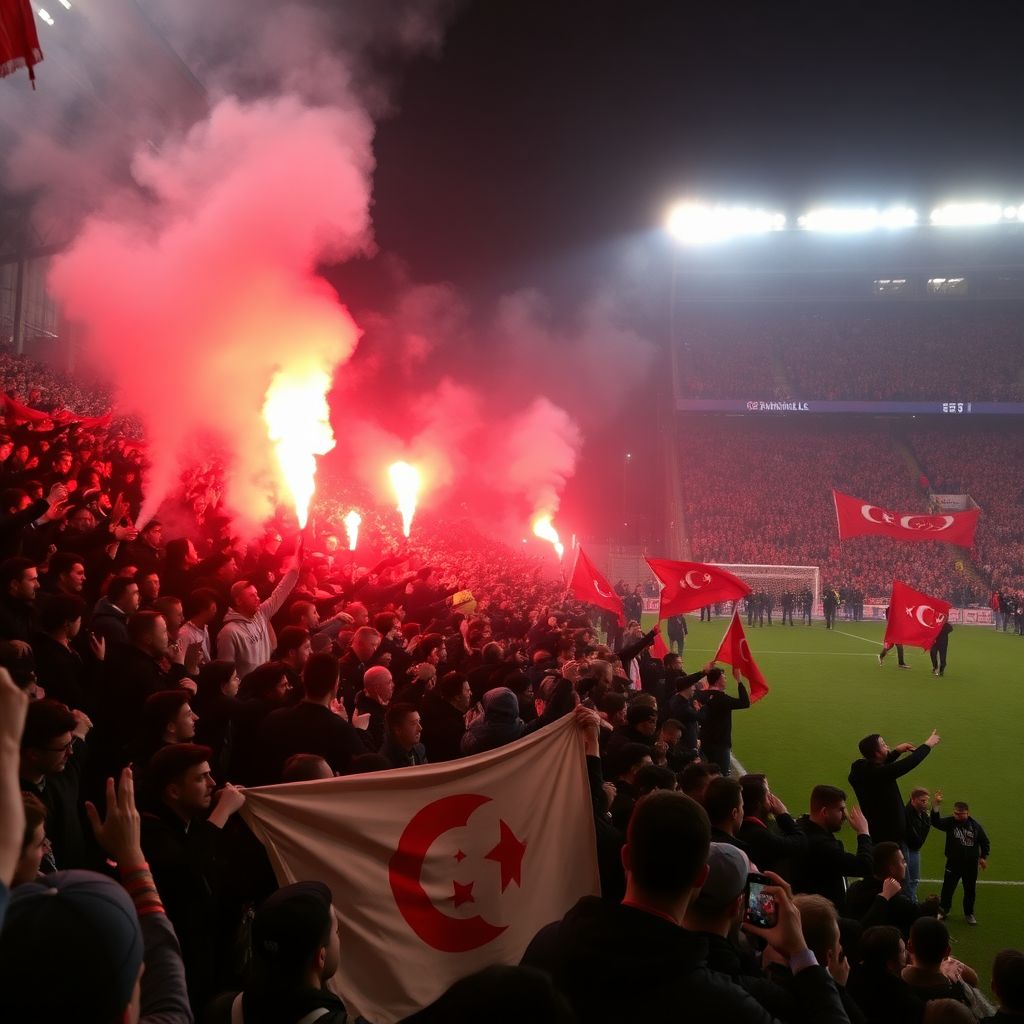
Turkish fan culture sits between European organization and South American intensity: highly politicised, visually spectacular, relatively affordable, but unpredictable with policing and regulations. For most budget-conscious travellers, Istanbul derbies offer the best cost-to-drama ratio, while classic European grounds feel safer, and South America delivers the rawest, least mediated ultras experience.
Snapshot of defining differences
- Turkey mixes European-style club structures with South American-style passion, colour and noise.
- European ultras scenes are more regulated and segmented; South American terraces feel looser and more community-embedded.
- Turkish derbies offer intense atmospheres at mid-range prices, but matchday rules and policing can change quickly.
- Europe is better for first-timers; South America rewards experienced groundhoppers willing to accept risk and chaos.
- Media and club relationships are most commercialised in Europe, most conflictual in Turkey, and most patronage-based in South America.
- For research, forums, social media and football fan culture documentary streaming are cheap, realistic starting points.
Historical roots and political identities
To choose between Turkey, Europe and South America, focus on how history and politics shape terraces. Use the criteria below to decide where to spend time and travel money if your priority is depth of meaning rather than just loud noise and pyro.
- Degree of political visibility: In Turkey and South America, banners, chants and alliances often show clear political leanings; many European groups have shifted toward subcultural identity with softer open politics, though local exceptions remain.
- Role of neighbourhoods and class: Istanbul clubs map strongly onto districts and social backgrounds, similar to barrios in Buenos Aires or favelas in Brazil. In much of Europe, stadium relocation and gentrification have diluted the old working-class/local district link.
- Impact of state history: Military coups, authoritarian periods and rapid urbanisation in Turkey and South America left visible fingerprints on fan protest cultures; in Western Europe, EU integration and safer-stadium reforms softened direct confrontation, while in parts of Eastern Europe it remains sharper.
- Club vs national identity: In Turkey, club identity (especially Galatasaray, Fenerbahce, Besiktas) can outweigh national team support on a daily level; in many European countries national sides still unite fractured club bases, while in South America club identity is almost a civil religion.
- Religion and secularism: In Turkey, religious references appear indirectly via symbols and local politics rather than explicit sectarianism; some European derbies are historically sectarian, while in South America religious imagery is often devotional rather than divisive.
- Reputation and self-mythology: Turkish ultras actively compare themselves with South American barras bravas and Balkan groups; European groups reference Italian and German pioneers; South American fans lean on myths of eternal loyalty and suffering.
- Documentation and archives: For low-cost research, Turkey and Europe are easier: fan forums, local press, fanzines and club histories are well archived; in South America, more legwork with Spanish/Portuguese media and match footage is needed.
| Aspect | Turkey | Europe | South America |
|---|---|---|---|
| Political visibility | High in big-city clubs, frequent protest banners | Mixed; often coded or localised | High; politics and social issues openly referenced |
| Neighbourhood roots | Strong Istanbul district identities | Variable; diluted in gentrified leagues | Very strong barrio/favela connections |
| State-fan clashes | Regular friction, especially around protests | More institutionalised dialogue in many leagues | Frequent, often intense confrontations |
| Research accessibility | Good via Turkish media and forums | Best overall, many languages but rich sources | Requires Spanish/Portuguese and more digging |
Matchday choreography, tifos and pyrotechnics
This is where the three regions feel closest on the surface yet differ in organisation, safety and cost. Use the table below to match your comfort level and filming/photography plans to the right type of matchday experience.
| Variant | Best for | Pros | Cons | When to choose |
|---|---|---|---|---|
| Highly choreographed ultras end (Turkey & Europe) | Travellers wanting big tifos with relatively predictable rules | Massive flags, coordinated songs, usually limited pyro, decent safety standards | Ticketing rules strict; some props banned last-minute | When filming legal, high-quality visuals for social media or research |
| Pyro-heavy terraces (South America & some Turkey) | Experienced groundhoppers seeking raw, smoky atmospheres | Intense noise, constant movement, iconic flares and fireworks | Lower visibility, higher perceived risk, insurance rarely helpful | When you accept chaos for unique photos and memories |
| Mixed family/ultras stands (Europe) | First-timers, families, documentary crews needing stability | Chants and colour from a safe distance, clear seating | Less immersive, choreography can feel staged | When safety, kids, or non-fan partners are a priority |
| Derby mega-choreos (Istanbul & major cities) | Visitors targeting one unforgettable night | Huge displays, club-wide participation, iconic photos | Tickets scarce and expensive on resale, security heavy | When planning a once-a-year event trip or content shoot |
| Element | Turkey | Europe | South America |
|---|---|---|---|
| Tifo scale | Huge in derbies; frequent big banners and 3D displays | Highly planned, especially in Italy, Germany, Balkans | More continuous colour than single giant displays |
| Pyrotechnics | Strictly regulated but still visible in key games | Heavily policed in many leagues, used selectively | Often central to the experience, enforcement looser |
| Noise level | Relentless, especially in closed Turkish bowls | Structured chants, sometimes quieter in corporate areas | Continuous singing with drums and trumpets |
| Visual style | Blend of European tifos and South American flags | Graphic, political, choreographed | Sea of flags, confetti, balloons |
For cheap pre-trip research, explore club YouTube channels, fan-made vlogs and full-match uploads. Combine these with a football fan culture documentary streaming platform or free titles on legal services to visualise what standing among each type of crowd actually feels like.
Organization: from casual fans to ultras networks
Group structures determine how easy it is to make contact, join an away trip, or arrange photography access. Distinguish between loose fan bases, formal ultras groups, and tightly managed networks linked to clubs or political actors.
Use these scenario-based guidelines, with explicit budget and premium options, to choose your focus:
- If you travel on a tight budget, then prioritise Turkey and lower-league Europe, where supporters often self-organise via social media groups and fan forums. You can often join bus trips or pre-match gatherings by messaging admins in advance in English or simple Turkish.
- If you want a premium, curated experience, then choose big-club packages in Europe or Istanbul. Match hospitality with ultras in view (but not around you) is easier to buy than direct access to an ultras curva; agencies sometimes bundle match tickets, city tours and fan-meeting experiences.
- If your goal is embedded, long-form research, then South America and Turkey reward time investment. Live several weeks near a stadium, frequent the same bars, and you will gradually be introduced to barra/ultras organisers; this costs less day-to-day but more in time and language effort.
- If you mainly want away-day culture, then Europe offers the best train/coach networks and predictable scheduling. In Turkey and South America, away allocations are often restricted or banned in high-risk derbies, so plan around smaller fixtures for that experience.
- If you create content (photos, blogs, documentaries), then negotiate up front: in Turkey and South America, some groups dislike cameras without permission, while others welcome promotion. Direct messages via Instagram or X, plus introductions through local bloggers, work better than cold approaches on matchday.
- If you want structured ultras tours, then look at niche agencies offering football ultras tours Europe South America combinations. These are more expensive but bundle contacts, translators, and safer logistics than DIY trips across unfamiliar cities.
| Organizational feature | Turkey | Europe | South America |
|---|---|---|---|
| Formal ultras groups | Strong at big clubs, often with political ties | Well-established networks across many leagues | Embedded barras with social and territorial roles |
| Access for outsiders | Possible with introductions; language helps | Easier via fan clubs and supporter trusts | Hardest; trust-building essential |
| Budget travel options | Intercity buses, cheap local food | Low-cost airlines and rail passes | Varies; long distances can be costly |
Security, policing and legal frameworks
Laws and policing intensity heavily influence your match choice, camera use and clothing (colours, ultras fan gear scarves flags). Follow this quick decision algorithm before buying tickets or flights.
- Define your risk tolerance: Decide honestly whether you are comfortable with flares, heavy policing and possible street tension. If not, favour well-known European grounds and family sectors in Turkey over volatile derbies or notorious South American clasicos.
- Check current regulations: Search local-language news, club statements and forums about bans on away fans, pyro, and banners. Rules in Turkey can change rapidly; in Europe they differ by league; in South America they may vary by province or municipality.
- Research policing style: Use recent fan reports and social media videos to see how police handle pre-match gatherings. Look for escort patterns, kettling, and how they treat people filming; this matters if you plan to document atmospheres.
- Plan your ticket type: In Istanbul, consider whether you really need to be in the most intense block; sometimes a near-by section still gives full sound with more exits. In Europe, safe-standing or singing sections are clear; in South America, choose between terraces and seated areas carefully.
- Secure local contacts: Before committing to high-risk derbies, message local fans or expat groups. Ask about current tensions, best meeting points, and whether arriving early or late is safer around that specific stadium.
- Prepare neutral exit routes: Study maps to identify multiple ways back to public transport or your accommodation. Avoid walking in full colours or with visible ultras fan gear scarves flags if locals advise against it, especially after night derbies.
- Keep documents and footage safe: Store passport copies in the cloud and back up photos during your trip. In crowded, heavily policed environments, this protects your work if your phone is lost, damaged or briefly confiscated.
| Safety aspect | Turkey | Europe | South America |
|---|---|---|---|
| Policing intensity | Very visible, especially at derbies | Professionalised; varies by country | Can be heavy and unpredictable |
| Legal clarity | Changing rules, strong central role | Codified stadium laws and bans | Patchy enforcement, local variations |
| Visitor guidance | Rely on locals and recent reports | Better official info in many leagues | Informal networks more important |
Commercialization, media and club relationships
Money, media narratives and club-ultras negotiations shape what you actually see and how tickets are sold to outsiders. Misreading this layer can waste budget or leave you in the wrong stand.
- Assuming all derbies are equally accessible: In Turkey, Turkish football derby tickets Galatasaray Fenerbahce Besiktas are often locked behind membership and pass systems; scalpers are risky and expensive compared with mid-table games.
- Ignoring club-ultras tensions: Boycotts or conflicts can leave ultras sections half-empty even on paper “big nights”. Always read local press and forums a week before travel to confirm groups actually attend.
- Over-trusting glossy marketing: European clubs package “atmosphere” into premium products; hospitality seats may have poor sound. Sometimes cheaper blocks near ultras are better value and more authentic.
- Underestimating local TV schedules: Late kick-offs for broadcasters in Turkey and South America impact transport options and safety after games; budget extra for taxis if public transit closes early.
- Buying random merch on arrival: For budget travellers, an ultras fan gear scarves flags online shop that ships to Turkey can be cheaper than stadium stores, and safer than buying from street sellers near sensitive derbies.
- Forgetting content rights: If you plan to publish a football fan culture documentary streaming later, check what footage you can legally monetise. Some European clubs are stricter; fan-shot material from stands is generally safer than field-level close-ups.
- Not comparing stadium experiences: The best football stadiums to visit in Turkey and Europe for fan culture are not always the biggest or richest; smaller grounds can offer cheaper, denser atmospheres than “elite” arenas.
- Relying on one language source: Media narratives differ between local press, fan sites and international outlets. Triangulate all three to understand when a “crisis” is real or just clickbait.
| Commercial feature | Turkey | Europe | South America |
|---|---|---|---|
| Ticketing systems | Pass-based, membership-heavy for big games | Digital platforms, dynamic pricing | Mix of online and cash sales, more informal |
| Media control | Strong central TV deals, politicised debates | Highly commercial, multi-platform coverage | Influential TV shows and radio, local bias |
| Club-ultras relationship | Conflictual but mutually dependent | From integrated to openly hostile, case by case | Rooted in patronage and local power structures |
Transnational influences and exchange patterns
For atmosphere-focused, cost-aware travellers, Turkey is often best for a single unforgettable derby or compact city trip; Europe is best for chains of matches, predictable logistics and safer experiments; South America is best for long, immersive stays that prioritise raw emotion over comfort and control.
| Exchange dimension | Turkey | Europe | South America |
|---|---|---|---|
| Influences absorbed | Draws from Italian, Balkan and South American styles | Early ultras models, now global exporters | Historically self-defined, now also exporting aesthetics |
| Global visibility | Growing via derbies and social clips | Highest, especially major leagues | Iconic but underrepresented outside big clubs |
| Best fit by goal | Balanced choice for drama and budget | Best for structured groundhopping | Best for deep-dive passion projects |
Practical clarifications and quick answers
Is Turkey safer or riskier than Europe for ultras-style matches?
Turkey sits between regulated European leagues and looser South American scenes. Big derbies can feel intense due to heavy policing and crowd emotion, but most matches are manageable if you follow local advice, avoid confrontations, and choose your sector and exit route carefully.
How hard is it to get Istanbul derby tickets as a visitor?
For Turkish football derby tickets Galatasaray Fenerbahce Besiktas, official access is difficult without local IDs, memberships or contacts. Agencies and hospitality packages exist but are expensive. For a first trip, consider slightly smaller Istanbul derbies or high-stakes league games instead of the absolute peak fixtures.
Where should a budget traveller start: Turkey, Europe or South America?
For cost-to-intensity, Turkey is usually the best first step, especially Istanbul. Europe is easier but can be pricier in top leagues, while South America often requires longer flights and more time on the ground to make travel worthwhile.
Can I film and later stream a fan culture documentary from the stands?
In all three regions, filming discreetly from your seat is common, but commercial use has extra rules. If you plan football fan culture documentary streaming, avoid close-ups of the pitch and players, and focus on fan life unless you secure written permissions.
Is it okay to wear local colours or ultras gear as a foreigner?
Generic club shirts and scarves are usually fine, but specific ultras symbols can carry local meanings you do not know. Buying neutral items from an ultras fan gear scarves flags online shop is safer than wearing a rival group’s logo by mistake.
How many matches should I plan for one trip?
For a short Turkey-focused visit, two to three games across Istanbul clubs works well. In Europe, you can chain more fixtures thanks to transport. In South America, fewer but deeper experiences, with time for pre- and post-match street life, tend to be more rewarding.
What are the best ways to research fan culture cheaply before travelling?
Use fan forums, local-language social media, long YouTube uploads, and free or low-cost documentaries. Combine these with stadium reviews and blogs that list the best football stadiums to visit in Turkey and Europe, cross-checking information across several sources.