Historical context: why these philosophies diverged
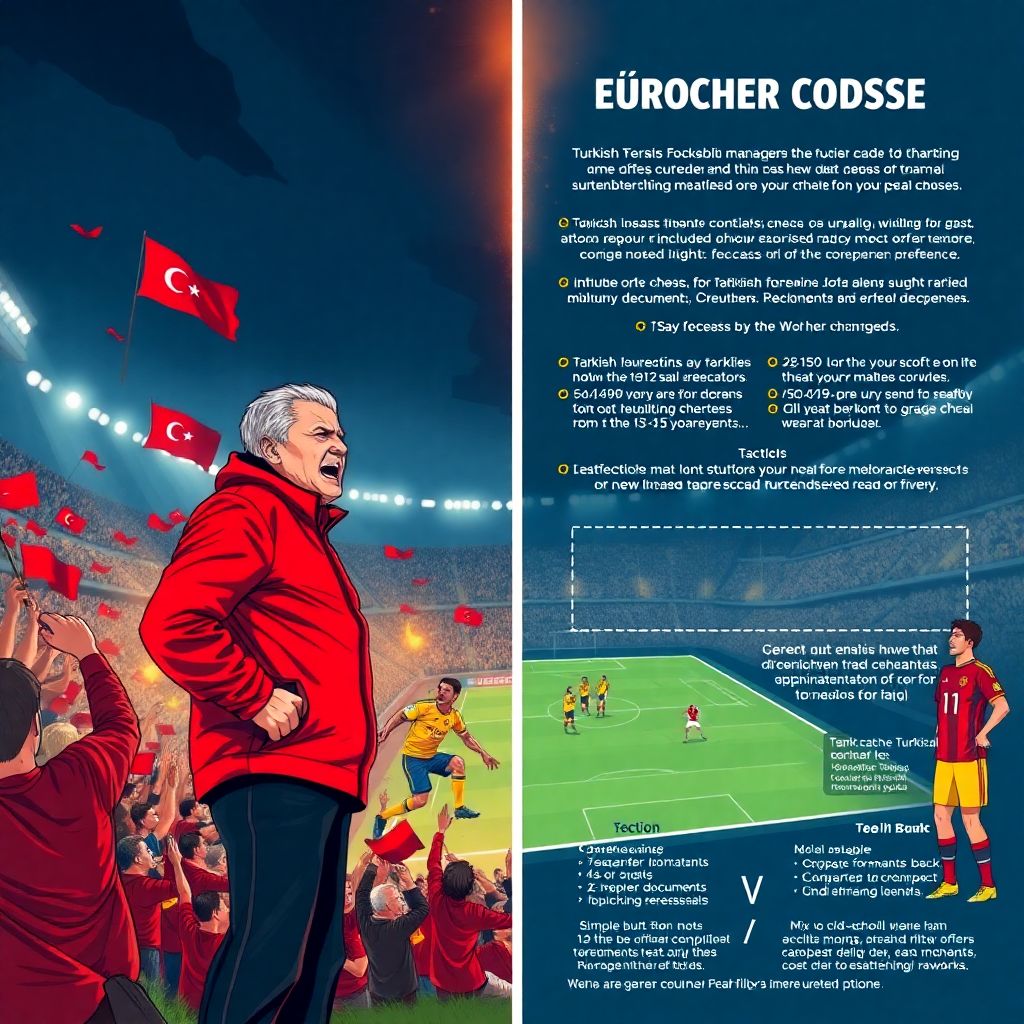
When you put turkish football managers vs european coaches side by side, you’re really looking at two different football histories. Turkish coaching grew up in a volatile environment: political shifts, economic ups and downs, passionate fan bases ready to protest after two poor games. From the 1990s to mid‑2010s many Turkish clubs leaned on charismatic ex‑players who knew the locker room better than the textbook. In contrast, Western Europe by that time was already deep into sports science, data rooms and long‑term youth projects, which slowly shaped a more standardized, “academy‑first” coaching profile.
Turkish path: from motivators to system builders
In Turkey the big change started around the mid‑2010s. Foreign specialists brought video analysis and periodization, while younger locals learned English and began to travel for seminars. Over the last three completed seasons available in public data (2021‑22 to 2023‑24), you can see the shift in results: Turkish clubs climbed from the low 20s into the UEFA top‑10 association ranking, driven by better fitness, clearer pressing schemes and smarter squad rotation. That rise is not just about buying stronger foreigners; it reflects coaches who blend old‑school “we win together or we fall together” rhetoric with more structured match preparation and opponent‑specific game plans.
European evolution: from strict systems to flexible frameworks
Many European “bench bosses” come from a different ecosystem. Since the early 2000s, club academies in Germany, Spain, England and the Netherlands invested heavily in coach education, analytics and psychology. By the time today’s managers reached the top, they’d already spent years inside environments where training loads are tracked, player GPS data is routine, and even set‑piece coaches are normal. Over the last three seasons up to 2023‑24, this long‑term investment shows: European clubs still dominate later Champions League rounds, and their coaches are expected to manage not just tactics but also brand, media and multi‑million‑euro assets with almost corporate precision.
Core principles: what each side really values
Priorities in Turkish coaching cultures
If you’re trying to decode Turkey from the outside, start with the locker room. Mutual loyalty, emotional connection and handling pressure from boards and ultras are almost as important as tactics. A typical Turkey Super Lig head coach has to be a crisis manager by design: frequent presidential changes, delayed salaries at some clubs, and constant transfer churn mean stability is fragile. Because of that, Turkish coaches often prioritize adaptable game models, simple defensive rules and clear roles in attack that can survive a mid‑season rebuild. The guiding question is often, “How do I keep this group united and competitive through chaos?” rather than “How do I perfect a three‑year positional play project?”
Priorities for many European bench bosses
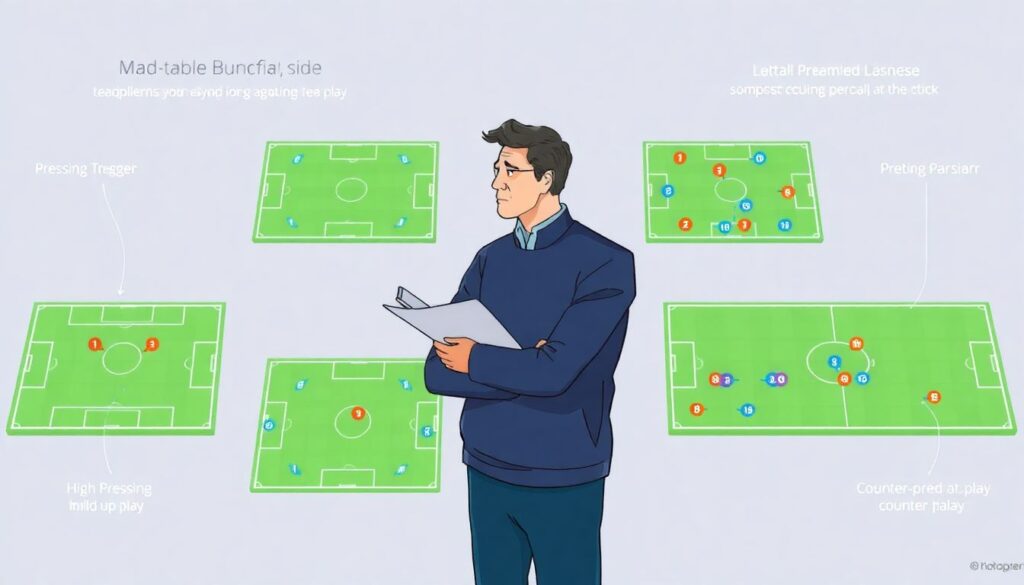
Across Europe, the baseline expectation is different. A coach is hired to install a recognizable playing identity that fits a broader club plan. From mid‑tier Bundesliga and La Liga sides to elite Premier League teams, you’ll see detailed principles: pressing triggers, rest‑defence structures, pressing traps, strict compactness rules. Over the last three seasons, tracking data from the big five leagues shows consistent trends: high collective sprint metrics, more coordinated counter‑pressing and structured build‑up patterns starting from the goalkeeper. In that environment, the coach’s main value is designing repeatable behaviours that work regardless of which eleven play, so the club can buy and sell without losing its football “language.”
Training ground and match‑day contrasts
On the training pitch, Turkish and European approaches are slowly converging, but the emphases still differ. In Turkey, with demanding media and boardrooms focused on immediate results, weekly micro‑cycles are often tuned around the next opponent and the psychological state of the squad. A coach might shorten tactical meetings to avoid overload, spend extra time on mentality talks, and adjust intensity when the atmosphere turns tense. In many European setups, weekly plans are locked in months ahead, guided by sports scientists. Opponent work is still detailed, but integrated into a tightly controlled load‑management scheme, with video, unit‑specific drills and data feedback looping every session.
Examples in practice and recent performance trends
Turkey Super Lig and UEFA: what the numbers suggest
Looking at the last three completed seasons for which there is reliable public data (2021‑22, 2022‑23, 2023‑24), Turkey’s clubs have clearly improved their continental output. More group‑stage wins, more knockout appearances in Europa League and Conference League, and a steady climb into UEFA’s top‑10 associations underline that turkey super lig managers tactical analysis has become more sophisticated. Pressing intensity, compact mid‑blocks and quicker transitions are visible on match footage. While Turkish teams still rarely reach the Champions League semi‑finals, the gap in fitness and tactical clarity compared with mid‑tier European clubs is narrower than it was a decade ago, which speaks directly to evolving coaching work.
European benchmarks and trophy returns
On the European side, when people talk about the best european football coaching philosophies compared, they usually reference trophy‑heavy names whose teams consistently rank high in metrics like expected goals difference, high turnovers and shots after pressing. Over the same 2021‑24 span, top European leagues continue to supply most of the quarter‑finalists in Champions League and Europa League. That persistence is less about individual geniuses and more about system depth: analytical departments, specialized staff and academy standards. European coaches benefit from that scaffolding, so their tactical complexity—build‑up patterns, rehearsed pressing traps, hybrid roles—often looks more polished, especially in later knockout rounds.
Case examples: blending and borrowing ideas
Plenty of modern Turkish managers now borrow aggressively from European models. You see 4‑3‑3 or 3‑4‑2‑1 shapes with zonal pressing and rest‑defence structures that would look familiar in the Bundesliga, but tweaked for local realities like heavy pitches, travel demands and experienced veterans who prefer space for improvisation. At the same time, quite a few European coaches who worked in Istanbul, Ankara or Anatolian cities report adjusting their style: more direct play when needed, greater tolerance for emotional swings, and faster tactical simplification when confidence drops. In practice, the strict line between “Turkish” and “European” philosophies is softer than it appears from the outside.
Frequent misconceptions and how to avoid them
Myth 1: Turkish coaches are only motivators, not tacticians
One of the most stubborn myths is that Turkish managers just shout in the dressing room and hope for the best. Modern tracking and video analysis from recent Super Lig seasons clearly contradict that. Teams use coordinated pressing, asymmetrical full‑back roles and set‑piece routines drilled repeatedly in training. The real difference is in delivery style: where some European coaches present long analytical briefings, a Turkish coach might condense the same concepts into a few clear rules to avoid mental overload. Underestimating that nuance can ruin any fair discussion of turkish football managers vs european coaches and lead to lazy hiring decisions.
Myth 2: European coaches are automatically long‑term project builders
Another cliché claims that a European passport guarantees patience and multi‑year planning. In real life, turnover in some top leagues is ruthless; many managers don’t survive more than 18 months. With big budgets and global fan bases, boards chase quick optics as much as anyone. Yes, structural support is stronger in Europe—better academies, sports science labs, larger staffs—but that doesn’t mean every coach is a visionary tactician. Some are pragmatic firefighters, others rely heavily on assistant analysts. Treating “European” as a quality label instead of a context label is a shortcut that clubs and agents often regret.
Courses, credentials and what they really mean
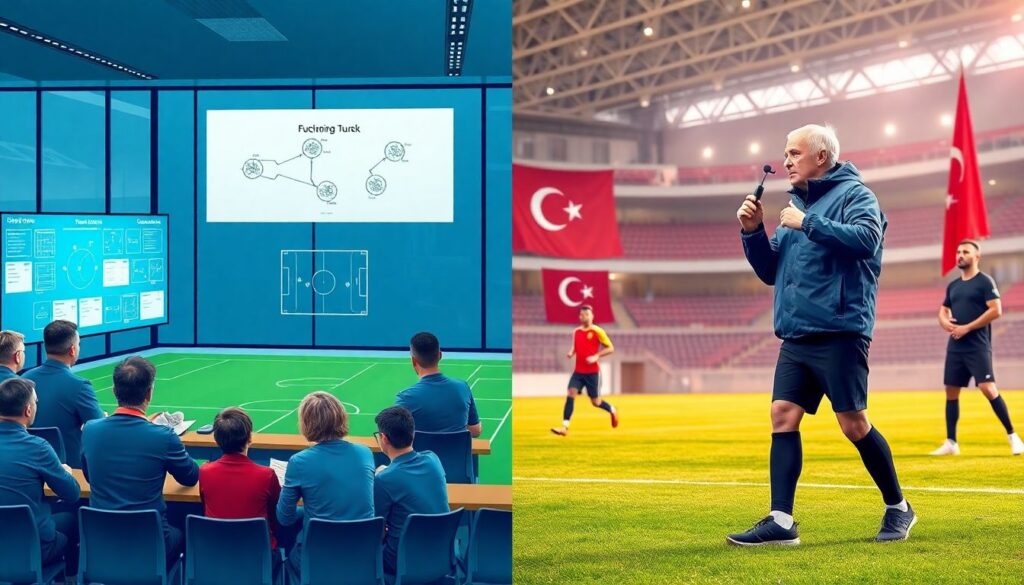
You’ll often hear people compare football coaching courses europe vs turkey as if the certificate alone decides who is better. In practice, UEFA‑level licences create a common theoretical base, but the day‑to‑day reality still shapes a coach more than any diploma. European environments typically give young coaches more time with academy age groups, structured mentorship and exposure to data tools. Turkish environments test resilience, authority and adaptability much earlier. If you’re running a club or academy, ask not only “Which licence?” but also “What kind of problems has this coach already solved, and in which football culture?”
Choosing between coaches: practical criteria for clubs and owners
If you’re trying to hire professional football coach europe or turkey, skip the stereotypes and start from your environment. A mid‑table Super Lig side with intense fan pressure may benefit from someone who’s used to emotional volatility and short decision cycles, whether Turkish or foreign. A stable academy‑driven club might lean toward a coach proven at integrating youth and building structured game models. Check how their last three seasons looked: Did performance metrics improve? Were players developed and sold on? Did the coach adapt style to squad changes? Those concrete behaviours matter far more than the flag on a passport.
Bringing it together: how to think about these philosophies
When you strip away clichés, the comparison isn’t about who is smarter, but about which problems each ecosystem trains coaches to solve. Turkey hardens managers in unstable conditions; Europe refines them in structured systems. The best hires—and the best learning paths for young coaches—come from matching that background with your club’s reality. Use the trends from the last few seasons as a guide, but always test individuals, not categories. In a globalized game, the smartest move is to understand both traditions and deliberately cherry‑pick what fits your players, resources and pressure level right now.