
Where women’s football in Turkey stands right now
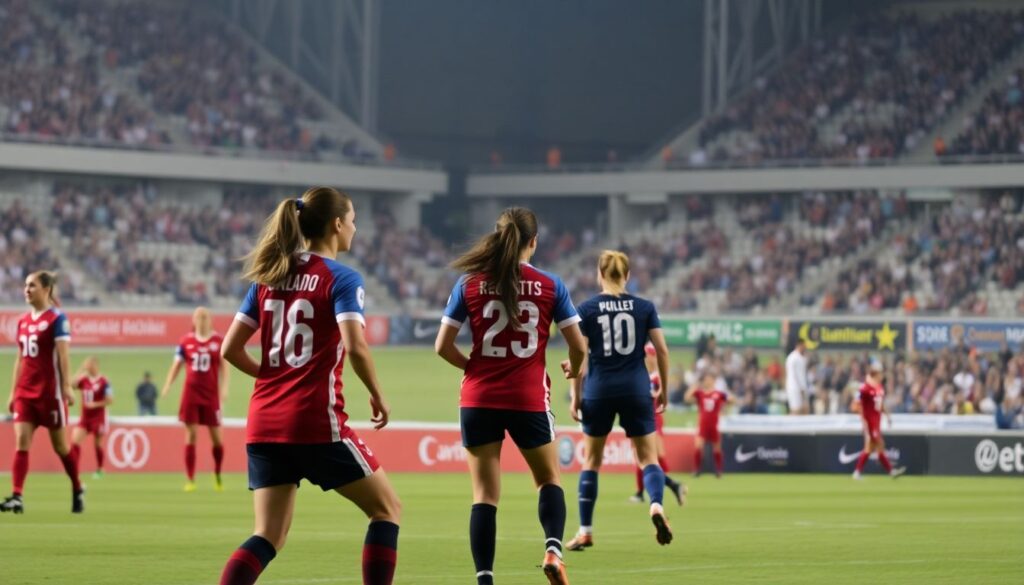
Women’s football in Turkey is in a transition phase: no longer invisible, but not yet truly mainstream. Super League clubs like Galatasaray, Fenerbahçe, Beşiktaş and Trabzonspor now have women’s teams, TV cameras appear more often, and the national team is slowly climbing the rankings. Yet stadiums are still far from full, media coverage is patchy, and many players keep a second job to pay their bills. If you want to understand the current state, think of it as a start‑up: the idea is proven, the first users are loyal, but the big scale‑up has not happened yet. That gap between potential and reality is exactly where the biggest chances for growth hide.
On the ground, the game is much more alive than it may look from the outside.
Inspiring stories that show what’s possible
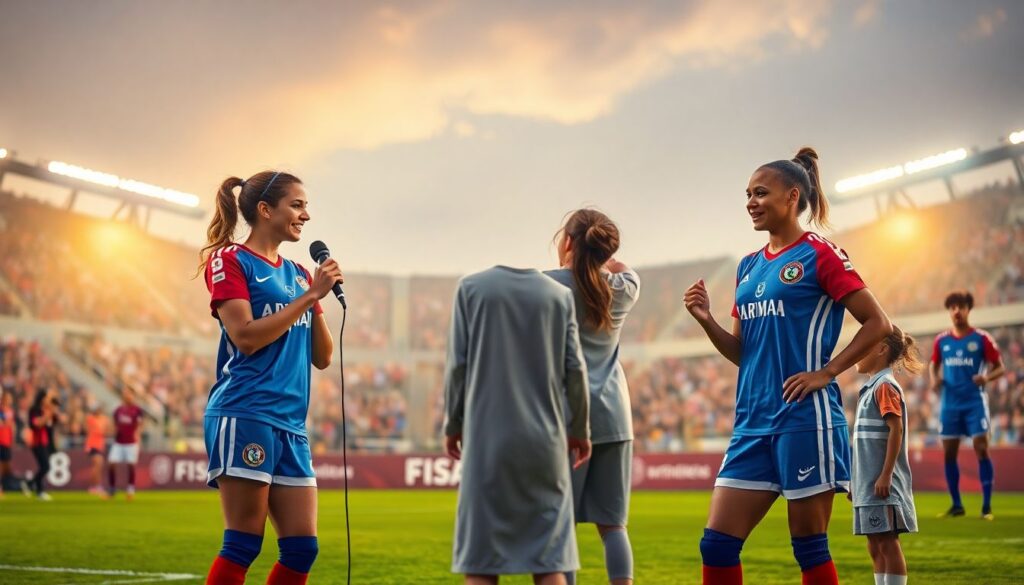
Take the national team: for years it lived in the shadow of men’s football, with almost no marketing and modest results. Now we see players signing abroad, giving interviews in multiple languages, and becoming visible role models for girls who never saw themselves on a pitch before. At club level, iconic derbies such as Fenerbahçe–Galatasaray in the women’s league attract new fans who come “just to try” and leave emotionally hooked. Grassroots tournaments in cities like Izmir, Antalya and Gaziantep gather school teams, local NGOs and small academies around one simple idea: girls deserve serious football, not “just PE”. These micro‑successes do not always hit the headlines, but they are exactly what shifts the culture step by step.
Role models matter because they make dreams look practical, not abstract.
Key challenges: money, visibility and pathways
The biggest bottlenecks are brutally pragmatic: limited budgets, unstable league structures and unclear career paths. Many clubs still treat women’s teams as CSR projects rather than core sports assets, so squads may train on poor pitches at odd hours. Media rarely publishes full turkey women’s football league fixtures with the same care as men’s calendars, which makes it harder for fans to follow a season seriously. Youth development is uneven: in some regions girls can choose between several clubs, in others the only option is playing with boys or not playing at all. This fragmentation feeds a vicious circle: without a clear pathway from school to professional level, talented girls drop out early, and the overall level grows slower than it could.
Yet every challenge on this list can be turned into a concrete action plan.
Practical ways to support growth (even if you’re “just a fan”)
First, visibility: modern football lives where attention goes. Checking turkey women’s football league fixtures regularly and actually showing up changes the equation more than you think. Clubs, sponsors and broadcasters react to numbers: attendances, clicks, minutes watched. If you search for women’s football turkey tickets online, share links, buy for yourself and friends, you are sending a market signal that is hard to ignore. The same applies to social media: following players, liking content, commenting on match posts helps algorithms push women’s football into wider feeds. None of this requires a boardroom seat, only a bit of intention. At scale, these tiny decisions create leverage when leagues negotiate TV deals or convince brands to invest.
If you can’t get to the stadium, your laptop or phone still counts as a seat.
Digital habits that move the needle
Streaming statistics are now as influential as turnstile counts. When you watch live streaming turkey women’s football matches on official platforms rather than random clips, you feed direct data back to broadcasters. High watch‑time and engagement show that there is a stable audience worth serving with better cameras, pundits and pre‑match shows. That in turn boosts players’ visibility, helps with sponsorships and inspires another generation of girls who suddenly see their language, their cities and their style of play on screen. If you run a blog, podcast or even a small fan page, covering women’s games with the same seriousness as men’s – line‑ups, tactics, analysis – is a powerful cultural statement: this is not a side show; this is real football.
Attention is a currency; how you “spend” it shapes the ecosystem.
From local pitches to professional careers
The backbone of any sustainable scene is youth development. women’s football academies in turkey are expanding, but quality and access still vary widely. Well‑run academies offer more than training sessions: they provide licensed coaches, clear progression steps, psychological support and educational guidance so that football and school support, not sabotage, each other. For parents, the practical question is simple: is there a safe, structured environment where my daughter can train three to four times a week and compete regularly? Pushing municipalities, schools and clubs to open or strengthen girls’ sections is not activism in the abstract; it is about creating real weekly routines for real kids. When enough such routines exist, the national pool of talent doubles almost automatically.
For a young player, the pathway should feel understandable, not mysterious.
How to navigate the pathway as a player or parent
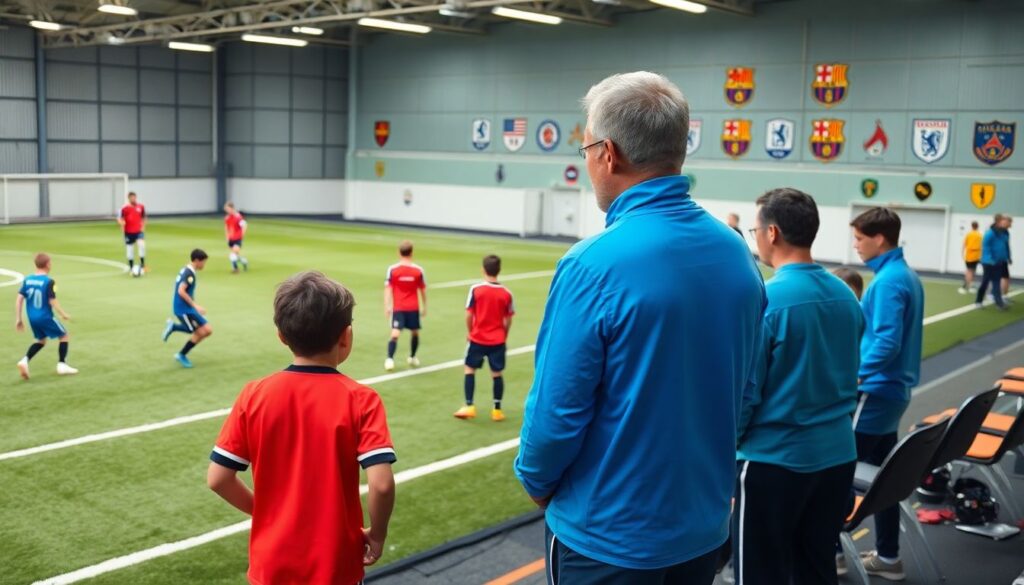
Start by mapping local options: school teams, municipal sports clubs, private academies, university programmes. Visit training sessions, ask about UEFA‑licensed coaches, medical support and links to professional clubs. If an academy already has graduates playing in top domestic sides or abroad, that’s strong evidence of a functioning system. Parents can also push for mixed‑gender teams at younger ages, where technical development is often fastest. For older players, combining university with semi‑professional football can be a smart bridge while the market matures. The aim is not only to “go pro” but to keep doors open: language skills, coaching badges and sports management degrees turn one passion into several parallel career options inside the game.
A sustainable career in football is a portfolio, not a single bet.
Successful cases and what they teach us
One of the most encouraging trends is big clubs integrating women’s teams into their main brand rather than leaving them in the shadows. When a club sells turkish women’s football jerseys for sale next to men’s kits in the same shop, it subtly changes fan behaviour: buying a women’s shirt becomes normal, not “special support”. In cities where clubs promote double‑header matchdays – women’s game first, men’s later – families arrive earlier, discover players, and sometimes end up following the women’s team more closely than they expected. Local NGOs running community leagues for girls have shown that a few well‑organised tournaments per year can significantly increase retention, because players see a reason to train regularly. Behind each of these examples is the same pattern: strategic, not symbolic, inclusion.
The most effective initiatives treat women’s football as a product to develop, not a box to tick.
Resources and learning paths for coaches, players and fans
Coaches can use UEFA and TFF coaching courses, online webinars and match‑analysis tools to modernise their methods; even free platforms like open‑access video libraries help build tactical literacy. Players benefit from language learning, online strength‑and‑conditioning programmes and video feedback apps that allow them to track progress over seasons. Fans and volunteers can learn event organisation, basic sports marketing and community management from MOOCs and federation resources, then apply these skills to local clubs: promoting games, negotiating small sponsorships, improving match‑day experience. Each new competence brought into the women’s game – from data analysis to photography – increases its professional polish. When more people treat this space as worth their best skills, not just their free time, women’s football in Turkey moves from “promising niche” to established part of the sports landscape.