
Why the Story Keeps Repeating: Turkish Clubs and Europe
If you follow European football even поверхностно, you’ve probably noticed a pattern: Turkish clubs often start European seasons with loud ambitions and strong fan backing, but by spring they’re usually watching others play the decisive matches. This isn’t about “lack of passion” or “bad luck”. A serious Turkish clubs in European competitions analysis shows a deeper mix of structural issues, tactical gaps and long‑term planning problems. The encouraging part? These are solvable problems. Other leagues with similar challenges have already turned things around — and Turkish football can do the same with a realistic, disciplined approach rather than relying on quick fixes and emotional reactions.
Looking Back: Highs, Lows and Lessons
From Galatasaray 2000 to Today: What Changed?
When people talk about the best Turkish football clubs in European history, they always start with Galatasaray’s 1999–2000 run: winning the UEFA Cup against Arsenal and then the UEFA Super Cup against Real Madrid. That team was a product of continuity: Fatih Terim built a core over several seasons, combining experienced locals with well‑scouted foreigners, and the club didn’t panic after every setback. Compared to that era, modern Turkish sides too often reboot the squad every summer, change coaches at the first crisis and build teams that are strong on paper but fragile as a collective. The gap between domestic and European intensity has also grown; what used to be enough for continental success is now just a baseline for surviving the group stage.
Why Turkish Teams Fail in Champions League So Often
If we zoom in on why Turkish teams fail in Champions League campaigns specifically, a few themes keep showing up. First, pace and intensity: many Süper Lig squads are built around players past their physical peak, which works in slower domestic matches but collapses against high‑pressing sides from the Bundesliga or Premier League. Second, tactical rigidity: coaches under heavy pressure to “win now” prioritize short‑term results over systems football, so the team lacks the automatisms and pressing patterns needed at the top European level. Third, squad depth: starting elevens can look strong in August, but one or two injuries expose massive gaps. The result is predictable: decent group‑stage nights at home, heavy away defeats and elimination before the serious rounds start.
Structural Problems You Can’t Ignore
Financial Short-Termism and Transfer Addiction
A big part of Turkish clubs in European competitions analysis points to finances. Many top clubs lean on short‑term debt, politically driven decisions and aggressive transfer strategies that look good in headlines but bad in balance sheets. Instead of building resale value through young talent, they sign high‑wage veterans whose market worth drops fast. This creates squads that are expensive, not elite. Under UEFA’s financial rules, overspending today means restrictions tomorrow, which then limit investments in scouting, analytics and academies. It becomes a cycle: to calm the fans, you buy another big name, pushing the real solution — a sustainable sporting project — even further away.
Coaching Stability and Football Identity
Another key weakness is the constant coaching carousel. Some Turkish clubs go through three or four managers in a single season. Under that pressure, no coach is going to invest deeply in youth or long‑term automatisms; they just scramble for immediate points. Compare this with clubs that consistently reach European knockouts: they usually have a clear identity that survives coaching changes. In Turkey, even the basic question of how the top clubs want to play — proactive pressing, reactive counterattacking, possession control — often changes every few months. Without a stable footballing philosophy running from academy to first team, results in Europe remain heavily dependent on individual talent and short bursts of form.
Inspiring Examples: When Turkish Clubs Got It Right
Galatasaray’s Tactical Evolution in the Late 2010s
It’s easy to romanticize the year 2000, but more recent campaigns also show that change is possible when planning and coaching align. Under Fatih Terim’s later spells, Galatasaray began to modernize their approach, incorporating more structured pressing and data‑informed recruitment. The Champions League runs around 2012–2013 and 2018–2019 included wins over top opposition and competitive performances against giants like Real Madrid and Juventus. While the squads still had flaws, those nights proved that with a balanced mix of local leaders, physically strong midfielders and properly scouted imports, a Turkish side can go toe‑to‑toe with Europe’s elite, at least over short periods, if the game model is coherent.
Başakşehir: The “Project Club” Experiment
İstanbul Başakşehir is often criticized for lacking a traditional fanbase, but as a football project they provided a useful case study. Over several seasons they built a stable core, hired coaches aligned with a specific possession‑based style and made mostly logical transfers. Their 2020 league title and advance to the Champions League group stage, including a memorable win over Manchester United, showed that a medium‑budget Turkish club can compete with planning and consistency. The limits were real — aging squad, limited revenue streams — but their model exposed how much of the underperformance of larger clubs is self‑inflicted rather than inevitable.
Trabzonspor’s Recruitment Shift
Another positive example is Trabzonspor’s shift toward a more analytical recruitment strategy in the late 2010s and early 2020s. By leaning more on scouting and less on “name value,” they unearthed several high‑impact players at reasonable fees. This brought domestic success and improved performances in qualification rounds. Even when they didn’t go deep in Europe, the trajectory showed that investing in smarter structures off the pitch can quickly translate into stronger competition on it. This is exactly the kind of real‑world case that hints at how to improve Turkish football in Europe without needing a sudden financial windfall.
How Things Can Change: A Practical Roadmap
Rebuilding the Foundation Instead of the Squad
If Turkish football wants a breakthrough, it has to switch from building “teams for this season” to building “clubs for the next decade”. That means less energy on deadline‑day drama and more on unglamorous but powerful work: academy development, modern training methods, performance analysis, and long‑term squad planning. Fans may not chant for “better data infrastructure,” but that’s exactly what allows mid‑tier European clubs to punch above their financial weight. In other words, the biggest improvement won’t come from one mega transfer; it will come from 100 smarter micro‑decisions spread over seasons, supported by a club culture that rewards patience and competence.
Concrete Steps: From Theory to Daily Practice
When people ask how to improve Turkish football in Europe, the answers often sound abstract. Let’s make them more tangible. Clubs that genuinely want to compete in UEFA tournaments over the long haul can start with the following practical moves that do not depend on billionaire owners or political miracles:
– Appoint a sporting director with real authority and a clear philosophy, and keep him for at least 3–5 years.
– Build a unified game model for all age groups, so the academy feeds the first team with players already adapted to the club’s style.
– Cut the number of short‑term, high‑wage veteran signings and redirect that budget into scouting, analytics and development coaches.
Each of these steps reduces chaos and increases predictability, which is exactly what you need to perform against well‑organized European opponents who punish every structural weakness ruthlessly.
Successful Project Cases from Abroad (and What Turkey Can Copy)
From Mid-Table to Europe: Lessons from Other Leagues
You don’t have to reinvent football to fix Turkish clubs; you can learn from others. Clubs like Sevilla, Atalanta or RB Salzburg rose from relative obscurity to regular European relevance through clear strategies: smart scouting, relentless player trading, and youth development aligned with a distinct style of play. They accepted that they would lose stars, but built systems good enough to absorb those exits. Turkish teams, by contrast, often treat any player sale as a defeat rather than a core part of a sustainable model. The takeaway is simple: turning “selling players” into a disciplined business strategy is not weakness — it’s the engine that can finance long‑term competitiveness.
What the Best Turkish Clubs in European History Teach Us
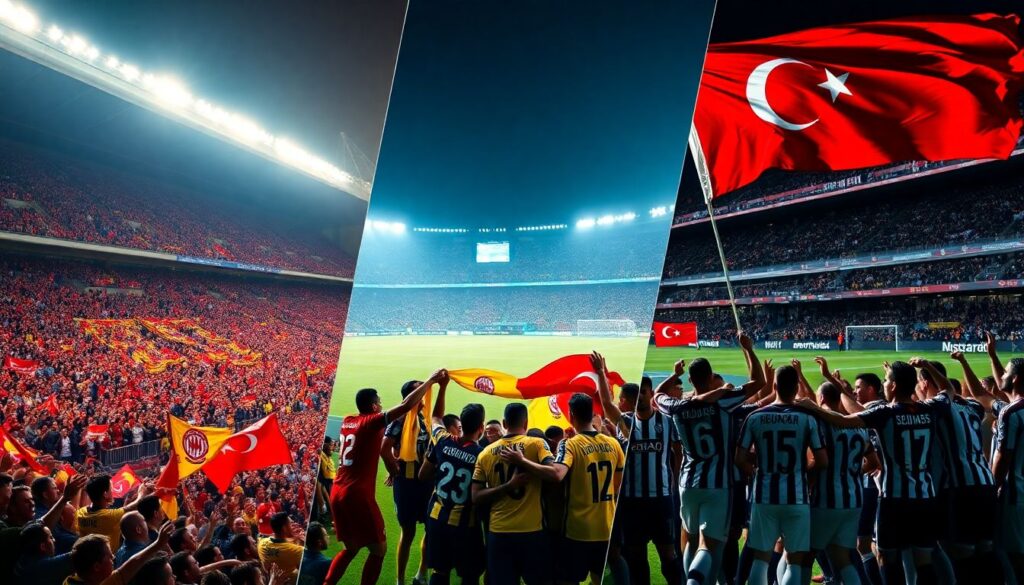
If we reflect on the best Turkish football clubs in European history — chiefly Galatasaray, but also Fenerbahçe’s 2012–2013 Europa League run and Beşiktaş’s impressive 2016–2017 campaign — a common pattern emerges. When these teams did well, it wasn’t because they suddenly found a superstar; it was because they built balanced squads with complementary profiles, stuck with a coach long enough to stabilize the system and created a strong dressing‑room core of local leaders. Those projects may have been short‑lived, but they show the blueprint: stability, balance and clarity beat noise, chaos and pure emotion, especially in the cold, tactical environment of European knockout football.
Player Development: The Real Competitive Edge
Youth Academies as Strategic Assets
One major reason why Turkish teams fail in Champions League campaigns is the lack of homegrown, tactically educated players ready for that level. Many promising youngsters get first‑team chances too late or are rushed into chaotic environments without clear roles. To change this, academies must be treated as strategic assets, not afterthoughts. That means better coaching education, consistent playing styles and serious minutes for young talents, even if that costs a few domestic points in the short term. When a club can regularly promote two or three players a year who understand pressing triggers, positional play and tempo management, its European ceiling rises dramatically without exploding the wage bill.
Smart Use of Foreign Players
Foreign signings are not the problem; unfocused foreign signings are. Successful European clubs use imports to bring specific skills that are scarce domestically: creative playmaking, elite pressing, aerial dominance, or leadership experience at the top level. Too often, Turkish clubs sign big names whose best years are behind them, hoping their aura will compensate for physical decline. A more strategic approach would start by mapping the club’s playing style and identifying exactly which traits are missing, then finding undervalued players with those traits. This is where advanced data and broader scouting networks can transform recruitment from gambling into calculated risk.
Resources for Learning and Modernizing
What Clubs, Coaches and Even Fans Can Use Today
The encouraging news is that tools to modernize are widely available. Coaches in Turkey can now access the same coaching materials, tactical databases and analytical platforms used by staff in top‑five leagues. There are online courses, webinars and certifications focused on pressing systems, set‑piece design and periodization — all areas where marginal gains can flip tight European ties. Even fans and local media can contribute by shifting their expectations: valuing long‑term project indicators (xG balance, age profile of the squad, academy minutes) rather than just transfer headlines and short‑term results.
Here are some types of resources that can accelerate change:
– UEFA coaching licenses and continuous education programs that focus on modern, evidence‑based training.
– Analytical platforms and video services that allow clubs to study opponents deeply and refine their own game model.
– Partnerships with European clubs for knowledge exchange in areas like scouting, sports science and youth development.
If these resources are consistently used, the future of Turkish clubs in UEFA competitions will not depend on one golden generation or one lucky draw, but on a steady rise in the sport’s overall sophistication within the country.
Looking Ahead: A Different European Narrative Is Possible
From Emotional Cycles to Structured Progress
In the end, the story of Turkish football in Europe doesn’t have to be a cycle of hype, disappointment and nostalgia. The ingredients for a better chapter are already visible in isolated successes, both at home and abroad. By adopting a more analytical mindset, learning from concrete project cases and using modern resources intelligently, Turkish clubs can close the gap between domestic dominance and European relevance. It won’t happen in a single transfer window, and it will demand patience from presidents, coaches and supporters alike. But with the right choices, the next Turkish clubs in European competitions analysis might not be about “what went wrong” — it could be about which structural changes finally turned passionate potential into lasting continental impact.