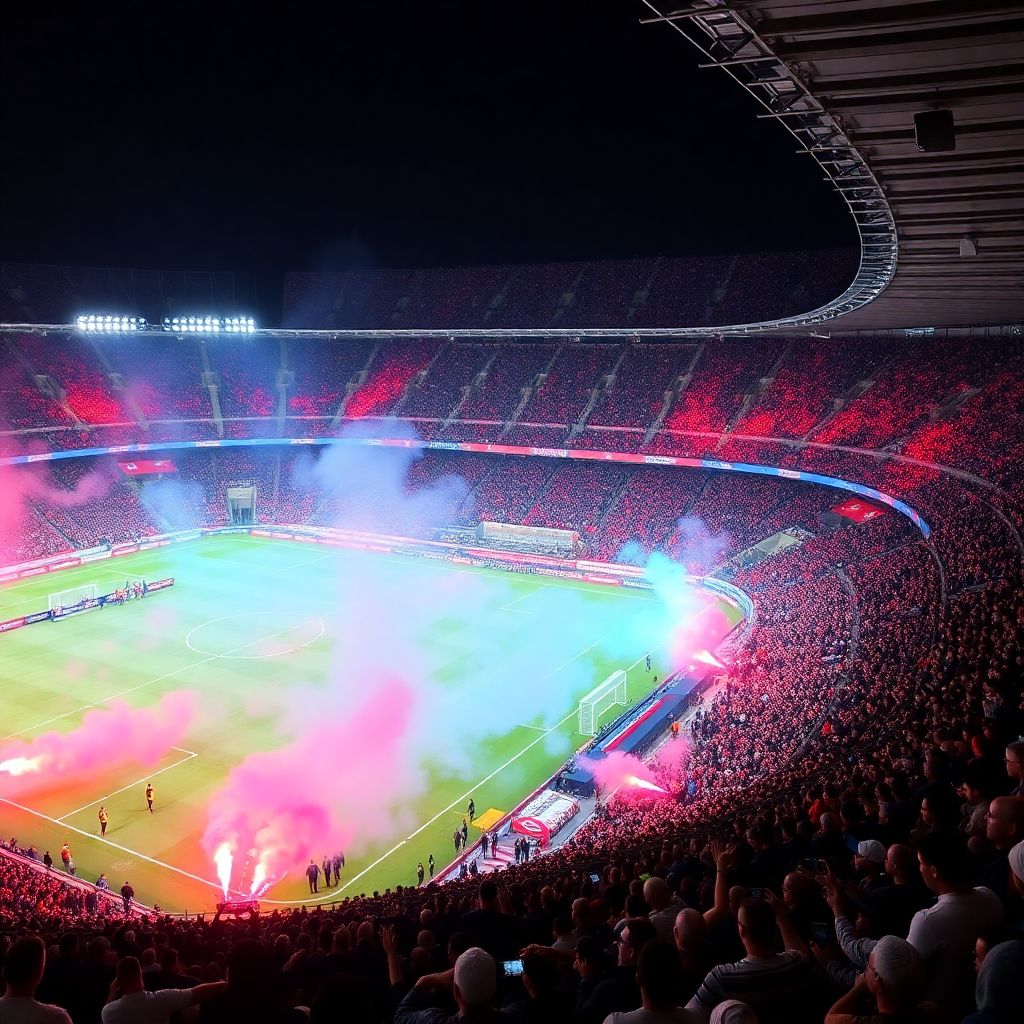
Ultras in Turkey are organized, long-term fan groups that design choreographies, coordinate chants and influence club identity and matchday routines. Around Galatasaray, Fenerbahçe, Beşiktaş and Trabzonspor, ultras shape how stadiums sound, look and feel, affect how players experience pressure and support, and indirectly impact ticketing, security and commercial decisions.
Primary roles of ultras in shaping matchday dynamics
- Coordinating visual and acoustic support that defines the stadium atmosphere throughout the match.
- Creating and sustaining group-based club identity through symbols, narratives and rituals.
- Influencing player motivation and opponent intimidation via noise, timing and intensity.
- Acting as informal partners of clubs for logistics, communications and crowd management.
- Interacting with commercial areas such as merch demand, fan shops and hospitality expectations.
- Shaping risk levels on matchdays, from safe celebrations to potential disorder.
Historical evolution of ultra groups in Turkish football
Ultra groups in Turkey emerged from informal terraces culture in the late 20th century and gradually became structured collectives with names, leaders and clear territories in the stands. Their style drew from Italian and Balkan ultras, but adapted to Turkish language, local rivalries and city-specific identities.
In Istanbul, groups around Galatasaray, Fenerbahçe and Beşiktaş built reputations for intense noise, continuous chanting and large flags. Over time, coordinated displays extended from derbies to regular league games, including matches that attract international visitors who buy turkey football tickets galatasaray fenerbahce besiktas mainly to experience this atmosphere.
Outside Istanbul, Trabzonspor and other Anatolian clubs developed their own ultra cultures, often combining regional pride with political or social messages. Digital platforms then strengthened coordination, fundraising and messaging, allowing ultras to influence narratives far beyond the stadium, including how foreign audiences perceive the Turkish Super Lig.
Historical evolution checklist for practitioners
- Map the main ultra groups for your club: names, locations in the stadium, founding periods.
- Understand which foreign ultra traditions influenced your club and how they were localized.
- Note key turning points: stadium moves, big derbies, disciplinary sanctions or legal changes.
- Track how digital tools (social media, messaging apps) changed ultra coordination over time.
Internal organization, decision-making and networks of ultras
Ultra groups usually operate through layered structures: a core leadership, trusted sub-groups and wider members or sympathizers. Roles might include capo (lead chanter), choreo team, banner designers, logistics organizers and external liaisons for club or police communication.
- Leadership circle: Sets overall line on chants, tifo themes, political positioning and relations with the club. Often small and stable.
- Matchday roles: Capos, drum leaders and megaphone users manage tempo, keep chants synchronized and respond to match events in real time.
- Operational cells: Groups responsible for ticket allocation within the section, transport, storage of materials and distribution of ultras football merch turkey scarves flags shirts on big occasions.
- Finance and fundraising: Voluntary contributions, merch sales and sometimes coordinated campaigns to pay for expensive flags, printed materials and travel.
- External links: Channels to club officials, security coordinators and sometimes other ultra groups nationally or internationally.
- Digital coordination: Encrypted messaging groups, closed social media channels and content teams that shape and broadcast the ultra narrative.
Internal organization checklist for match planners
- Identify key ultras contact persons for choreography, security and communications.
- Clarify which sub-group handles materials, travel and in-block ticket coordination.
- Set clear, documented communication routines before and after high-risk fixtures.
- Monitor digital channels for public calls that may affect logistics or risk.
Choreography, chants and acoustic design as atmosphere tools
Ultras create choreographies (tifos), chants and soundscapes that strongly influence how a match feels. In Turkish stadiums, this includes giant banners, card stunts, coordinated scarf displays and continuous singing. The aim is to produce a unified, intense presence that supports the team and intimidates opponents.
- Entrance and walkout moments: As players enter, ultras often unveil large tifos and orchestrate loud anthems. This is particularly visible at Galatasaray and Fenerbahçe home games, which also drives demand for turkish super lig matchday hospitality packages promising a premium view of the choreography.
- Pressure peaks: During set pieces or when chasing a goal, capos switch chants to faster, more aggressive rhythms to increase perceived pressure on the pitch.
- Game management: Ultras can intentionally lower volume to protest a decision or raise it when players show effort, shaping stadium feedback loops.
- Ritual songs and anthems: Club-specific songs at fixed minutes, such as after goals or near full-time, embed emotional cues into the match script.
- Visual rhythm: Scarves, flags and coordinated movements are timed to songs, creating a visual echo of the sound that is often highlighted on football stadium tours istanbul galatasaray fenerbahce as a key attraction.
Atmosphere design checklist for clubs and security teams
- Agree in advance which sections host large tifos and how materials enter the stadium.
- Check fire safety and visibility impact of flags, banners and large surfaces.
- Coordinate timing cues (walkout, anthems, light shows) with ultra leaders.
- Assess how sound and visual intensity will affect players, officials and visiting fans.
Identity formation: symbols, rituals and fan narratives
Ultras construct and reinforce club identity through symbols (colors, logos, slogans), rituals (pre-match marches, specific chants) and stories about the club, city and perceived enemies. These practices influence how both local and international fans understand what it means to support a Turkish club.
Merchandise and visual culture are central tools. Scarves, shirts and flags displayed or sold around stadiums and via official galatasaray fenerbahce besiktas fan shop online platforms often echo ultra-style designs, reinforcing their narratives. New fans, especially visitors attending a first match, quickly learn norms by copying ultras in the main home stand.
Identity-building strengths from ultras
- Strong sense of belonging for core supporters and younger fans.
- Clear visual identity that carries over to media coverage and global perception.
- Shared rituals that create predictable, repeatable matchday structures.
- Storytelling that connects club history with current players and results.
Identity-related limitations and risks
- Narratives can become exclusionary toward casual fans or families seeking a calmer experience.
- Hardline positions may limit clubs' flexibility on ticketing, branding or sponsorship.
- Rivalry-based identities can escalate into hostility, especially around derbies.
- Symbols and chants may occasionally cross legal or ethical boundaries if not monitored.
Identity management checklist for communication staff
- Map which symbols and slogans originate from ultras and how they are perceived.
- Align official club messaging with the positive parts of ultra narratives.
- Provide alternative, family-friendly rituals in other stands without attacking ultras.
- Act early when a symbol or chant risks legal or reputational damage.
Economic ties and logistical cooperation between clubs and ultras
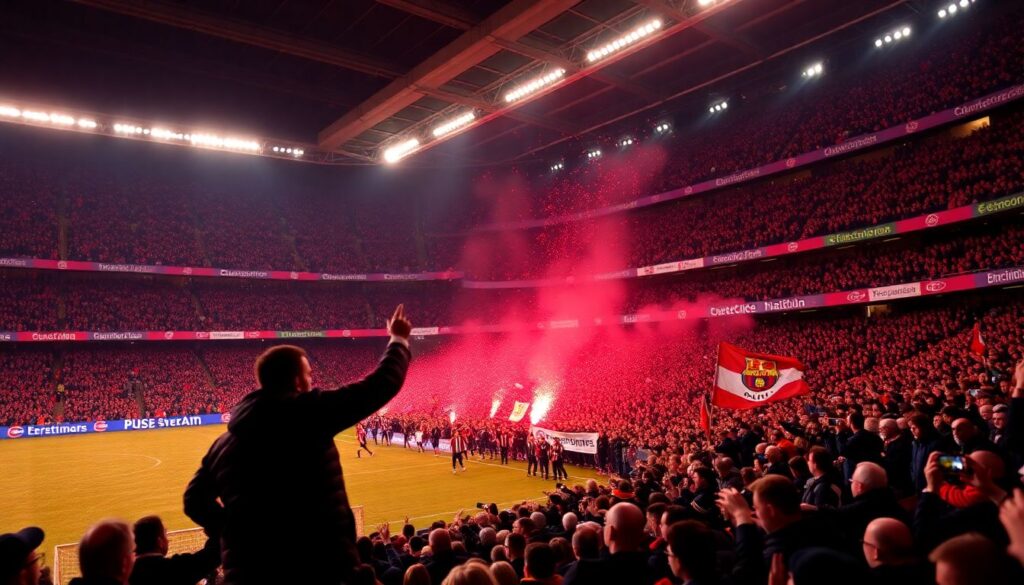
Economic and logistical links between clubs and ultras are often informal but significant. Clubs may facilitate early access to tickets in specific blocks, transport for away games or storage space for materials; in return, ultras contribute to atmosphere that supports team performance and broadcast value.
Merchandising is another connection point. Ultra aesthetics can drive demand for scarves, shirts and flags, affecting the assortments in official galatasaray fenerbahce besiktas fan shop online stores and in stadium kiosks. However, unlicensed or semi-official merch can create tension if clubs feel their trademarks are being used without control.
Mistakes often arise from unclear expectations, sudden policy changes or treating all ultra groups as a single actor. Miscommunication over allocations, access rules or sponsorship visibility on banners can quickly escalate, affecting matchday mood and public relations.
Frequent misconceptions about club-ultra relations
- Assuming all ultras are financially dependent on the club; many rely mainly on internal fundraising.
- Believing that "no contact" removes responsibility; lack of structured dialogue usually increases risk.
- Expecting ultras to promote sponsors unconditionally; credibility matters for them with their base.
- Equating occasional logistical support (e.g., buses) with full control over ultra decisions.
Economic and logistics checklist for club managers
- Document what the club provides (tickets, storage, transport) and what it expects in return.
- Separate commercial negotiations (sponsors, branding) from safety-related communication.
- Monitor how ultra-style designs influence official merch and pricing strategies.
- Align ticketing policies with realistic understanding of ultra demand in key sections.
Governance, policing and practical approaches to matchday risk
Governance around ultras in Turkey involves clubs, security companies, police and football authorities. Effective practice balances support for legal, coordinated atmosphere with firm boundaries against violence, pyrotechnics in prohibited zones or discriminatory expressions.
For high-risk derbies, planning often follows a structured routine that can be thought of as simple pseudocode: if fixture is high risk, then extend buffer zones, increase pre-match communication with ultras, adjust turnstile opening times and deploy more experienced stewards around ultra blocks.
Matchday hospitality and tourism also intersect with risk management. When marketing turkish super lig matchday hospitality packages or designing mixed-group stadium tours, organizers must understand ultra dynamics to avoid accidental placement of neutral or away visitors in the most intense home sections, where behavior expectations differ sharply.
Governance and risk checklist for safety coordinators
- Run joint briefings with police, stewards and ultra representatives before derbies.
- Use clear, published stadium rules with consistent enforcement in ultra and non-ultra areas.
- Plan ingress and egress routes that minimize friction between rival groups.
- Integrate ultra behavior patterns into risk assessments, not just past incident data.
Matchday planning self-check for working with ultras
- Have you identified and engaged the relevant ultra leaders for the upcoming match?
- Is choreography, sound and merch impact integrated into your stadium operations plan?
- Are communication lines clear among club, ultras, security and police for this fixture?
- Do ticketing and hospitality offers reflect real ultra dynamics in each stand?
- Is there a post-match review process that includes ultra feedback and incident analysis?
Practical questions about ultras' impact on club identity and matchdays
How do ultras affect the experience of a first-time visitor to a Turkish match?
Ultras set the volume, visual intensity and behavioral norms in key stands. First-time visitors often copy their chants and rituals, which can be exciting but overwhelming. Choosing seating outside ultra blocks usually offers a more controlled introduction.
What should foreign fans know before sitting in an ultra section?
Expect continuous standing, loud singing and strict group norms. Neutral behavior, filming ultras constantly or wearing rival colors can be frowned upon. It is safer to go with a local who understands the group's expectations.
Can clubs successfully promote family-friendly areas without conflict with ultras?
Yes, if communicated as an additional option rather than a replacement. Clear spatial separation, tailored pricing and honest dialogue with ultras help keep high-intensity and family sections compatible within the same stadium.
Do ultras control ticket prices or access in their sections?
Clubs and official ticketing systems set base prices, but ultras can influence who actually occupies certain blocks through informal networks. Understanding these patterns is important when planning allocations for derbies and high-demand games.
How do ultras interact with official merchandising and fan shops?
Ultras both inspire and compete with official merch. Their designs can increase demand for certain colors and styles, while unofficial products may bypass club revenue. Coordinated capsule collections can align both sides when handled transparently.
Are ultra groups always linked to political positions?
Not always. Some are explicitly political, others focus mainly on football. However, slogans and banners can easily be read politically, so clubs and authorities monitor content regardless of stated positions.
What role do ultras play in away matches?
They often organize travel, lead chants and act as informal coordinators of the away end. Their behavior strongly shapes how host clubs and local authorities perceive the visiting club's risk profile.