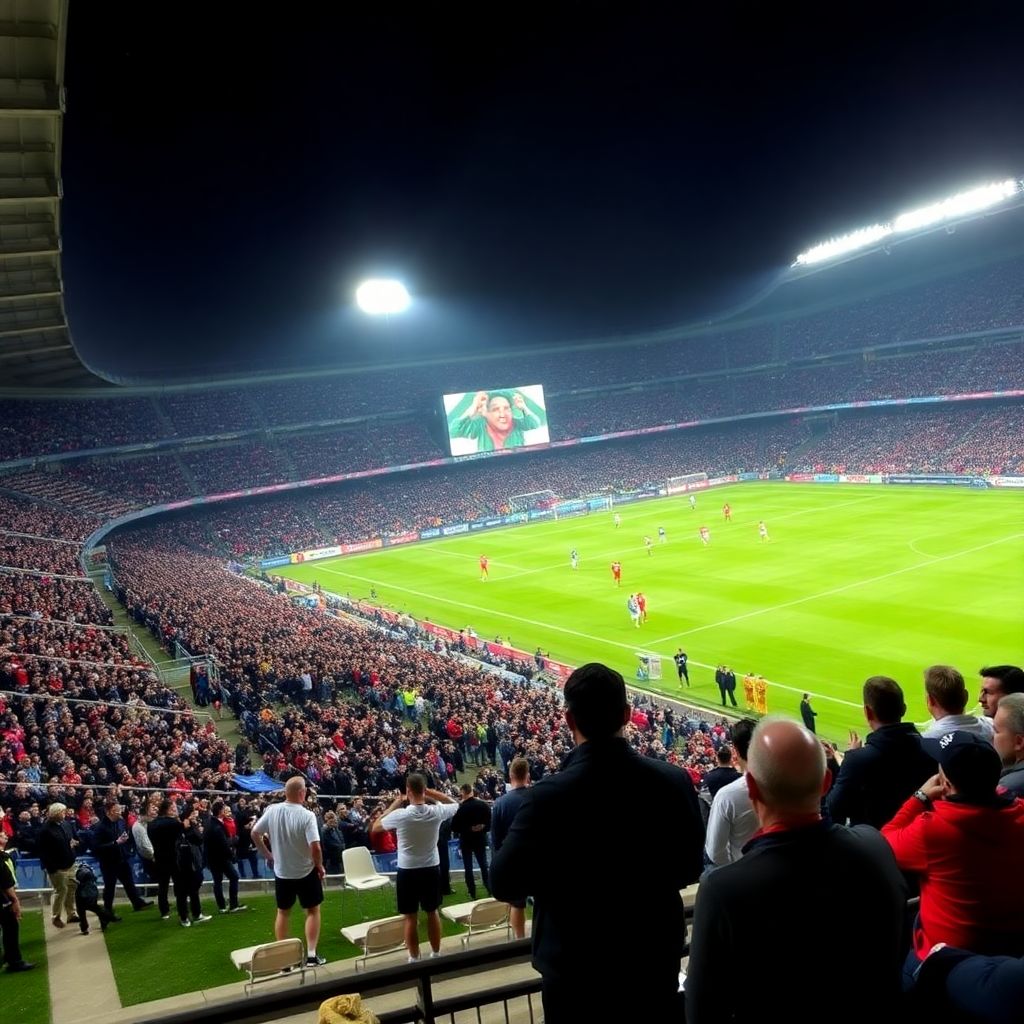
Turkish Süper Lig intensity is generally below the very top European leagues over 90 minutes, but the gap is smaller than many assume and varies by club, game state and weather. For coaches, it is a useful “step league”; for scouts, a context-sensitive filter; for analysts, a rich, but noisy, comparison sample.
Core comparative findings and what they mean
- The baseline tempo in the Süper Lig is usually lower than in the English Premier League, but peak transition phases can be comparable in short bursts.
- Pressing is less synchronised on average, yet some Turkish clubs now reach European top‑five standards in specific tactical phases.
- Climate and scheduling reduce running intensity in mid‑season daytime fixtures, especially in certain regions, affecting comparability with northern European data.
- Physical profiles of players coming from Turkey often translate well to mid‑table sides in top leagues, provided pressing habits are retrained.
- Raw Turkish Super Lig statistics compared to European top leagues can mislead unless you control for game state, opponent quality and positional role.
- For player trading, Süper Lig data is most reliable for ball-playing roles and least reliable for extreme high-press forwards.
Methodology: how we measure and normalise match intensity
Before using any Turkish Super Lig vs Premier League intensity comparison, define intensity in a way that is stable across contexts. The criteria below give a practical, re‑usable framework for coaches, scouts and data analysts in Turkey and across Europe.
- Event and tracking alignment: Combine on‑ball events (pressures, duels, passes) with off‑ball tracking (runs, accelerations) instead of relying on either in isolation.
- Speed bands standardisation: Use common velocity bands for walking, jogging, running, high‑speed running and sprinting, so Süper Lig providers match European benchmarks.
- Game state segmentation: Break matches into phases by scoreline (leading, drawing, trailing) to avoid confusing tactical conservatism with low physical capacity.
- Possession‑adjusted metrics: Express pressing and running per defensive minute or per opposition possession to compare high‑possession top clubs with more reactive Turkish sides.
- Minute‑by‑minute load profile: Analyse intensity per 15‑minute segment; climates and tempo management in Turkey often create strong first‑half versus second‑half contrasts.
- Role and zone normalisation: Compare players within similar positions and pitch zones rather than league‑wide averages, especially for full‑backs and wingers.
- Environmental tagging: Tag matches by kick‑off time, temperature band and pitch quality to interpret Süper Lig numbers against northern European winter fixtures.
- Competition‑level filters: Separate domestic, European and cup matches; Turkish clubs often show their maximum intensity against continental opponents.
Physical metrics: sprints, high-speed distance and explosive actions
The table below groups typical intensity profiles you will see when comparing the Süper Lig with top European competitions. Use it to decide which profile fits your squad or target player, depending on persona: coach, scout or data analyst.
| Variant | Who it suits | Pros | Cons | When to choose |
|---|---|---|---|---|
| Premier League high‑tempo benchmark | Coaches preparing players for England; scouts evaluating step‑up potential; analysts building worst‑case load scenarios. | Represents maximum sustained tempo; strong stress‑test for sprint repeatability and high‑speed running capacity. | Not every team in England plays at this level; risks undervaluing more controlled Süper Lig profiles. | Choose when modelling whether a Süper Lig player can handle extreme intensity or when running a Turkish Super Lig vs Premier League intensity comparison. |
| Balanced Süper Lig domestic profile | Turkish coaches planning weekly loads; local scouts and recruitment heads; analysts supporting clubs with limited tracking access. | Reflects typical Turkish match rhythm, including climate and pitch effects; good for realistic load planning and rotation. | Underestimates maximum capacity of players who raise intensity in European fixtures; includes large club‑to‑club variance. | Choose when designing conditioning for domestic survival, or when estimating baseline demands before Europa Conference or Champions League qualifiers. |
| Top Süper Lig club in European competitions | Sporting directors assessing export value; scouts comparing with Serie A, La Liga or Bundesliga; performance staff planning continental away games. | Shows how Turkish players adapt to European top‑five pace; more comparable to other elite leagues than domestic‑only data. | Small sample sizes; opponent style heavily influences running metrics and explosive actions. | Choose when benchmarking a player for a move abroad or checking whether a team can sustain intensity every three days. |
| Pressing‑dominant European top‑five model | Analysts designing high‑press game models; scouts targeting pressing forwards and attacking eights; coaches shifting towards proactive styles. | Highlights repeated accelerations and high‑intensity efforts; useful for role‑specific thresholds rather than league‑wide averages. | Can over‑penalise players from more compact Süper Lig blocks who are tactically instructed to hold shape. | Choose when your game model is built on counter‑pressing and you want to test Süper Lig targets against that standard. |
| Conservative, low‑block Süper Lig profile | Relegation‑threatened coaches; scouts searching for defenders comfortable in deep blocks; betting and risk analysts modelling slow‑tempo games. | Clarifies the lower bounds of intensity; useful for projecting match tempo and fatigue risk in specific Turkish fixtures. | Not transferable to top European environments; may mask underlying athletic capacity of individuals. | Choose when building game plans or betting tips for Turkish Super Lig vs European league matches where one team will clearly sit deep. |
For deeper comparisons, many clubs use at least one football analytics service comparing Turkish Super Lig and top European leagues. Align your internal tracking output with that service’s definitions before drawing hard conclusions from physical metrics.
Tactical drivers of intensity: pressing, transitions and ball circulation
Intensity is not only about running volume. Tactical choices in Turkey and in Europe’s big leagues shape whether those metres are explosive or passive. Use the following scenario rules to guide your interpretation.
- If your team defends in a compact mid‑block, then do not expect Premier League‑level sprint counts; instead, track short accelerations to close passing lanes and compare them role‑by‑role across leagues.
- If your Süper Lig side plays fast vertical transitions, then transition sprints and forward runs after regain become more important than overall high‑speed distance when benchmarking against Bundesliga or La Liga teams.
- If you build slowly from the back under pressure, then pressing intensity of the opponent will dominate the data; distinguish between your imposed tempo and the rival’s defensive aggression.
- If you switch from man‑oriented pressing to zonal schemes, then expect a drop in chaotic high‑speed actions but a rise in controlled shifts; analysts should mark that tactical change before comparing across seasons or leagues.
- If your full‑backs and wingers are asked to stay wide and high, then even in the Süper Lig you may see wide‑area intensity close to European top‑five averages, while central players show a lower load.
- If your club often faces big‑name European opponents, then accept that your intensity numbers will be opponent‑driven and compare only those games to similar “underdog” matches in other leagues.
Competition context: scheduling, travel and climatic effects on load
Scheduling, travel and climate create structural differences between the Süper Lig and other competitions. Use this short decision algorithm when designing training or comparing intensity data.
- Start by identifying the competition block: domestic league, European group, or knockout phase; intensity expectations differ across all three.
- Map the travel pattern and recovery window; long domestic trips within Turkey and quick turnarounds reduce peak intensity compared with single‑city top‑five leagues.
- Tag each match by kick‑off time and season; hot early‑season fixtures typically produce more measured running loads than cool evening European games.
- Compare pitch condition and stadium type; heavier or uneven surfaces in some Süper Lig venues dampen high‑speed running relative to modern Premier League or Bundesliga pitches.
- Classify the opponent style and league strength; facing a stronger pressing side in Europe can artificially inflate your tracked intensity.
- Adjust your rotation and substitution plan to match these constraints, especially for ageing players or new signings arriving from more condensed European calendars.
- Finally, normalise all metrics per effective minute played before using them in cross‑league models or in‑season trend analysis.
Head-to-head statistics: Süper Lig versus Europe’s top divisions
When using Turkish Super Lig statistics compared to European top leagues, coaches, scouts and analysts repeatedly fall into similar traps. Avoid the mistakes below to keep your comparisons actionable.
- Assuming that league average intensity automatically describes your specific club, even though tactical styles in the Süper Lig are extremely diverse.
- Comparing total distance or sprints per game without factoring in possession share and scoreline, which often differ between Turkish and top‑five league teams.
- Ignoring that certain Turkish clubs raise their intensity significantly in European competition, making domestic‑only numbers a poor guide for export potential.
- Using unverified public data or broadcast graphics as if they were directly comparable to internal tracking from European clubs.
- Over‑weighting single high‑profile matches in Europe, positive or negative, instead of looking at larger, role‑consistent samples.
- Failing to adjust for substitution patterns; some Süper Lig coaches change attackers earlier, which dilutes per‑game figures if you do not use per‑90 or per‑minute metrics.
- Neglecting environmental context, particularly early‑season heat or difficult pitches, when contrasting Süper Lig running data with winter fixtures in northern Europe.
- Assuming that a player coming from a lower‑intensity league cannot adapt upwards, rather than checking how their peak outputs compare with top‑league benchmarks.
Applications: scouting, coaching and transfer decision-making
For coaches in Turkey, the Süper Lig is best for building adaptable squads that can spike intensity in key phases without sustaining top‑five‑league tempo every week. For scouts, it is best as a filter for technically strong players whose peaks match European demands. For data analysts, it is best used as a context‑rich comparison set with rigorous normalisation rather than headline statistics alone.
Practical questions coaches, scouts and analysts typically ask
How close is Süper Lig intensity to the Premier League in practice?
Over full matches, the Süper Lig generally runs below Premier League intensity, but certain clubs and fixtures reach comparable peaks in short spells. The key is to compare by role, game state and competition; in European nights, some Turkish teams approach top‑five benchmarks.
What is the main adjustment for a Süper Lig player moving to a top European league?
The main shift is sustaining higher intensity for longer, especially in pressing and repeated sprints. Many players have the raw capacity, but need adaptation in tactical habits, recovery routines and weekly load management rather than a complete physical rebuild.
Which data should I trust most when comparing leagues?
Prefer tracking or GPS data that uses standard speed bands and is clearly documented. Combine it with event data such as pressures, duels and recoveries. Avoid drawing strong conclusions from single‑source public dashboards without knowing their definitions.
Is there a reliable way to watch both Turkish and European games for analysis?
Choose the best site to watch Turkish Super Lig and European leagues live that offers multi‑angle replays, pause and rewind, and stable archives. For professional work, pair that video source with a dedicated analytics platform rather than relying on broadcast graphics.
How should I integrate Süper Lig data into my club’s recruitment model?
First, normalise physical and tactical metrics by role, possession and game state. Then compare Süper Lig players to similar roles in your target league using percentile or banded thresholds, and validate with video before committing to major transfer decisions.
Can betting models safely mix Süper Lig and other European data?
Yes, but only with clear league and context flags. For betting tips for Turkish Super Lig vs European league matches, handle intensity‑driven variables carefully, adjusting for travel, climate, and style mismatches so your model does not overfit one competition.
Which services best compare Süper Lig with Europe’s top leagues?

Look for a football analytics service comparing Turkish Super Lig and top European leagues with consistent definitions across competitions. Prioritise platforms that let you segment by competition, opponent strength and minute bands rather than only offering season averages.