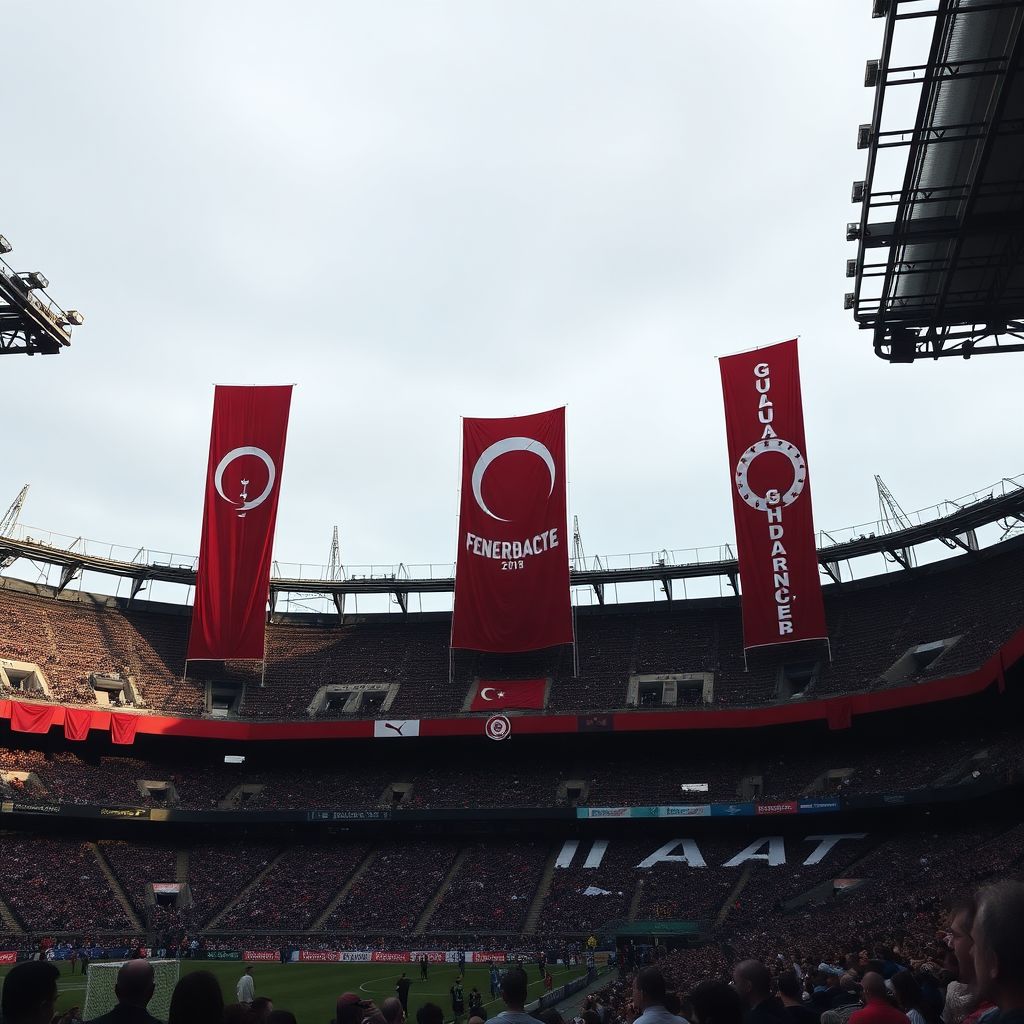
Turkish football giants rose through strong community roots, youth development and early professionalization, then declined through debt, political interference and weak governance. Studying clubs like Galatasaray, Fenerbahçe, Beşiktaş and others shows patterns: rapid growth, over-leveraged spending, short-term political wins, then crisis. Modern Süper Lig teams can avoid repeating this cycle with disciplined structures.
Myths vs reality: common misconceptions about Süper Lig giants
- Myth: Big clubs are too big to fail. Reality: Even historic Süper Lig giants can slide into mid-table, administration or worse when cash flow, governance and local politics go wrong.
- Myth: Passionate fans and full stadiums guarantee financial health. Reality: Sold-out derbies and record demand to buy Galatasaray Fenerbahce Besiktas tickets online do not offset uncontrolled wage bills and bad contracts.
- Myth: TV money solves everything. Reality: Turkish Super Lig TV rights and live streaming packages can become a dangerous addiction if clubs plan budgets as if broadcast income will always rise.
- Myth: Historic clubs are automatically global brands. Reality: Museums, football tours Istanbul visit historic turkish clubs and retro merchandise help, but only if brand strategy links clearly to sustainable revenue streams.
- Myth: Retro and lifestyle products are easy money. Reality: Selling turkish football shirts classic super lig clubs or launching retro turkish super lig kits for sale creates value only with proper licensing, stock control and marketing.
- Myth: Political protection guarantees trophies. Reality: Patronage can bring short bursts of success but often leaves rigid structures, fragile finances and angry supporters once results decline.
Foundations and meteoric rises: how historic clubs conquered Turkey
The first Turkish football giants emerged as identity projects as much as sports organizations. They were founded by urban elites, students and local leaders who wanted to represent Istanbul or major cities on the pitch, but also in culture, modernity and national pride. The Süper Lig later became the main stage for this rivalry.
A persistent myth is that these clubs were destined to dominate because of size alone. In reality, their rise depended on specific advantages: central locations, access to educated players, early adoption of modern training and governance models, and strong links to schools or the military. These factors created foundations that provincial rivals could not easily copy.
Galatasaray, Fenerbahçe and Beşiktaş built their early strength on organized membership, member-owned structures, and ties to influential schools or neighborhoods. These memberships provided legitimacy and volunteer labor, while early professionalization brought better coaching and training fields. Over time, media attention clustered around them, reinforcing their status as “the big three.”
As the national league formed and grew, their historic head start turned into compound advantage. They attracted the best local talent, enjoyed more coverage, and filled larger stadiums. Yet the same member-democracy that legitimized them also planted seeds of future instability: short presidential cycles, politics around elections and pressure for immediate success.
The golden years: tactics, talent pipelines and institutional strengths
An often-repeated myth is that Turkish clubs dominated purely through imported stars. Evidence from their golden years shows the opposite: institutional strengths and tactical continuity mattered more than headline transfers.
- Coherent tactical identity: The most successful eras came when a club stuck to a clear playing philosophy for several seasons instead of changing systems with every coach. Stable tactics made recruitment, youth development and scouting more efficient.
- Structured youth academies: Elite schools, military academies and dedicated training centers created talent pipelines. Clubs that integrated academy graduates into first teams reduced transfer spending and built teams with strong club culture.
- Long-term coaches or technical directors: Periods with long-serving coaches or sporting directors aligned squad planning, fitness and tactical evolution. Constant coaching changes usually coincided with chaotic recruitment and underperforming squads.
- Data-lite but systematic scouting: Even before modern analytics, the most organized clubs created informal scouting networks across Anatolia and the Balkans, tracking players systematically instead of relying only on agents’ recommendations.
- Balanced wage structures: In their best years, Turkish football giants kept relatively rational wage hierarchies. Senior leaders earned more, but not so much that they destabilized dressing rooms or forced constant renegotiations.
- Institutional memory: Administrators, medical staff and youth coaches often stayed many years, preserving know-how through different boards and presidents. This “deep club memory” softened the impact of political change at the top.
- Community anchoring: Social clubs, neighborhood activities and fan associations made stadium attendance a habit over generations, creating predictable matchday revenue even before modern marketing.
When wealth turns toxic: financial mismanagement and collapse
A dangerous myth holds that once TV money and sponsors arrive, failure becomes impossible. In practice, wealth often accelerated decline. Turkish clubs repeatedly treated temporary income spikes as permanent, then locked in unsustainable costs.
- Over-leveraged transfer booms: Boards took loans against future income to buy stars, assuming constant qualification for Europe. When sporting results dipped, they could not service debts, triggering fire sales of players and loss of competitiveness.
- Short-term political spending: Presidential candidates promised big-name transfers to win elections instead of investing in academies or infrastructure. This produced expensive, aging squads with little resale value.
- Foreign currency exposure: Wages and transfers in foreign currencies, combined with income mostly in lira, made clubs vulnerable to currency swings. Devaluations turned manageable debts into structural crises.
- Stadium and facility projects without realistic cash-flow models: New stadiums were celebrated as symbols of modernity, but some clubs underestimated operating costs, matchday demand and maintenance, leading to hidden annual losses.
- Opaque sponsorship and third-party arrangements: Complex deals with agents and intermediaries added commissions and side-payments that did not appear clearly on balance sheets, masking the true cost of squads.
- Delayed tax and social security payments: To buy time, some boards delayed obligatory payments. This postponed the visible crisis but intensified the eventual shock when authorities enforced obligations.
Politics, patronage and governance: off-pitch forces that shaped outcomes
Many fans believe that political backing guarantees endless trophies. The reality is subtler: politics can deliver stadiums, sponsors and favorable decisions, but it often damages long-term governance by prioritizing loyalty over competence.
Advantages created by political ties and patronage
- Access to public land and infrastructure: Politically connected clubs sometimes received favorable stadium deals, land grants or tax restructuring that stabilized finances in the short term.
- Easier sponsorship introductions: Elite networks opened doors to state-linked companies and large private sponsors who might not otherwise invest.
- Regulatory flexibility: Delays in enforcement of financial rules, or flexible interpretation of regulations, occasionally gave breathing space during restructuring periods.
- Media visibility and narrative control: Friendly media outlets highlighted successes and defended club leadership, reducing pressure during downturns.
Structural limitations and risks of politicized governance
- Board appointments based on loyalty: When directors are chosen for connections rather than skills, financial control and risk management weaken quickly.
- Election cycles overshadow strategy: Short presidential terms encourage visible, vote-winning moves instead of boring but vital reforms like accounting upgrades or academy investment.
- Dependence on a single patron: Clubs become vulnerable when one businessperson or political figure provides key funding. If their fortune or position changes, the club faces a sudden vacuum.
- Reduced transparency: Politicized environments often resist independent audits and clear reporting, which hides problems until they are severe.
- Polarized supporter base: When a club is closely identified with a political camp, it risks alienating parts of its own fanbase and neutral sponsors.
Supporters, media and branding: commercialization’s double edge
It is tempting to believe that commercialization automatically modernizes a club. In practice, branding can either stabilize finances or accelerate crisis, depending on execution and honesty.
- Overpromising the brand story: Selling romantic images of eternal dominance while under-investing on the pitch leads to disillusioned fans and weak season-ticket renewals. Reality-based branding that accepts ups and downs is more resilient.
- Ignoring core matchday experience: Clubs invest in flashy campaigns and celebrity ambassadors while neglecting basics: safe stands, clean facilities and fair ticketing. Fans notice this gap, regardless of how many turkish football shirts classic super lig clubs are in the club shop.
- Fragmented digital strategy: Multiple unofficial apps, sites and ticketing partners confuse supporters trying to buy Galatasaray Fenerbahce Besiktas tickets online or smaller-club equivalents, pushing them toward resellers and fraud.
- Weak monetization of history and tourism: Istanbul’s status as a global city means football tours Istanbul visit historic turkish clubs all year. When clubs fail to coordinate museums, stadium tours, merchandising and hospitality, they waste a relatively low-risk revenue stream.
- Unplanned merchandise expansion: Launching new lines, including retro turkish super lig kits for sale, without stock planning or fan research leads to unsold inventory and discounting that damages brand value.
- One-sided dependence on TV: Over-reliance on Turkish Super Lig TV rights and live streaming packages discourages clubs from building direct-to-fan digital products, memberships and international content.
Recovery, extinction or reinvention: practical lessons for modern clubs
The harsh myth is that historic status alone guarantees survival. In reality, some clubs disappear, some stagnate in lower leagues, and others reinvent themselves through transparent governance, realistic planning and fan-inclusive reforms.
Consider a mid-sized historic club facing relegation, heavy debt and half-empty stands. Its board decides to treat the crisis as a reset moment. They shift focus from last-minute transfers to structural repair: governance, analytics, academy integration and honest communication with supporters.
The club first introduces transparent financial reporting, publishing simplified accounts so ordinary fans can see debt levels and wage commitments. Next, they cap first-team wages as a percentage of revenues and prioritize signing players with resale potential. At the same time, they invest modest but steady resources into the academy and sports science, aiming to produce and protect assets rather than gamble on aging stars.
Brand-wise, they reposition themselves as a “community-first” club: cheaper season tickets for young fans, organized school partnerships, and better stadium access. Instead of promising instant trophies, they offer a narrative of responsible rebuilding. Tourism opportunities are integrated properly: museum upgrades, coordinated tours, and properly licensed turkish football shirts classic super lig clubs-style merchandise.
A short algorithm to check if your club is really improving
Supporters and administrators can use a simple step-by-step check once per season to verify whether reforms are working instead of trusting slogans.
- Collect basic numbers: Note total club revenue, total wage bill, total debt and average home attendance for the last two completed seasons.
- Calculate key ratios: Compute wage bill as a percentage of revenue and debt as a multiple of annual revenue for each season.
- Compare trends: Check if wage/revenue % is falling or at least stable, and whether debt/revenue is decreasing. If both are rising, the club is structurally riskier despite any short-term success.
- Review squad structure: Count how many players are academy graduates or signed before age 23 and how many players are over 30 on long contracts. A healthy trend shows more young or sellable assets and fewer long, expensive deals for veterans.
- Assess governance signals: Confirm if audited financial reports are published on time and whether key decisions are explained publicly after board meetings or congresses.
- Evaluate non-broadcast income: Track matchday, merchandising and tourism income separately from TV money. A growing share from these sources means less dependence on external contracts.
- Cross-check with sporting results: Judge league position and performance in context: modest improvement with healthier finances is more sustainable than a one-off top finish built on rising debt.
In pseudocode-like form, the seasonal check can be summarized as:
if (wage_to_revenue <= last_year &&
    debt_to_revenue <= last_year &&
    young_or_academy_players increasing &&
    audited_reports == true &&
    non_tv_income_share >= last_year) {
    status = "rebuilding on solid ground";
} else {
    status = "short-termism or rising risk";
}
This concise algorithm gives fans and administrators a reality check beyond transfer headlines and marketing slogans, helping them see whether their historic Süper Lig club is on a path of recovery, extinction or genuine reinvention.
Recurring dilemmas fans and administrators still debate
Should Turkish giants prioritize league titles or financial stability?

Clubs that choose titles at any cost usually enjoy short spikes of success followed by longer periods of crisis. Sustainable strategies aim for competitive squads while locking in strict financial controls, accepting that some seasons will be transitional.
Is member-owned governance still viable in modern football?
Member-owned models can work if they include professional management, independent audits and longer-term planning. They fail when elections become popularity contests focused on immediate transfers rather than institutional health.
Can provincial clubs realistically break the dominance of historic Istanbul teams?
Yes, but usually through smart recruitment, strong academies and consistent coaching rather than spending wars. Stable regional clubs that manage costs and build local identity can outperform bigger brands over multi-year cycles.
Do foreign owners automatically modernize a club?
Foreign ownership brings capital and new practices, but outcomes depend on governance rules, transparency and local integration. Without clear accountability, new money can repeat the same mistakes as traditional boards.
How important are academies compared with buying ready-made stars?
Academies reduce costs, create assets the club can later sell, and build a unique playing identity. Buying established stars should complement, not replace, youth development, especially in financially constrained leagues.
Are ultra groups helping or hurting Turkish clubs?
Ultra groups help by creating atmosphere and defending club identity, but can hurt when they demand unrealistic spending or engage in violence. Constructive dialogue and clear codes of conduct are essential.
Can tourism and international branding replace local matchday income?
Tourism, global merchandising and digital audiences are valuable additions but cannot fully replace committed local support. The strongest clubs combine deep local roots with well-managed international expansion.