
The weight behind the Turkish National Team jersey
Wearing the Turkish National Team jersey looks glamorous on TV, but inside the tunnel it can feel like carrying a whole country on your shoulders. You’re not just a footballer anymore: you’re a symbol of pride, politics, history and family expectations. That mix can trigger shaky legs, racing thoughts and overly cautious decisions on the pitch. Before you even think about how to play, you need to admit: “Yes, this is heavy.” Denying the pressure doesn’t make it disappear; it just pushes it into your body as tension, cramps and rushed choices in key moments. Naming the pressure is the first practical step to managing it like a pro, not pretending it’s “no big deal.”
Step 1: Redefine what the jersey really means
If you grew up dreaming of the turkey national team jersey, you probably attached it to perfection: no mistakes, no fear, no weakness. That image is dangerous. Practically, you need a different definition: the jersey means commitment, not flawlessness. When you replay this message before games—“My job is to compete fully, not to be a superhero”—your nervous system calms down. Talk with older internationals about their worst matches; hearing their honest stories helps break the myth that “real” national players never choke. The more human you allow the jersey to be, the easier it becomes to take brave decisions on the pitch instead of hiding from the ball.
Common beginner mistake: trying to impress everyone at once
New players often step out thinking they must impress coaches, fans, media, family and scouts in every touch. That mindset leads to forcing risky dribbles, Hollywood passes and shots from impossible angles. The practical fix is to narrow your focus. Before kick‑off, choose one or two controllable tasks: “Press aggressively in my zone” or “Offer a simple passing option every attack.” Write them down in your notebook or phone during camp. Between halves, quickly re-check: “Have I done my tasks?” This turns the game into something you can actually manage, rather than an endless exam where every action decides your future.
Step 2: Build a pre‑game mental routine
Pressure hits hardest in the hour before kick‑off. That’s where a clear routine saves you. Think of it like your mental warm‑up. Start 60 minutes before the game: same snacks, same playlist length, same stretching sequence. Then add a short mental script—three or four sentences you repeat: “I’ve done the work. I’ll play simple and aggressive. One action at a time.” Pair that with a breathing pattern: inhale for 4, hold for 2, exhale for 6, repeat for two minutes. You’re teaching your body that this sequence = “I’m safe and ready.” Over time, your brain links the turkey national team jersey not only with pressure, but also with this calming routine.
What a sports psychologist can really do for you

Many players think seeing a sports psychologist for athletes performance anxiety means they’re weak or broken. In reality, it’s like hiring a specialist coach for your brain. Sessions can look very practical: rehearsing penalty routines under stress, learning how to reset after a mistake, or planning how to deal with social media before and after matches. If you can’t access one directly, look for online sessions or ask your club’s medical staff for recommendations. The goal isn’t to talk endlessly about feelings; it’s to build specific tools you can use in the 89th minute, when your legs feel heavy and your mind wants to disappear.
Step 3: Train with “national‑team level” pressure in club life
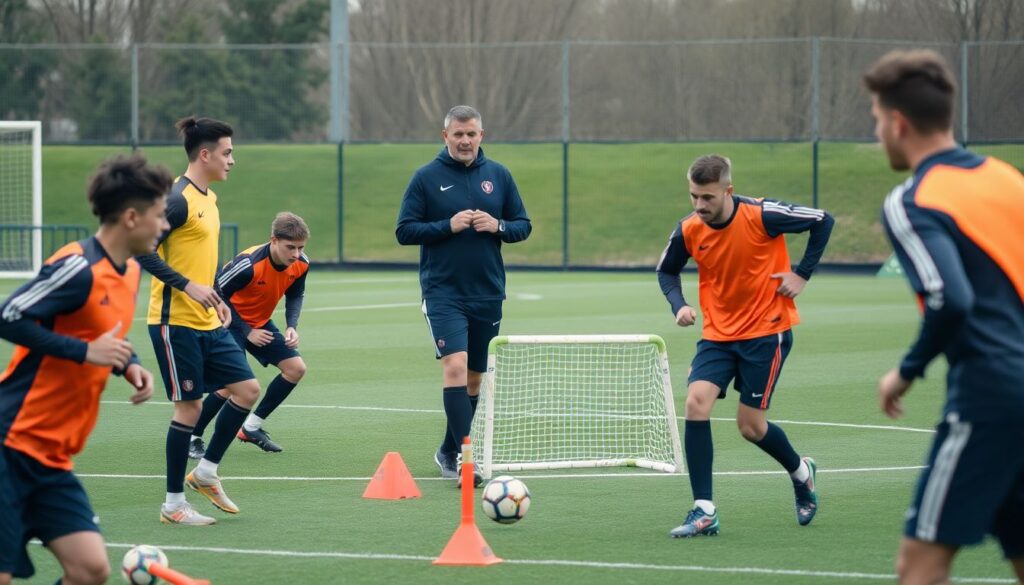
You don’t suddenly become mentally strong when you get the call‑up. You build it during boring weekday sessions. Ask your club coaches to create pressure drills: losers doing extra running, small‑sided games with time limits, penalties after sprints. Add mini‑consequences that matter to you—winner chooses music in the dressing room, loser cleans the bibs. The point is to make your nervous system used to playing when something is at stake. When you finally walk out in front of a full stadium, your body recognises the pattern: “I know this feeling; I’ve handled it before,” instead of panicking at the new intensity and freezing in big moments.
Mental coaching isn’t just for superstars
There’s a myth that mental coaching for professional football players is only for big names with sponsors and media obligations. In reality, young squad members and fringe players often need it even more because their margin for error is tiny. You can start simple: create a short self‑reflection after each training—three bullet points: what I did well, what to improve, what I’ll try tomorrow. Combine that with visualisation: spend five minutes imagining yourself entering a stadium in the national kit, feeling nervous but still making clean first touches. You’re rehearsing success under stress just like you rehearse set‑pieces on the training ground.
Step 4: Manage outside noise like a professional
Pressure doesn’t come only from the pitch; it comes from phones. When you buy turkey football jersey replicas or see billboards with your face, it can inflate your ego one day and crush you the next when criticism arrives. Set clear rules: no social media comments on matchday, and limit scrolling the day after games. Let one trusted person—agent, sibling or friend—filter what you need to know. Remind family members not to forward every article or podcast. Protecting your focus is not arrogance; it’s maintenance. You’re creating a mental “bubble” so that the jersey’s meaning comes from your values, not random online opinions.
Using books and knowledge as secret weapons
You don’t have to invent all these tools from scratch. There are excellent sports psychology books for athletes under pressure that break down routines, concentration drills and recovery strategies in plain language. Pick one and treat it like a training plan: one chapter per week, then test one idea in training or in a friendly match. Highlight phrases that resonate and turn them into your own pre‑game cues. The goal isn’t to sound smart in interviews; it’s to collect a small library of mental tools you trust. Over a season, that reading habit quietly becomes part of your edge when you pull on the national colours.
Step 5: Learn from mistakes instead of drowning in them
Sooner or later, you’ll misplace a pass, concede a penalty or miss a big chance for Turkey. The real danger isn’t the error itself; it’s the story you tell afterward. Instead of “I can’t handle this level,” switch to “What exactly broke down?” Did you change technique because of the crowd? Did you rush the decision? After every national‑team window, review two or three key clips with a calm coach or mentor. Ask for one concrete adjustment you can train. This turns painful moments into data instead of scars. Over time, your brain learns: “Even if I fail in this jersey, I know how to come back stronger.”
Quick checklist for younger players
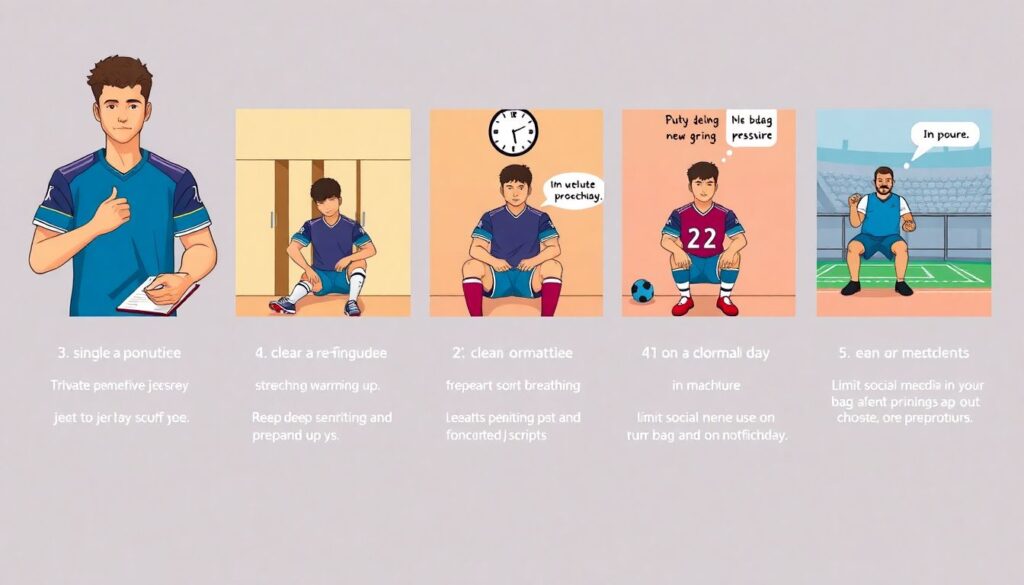
1. Define what the jersey means to you in one sentence and write it down.
2. Build a 60‑minute pre‑game routine and stick to it for a month.
3. Practice breathing and short mental scripts daily, not only on matchdays.
4. Talk openly with at least one older player or coach about pressure.
5. Limit social media around games and delegate comment‑reading.
6. Use one idea each week from a book or expert, instead of chasing dozens.
7. After every match, review mistakes as information, not identity.
Follow these steps consistently and the psychological pressure of wearing the Turkish National Team jersey becomes fuel, not a cage.