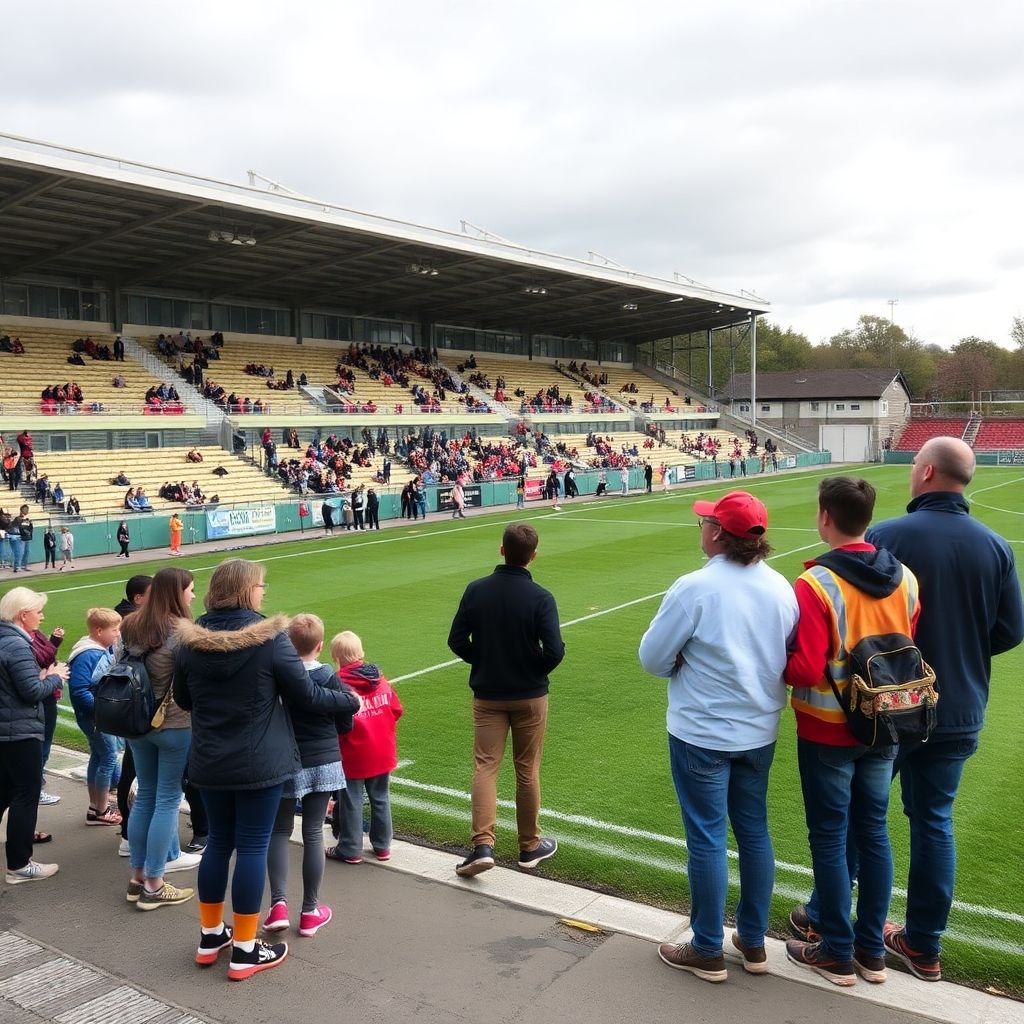
Small-town TFF 1. Lig clubs keep local football culture alive by anchoring decisions in the community, investing in youth pathways, designing inclusive matchday rituals, diversifying income beyond TFF 1. Lig tickets, preserving stadium heritage and tracking both sporting and social impact with simple metrics that local managers and volunteers can maintain over years.
Core mechanisms sustaining local football culture
- Transparent, community-rooted club governance with active volunteer networks.
- Structured youth academies and school partnerships that retain local talent.
- Deliberately designed matchday rituals that express town identity.
- Diverse revenue sources: sponsorships, micro-donations, TFF 1. Lig merchandise and events.
- Continuous care of facilities and history to keep the stadium as a civic symbol.
- Basic but consistent metrics for both performance and cultural reach.
Community-rooted governance and volunteer networks
This model suits small-town TFF 1. Lig clubs that rely on local pride rather than big investors. It works when you want long-term stability, even if budgets are modest. Do not use this style if a single private owner expects full control with minimal community involvement.
Action checklist for local governance
- Draft a simple club charter that states community benefit as a core purpose.
- Create a members’ assembly with voting rights for season-card holders and key volunteers.
- Set up a volunteer unit list: matchday, youth, communications, facility maintenance, heritage.
- Publish annual summaries: budget, debts, main decisions, and upcoming goals.
- Hold open meetings at least twice per season, including feedback sessions with fan groups.
Who leads and supports the structure
- Club president and board: approve the charter, ensure transparency.
- Club secretary or general manager: maintain member lists and minutes.
- Community representatives: school principals, municipality officers, local businesses.
- Supporter associations: organise volunteers and relay fan expectations.
Suggested timeline to implement community governance
- Month 1: Draft charter and governance model with a small working group.
- Month 2: Present and adjust the model in an open town hall meeting.
- Month 3: Elect or confirm leadership under the new rules.
- Each season: Review governance, volunteer roles and update the public report.
Example: A small-town club in Central Anatolia created a quarterly “club forum night” where board members answer questions about transfers, TFF 1. Lig tickets pricing and youth plans. Trust increased and more local businesses offered in-kind support.
Youth academies, schools and talent-retention pipelines
You will need access to basic pitches, qualified coaches, school partners and a clear progression path into the first team. The goal is not only to sell players, but to keep a steady flow of local youngsters wearing the club shirt and reinforcing identity.
Required resources and tools
- Pitches: at least one safe training ground (municipal or school fields if needed).
- Coaching staff: certified youth coaches, plus mentor visits from first-team staff.
- School agreements: written partnerships with local schools for training slots and joint events.
- Equipment: shared kit pool, balls, cones, and safe storage.
- Data tools: a simple spreadsheet or low-cost software to track players’ age, position, school, and progress.
Who should drive the youth pipeline
- Youth academy director or coordinator to own the whole pathway.
- Under-age coaches responsible for training plans and evaluations.
- School PE teachers as talent spotters and attendance monitors.
- Community volunteers to help with logistics and travel on match days.
Typical timeline for a sustainable pathway
- First 3 months: sign school agreements, recruit coaches, start two or three age groups.
- By season’s end: have at least one “academy day” where youth play before a league match.
- Within 2-3 seasons: integrate 2-3 academy graduates into the senior squad rotation.
Example: A coastal TFF 1. Lig club aligned its training hours with school schedules and offered free homework support at the stadium classroom. Parents became more positive about football, and drop-out rates in the academy decreased.
Matchday rituals: traditions, fan groups and local identity
Matchdays are your biggest stage. Thoughtful rituals make people feel that attending, buying TFF 1. Lig tickets or following a TFF 1. Lig live stream is not just entertainment but a weekly town ceremony that connects generations.
Preparation checklist before redesigning matchday
- Collect input from fan groups, families, and older supporters about past traditions.
- Check stadium safety rules and noise regulations with local authorities.
- Define 2-3 core identity themes: colours, local products, historical events, or landscapes.
- List low-cost assets you already have: band, school choir, local DJs, youth teams.
- Assign a single matchday coordinator to keep all activities aligned and safe.
-
Design an identity-rich entrance experience
Use banners, music and volunteer greeters to set the tone from the stadium gate. Show local images, club legends and youth teams. Place a small stand for TFF 1. Lig merchandise, including affordable items for kids.
-
Institutionalise pre-kickoff rituals
Create repeatable elements: shared anthem, scarf-raising moment, choreographies by the main fan group, and a short welcome speech that highlights the town. Keep the sequence consistent every home match.
-
Integrate youth and families into halftime
Use halftime for youth team mini-games, penalty shootouts or fan quizzes. Invite school choirs or folk-dance groups. Avoid activities that could encourage unhealthy habits, such as direct promotion linked to TFF 1. Lig betting odds.
-
Celebrate club history during breaks
Display old photos, interview former players on the PA system, or play short historical clips on screens if available. Once per month, dedicate a match to a past legend or important season.
-
Close with gratitude and community messages
After the final whistle, lead a joint applause between players and stands. Announce upcoming community events, open training sessions and special family promotions for the next match.
Who coordinates matchday rituals
- Matchday coordinator to plan the schedule and liaise with security.
- Supporter group leaders to organise chants and visual elements safely.
- Youth academy staff for halftime activities and player escorts.
- Media/communications officer for PA announcements and social coverage.
Timeline to introduce new traditions safely
- Weeks 1-2: consult stakeholders and map existing informal traditions.
- Weeks 3-4: pilot 1-2 new rituals in low-risk matches and gather feedback.
- Remainder of season: fix a core ritual set and adjust details gradually.
Example: A Black Sea town club created a “harbour walk” where fans and players walk together from the square to the stadium before key matches. It boosted visibility for local cafes and gave media a strong visual for TFF 1. Lig live stream coverage.
Revenue streams: sponsorships, micro-donations and cost controls
Diversified, realistic income keeps culture alive when results fluctuate. Focus on many small, stable sources, not one risky deal. Carefully separate ethical publicity from any encouragement of unhealthy behaviour, particularly around TFF 1. Lig betting odds or similar topics.
Financial health and revenue checklist
- Have at least three distinct income types: local sponsors, matchday sales and community events.
- Develop TFF 1. Lig club sponsorship opportunities for small businesses (shirt sleeves, training kits, youth teams, match balls).
- Offer low-cost TFF 1. Lig merchandise that families can afford: scarves, caps, school items.
- Trace all money flows with basic accounting and dual signatures on payments.
- Cap spending on player wages at a level the club can sustain for several seasons.
- Introduce micro-donations: regular small contributions via membership, local collection boxes or simple digital payment links.
- Coordinate with local media to mention sponsors respectfully but without linking to betting promotion.
- Review every major contract for long-term obligations and exit clauses with legal advice.
Roles in revenue management
- Club treasurer to oversee accounting and reports.
- Commercial manager or volunteer to handle sponsorship packages and negotiations.
- Merchandise officer to plan stock and sales points inside and outside the stadium.
- Independent auditor or trusted community figure to review books annually.
Suggested review rhythm for finances
- Monthly: internal budget and cash-flow check.
- Each half-season: update sponsorship packages and pricing for TFF 1. Lig tickets and hospitality.
- End of season: full financial report shared with members and sponsors.
Example: A Central Anatolian club allowed small bakeries and workshops to share one advertising board at the stadium at a shared price. They then created a “local trades day” with special deals for season-card holders, keeping sponsor relationships personal.
Facilities and heritage: maintaining stadiums and historical continuity
Your stadium and training ground are physical symbols of belonging. Even with modest infrastructure, systematic maintenance and storytelling turn them into living museums. Ignoring small issues or erasing history to “modernise” usually damages local attachment.
Frequent mistakes to avoid in facilities and heritage
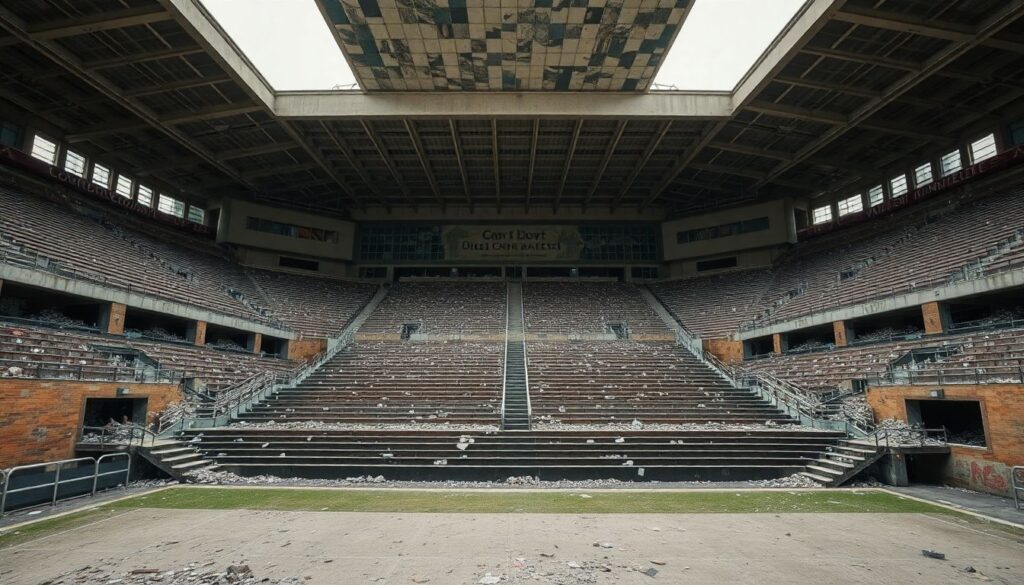
- Delaying basic safety repairs (stairs, fences, lighting) until they become emergencies.
- Covering or removing old club signs, colours and murals without offering a new way to display history.
- Failing to keep a simple archive of photos, shirts, tickets and press clippings at the stadium.
- Allowing uncontrolled graffiti that hides official symbols instead of allocating legal fan-art spaces.
- Not coordinating with the municipality on shared responsibilities for maintenance.
- Investing only in VIP areas while family sections and fan corners stay neglected.
- Ignoring accessibility needs such as ramps, clear pathways and basic information signs.
- Letting training grounds deteriorate while spending disproportionally on short-term player signings.
Who should care for facilities and heritage
- Stadium manager or head groundskeeper for daily checks and maintenance schedules.
- Heritage volunteer group or museum committee for archives and exhibitions.
- Municipality liaison for co-funded projects and permits.
- Supporter representatives to design fan-art walls and memory corners.
Maintenance and heritage timeline
- Monthly: safety walk-through and list of minor repairs.
- Each pre-season: repaint key areas and refresh signage.
- Once a year: heritage event or exhibition that updates and displays the club story.
Example: One TFF 1. Lig club turned an unused room under the main stand into a “mini-museum” with old shirts, balls and photos donated by fans. This low-cost project attracted school visits during the week.
Measuring impact: metrics for cultural reach and sporting value
Measurement helps you defend the club’s role in the town. Instead of complex analytics, choose a few simple numbers and stories you can update every season and share with the municipality, sponsors and schools.
Alternative ways to track cultural and sporting impact
-
Basic attendance and engagement logs
Track home attendance, youth matches played, school visits and community events hosted at the stadium. Include how many young people attend using family TFF 1. Lig tickets or free-school allocations.
-
Story-based community reports
Collect short case stories from fans, teachers and local businesses about how the club affects their lives. Combine these with simple statistics when requesting municipal support or new TFF 1. Lig club sponsorship opportunities.
-
Digital footprint and broadcast presence
Monitor social media interactions, website visits and mentions during TFF 1. Lig live stream broadcasts. Use these figures to demonstrate visibility for sponsors and justify continued investment in local football.
-
Youth development and fair-play indicators
Record academy graduates in the first team, school-partnership numbers and fair-play recognitions. These metrics can be more persuasive for educational partners than match results alone.
Who owns the measurement process
- Club data contact (can be a volunteer) to collect and consolidate numbers.
- Media officer to track coverage, social media and broadcast mentions.
- Youth coordinator to maintain youth and school collaboration statistics.
Reasonable schedule for impact reporting
- Quarterly: short internal dashboard for the board and key volunteers.
- Each season: a public “impact note” shared with members, sponsors and local authorities.
- Every two or three seasons: deeper review of what to measure and how, adjusting indicators as needed.
Example: A small-town club compiled a simple two-page impact note combining attendance graphs, youth participation and quotes from local shopkeepers. This helped secure better stadium access for school groups and new community-focused sponsors.
Practical answers for club managers and community organizers
How can we balance low TFF 1. Lig tickets prices with financial sustainability?
Design different tiers: keep a low “community” price for families and youth, and slightly higher prices for central seats and hospitality. Compensate with stronger local sponsorships, careful wage budgeting and extra income from TFF 1. Lig merchandise and events.
What is the safest way to work with betting-related companies?
Follow national and league regulations strictly and prioritise partners that support responsible behaviour. Avoid promotions that look like direct encouragement to gamble, especially inside the stadium or around youth-focused content. You do not need to advertise TFF 1. Lig betting odds to run a stable club.
How can we promote matches to people who usually watch from home?
Use social media and local media to link stadium experience with online habits. Offer small perks for those who normally follow a TFF 1. Lig live stream, such as one discounted home match per month or combined offers that include local food or transport.
We have few volunteers. Where should we start?
Start with two priority areas: matchday operations and youth support. Clearly describe roles, time commitments and benefits. Ask supporter groups, schools and local businesses to nominate volunteers, then gradually expand into media, heritage and event organisation.
What low-cost TFF 1. Lig merchandise works best for small towns?
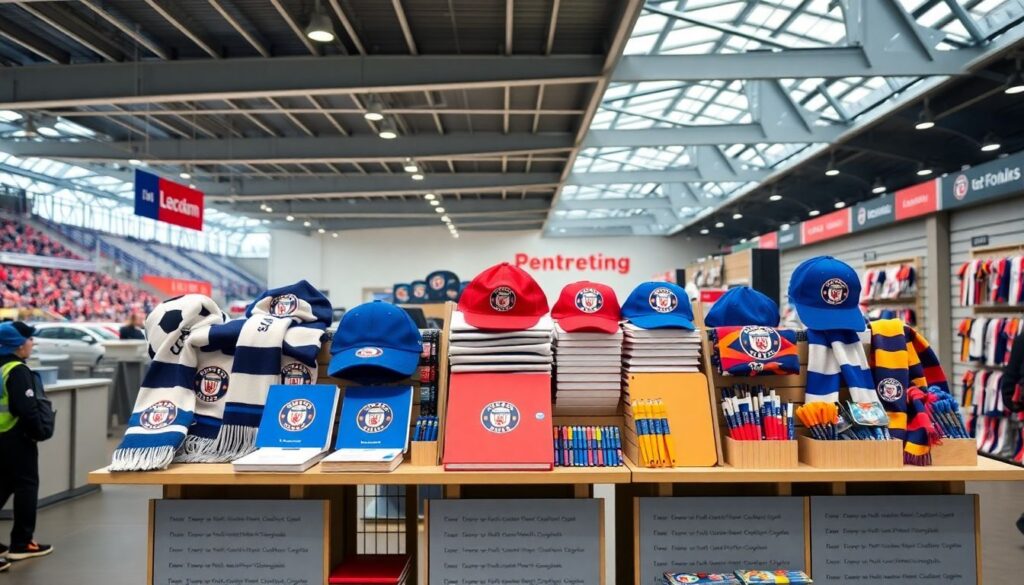
Focus on items that connect to daily life: scarves, caps, notebooks, pens and school accessories in club colours. Keep designs simple and consistent. Sell at the stadium, local shops and online, and consider bundle offers with season cards or youth registrations.
How can we convince local businesses to sponsor us?
Prepare clear TFF 1. Lig club sponsorship opportunities by budget range, such as small logo placements, youth team backing or matchday “business of the week”. Emphasise community visibility rather than only results, and share regular photos and stories that show their support in action.
What if our stadium is old and the municipality controls it?
Build a cooperative relationship instead of confrontation. Offer to coordinate small, volunteer-led improvements and heritage projects, and provide the municipality with impact data showing how the stadium supports youth, tourism and local identity.