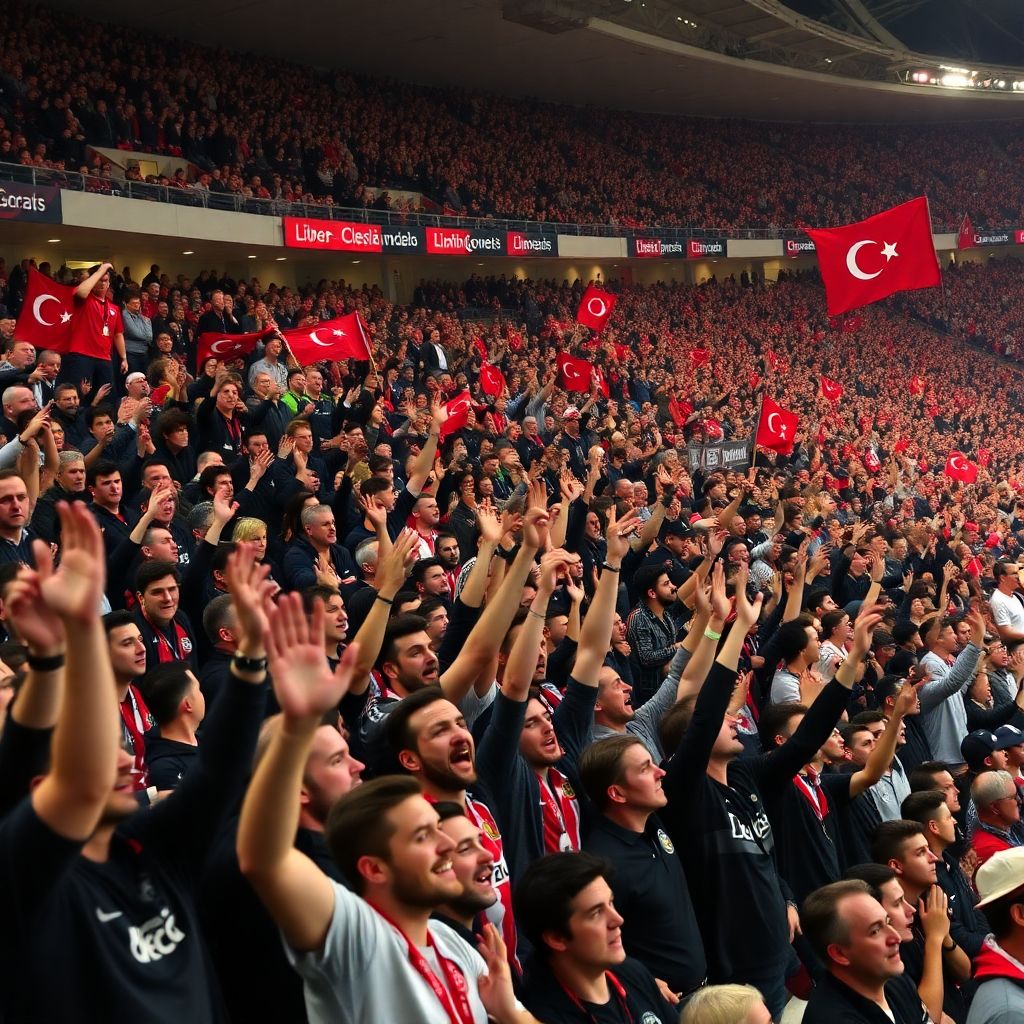
TFF 1. Lig is considered one of Europe’s craziest leagues because promotion and relegation are often decided on the final matchday, with huge swings caused by finances, coaching changes and intense home crowds. Understanding these drivers helps fans, analysts and bettors interpret chaotic scorelines instead of seeing only “luck”.
Myths and realities about 1. Lig’s season-long chaos
- Myth: Promotion battles are random. Reality: They usually follow predictable pressure patterns: short winning streaks, fixture clusters and head-to-head mini-leagues among top clubs.
- Myth: Relegation is decided by a few “bad days”. Reality: Long survival fights grow out of structural issues: thin squads, late payments and unstable tactics.
- Myth: Money guarantees promotion in TFF 1. Lig. Reality: Finance accelerates performance but also amplifies risk if recruitment and coaching turnover are poorly managed.
- Myth: Changing the coach always gives a “new manager bounce”. Reality: Multiple changes in one season usually destroy tactical consistency and player confidence.
- Myth: Home advantage is just about fans shouting. Reality: Travel fatigue, pitch specifics and stadium familiarity combine with supporter intensity to tilt close matches.
- Myth: You cannot analyse such an unpredictable league. Reality: Volatility can be measured with simple metrics and a repeatable algorithm that checks how “crazy” a result really is.
How promotion races escalate into last-day showdowns

Promotion battles in TFF 1. Lig are shaped by a tight points spread, similar squad quality and a schedule that often pits direct rivals against each other in the final weeks. The league structure encourages clusters of teams to enter the promotion conversation rather than just two or three clear favourites.
Because many clubs have comparable budgets and overlapping tactical styles, small edges become decisive: a short winning run, a key winter signing, or a coach who stabilises the defence. As these edges appear late in the season, promotion places remain open until the last matchday, feeding the perception of constant chaos.
From a practical perspective, the best way to read these races is to track three things: results in six-pointers against direct rivals, goal difference against top-half opponents and away form under pressure. Fans buying TFF 1. Lig tickets for the run-in often choose fixtures where these three factors collide, because those games frequently decide promotion.
For anyone who wants to bet on TFF 1. Lig matches, this view of promotion races is more useful than raw league position. Table places can move dramatically in one weekend, but the underlying indicators-head-to-head strength, resilience away from home and response to pressure-shift more slowly and are easier to evaluate.
Why relegation battles become prolonged survival fights
Relegation struggles in TFF 1. Lig are rarely short; they turn into long, nervous survival campaigns. Several mechanics push the fight down to the wire and make it emotionally draining for clubs, players and supporters.
- Small gaps at the bottom: The difference between lower mid-table and the drop zone is often only a handful of results, so one unexpected win or loss can reshuffle the survival picture.
- Streaky form patterns: Weak squads alternate between short bursts of form and long slumps. A late positive streak can pull a team out of the bottom three after months in danger.
- Psychological pressure: Players and coaches in relegation-threatened clubs tend to play “not to lose” rather than to win. This produces many tight, low-margin games where luck and refereeing calls feel decisive.
- Mid-season squad changes: Desperate winter signings, loans and contract terminations create unstable line-ups. While these moves can rescue a season, they often need weeks to integrate, stretching the fight to the end.
- Direct duels among strugglers: The fixture list usually brings bottom-half clubs together in the last third of the season. Six-pointers mean that a single result changes both teams’ odds of survival at once.
- Financial uncertainty: Late wages, transfer bans or point deductions can suddenly drag an apparently safe club into the battle, extending the survival storyline.
For analysts and coaches, understanding these mechanisms matters more than reacting emotionally to each weekend’s table. For example, if you watch TFF 1. Lig live streaming, focus on tactical risk level and body language in high-pressure games; these are often better survival indicators than isolated scorelines.
Money matters: club finance as a competitive accelerant
In TFF 1. Lig, money is not a simple promotion ticket, but it does act as an accelerant: it speeds up whatever direction a club is already heading, good or bad. Financial strength interacts with recruitment, infrastructure and governance to create very different competitive stories.
- Ambitious promotion projects: Recently relegated Süper Lig clubs with parachute-like resources often invest heavily in experienced players and modern staff. If their structure is coherent, they can dominate; if not, the pressure to go up immediately can turn into instability and underperformance.
- Short-term spending spikes: Some teams with new investors front-load budgets into one or two seasons. This may bring quick success but leaves them exposed if promotion is missed. Wage inflation without sustainable income can later trigger fire sales and relegation battles.
- Youth-focused survival strategies: Less wealthy clubs rely more on academy graduates and smart loans. They sacrifice squad depth but gain energy, motivation and sometimes better tactical discipline. Survival becomes possible through organisation and strong home form, even without big names.
- Hidden costs of success: Cup runs, stadium moves or big bonus promises can strain finances. When cash flow tightens, training quality, medical support and travel comfort suffer, eroding performance just when the table tightens.
- Commercial leverage of popularity: Clubs that sell many TFF 1. Lig jerseys for sale and attract local sponsors can reinvest this popularity in better staff, scouting and analytics. This kind of organic finance tends to be more stable than speculative owner funding.
For bettors and analysts, the lesson is clear: before you bet on TFF 1. Lig matches, check not only form but also financial signals-transfer bans, delayed wage news, sudden squad rebuilds-because they often precede big performance swings.
Coaching turnover and tactical instability: a performance multiplier
Coaching changes are extremely common in TFF 1. Lig and act as a multiplier for both good and bad trends. A well-timed appointment can unlock an existing squad, while serial changes usually magnify weaknesses and confusion. Understanding this dynamic is crucial when judging short-term results.
Upsides of coaching changes in a volatile league
- Fresh tactical ideas: A new coach may introduce better pressing schemes, clearer roles or more suitable formations, immediately improving underused players.
- Psychological reset: After long winless runs, any change can restore energy and focus. Players feel watched again and increase intensity in training and matches.
- Re-optimised line-ups: New staff often challenge previous hierarchies, benching underperformers and giving chances to younger or fitter players who fit the system.
- Reframing objectives: Coaches who arrive mid-season usually simplify targets: first stabilise defence, then build attacking patterns. This clarity can quickly stop negative spirals.
Downsides and limits of constant turnover
- Tactical whiplash: Players forced to switch formations and principles every few months struggle with automatisms, leading to soft goals and poor game management.
- Lost dressing-room trust: Frequent sackings signal panic from management. Senior players may feel insecure about long-term plans and reduce emotional investment.
- Short-termism in training: Coaches working under threat focus on immediate results over structural development, such as set-piece routines or youth integration.
- Market reputation damage: Clubs known for rapid sackings struggle to attract high-calibre staff. Agents push them towards short-term or risky candidates.
For clubs, agents and even fans choosing which TFF 1. Lig tickets to buy, the key is to distinguish between a strategic appointment that fits the squad and a panic move triggered only by table position.
Home advantage, travel and supporter intensity that swing results
Home advantage in TFF 1. Lig is often described as mythical, but there are repeatable patterns behind it. Certain stadiums become “fortresses” not only because of loud fans but thanks to a mix of travel demands, pitch specifics and local familiarity that visitors struggle to adapt to.
- Mistake 1 – Ignoring travel fatigue: Some away trips require long journeys with limited recovery time. Underestimating this when you watch TFF 1. Lig live streaming can lead you to misjudge sluggish away performances as purely tactical problems.
- Mistake 2 – Overrating crowd noise alone: Supporters matter, but noise without tactical discipline or physical intensity does not win matches. The real edge appears when a united crowd amplifies a clear, high-pressing game plan.
- Mistake 3 – Forgetting pitch and climate: Differences in pitch size, grass quality and local weather affect pressing heights, ball speed and injury risk. Teams built for technical passing may suffer on heavier surfaces.
- Mistake 4 – Misreading referee tendencies: In some intense stadiums, referees may manage games differently, calling fouls earlier or later. This subtly changes how effective pressing and time management strategies are.
- Mistake 5 – Treating all home records as equal: A strong home record built mostly against bottom-half rivals is not the same as one built against promotion contenders. When you plan travel or TFF 1. Lig hospitality packages, check the quality of opponents in that “fortress” run.
For supporters, this means that raw home/away stats are less informative than context: who was played, under what travel and weather conditions, and with which tactical plan.
Quantifying unpredictability: metrics that expose the league’s volatility
Unpredictability in TFF 1. Lig is not just a feeling; it can be approximated with simple indicators. Instead of saying “anything can happen”, you can build a small routine that evaluates whether a specific result is genuinely surprising or just looks dramatic on paper.
At intermediate level, you do not need complex models. Focus on three observable layers: pre-match expectations, match process and final scoreline. Combine them into a quick algorithm you can run mentally after each game you attend, watch on TV or follow through live text.
Simple algorithm to check how “crazy” a 1. Lig result really is
Use this lightweight step-by-step procedure whenever you analyse a match outcome or consider whether to adjust your view of a team:
- Rate pre-match strength: Before kick-off, assign a simple rating from 1-5 for each team based on:
- Recent form (last 5 matches)
- Injury/rotation news
- Home/away context
If you follow odds, you can also use those as an external guide, but your own rating is enough for consistency.
- Flag expectation level: Define which of these three categories applies:
- Strong favourite vs clear underdog
- Slight favourite vs balanced opponent
- Even match (no obvious edge)
This becomes your baseline for judging the result later.
- Track match process: After the game, note quickly:
- Red cards (which team, which minute)
- Penalties and major VAR interventions
- Injuries forcing early substitutions
- Missed big chances or clear defensive errors
You can do this while you watch TFF 1. Lig live streaming or after reading a detailed match report.
- Compare expected vs final score:
- If the favourite won by 1-2 goals without major incidents, label it “expected”.
- If the favourite dropped points but had red cards or big injuries, label it “incident-driven”.
- If the underdog won comfortably with no big incidents, label it “structural upset”.
- Update your view only on structural upsets: When you see repeated structural upsets involving the same team (with no major incidents), upgrade or downgrade their rating. Treat incident-driven surprises as volatility, not as a new long-term trend.
In pseudocode-like form, a very compact version looks like this:
// Input: pre_match_rating_A, pre_match_rating_B, incidents, final_score
if (abs(pre_match_rating_A - pre_match_rating_B) <= 1) {
    label = "balanced_match";
} else if (pre_match_rating_A > pre_match_rating_B) {
    favourite = "A";
} else {
    favourite = "B";
}

if (incidents.contains("red_card") || incidents.contains("penalty_decider")) {
    result_type = "incident_driven";
} else if (favourite_won_by_small_margin(final_score, favourite)) {
    result_type = "expected";
} else if (underdog_won_by_clear_margin(final_score, favourite)) {
    result_type = "structural_upset";
} else {
    result_type = "mild_surprise";
}
You can implement this logic in a spreadsheet or just keep the categories in a notebook. It is helpful both for personal analysis and when considering where to bet on TFF 1. Lig matches in a disciplined way.
For travelling fans and corporate guests selecting TFF 1. Lig hospitality packages, this kind of structured thinking also helps you identify fixtures with higher chances of dramatic storylines, ensuring that your matchday experience is memorable without relying only on reputation.
Quick clarifications on recurring doubts about 1. Lig
Is TFF 1. Lig really more chaotic than other European second tiers?
It is not objectively proven to be the most chaotic, but it combines tight promotion and relegation races, intense home atmospheres and frequent coaching changes. This mix creates strong perceptions of volatility that many neutral observers find higher than in similar leagues.
How should a new fan choose which 1. Lig matches to attend?
Look for fixtures where promotion contenders or relegation fighters face direct rivals in the last third of the season. These games often carry high stakes, strong atmospheres and emotional swings, making your TFF 1. Lig tickets more likely to deliver a dramatic storyline.
Does money always decide promotion in TFF 1. Lig?
Financially stronger clubs often start with an advantage, but poor recruitment, unstable coaching and weak home support can waste that edge. Organised mid-budget teams with clear tactics and consistent line-ups frequently finish above richer but chaotic clubs.
How much weight should I give home advantage in my analysis?
Home advantage matters, but you should adjust it by travel distance, pitch conditions and opponent style. Rather than applying a fixed bonus, examine how a specific home team performs against top-half and bottom-half visitors separately.
Can volatility in 1. Lig be modelled without advanced statistics?
Yes. Even simple tools-form ratings, incident logs and the small algorithm above-let you separate normal randomness from genuine structural upsets. This is enough for most fans, junior analysts and cautious bettors.
Is it worth following 1. Lig if I mainly watch Süper Lig?
Definitely. TFF 1. Lig is a talent pipeline and a tactical laboratory where clubs experiment more. Following it via highlights, reports or live streams gives you early insight into players, coaches and trends that may later shape the top division.
What should collectors and fans know about 1. Lig merchandise?

Interest in TFF 1. Lig jerseys for sale is growing, especially for clubs with strong local identities and promotion ambitions. Demand can spike after successful seasons, so collectors often buy early rather than waiting for possible price rises.