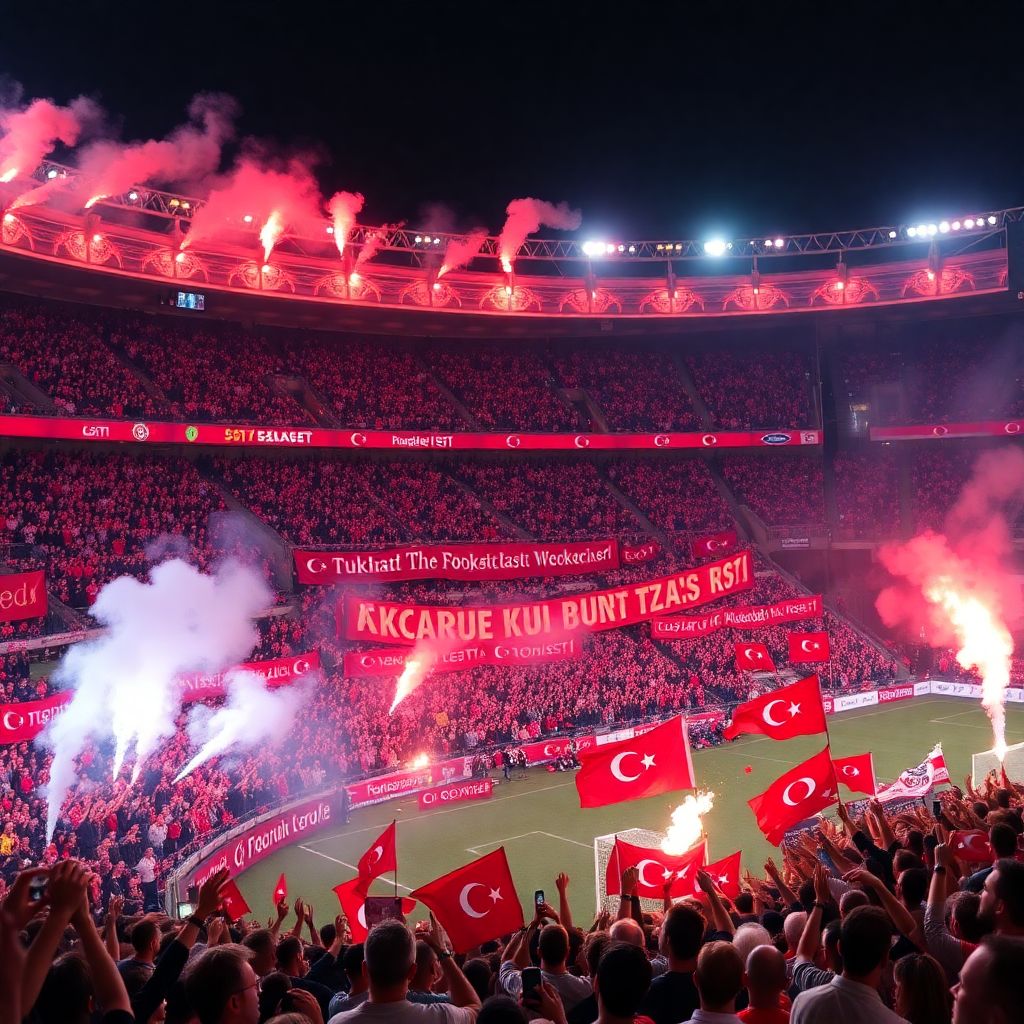
Turkish fans shape the atmosphere and identity of their clubs through intense collective action: songs, visual choreographies, rituals, and organized pressure on club management. At Galatasaray, Fenerbahce, Besiktas and others, supporters turn stadiums into political, cultural, and emotional stages that define how the club looks, sounds, feels, and is perceived worldwide.
Core Mechanisms of Fan Influence in Turkish Football
- Long historical and socio-political roots that frame each club as more than a sports entity.
- Ultras and choreography groups that script the visual identity of home matches.
- Chants, songs, and slang that create a unique sonic and linguistic culture.
- Matchday rituals and logistics that standardize the emotional rhythm of game days.
- Structured fan governance and pressure that affect board decisions, hiring, and branding.
- Commercial impact via tickets, tours, and merchandise aligned with supporter identity.
Historical Roots: How Socio-Political Context Forged Fan Cultures
In Turkey, football clubs historically grew out of specific urban, class, and political environments. Galatasaray has strong roots in elite educational circles and cosmopolitan Istanbul; Fenerbahce is often associated with Anatolian migrants and resistance narratives; Besiktas is linked to working-class and neighborhood-based solidarity around the Bosphorus.
These origins shaped how fans see themselves and their opponents. Rivalries are built not only on trophies but also on perceived values: modern vs. traditional, center vs. periphery, establishment vs. resistance. This context explains why stadium atmosphere can feel like a political rally, and why songs and banners often reference history, injustice, and pride.
Over time, televised derbies, European competitions, and social media amplified these identities. When someone buys Turkish football tickets Galatasaray Fenerbahce Besiktas, they are not only choosing a match; they are choosing to step into a particular historical narrative and fan culture that has been layered for decades.
For visitors, understanding these roots allows a more respectful and richer experience: knowing why Besiktas fans chant about their neighborhood, why Fenerbahce emphasizes resistance symbolism, or why Galatasaray focuses on European success changes how you read every banner, flare, and song during a match.
Ultras and Choreography: Visual Language That Defines Stadium Identity
Ultras in Turkey turn stands into visual theaters that communicate power, unity, and club stories. Their work is highly organized and follows a clear internal logic.
- Curated color dominance: Coordinated use of scarves, flags, and clothing to paint entire stands in club colors. This makes the stadium instantly recognizable on TV and social media.
- Large-scale tifo choreography: Massive banners and card displays that reference club history, recent events, or political messages. They are usually unveiled at kick-off to set the emotional tone.
- Pyrotechnics and smoke (where tolerated): Flares, smoke, and lights that punctuate goals or key moments. Even when formally banned, they remain a symbolic tool in some sections.
- Sector-specific roles: Certain blocks lead singing, others coordinate flags, others focus on drumming. This segmentation makes complex choreographies feasible.
- Online-offline coordination: Plans for choreos are circulated in closed groups; fundraising, design, and rehearsal happen weeks in advance to ensure perfect timing on matchday.
- Merchandise as visual assets: Sales of scarves, shirts, and flags are not just commercial; they are visual building blocks for choreos, especially for fans ordering from a Galatasaray fan merchandise scarves flags online store or similar outlets.
The result is that each club’s home ground becomes visually distinct. Ali Sami Yen Spor Kompleksi, Sukru Saracoglu, and Vodafone Park are instantly identifiable partly because ultras repeatedly imprint their own “graphic design” on TV broadcasts and photos.
Songs, Chants and Language: Soundscapes That Mobilize Support
In Turkish football, sound is as important as sight. Fans use songs and chants to control tempo, morale, and psychological pressure inside the stadium.
- Pre‑kick-off anthems: Fans perform long anthems to create emotional unity, often with scarves raised. At Galatasaray and Fenerbahce, these moments feel like secular rituals that announce, “this is our territory”.
- Call‑and‑response structures: One block initiates a chant, another answers. This technique makes a 50,000‑seat stadium feel like one coordinated body, intimidating opponents and energizing players.
- Context-specific songs: Different songs for attacking, defending, pressuring the referee, or mocking rivals. Experienced capos switch chants to manage the “emotional tactics” of the game.
- Localized slang and humor: Clubs have their own idioms and jokes. Understanding these in Istanbul derbies is like learning a dialect; it reinforces in‑group identity and excludes rivals.
- Political and civic messages: In moments of national crisis or local tension, fan songs can carry social commentary, turning the stadium into a space of collective speech beyond football.
- Tourist integration: Groups that offer the best Turkish football tours matchday experience Istanbul often brief visitors on basic chants, helping them join respectfully without diluting authentic fan language.
The combination of rhythm, volume, and content means that even neutral spectators quickly adopt the emotional posture of the home crowd, reinforcing the club’s identity as passionate, loud, and united.
Rituals and Matchday Logistics: From Pre-game Gatherings to Post-match Traditions
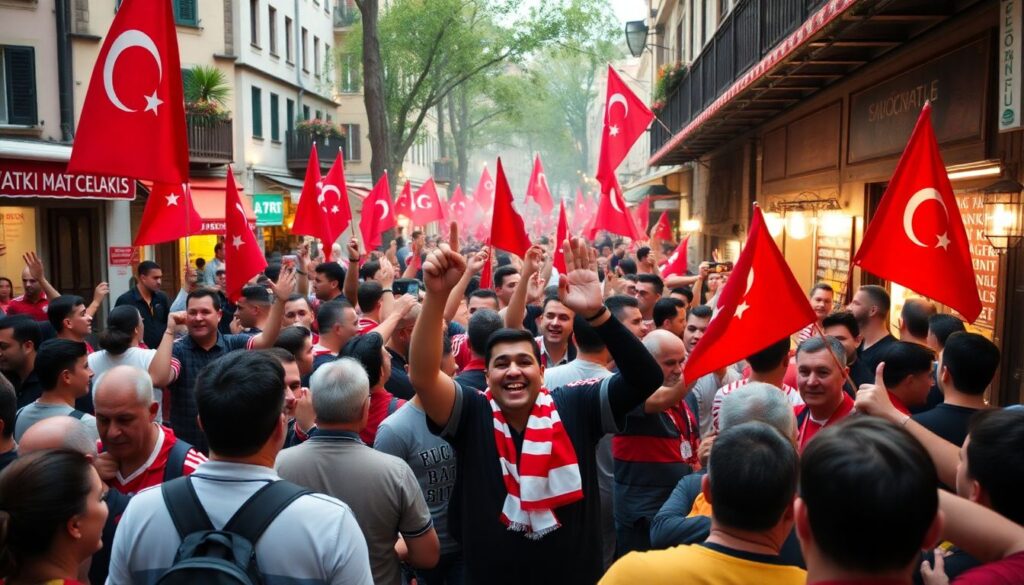
Matchday in Turkey is a full-day process structured by fan rituals and logistics. These customs standardize how supporters experience football and transmit club identity across generations.
- Pre‑game meetups: Fans gather in specific streets, bars, tea houses, or squares hours before kick-off. Singing starts early and sets a shared emotional baseline.
- Processions to the stadium: Groups march, often with drums and flags, turning the route to the ground into a mobile fan zone that visually occupies urban space.
- Gate and entrance routines: Ultras tend to enter early to claim and organize their sectors, ensuring key blocks are filled with experienced singers and drummers.
- In‑game micro‑rituals: Standing for certain songs, synchronized scarf waves at specific minutes, or silence followed by sudden explosions of noise.
- Post‑match reactions: Collective celebrations or protests outside the stadium, visits to club facilities, or late‑night gatherings that extend the result’s impact into city life.
These rituals are supported by practical logistics: coordination with ticketing, transport, and sometimes tour operators. For example, when visitors buy Fenerbahce home game tickets Istanbul buy online, organized groups may integrate them into pre‑match walks and explain basic etiquette, so they contribute to the atmosphere rather than just consume it passively.
At Besiktas, the urban layout around the stadium shapes rituals in other ways. Fans planning their day around a game may also look up Besiktas Vodafone Park stadium tour tickets price to combine a daytime tour with the evening match, turning the whole day into a layered fan experience that moves from museum-like learning to live emotional immersion.
Short Scenario Playbook for Different Visitors
Three simple mini-scenarios show how fan-driven atmosphere can be experienced and respected in practice:
- First-time neutral visitor: You purchase general Turkish football tickets Galatasaray Fenerbahce Besiktas, arrive 90 minutes early, follow the crowd’s lead on standing, chanting, and scarf use, and avoid filming ultras continuously to respect privacy.
- Fan-focused city trip: You join one of the best Turkish football tours matchday experience Istanbul packages, learning chants, do a daytime stadium tour (for instance checking Besiktas Vodafone Park stadium tour tickets price), then attend a derby with a guide who explains rituals.
- Merchandise-driven supporter: Before the game you order from a Galatasaray fan merchandise scarves flags online store or club shop, then coordinate colors with your stand, using your scarf in pre‑kick-off anthems as locals do.
When these scenarios are handled thoughtfully, they reinforce the existing culture rather than turning it into a shallow spectacle, and they help outsiders understand the responsibilities attached to participating in a powerful fan atmosphere.
- Advantages for clubs and fans
- Creates a strong sense of belonging that keeps fans loyal through bad results.
- Turns home stadiums into feared venues that can influence opponent performance.
- Attracts international attention, media coverage, and football tourism.
- Provides structures (groups, routines) that can mobilize for positive social causes.
- Gives young supporters a clear path into community life through organized groups.
- Limitations and risks
- Can slide into exclusionary or aggressive behavior toward rivals and outsiders.
- Over‑commercialization may make real fans feel like background actors for TV.
- Security restrictions (on flares, banners) can create tensions with authorities.
- Strong group hierarchy can silence dissenting voices within the fan base.
- Intense pressure on players and boards can become destabilizing when unmanaged.
Fan Governance and Club Relations: Influence on Policy, Hiring and Branding
Organized fan groups in Turkey do far more than sing; they exert structured pressure on club governance, shaping policies, staff decisions, and brand messaging.
- Myth 1: Fans only care about results
In reality, many organized groups evaluate presidents, coaches, and players through lenses like “loyalty”, “respect for the badge”, and community engagement, not just wins and losses. - Myth 2: Ultras have no real political power
Public protests, stadium choreos criticizing boards, and coordinated boycotts of season tickets can push resignations, trigger early elections, or block unpopular rebranding efforts. - Myth 3: Commercial partners fully control club identity
Sponsors quickly learn that if branding feels fake or disrespectful, fan backlash on social media and in the stands can damage campaigns, forcing adjustment or withdrawal. - Myth 4: International tourists dilute authenticity
When properly integrated-through education and respectful behavior-visitors can strengthen clubs financially without changing core symbols, because ultras still set the cultural rules. - Myth 5: Digital fandom replaces stadium influence
Online fan pages and influencers matter, but in Turkish football the “real” authority often remains with in‑stadium groups whose approval or rejection can legitimize or delegitimize narratives.
Understanding these dynamics is crucial for club directors, city officials, and sponsors who want to work with fans as partners rather than treat them as a passive audience.
Commercial and Media Impact: How Supporter Identity Drives Revenue and Coverage
Fan identity in Turkey has clear economic and media consequences. Television producers, tour companies, and the clubs themselves all build products around the emotional power of the stands.
Media outlets frequently choose to broadcast derbies and high-intensity fixtures from Istanbul because the noise, banners, and drama guarantee strong viewership. International clips of choreos and chants circulate widely, reinforcing a global image of Turkish fans as some of the most passionate in the world.
On the business side, fan culture shapes what is sold and how. Clubs and retailers focus on items that work inside the stadium-scarves, flags, and tops in the right color tones-since these double as identity markers and visual material for broadcasts. When supporters purchase from a Galatasaray fan merchandise scarves flags online store, they are also funding future choreographies and helping standardize the look of the stands.
Tourism is another area where fan identity turns into structured offerings. Agencies marketing the best Turkish football tours matchday experience Istanbul combine tickets, guided chants, and sometimes even meetings with fan group representatives. At the same time, clubs monetize access to their grounds on non‑match days; checking Besiktas Vodafone Park stadium tour tickets price is now common for visitors who also attend games, blurring lines between museum-like experiences and live fandom.
Even basic ticket purchases, such as searching for Fenerbahce home game tickets Istanbul buy online or general Turkish football tickets Galatasaray Fenerbahce Besiktas, are shaped by this reality: fans are not buying just a seat but a packaged identity experience whose value rests largely on what other supporters collectively do in the stadium.
Common Practical Questions About Fan-Driven Club Identity
How can a visitor respectfully join local fan culture on matchday?
Arrive early, observe how locals use scarves and flags, and follow their lead on when to stand and sing. Avoid mocking rival clubs, filming ultras too closely, or treating serious chants as purely entertaining. When unsure, ask a local supporter or guide quietly.
Is it better to buy tickets near ultras or in a neutral stand?
For intense atmosphere and non-stop singing, sectors near ultras are ideal but can be overwhelming for beginners. Neutral or family sections still offer strong noise and color with more comfort. If you are unsure, choose a side stand slightly away from the main ultra block.
Do stadium tours give a real sense of fan identity?
Stadium tours show facilities, trophies, and curated club history, which helps you understand the stories behind songs and banners. They do not replace a live game, but combining a tour with a match creates a fuller picture of how identity works in both museum and real-time settings.
How much Turkish language do I need to enjoy chants?
Knowing a few key words and chorus lines is enough to participate at a basic level. Many tours provide simple chant sheets or explanations. Even without full understanding, rhythm and crowd cues make it possible to join in respectfully.
Can families with children safely enjoy intense fan sections?
It depends on the child and the match. High-intensity derbies can involve strong language and heavy smoke in ultra areas. For families, non-derby games or more neutral stands usually offer a safer balance of passion and comfort, while still showcasing authentic atmosphere.
Do organized fans really influence club board decisions?
Yes. Coordinated protests, boycotts, and visible in‑stadium dissent can push club leaders to change policies, coaches, or communication strategies. Boards in Turkey monitor fan sentiment closely because legitimacy in the stands affects elections, sponsorships, and media narratives.
Are football tours and commercial packages harming authenticity?
They can, if they treat fans as a background show and encourage disrespectful behavior. When designed with input from local supporters and clear guidelines, however, tours can financially support clubs while educating visitors and preserving core fan culture.