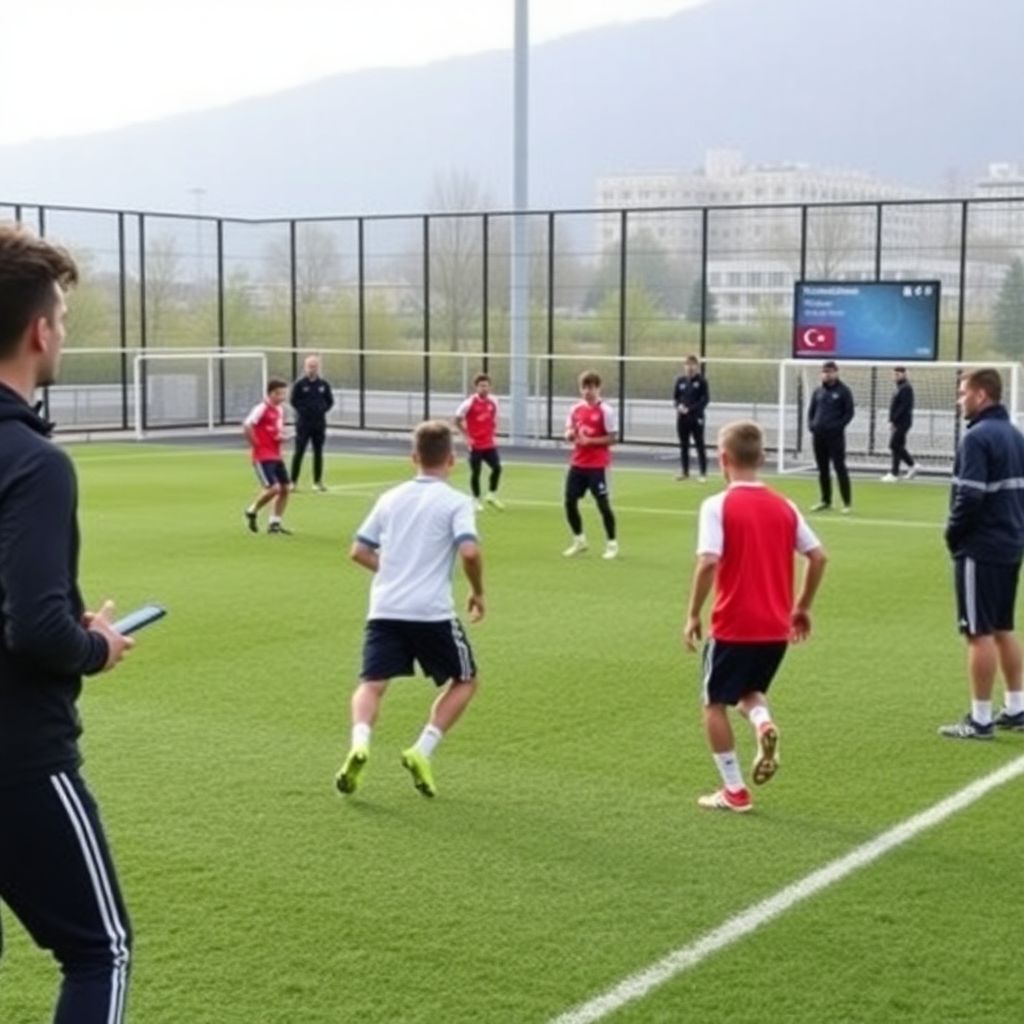
Turkey’s youth academies are turning local talents into European professionals by professionalising scouting at grassroots level, building modern training curricula, integrating sports science, and structuring clear pathways via contracts, loans and partnerships with European clubs. This guide shows coaches, academies and agents how to copy these safe, practical steps and avoid common traps.
Core findings on converting local prospects into European professionals
- Consistent, organised scouting across schools, regional clubs and turkish football academy trials 2024 matters more than one-off showcase events.
- The best football academies in Turkey for youth use integrated technical, tactical and cognitive programmes, not just ball mastery drills.
- Sports science and load management keep players available, which is crucial for trials, tournaments and European visibility.
- Transparent career pathways, including clear rules on contracts, loans and agents, reduce conflict between families, clubs and intermediaries.
- Investment works best in staff, data and partnerships, not only in facilities and marketing.
- Success metrics must go beyond transfer fees to include education, dual careers and long-term player welfare.
Scouting and recruitment: mapping Turkey’s grassroots talent pipelines
This approach suits clubs, private academies and agents that want a repeatable, ethical way to move players from local pitches to European opportunities. It is not ideal for organisations looking for quick wins, shortcuts, or speculative mass recruitment without follow-up development and safeguarding structures.
Start by mapping all meaningful talent touchpoints in your region:
- State and private schools, including physical education programmes and school tournaments.
- Amateur clubs and district leagues, where many late developers appear.
- Regional federation competitions and turkey football scouting programs for european clubs, which already attract outside observers.
- Open events such as turkish football academy trials 2024, holiday camps and community tournaments.
Design a simple, shared evaluation grid, for example rating players on ball control, decision-making, speed, resilience and learning attitude. Ensure every scout uses the same language and criteria so that a report from Eastern Anatolia is comparable with a report from Istanbul.
Short case example: a mid-table club in the Marmara region created a rotating monthly scouting schedule across school leagues, futsal courts and rural tournaments, then invited only the top evaluated players to a closed assessment day. Within two seasons, several graduates attracted interest from European partners because reports were consistent and video footage was centralised.
Curriculum design: technical, tactical and cognitive training modules
To compete with the best football academies in Turkey for youth and abroad, you need a curriculum that aligns training content with age, position and long-term goals. The following elements are essential requirements, tools and accesses:
- Structured seasonal plan. Map a full year with clear technical, tactical, physical and mental targets for each age group.
- Include competition calendars, exam periods at school, and known trial windows with European clubs.
- Adjust intensity around key events such as federation tournaments or club-hosted trials.
- Position-specific training tools. Use simple equipment (cones, mannequins, rebounders) to build role-based sessions for full-backs, creative midfielders, wingers and strikers.
- Design recurring scenarios: pressing triggers, build-up patterns, counter-attacks, low-block defending.
- Collect video clips of European benchmarks in each role and break them down with players.
- Cognitive and decision-making modules. Include regular video analysis, small-sided games with constraints and scenario-based tasks.
- Examples: one-touch only in specific zones, numerical overloads, time-limited finishes, or decisions on when to press or drop.
- Use short classroom sessions to discuss choices made in training and matches.
- Data and feedback systems. Even basic tools like spreadsheets or low-cost performance apps can track progress.
- Monitor attendance, training load, game minutes, position played and key actions.
- Create individual development plans that are revisited at least twice per season.
- Language and cultural preparation. Players aiming for Europe benefit from English lessons and cultural awareness.
- Build simple football English sessions into the weekly plan.
- Invite former players who moved to Europe to share experiences about adaptation and professionalism.
Case snapshot: an Istanbul academy aligning its curriculum with how to join Galatasaray youth academy standards introduced weekly video meetings and English terminology for tactical concepts. Within a short period, scouts from European clubs noted that players communicated clearly during mixed-language trial games.
Physical preparation and sports science integration
The following safe, step-by-step process helps academies integrate physical preparation without needing a full-time sports science department.
- Assess current physical status and injury history. Start with basic, non-invasive screening for each player: movement quality, previous injuries, and current training volume.
- Collaborate with a qualified physiotherapist or sports doctor when possible.
- Record findings in a simple log so coaches can see risks at a glance.
- Build age-appropriate strength and movement routines. Introduce bodyweight exercises, coordination drills and flexibility work, focusing on safe technique.
- For younger ages, use games and obstacle courses instead of heavy loads.
- Progress only when players show control and understanding, not just enthusiasm.
- Plan weekly load and recovery. Coordinate football sessions, strength work and school sport to avoid overload.
- Use a simple scale where players report effort after sessions and matches.
- Schedule at least one low-intensity day per week and lighter weeks around exams or travel.
- Integrate sports science monitoring tools gradually. Start with basics such as wellness questionnaires and simple running tests.
- If budget allows, add GPS or heart-rate monitoring; otherwise, use field tests and coach observation.
- Review data collectively each month to spot trends in fatigue or performance.
- Create match and trial preparation protocols. Establish standard routines for sleep, nutrition and warm-up before key fixtures and trials.
- Educate players and parents about safe hydration and balanced meals.
- Use a consistent warm-up template for local games, European showcases and elite camps.
Fast-track mode: compact physical and sports science checklist
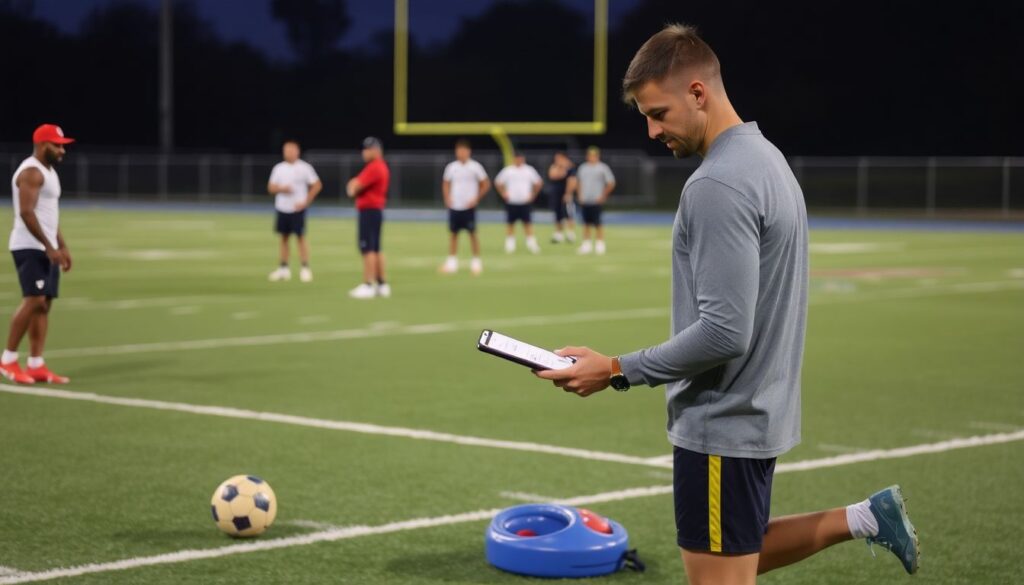
- Log every player’s injury history and current weekly training load.
- Run two short movement and strength sessions per week using bodyweight-only exercises.
- Set one low-intensity recovery day weekly with stretching and light technical work.
- Use a simple effort rating from players after each session to adjust the plan.
- Apply the same warm-up and recovery routine before and after all important matches and trials.
Career pathways: contracts, loans and strategic partnerships with Europe
Use this checklist to review whether your academy or club offers a realistic, safe pathway from local player to European professional:
- Written policy explaining when players can trial abroad and how to handle invitations from foreign clubs.
- Standard training compensation and solidarity agreements aligned with federation rules.
- Pre-defined age and criteria for first professional contracts, communicated clearly to families.
- Transparent cooperation framework with agents, including registration, code of conduct and conflict-of-interest rules.
- Active relationships with at least a few European clubs, including visits, joint camps or friendly matches.
- Loan strategy that prioritises playing time, coaching quality and player support, not only league reputation.
- Education and dual-career planning in case a European move is delayed or does not work.
- Exit procedures when players leave: medical files, video footage and recommendations shared professionally.
Illustrative example: a coastal club formed a cooperation with a mid-tier European side to host alternating training camps. Local players were observed in familiar surroundings, while the European club gained low-risk access to Turkish talent and could offer tailored trial invitations.
Club infrastructure and investment models that accelerate exports
These frequent errors slow down or block the transformation of local talents into European-level professionals:
- Investing mainly in buildings and branding instead of coaching education and scouting structures.
- Running expensive showcase events without long-term follow-up, leading to frustration for families and scouts.
- Ignoring school schedules, which results in burnout or academic problems that scare off European clubs.
- Underestimating the cost of professional football training camps in turkey and overcharging families, damaging trust.
- Lack of governance: no written rules on agent involvement, trials abroad or conflict resolution.
- Overloading young players with travel and tournaments to impress scouts, increasing injury risk.
- Failing to track basic metrics such as player progression, minutes played or education outcomes.
- Copying big-club strategies like how to join Galatasaray youth academy without adapting them to local budgets and realities.
- Neglecting community links, which are vital for discovering resilient, late-maturing talents.
Case example: a regional academy shifted part of its marketing budget into coach upskilling and video analysis equipment. Within a short period, player development improved, and invitations from turkey football scouting programs for european clubs increased because reports were more detailed and reliable.
Outcomes and benchmarks: success stories, metrics and cost-benefit analysis
When full European-style academies are not realistic, several alternatives still help local talents move forward safely:
- Partner academy model. Smaller clubs align their training, documentation and discipline standards with a bigger Turkish or European academy, sharing know-how instead of building everything alone.
- Specialised development centres. Position-specific centres (for goalkeepers, attackers or defenders) complement grassroots clubs a few times per week, improving targeted skills without replacing the home team.
- Seasonal elite camps. Short, intensive training camps led by experienced coaches from Europe offer benchmarking and exposure, provided that selection is transparent and costs are controlled.
- Education-first programmes. Schools with strong football programmes and links to clubs allow players to study and train, keeping doors open for later trials or scholarships abroad.
Each option should be evaluated using simple benchmarks: player satisfaction, progression to higher competition levels, education outcomes and sustainability of costs for families and the club.
Practical answers to common club, player and agent concerns
How can a small regional academy be noticed by European scouts?
Focus on consistent documentation: video, player profiles and clear development plans. Participate selectively in recognised turkey football scouting programs for european clubs rather than many low-impact tournaments, and invite trusted intermediaries or partner clubs to observe your best sessions.
What is the safest way for families to approach turkish football academy trials 2024?
Verify who is organising the event, how players are insured, and what follow-up is guaranteed. Avoid paying large fees without clear information about coaching quality, medical support and how data or video from the trial will be used.
How to join Galatasaray youth academy without being exploited by fake agents?
Check official club channels and federation communications for trial announcements. Any agent promising guaranteed access in exchange for high upfront payments is a red flag; legitimate intermediaries focus on preparation, documentation and realistic opportunities, not guarantees.
Are the best football academies in Turkey for youth always the most expensive option?
Not necessarily. High fees often reflect facilities and marketing rather than coaching quality. Evaluate academies by coaching qualifications, curriculum transparency, education support and past player progression, not only by price or reputation.
What is a reasonable view on the cost of professional football training camps in Turkey?
Costs should reflect duration, staff expertise, accommodation and medical coverage, and must be fully transparent before registration. Families should compare several options, ask for what is included, and avoid camps that push players into unsafe workloads or risky promises of immediate European contracts.
How can agents work ethically with Turkish youth players aiming for Europe?
Sign clear, age-appropriate agreements, involve parents or guardians, and respect club contracts. Prioritise player education, health and realistic pathways, and avoid trials that lack insurance, medical support or verified clubs on the receiving side.
What should a club track to prove its academy model works?
Monitor progression to higher teams, minutes at senior level, school completion, injury rates and satisfaction of players and families. Use this evidence in discussions with sponsors, partner clubs and European scouts to show that your environment is both competitive and safe.