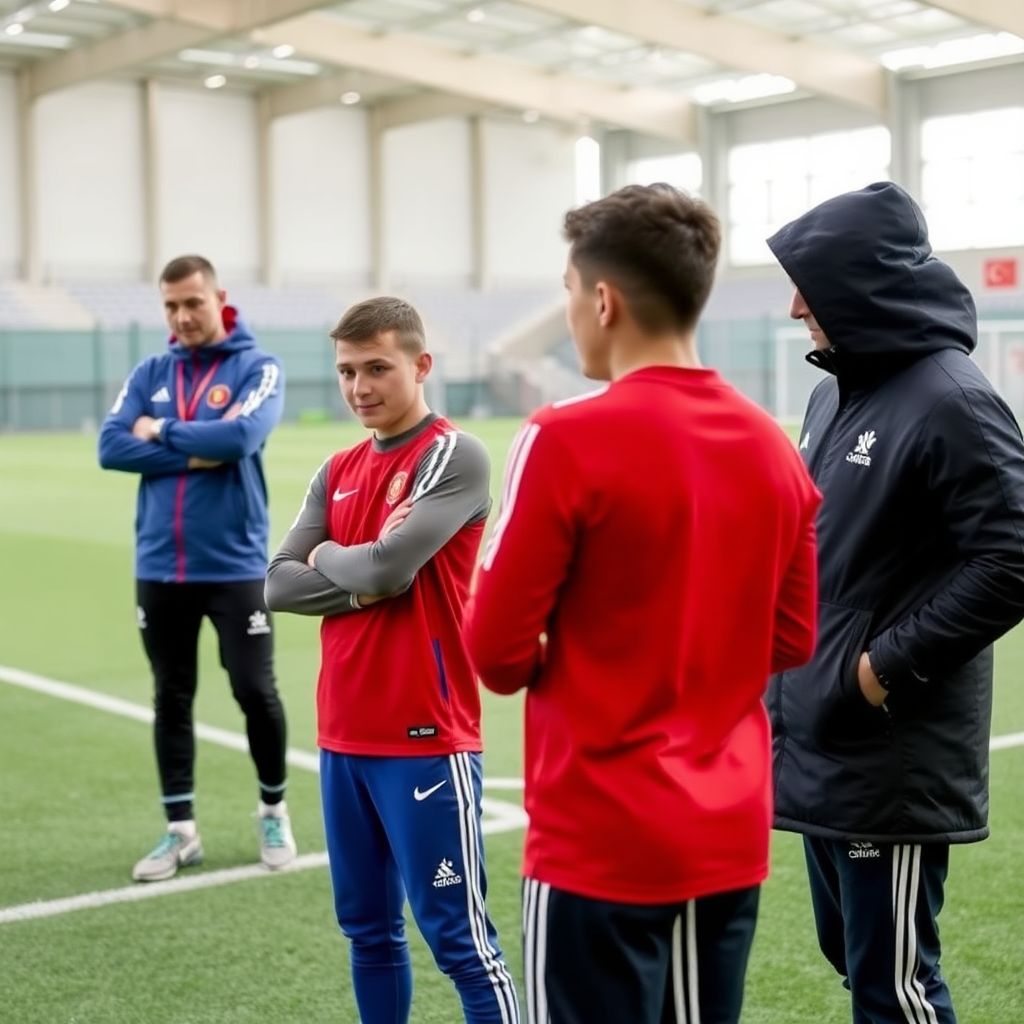
Hidden gems in Turkish Altyapı are mostly technically strong, emotionally intense players who need structured minutes, language support and clear role definitions to succeed in Europe. Focus on decision-making, off-ball work and learning capacity, not just highlight reels. Build relationships with key academies early and move quickly once non‑EU slots or quota rules allow.
Scouting snapshot: Altyapı prospects primed for Europe
- Target regular U19/U21 starters from major turkey football academy altyapi programmes plus early debutants in 1. Lig and Süper Lig.
- Prioritise profiles with repeatable strengths: pressing intensity, first touch, scanning, and resilience under contact.
- Track “hidden” development minutes: reserve leagues, domestic cups, late substitute appearances.
- Use video to validate mentality: reactions to mistakes, defensive transitions, and body language when team is under pressure.
- Prepare early for work permits, foreign player limits and buy‑on clauses before approaching turkish young talents transfer targets.
- Plan a two‑season pathway: adaptation loan, language and S&C block, then integration to the first team rotation.
Anatomy of Turkish youth systems: clubs, pathways and output
In Turkey, “Altyapı” refers to the full club youth structure: from pre‑academy groups to U19 and reserve teams. Big Istanbul clubs run the most visible systems, but many turkish football talents now emerge from regional academies attached to ambitious 1. Lig and even 2. Lig sides.
The typical pathway starts in local school or municipal teams, followed by selection into a professional club’s Altyapı at U13-U15. From there, stronger players progress to elite U17 and U19 squads, youth national teams and eventually to senior training groups. A small portion debut early in the first team; others go on loan.
Output is shaped by two forces: local pressure for results and the need to trade talent to fund budgets. This creates a constant stream of technically capable, emotionally tough players, but their tactical education and physical preparation can be uneven. That gap is both the risk and the opportunity for European clubs.
For European recruiters, the task is not just to hunt the best young turkish football players already in first teams, but to map which academies consistently produce position‑specific strengths. Some clubs are known for developing ball‑playing centre‑backs, others for pressing forwards or creative number tens.
Five under-the-radar talents: profiles, strengths and comparable players
Instead of naming individuals, this section defines five repeatable Altyapı profiles that often become turkish wonderkids ready for europe. Use them as templates when scanning match and data reports.
-
Pressing winger with counter threat
Observation: Relentless presser, sprints back after losing the ball, direct in transition, comfortable attacking space rather than feet.
Implication: Fits high‑press, vertical European sides that need wide forwards to initiate counter‑pressing.
Next steps: Track ball recoveries in the final third, high-intensity sprints per match and chance quality on transitions. -
Tempo‑setting deep midfielder
Observation: Drops between centre‑backs, opens body well, plays progressive passes with both feet, rarely panics under pressure.
Implication: Suitable for possession‑dominant clubs needing a build‑up pivot, even if current team plays more direct.
Next steps: Log forward pass attempts, line‑breaking passes, and pressing resistance: how often he escapes pressure cleanly. -
Front‑foot ball‑playing centre‑back
Observation: Aggressive in duels, steps out to intercept, comfortable driving into midfield, looks for vertical passes instead of clearances.
Implication: Valuable for high defensive lines in Europe but needs refined timing and body orientation to avoid cards and fouls.
Next steps: Analyse duel locations, interceptions versus fouls, and passing variety under different pressing schemes. -
Box‑to‑box runner with late arrivals
Observation: Big engine, repeatedly joins attacks then recovers into shape, often appears unmarked at the edge of the box.
Implication: Can become a surprise goal source in leagues where second‑line runners are hard to track.
Next steps: Count penalty‑area touches from midfield, recovery runs after turnovers and involvement in counter‑pressing zones. -
Inverted full‑back playmaker
Observation: Comfortably moves into half‑spaces, combines in tight zones, has the passing range of a central midfielder.
Implication: Ideal for modern systems that ask full‑backs to come inside and dictate tempo or create overloads.
Next steps: Evaluate central touches, progressive passes from inside channels and defensive recovery speed when possession is lost.
Tactical traits that translate: playing styles European clubs value
Certain tactical habits travel especially well from Altyapı to Europe. Prioritise them when shortlisting turkish young talents transfer targets so your staff spend time on players who already “think” in a compatible way.
-
Active off‑ball scanning
Look for constant head checks before receiving and while defending. Players who scan early adapt faster to higher tempo and more complex pressing triggers in European leagues. -
Compact team defending and cover
Many Altyapı teams defend deep and narrow. The best prospects understand when to tuck in, how to pass runners on and when to step out. This tactical discipline reduces risk when moving to systems that rely on collective shifting. -
Vertical passing mentality
Players who look to break lines rather than recycle sideways give you clear upside. Even if the execution is inconsistent, the intent signals confidence and attacking value that can be refined with coaching. -
Role flexibility within a clear identity
Versatility is common among turkish football talents, but you want flexibility without confusion. Ideal candidates have a primary position plus one secondary role, not four or five loosely defined spots. -
Commitment to counter‑press
Watch the first two seconds after ball loss. Players who instantly hunt the ball – rather than appealing to the referee or dropping their head – are easier to plug into high‑energy European systems. -
Game management in chaotic moments
Turkish football produces players used to emotional, noisy environments. The better ones manage tempo, draw fouls smartly and slow the game when needed. Those instincts are valuable in European knockout games.
Applied scouting scenarios for European clubs
-
Scenario 1: Pressing winger for a Bundesliga‑type club
You need width and work rate. Shortlist Altyapı wingers who show high pressing efforts and direct running, then cross‑check their defensive transition clips and any senior minutes against strong domestic opponents. -
Scenario 2: Deep midfielder for a possession side
You want a pivot comfortable under pressure. Focus on U19 matches where your target’s team is pressed aggressively. Track how often he receives on the half‑turn and plays forward within a few touches. -
Scenario 3: Centre‑back for a high line
Your club defends far from goal. Filter for Altyapı centre‑backs with aggressive positioning and recovery pace. Then test in friendly trials or detailed video whether they can manage space behind them without constant last‑ditch tackles.
Physical, technical and psychological benchmarks for export-ready players
To separate local stars from truly export‑ready prospects, combine physical, technical and psychological checks. Do not rely on one category alone; a slightly weaker athlete with better game intelligence may be a better fit than a raw runner.
Core advantages to target in Altyapı exports
- Physical upside: Acceleration over short distances, repeat sprint capacity, balance under contact and basic robustness for weekly training loads.
- Technical reliability: Clean first touch under pressure, consistent ball striking, and the ability to execute key actions at speed.
- Tactical speed: Fast recognition of patterns, understanding of pressing cues and rotations, not just raw running speed.
- Growth mindset: Openness to feedback, visible improvement across a season, willingness to work on weaknesses between sessions.
- Emotional resilience: Ability to handle substitution, criticism and hostile crowds without disappearing from games.
- Professional habits: Punctuality, nutrition awareness and basic self‑management that will scale in a more demanding European environment.
Typical limitations and red flags to watch
- Overreliance on emotion: Playing better only in derby atmospheres or when provoked, then dropping focus in calmer matches.
- Poor off‑ball discipline: Ball‑watching, late tracking of runners and ignoring team pressing schemes.
- One‑footedness under pressure: Acceptable at youth level, but at European tempo it leads to predictable body shape and turnovers.
- Fitness gaps: Struggling to maintain intensity beyond one half, frequent cramping or visible drop‑off late in games.
- Entourage noise: Family or agents pushing for immediate first‑team guarantees, public complaints on social media or unstable representation.
Transfer mechanics: contracts, release clauses and intermediary dynamics
Moving Altyapı players to European giants involves more than spotting the best young turkish football players. Contract structures, clauses and intermediaries can derail even well‑planned moves if misunderstood.
-
Assuming release clauses always apply abroad
Many youth contracts contain clauses that are misunderstood or miscommunicated. Always verify with local legal experts; do not rely solely on agent summaries of clause triggers. -
Ignoring solidarity and training compensation
Early‑stage amateur or semi‑pro clubs may be owed compensation. Budget for this in advance so the final package remains acceptable for your board. -
Over‑paying on hype, under‑paying on structure
European clubs sometimes push fee and salary high but neglect performance bonuses, progression triggers and resale sharing that align incentives with player and selling club. -
Working with too many intermediaries
Turkish markets can involve overlapping agents and “consultants”. Identify who has legal mandate early and insist on transparent documentation before serious talks. -
Rushing before mapping non‑EU and homegrown rules
For many leagues, foreign player quotas and homegrown status rules define real value. Secure an internal slot and pathway before making a formal offer.
Onboarding roadmap: how European teams should integrate Altyapı players
Even the most promising turkish wonderkids ready for europe can fail without a structured adaptation plan. Treat onboarding as a staged project rather than a simple transfer.
A practical sequence for integrating a Turkish Altyapı signing into a European club could look like this:
- Pre‑signing due diligence: Combine scouting reports, data, psychological assessments and medical checks. Validate off‑field behaviour through trusted local contacts.
- Arrival and first six weeks: Provide language lessons, cultural support and a clear daily schedule. Assign a mentor from the first team who speaks a shared language or has similar background.
- Season‑one role definition: Set realistic targets: training standards, friendly minutes, cup appearances or a well‑chosen loan that matches the player’s tactical profile.
- Individual development plan: Agree two or three focus areas (for example weaker foot, aerial duels, or pressing triggers) with timelines and video feedback sessions.
- Regular review checkpoints: Every few months, review progress with coaching, performance and recruitment staff and adjust the plan rather than forcing a failing path.
- Pathway to core squad status: When benchmarks are met, increase responsibility gradually: bench spots in important games, late‑game minutes in tight situations, then occasional starts.
By treating these steps as non‑negotiable, European clubs increase the success rate of their turkish young talents transfer targets and protect both sporting and financial investment.
Top scouting and recruitment concerns from European decision-makers
How do I quickly filter the most promising Turkish academy players?
Start with consistent starters in U19 and reserve teams at major and regional clubs, then filter by tactical fit for your system. Use video to confirm off‑ball habits and mentality before committing travel and budget to live scouting.
Which positions offer the best value in Turkish Altyapı for European clubs?
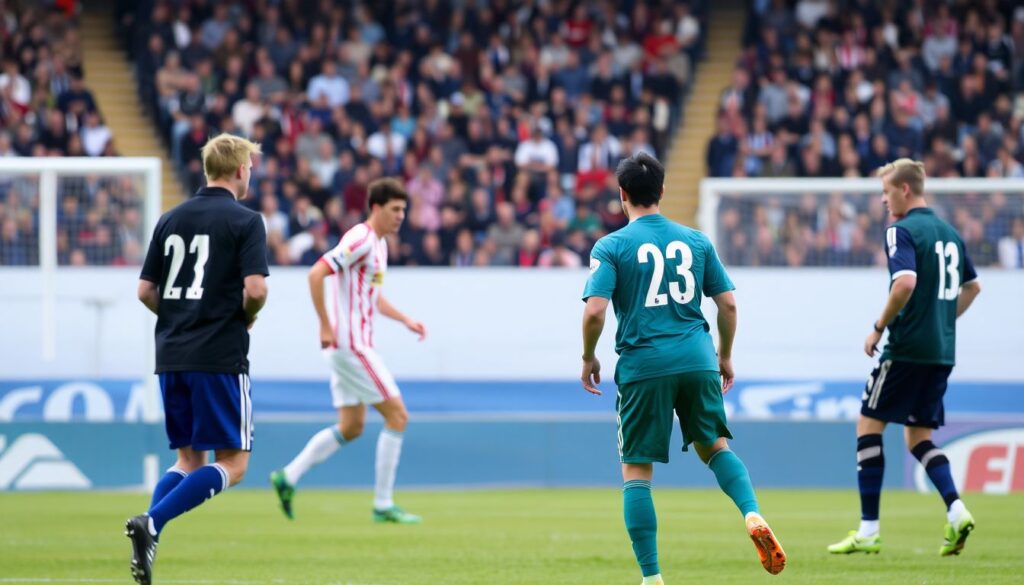
Historically, box‑to‑box midfielders, wide forwards and ball‑playing centre‑backs offer strong value. Focus on roles where intensity, technique and mentality matter more than pure physical dominance, because those traits scale better into stronger leagues.
How much first-team experience should a Turkish talent have before moving to Europe?
Experience helps, but it is not mandatory. A small sample of senior minutes combined with strong youth performances and clear tactical understanding can be enough if your club offers a patient, structured pathway.
What are the biggest adaptation challenges for Turkish youngsters in Europe?
Language, tactical detail and daily professionalism standards are the main hurdles. Many players also move abroad for the first time, so social isolation can affect performance unless clubs provide strong support and integration.
How can I reduce risk when signing a player directly from Altyapı?
Use multi‑source references, combine data and video, and structure contracts with performance‑based escalators. Where possible, include loan options to partner clubs so you have controlled environments for adaptation.
Are loans back to Turkey a good idea after signing a youth player?
They can work if the loan club matches your tactical needs and offers reliable minutes. However, if your main goal is adaptation to European tempo and culture, a loan within your own league or region may be more effective.
How do I compete with bigger clubs for top Turkish prospects?

Offer a clearer pathway, not just a higher wage. Present a concrete two‑year plan, including role, mentorship and development targets, and demonstrate past success with similar profiles.