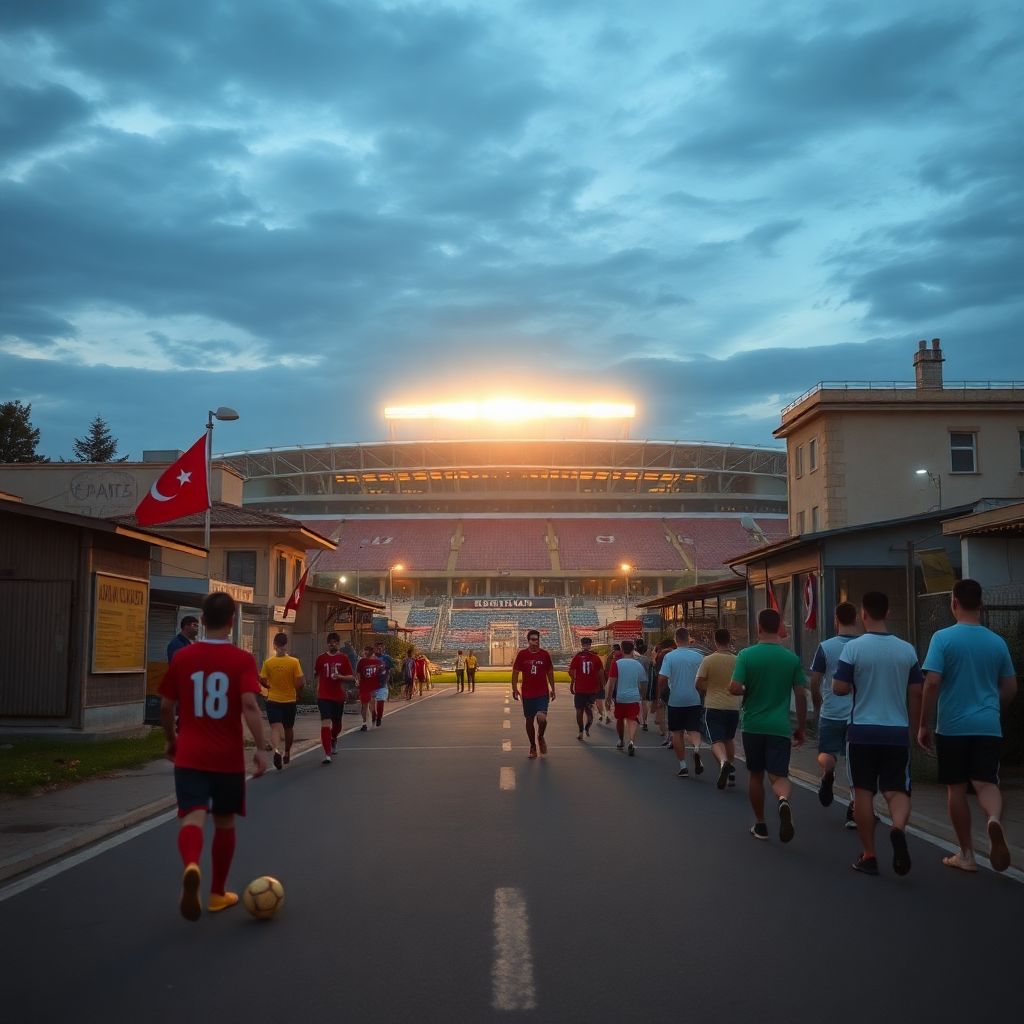
To go from street football in Turkey to a professional pitch, you need a clear path: regular safe play, entry into a local club, progression to a turkish football academy for youth, exposure through leagues and trials, and strong mental habits. This guide breaks that into practical, realistic steps tailored to Turkey.
Essential lessons from grassroots to professional levels
- Street football builds creativity and courage, but it must be balanced with safe training and recovery.
- Scouts in Turkey watch organized leagues, school tournaments and regional events more than random street games.
- A structured route through local clubs, academies and youth leagues is the safest answer to how to become professional football player in turkey.
- Clear training plans with measurable benchmarks help parents and players track real progress, not just “talent”.
- Mistake management, resilience and family support often decide who survives setbacks like injury or deselection.
- Understanding contracts, agents and trials early prevents rushed, risky decisions when the first offer arrives.
Street Roots: How Turkish pickup football shapes technique and creativity
Unorganized street and cage football in Turkey develops close control, quick decision-making and competitive instinct. It suits children and teenagers who already have basic safety and ball skills. It is not enough on its own and should be limited or adapted for very young kids, injury-prone players or those recovering from serious injuries.
- Benefits of street football
- Small spaces force tight ball control, shielding and first-touch quality.
- Constant duels improve 1v1 moves, feints and body balance under contact.
- No coaching allows creativity: risky passes, dribbles and unexpected shots.
- Safety guidelines for unstructured play
- Avoid busy roads, broken concrete, metal bars or glass around the pitch.
- Use basic protection: proper shoes, laced tightly; no jewellery; warm-up for 5-10 minutes.
- Limit long games without rest; hydration breaks and stretching reduce injury risk.
- When to reduce street play
- After growth spurts when joints and tendons feel painful; prioritize physio-led exercises.
- Before important matches or professional football trials in turkey for youth to avoid fatigue or sprains.
- If a doctor, physio or club coach recommends controlled training instead.
- Mini case study: Istanbul cage player
- A 13-year-old winger from Bakırköy played daily cage football, then joined a local club.
- Coaches noticed his 1v1 skills and agility, but reduced his street play to three shorter sessions per week to protect knees and ankles.
Scouting Signals: Where and how scouts uncover young Turkish talents
Scouts rarely sign players directly from the street. They focus on organized environments where performance is easier to compare, track and verify. Preparing for visibility means entering the right competitions, collecting clear footage and behaving like a professional long before the first contract offer.
- Main scouting environments in Turkey
- Local amateur leagues (U12-U19) in big cities such as Istanbul, Ankara, Izmir and Bursa.
- School tournaments, university leagues and regional federation events.
- Matches and showcases run by a turkish football academy for youth with links to professional clubs.
- Selective turkey football scouting programs for young players organized by agencies or clubs.
- What scouts look for beyond talent
- Consistency: same intensity in minute 5 and minute 85, both with and without the ball.
- Game understanding: scanning, positioning, pressing triggers, decision speed.
- Attitude: body language after mistakes, response to coaching, fair play, respect.
- Physical potential: movement patterns, coordination, speed; not just current size.
- Tools that increase visibility
- Simple match footage from a stable sideline angle, with player clearly marked at the beginning.
- A short highlight video (5-7 minutes) plus 1-2 full matches, shared privately when requested.
- Up-to-date player CV: position, club history, dominant foot, height, coach contact details.
- Mini case study: Anatolian midfielder
- A 15-year-old from Konya sent video from regional leagues to a scout program in Istanbul.
- His consistent decision-making and work rate impressed staff, leading to an invitation for trials at a higher-level academy.
Structured Pathways: Navigating local clubs, academies and youth leagues
Turning raw ability into a professional career in Turkey requires a safe, step-by-step route through clubs, leagues and selected events. The sequence below helps families avoid chaotic choices and dangerous shortcuts while still aiming at the professional level.
- Start with a local grassroots club
Join the nearest licensed club where coaches are qualified, training is supervised and first aid is available. Use this period to learn basic technique, game rules and teamwork in a safe environment.- Check if the club is registered with the Turkish Football Federation (TFF).
- Observe one session before committing: coach communication, warm-ups, injury handling.
- Add seasonal camps for extra exposure
Use school holidays to attend the best football camps in turkey for teenagers that prioritize development, not only winning. Camps can provide contact with new coaches and small scouting opportunities without leaving your main club.- Avoid camps that promise instant contracts or charge extra for “guaranteed” trials.
- Choose camps that share clear daily schedules, coach qualifications and safety policies.
- Target entry into a structured academy
When the player is ready, aim at a turkish football academy for youth connected to professional clubs. These academies offer stronger opponents, medical support and more regular competition.- Ask about training volume, school coordination and player welfare.
- Prefer academies that limit weekly match load to safe levels for the player’s age.
- Compete in official youth leagues
Register for age-appropriate TFF youth leagues or regional competitions through your club or academy. Performance here is one of the main answers to how to become professional football player in turkey.- Track minutes played, positions used and feedback from coaches every half-season.
- Use these leagues to develop reliability: arriving on time, following game plans, managing pressure.
- Use controlled scouting programs and trials
When the player already performs well in official matches, consider turkey football scouting programs for young players and professional football trials in turkey for youth that are organized with clear rules.- Check who runs the event, which clubs attend and what happens with player data.
- Never pay large, upfront “agency fees” before any verified trial invitations.
- Balance football progression with education
Maintain realistic backup plans through school or vocational education. This reduces pressure, supports mental health and shows scouts a stable, responsible character.- Discuss exam periods early with coaches to adjust training loads.
- Use periods of injury to focus on studies and tactical learning.
Fast-track route for accelerated progress
- Join the strongest local club that still guarantees regular minutes, not just a big name.
- Within 12-18 months, aim for a trial at a reputable academy with TFF-linked youth teams.
- Use school breaks for 1-2 serious development camps with clear scouting presence.
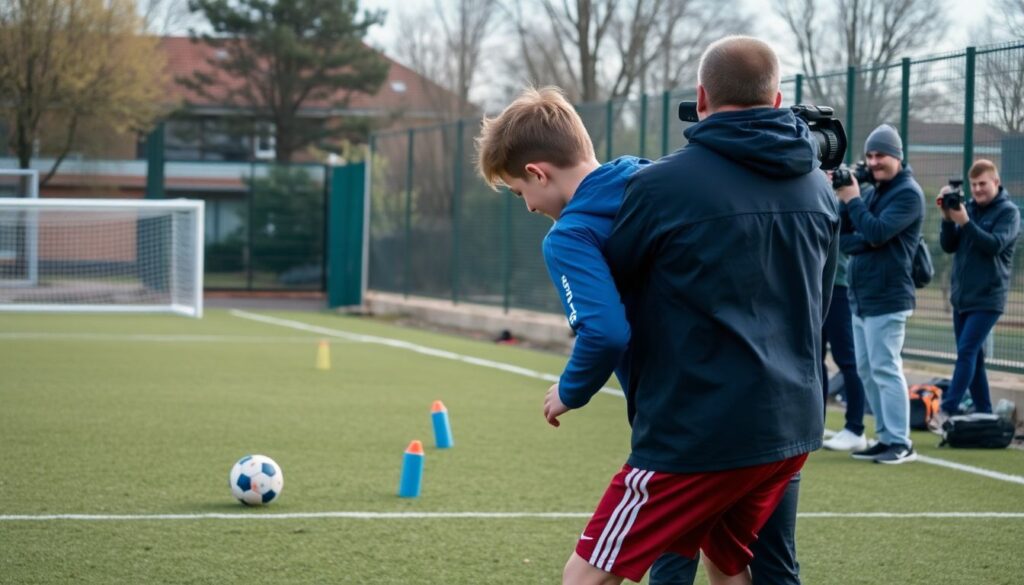
- Build a simple video portfolio from official league games before attending any national trials.
- Review progress with an independent coach or mentor every season and adjust the plan.
Accelerated Development: Training schedules, drills and measurable benchmarks
Efficient progress comes from structured, age-appropriate training that avoids overload and injury. Use the checklist below to review if a young Turkish player’s weekly routine supports safe, fast development.
- The player trains with a team 3-5 times per week, plus 1-2 short individual sessions, with at least one full rest day.
- Each session includes 5-10 minutes of warm-up and mobility work before intense exercises.
- Ball mastery is practiced regularly: first touch, turning, weak-foot control and 1v1 moves.
- Decision-making is trained through small-sided games, not only isolated drills.
- Basic strength and injury-prevention exercises are supervised by a coach or physio.
- Workload increases slowly over months, not suddenly before big tournaments or trials.
- Monthly goals are written down (for example: passing accuracy, sprint speed, endurance) and reviewed.
- Sleep, nutrition and hydration are treated as part of training, especially during growth spurts.
- Pain, dizziness or unusual fatigue lead to reduced load and medical checks, not punishment for “laziness”.
Mindset and Resilience: Psychological habits that fast-track progression
Mental habits decide whether a talented Turkish youth survives selection cuts, injuries and competition. Avoiding the errors below protects both performance and long-term well-being.
- Chasing too many teams, tournaments and trials at once, instead of building consistency in one environment.
- Measuring self-worth only by selection or social media attention, not by effort and learning.
- Ignoring rest and hobbies, which can lead to burnout, anxiety and sudden loss of motivation.
- Blaming coaches, referees or teammates for every setback instead of asking: “What can I improve?”
- Hiding injuries or pain to avoid missing matches, increasing the risk of long-term damage.
- Letting parents or relatives create constant pressure from the sidelines instead of calm support.
- Refusing to play different positions when young, which limits understanding of the whole game.
- Comparing progress only to early physical maturers, leading to frustration and risky training loads.
- Skipping school or homework regularly for extra training, which increases stress and narrows future options.
Professional Transition: Contracts, agents, trials and integration into senior squads
Not every talented Turkish youth will enter a Super Lig academy at 14. There are safer, alternative routes into adult football that still keep professional dreams alive while reducing risk.
- Route through semi-professional clubs
Join a semi-professional or lower-division club with a clear path to the first team. This can offer earlier senior minutes, which scouts value highly, especially for late developers. - University and education-based pathways
Use strong school and university teams to keep playing at a competitive level while studying. This is suitable for players who mature later physically or who need extra time to decide on full professionalism. - Late-entry academy or B-team options
Some clubs recruit players at 18-20 for B-teams or reserve squads. This route fits disciplined players who improve sharply in their late teens and already have strong senior amateur experience. - Non-playing careers in football
If professional contracts do not arrive, consider coaching, analysis, fitness, refereeing or management roles. Staying in the football environment allows knowledge and passion to become a stable career.
Practical answers to common hurdles for aspiring Turkish prospects
At what age should a child in Turkey join their first organized club?
Many children can safely start at a basic grassroots club when they can follow simple instructions and enjoy group play. The exact age is less important than choosing coaches who understand child development, emphasize fun and use age-appropriate session lengths.
How can parents check if a camp or academy is trustworthy?
Look for clear information on coach qualifications, links to registered clubs, medical and safety procedures, and realistic promises. Avoid any organization that guarantees contracts or trials in exchange for high upfront payments or refuses to provide written details.
Is daily football training safe for teenagers who want to go pro?
Daily activity can be safe if intensity varies, rest days are respected and growth-related pain is monitored. Teenagers need at least one full rest day per week and lighter sessions after heavy matches; pain, dizziness or strong fatigue mean training should be reduced.
What should a young player bring to official trials in Turkey?
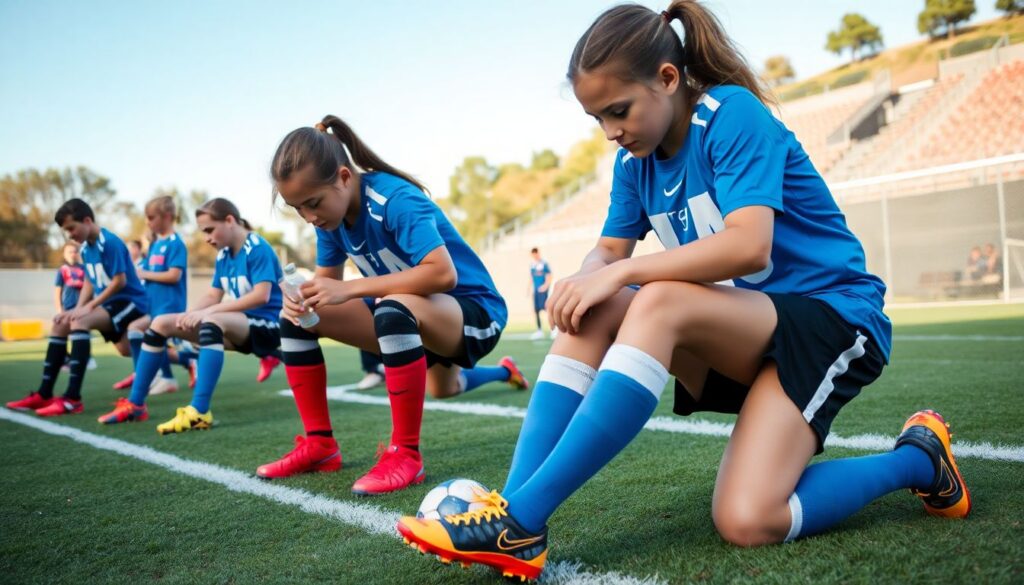
Bring appropriate boots for the surface, shin pads, water, a small snack and any medical equipment like inhalers if needed. Mentally, arrive prepared to follow instructions, accept rotation and give full effort in every drill, not only games.
Can a late-maturing player still become professional in Turkey?
Late developers can reach professional levels if they stay patient, focus on technique and game intelligence, and gain senior experience when ready. Choosing environments that value long-term potential over size, such as certain academies or semi-professional clubs, increases their chances.
How important is school performance for a future footballer?
Stable school performance reduces stress and keeps options open if injuries or deselection occur. Clubs often prefer players who manage both school and football responsibly, seeing it as a sign of discipline and maturity.
Should families record every match for scouting purposes?

Recording every match is not necessary, but having 1-2 full games and a short highlight video is useful once performance is consistently strong. Focus first on development and coaching feedback; create video only when the player is truly ready for extra exposure.