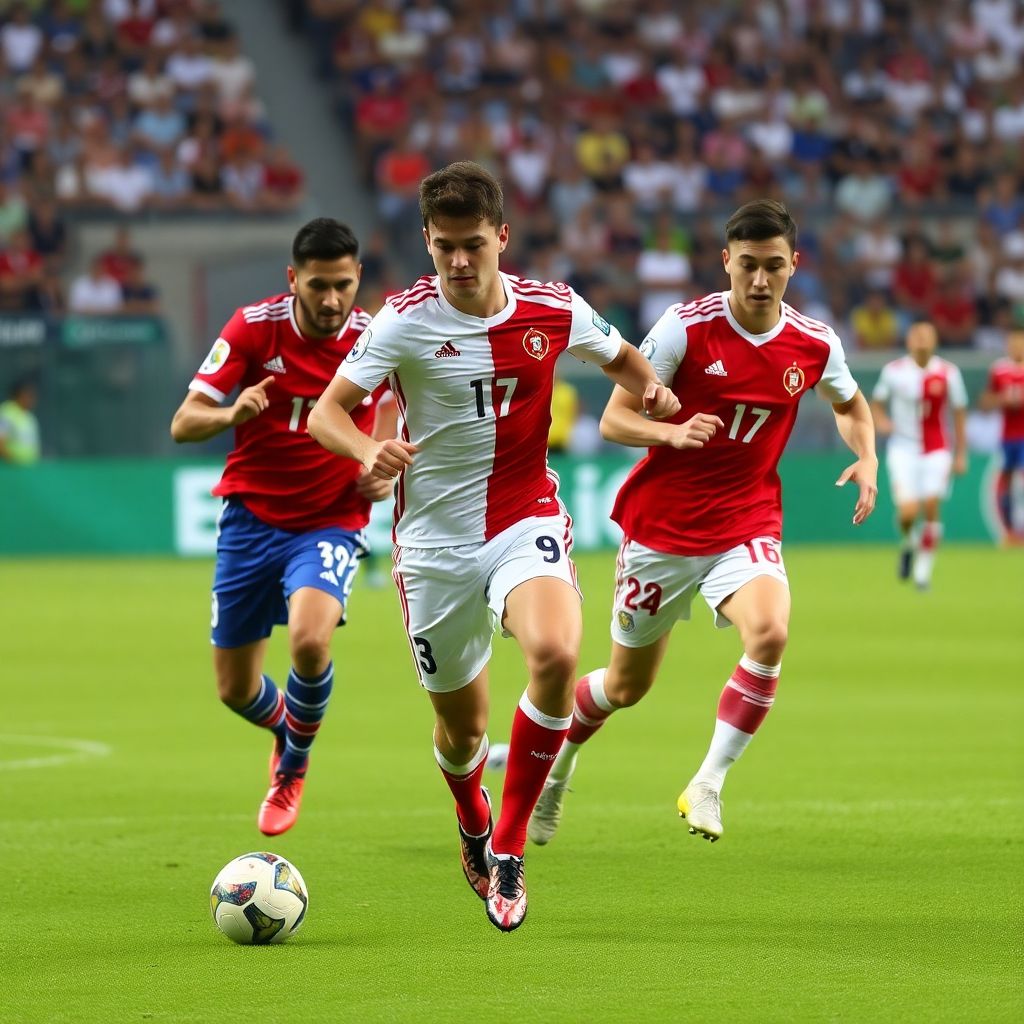
Foreign players in Süper Lig are a net positive for local development only when clubs cap their number of automatic starters, tie signings to clear tactical gaps, and protect minutes for Turkish prospects. The optimal model is a balanced squad: experienced imports in key roles, surrounded by locally developed players with guaranteed pathways.
Overall assessment: net effects of foreign signings on domestic talent
- Foreign players raise tactical level, game intensity and international visibility, but can easily crowd out Turkish youngsters if not managed by strict internal rules.
- Club-to-club variation is larger than league-wide rules; internal squad-planning standards matter more than headline quotas.
- For coaches, foreign signings work best as role-specific upgrades, not broad replacements for entire positional groups.
- For sporting directors, disciplined contract lengths and resale logic are essential to avoid wage inflation and blocked pathways.
- For policymakers, stable, predictable regulations plus incentives for minutes played by local players outperform hard caps alone.
- A balanced mix of imports and locals consistently outperforms extreme models, both competitively and in player-trading revenues.
Historical influx: how foreign participation in Süper Lig has evolved
This section frames a turkish super lig foreign players analysis in terms of practical criteria, not just nostalgia about the best foreign players in turkish super lig history.
- Share of minutes vs. squad numbers: Count how many minutes foreigners play, not just how many are registered. This is crucial when comparing turkey super lig statistics foreign vs local players across seasons.
- Positional concentration: Track which positions tilt foreign (e.g. forwards, playmakers, centre-backs) and which stay largely Turkish (e.g. goalkeepers in some eras). Development gaps usually mirror these import-heavy zones.
- Age profile of imports: Distinguish between peak-age signings, late-career names and young “project” foreigners. Each type pushes or blocks local talent differently.
- Tenure length: Short spells and constant turnover usually signal opportunistic buying; longer stays of core foreigners tend to transfer more knowledge to local teammates.
- Academy promotion rate: For each era of foreign-player rules, track how many academy players debut and then reach consistent first-team status.
- European competition dependency: In seasons with European group-stage participation, clubs often expand foreign recruitment; this skews the historical curve and should be separated analytically.
- Regulatory shocks: Every change to quota rules or work-permit criteria produces a distinct jump in foreign numbers; isolate these policy steps when evaluating the impact of foreign players on turkish super lig development.
- Market origin of imports: Shifts between European, South American, African or regional markets change both playing style and adaptation time, influencing how much locals learn from imports.
For a coach or scout, these criteria help to benchmark current squads against earlier cycles. For a sporting director, they guide long-term planning in the turkish super lig transfer market foreign players environment. For policymakers, they separate structural changes from short-term fashion.
On-field impact: do foreign players elevate match quality and results
The comparison below focuses on four practical squad-building variants that clubs in Süper Lig actually follow when using foreign players.
| Variant | Best for | Advantages | Drawbacks | When to choose |
|---|---|---|---|---|
| Import-heavy starting XI | Title-chasing clubs with immediate European ambitions | Rapid quality boost; higher tactical sophistication; proven experience in pressure matches; easier to plug specific weaknesses. | Local players get limited high-level minutes; wage bill risk; weaker dressing-room identity; succession planning becomes difficult. | Short windows where a club must qualify for Europe or win a trophy and can tolerate lower local development. |
| Balanced core: 5-7 key foreigners | Clubs aiming for stable top-half finishes and sustainable growth | Imports carry creative and high-pressure roles; Turkish players fill rotation and future-starter spots; knowledge transfer is strong. | Requires disciplined recruitment to avoid creeping import inflation; mistakes in a few key foreign signings hurt more. | When a club wants both competitive consistency and a clear pathway for academy graduates into important roles. |
| Homegrown-first with targeted stars | Clubs prioritising local identity and medium-term squad value | High minutes for locals; easier fan connection; better resale potential for Turkish players; imports act as mentors in 2-3 critical positions. | Short-term performance can be inconsistent; depth issues if academy output is weak; risk of overplaying young locals. | When finances are tight or the club has strong academy cohorts ready for promotion and only a few clear tactical gaps. |
| Loan-dependent foreign rotation | Clubs fighting relegation or with volatile finances | Low upfront cost; quick access to higher-level players; flexibility to reset squad each season; can patch multiple positions. | No continuity; limited commitment to local development; tactical identity changes annually; resale value is minimal. | As a survival tool in crisis seasons when long-term planning is secondary to staying in Süper Lig. |
Persona lens: coach or scout
- If you need immediate structure and reliability, prefer the Balanced core or Import-heavy variants, but insist on at least two Turkish rotational options per line (defence, midfield, attack).
- For long-term squad cohesion, the Homegrown-first model gives more tactical flexibility and buy-in from locals.
Persona lens: sporting director
- Use an import-heavy XI only in short, clearly defined cycles tied to European qualification targets, with exit routes for high earners.
- Default to a Balanced core with clearly mapped succession plans where top Turkish prospects are scheduled to replace foreign starters within two to three seasons.
Persona lens: policymaker or federation analyst
- Rather than pushing clubs into a single model, measure turkey super lig statistics foreign vs local players by variant type and reward balanced and homegrown-first approaches with financial or registration incentives.
- Evaluate the impact of foreign players on turkish super lig development by tracking game intensity, European results and U21 minutes together, not in isolation.
Economic effects: transfers, wages and long-term club finances
This section links foreign-player strategies to financial outcomes in the turkish super lig transfer market foreign players context.
- If your club signs many older, name-value foreigners on long contracts, then expect wage rigidity, limited resale, and pressure to cut academy investment during downturns.
- If you prioritise younger imports from undervalued markets with clear development potential, then you create a dual upside: competitive impact now and transfer profit later, including sell-on clauses.
- If you rely mainly on foreign loans to reduce upfront spending, then build parallel development plans for locals, because you will have almost no asset growth from loanees.
- If you use one or two marquee foreigners to elevate the team brand, then integrate them with marketing, sponsorship and matchday strategies so that commercial income offsets higher salaries.
- If academy graduates see no route to the first team due to foreign blocking, then be prepared for free transfers to rivals and lost training compensation opportunities.
- If you maintain transparent internal caps on foreign-player wages relative to locals, then dressing-room harmony improves and contract renewals with Turkish players become less costly.
Persona lens: financial and sporting leadership
- Sporting director: Build scenario models for every major foreign signing (best case, realistic, worst case) including resale, wages, and impact on local playing time.
- Club CEO/CFO: Link budget approval for extra imports to hard targets such as European qualification or specific transfer-income goals.
- Federation policymaker: Consider incentives (not only restrictions) for clubs that generate sustainable transfer income from Turkish players while still performing competitively with foreigners.
Development pathways: academy output, playing time and promotion hurdles

- Audit current minutes: List positions where Turkish players already play regular league minutes and positions dominated by foreigners; identify two roles per season where local minutes must grow.
- Rank academy talents by readiness: For each priority position, assign at least one high-potential academy or young local player as a candidate for promotion in the next one to two seasons.
- Set internal minute targets: Define specific thresholds for Turkish U23 minutes in league and cup matches, broken down by position group.
- Align foreign recruitment: Only sign foreign starters in positions where no local player is within one to two seasons of being ready; elsewhere, prefer short contracts or rotational roles for imports.
- Plan staged integration: Start local prospects in lower-pressure fixtures, cups and late-game substitutions, then expand to full matches if performance is stable.
- Review every transfer window: After each window, re-check whether new foreigners are blocking identified prospects; if so, arrange loans or adjust future recruitment.
- Measure outcomes: Track promotions, minutes, and eventual sales of academy graduates to evaluate if your foreign-player policy genuinely supports development.
Persona lens: academy director and head coach
- Academy staff should communicate clear depth charts, showing which foreigners are short-term bridges and which roles are targeted for Turkish successors.
- Head coaches must commit to giving planned minutes to local talents, even after short-term mistakes, to prevent constant emergency returns to foreign veterans.
Regulatory landscape: quota rules, work permits and enforcement gaps
- Assuming quotas alone will protect local development, without monitoring actual minutes played by Turkish players.
- Signing foreigners to exploit loopholes (for example, park them on the bench or in reserve squads) rather than to fill clear tactical needs.
- Overreacting to every small rule change, flipping between extreme foreign-heavy and local-only recruitment strategies.
- Ignoring work-permit and adaptation timelines when planning pre-season; late-arriving imports reduce chances for systematic integration of locals.
- Underestimating the influence of foreign agents on wage levels and squad balance, leading to stacked positions and empty roles elsewhere.
- Failing to use domestic loan systems and partnerships to keep Turkish players active when they are temporarily blocked by stronger foreigners.
- Not aligning club strategy with national-team objectives, so that foreign policies at club level undermine broader player-pool depth.
- Neglecting to communicate regulatory intentions to coaches and sporting directors, which causes misaligned recruitment and short-term decision-making.
Persona lens: federation, league and club compliance
- Federation staff should design rules that reward balanced models and track data like U21 minutes, not just registration lists.
- Clubs need internal guidelines stricter than league rules, especially on maximum foreign starters per line and minimum local-squad slots.
Success models: club case studies balancing imports with homegrown growth
Balanced-core strategies with five to seven key foreign players are usually best for clubs seeking both results and sustainable development, especially when they systematically promote Turkish youngsters behind those imports. Import-heavy models fit short, high-pressure cycles; homegrown-first approaches suit patient clubs with strong academies and modest financial resources.
Comparative snapshot: clubs, minutes and youth promotion
The table below illustrates how different Süper Lig clubs or seasons can combine foreign usage, local opportunities and youth promotion outcomes.
| Club & season profile (illustrative) | Foreign share of league minutes | Transfer spend focus | Number of local U23 players with 10+ league appearances | Youth graduates sold on within three seasons |
|---|---|---|---|---|
| Club A, title-contending season with many imports | Very high | Majority on experienced foreign starters in central spine | Low | Limited, mainly squad players |
| Club B, balanced top-half season | Moderate | Mix of targeted foreigners and renewed contracts for key locals | Medium | Regular, with solid fees for Turkish players |
| Club C, rebuilding with academy emphasis | Lower | Selective foreign signings; increased budget for youth development | High | Growing, including some flagship academy exits |
| Club D, relegation battle using many foreign loans | High but unstable | Short-term foreign loans across several positions | Very low | Minimal, academy value largely untapped |
For analysts working on a turkish super lig foreign players analysis or tracking the best foreign players in turkish super lig history, structuring club reviews in this way keeps the focus on how imports and locals interact rather than on raw headline numbers.
Practical queries for coaches, executives and analysts
How many foreign starters are too many for long-term local development?
The tipping point is usually when almost every attacking and central role is foreign, leaving Turkish players only in full-back or rotation positions. Aim to keep at least three to five starting spots realistically contestable by locals over the medium term.
Can a small Süper Lig club rely heavily on foreigners and still develop Turkish talent?
Yes, if foreign signings are limited to key leadership and creative roles and the rest of the squad is structured around developing and showcasing local players. Strong loan pathways and clear succession plans are essential.
What data should I track to judge whether foreigners help or hurt development?
Track minutes by nationality and age, positional depth charts, promotion rates from academy to first team, and transfer outcomes for Turkish players. Combine these with basic turkey super lig statistics foreign vs local players such as goals, assists and defensive actions.
How should a sporting director balance short-term European targets with local-player growth?
Use a slightly import-heavier squad during qualification cycles but keep contracts flexible and identify specific Turkish players who will replace foreign starters within a defined period. Communicate this plan clearly to coaching staff.
Do famous veteran foreigners slow or speed up Turkish player development?
They can do either. Veterans who train and communicate well often accelerate learning for locals; those who play every minute and block rotation without mentoring slow progress. Vet personality and professionalism as tightly as technical skills.
What role should federation rules play compared to internal club policy?
Federation rules should set a clear outer framework, but clubs still need stricter internal limits on foreign starters and targets for local minutes. Relying only on external quotas rarely delivers consistent development outcomes.
How does this debate influence national-team performance?
When foreign players raise league intensity but Turkish players still receive substantial minutes in key positions, the national team benefits. When imports dominate central roles and locals are peripheral, national-team depth and tactical flexibility suffer.