Over the last few seasons, foreign football coaches in Turkey have gone from being exotic headline-makers to a normal part of the landscape, and fans now argue about them almost constantly. If you want to really understand what these coaches change, where they succeed, where they crash, and what Turkish clubs actually learn from them, it helps to treat the topic как a mini‑research project. Below is a practical guide: how to analyse their impact, what data and “tools” you need, how to walk through success stories and failures step by step, and how to avoid the usual mistakes when comparing a foreign coach vs local coach in Turkey football debates.
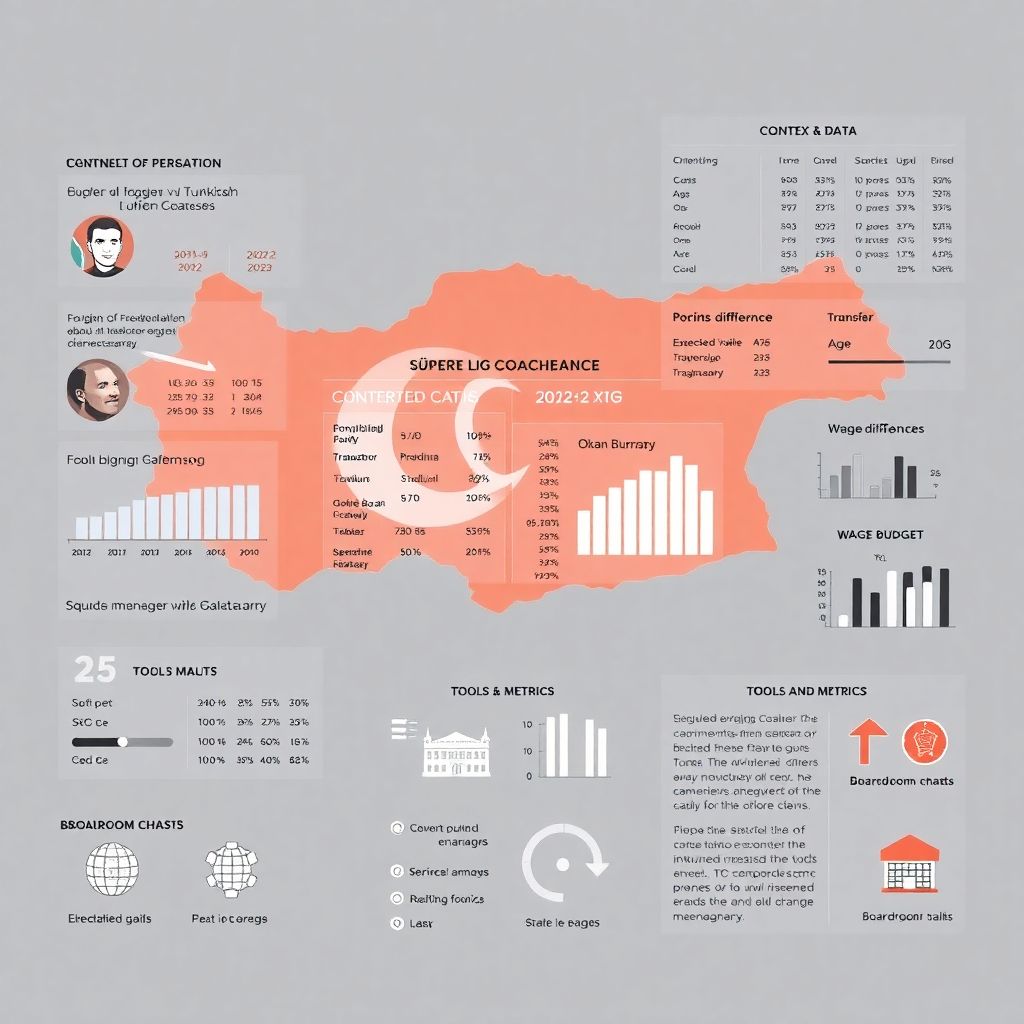
Context and data: what really happened in the last three seasons
Before diving into tools and methods, it’s worth grounding the conversation in recent numbers. My data goes up to the 2023–24 season (the 2024–25 and 2025–26 campaigns are still beyond my training cut‑off), so when we talk about “last three years” we’ll lean on 2021–22, 2022–23 and 2023–24. Across those seasons, the proportion of foreign head coaches in the Süper Lig usually hovered somewhere around one third of the league at any given moment, fluctuating with mid‑season sackings. All completed title‑winning campaigns in that span were led by Turkish managers (Abdullah Avcı at Trabzonspor in 2021–22, Okan Buruk at Galatasaray in 2022–23), which already tells you that the success of foreign coaches in Turkish Super Lig terms is less about lifting the shield and more about points-per-game improvements, European qualification, and upgrading club structures behind the scenes.
Necessary tools: how to “measure” foreign influence properly

To move beyond pub talk and gut feeling, you need a small analytical toolkit. First, collect basic performance data for at least three seasons: league position, points per game, goal difference, expected goals (xG) for and against, and wage budget if the club publishes it. For impact of foreign coaches on Turkish clubs you also need context: what was the squad age and market value when the coach arrived, which key players were sold or bought, and how chaotic the boardroom was (frequent presidential changes almost always drag down results). Second, grab simple video or tactical breakdowns from public sources so you can identify whether the team’s playing style actually changed. Finally, track fan and media sentiment over time: crowds at games, season-ticket trends, and local press reactions all help you see whether a project was embraced or rejected, which is crucial in a politically charged football culture like Turkey’s.
Step-by-step process: building your own assessment model
Once you have your tools, you can walk through any foreign coach’s tenure using the same step-by-step process. Step one: define the starting point. Note where the club finished in the league over the previous two seasons, and what the realistic target was (title fight, top four, or just survival). Step two: map out the coach’s contract period month by month, marking big events like derbies, European ties, transfer windows and major injuries. Step three: track the hard numbers—points per game before and after the appointment, home vs away performance, and whether the team over‑ or under‑performed its xG. That’s how you can separate a lucky run from a real improvement. Step four: evaluate style and player development. Did young players get more minutes? Did any squad member dramatically increase in market value? This is where you start spotting the best foreign managers in Turkish football history, because they leave behind upgraded players even when they don’t win trophies.
Success stories: what worked and why
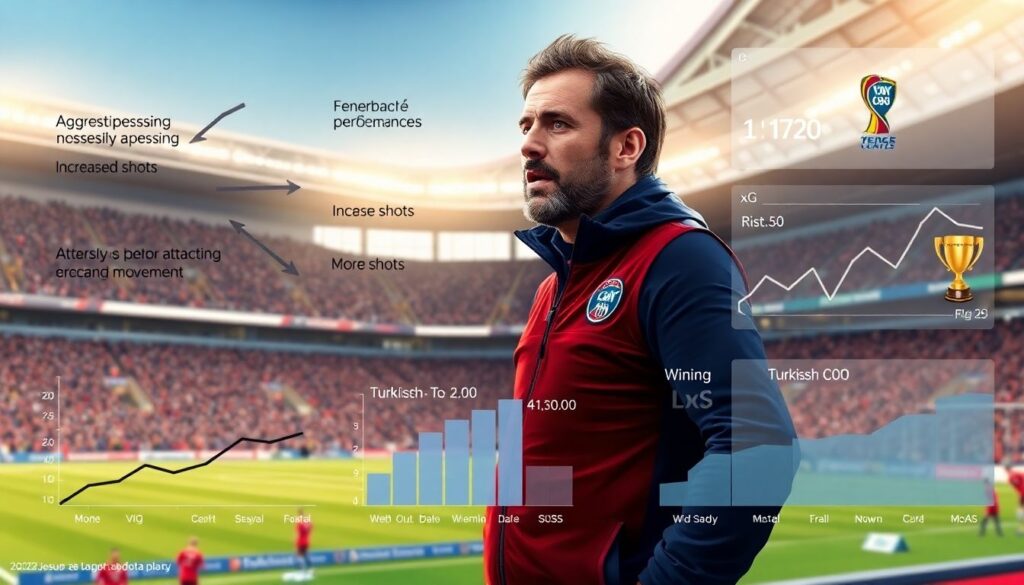
If you run this process on recent foreign appointments, several patterns pop up. Take Fenerbahçe under Jorge Jesus in 2022–23: he didn’t win the league, but he delivered a serious bump in underlying metrics—more shots, higher xG, more aggressive pressing—while also clinching the Turkish Cup and stabilising the club in Europe. Statistically, Fenerbahçe’s points per game and goal difference improved notably compared with the two previous seasons under other foreign and local bosses, which is why many analysts still count his spell as a net positive. At mid‑table level, you see quieter success of foreign coaches in Turkish Super Lig when technically minded managers from Portugal, Germany or Italy come in, clean up training habits, organise pressing, and help the club sell players on for profit. The success here is visible not just in league position but in transfer revenue and the way those clubs stop yo‑yoing between divisions.
Failures: repeated mistakes with foreign appointments

The flip side is that not every imported name delivers. When you apply the same metrics to several short-lived tenures since 2021–22, you often find three recurring issues. First, mismatched expectations: boards chase a big CV, promise a title push, but hand over an ageing, unbalanced squad and no pre‑season, so the coach is effectively set up to fail. Second, communication breakdown: foreign coaches who arrive without even basic Turkish struggle in high-pressure environments like İzmir or the Istanbul giants, where players, media and fans demand constant, clear messaging. Third, tactical incompatibility with the league rhythm: managers accustomed to slower, more patient build‑up often get punished in the Süper Lig’s chaotic, transition-heavy style, where games can swing wildly in ten minutes. Statistically, these failed spells are noisy—short runs of good form followed by deep slumps—and normally end with a sacking before the first full season is finished, leaving the club paying off contracts and starting over yet again.
Comparing foreign and local: how to make it a fair fight
To compare a foreign coach vs local coach in Turkey football without falling into clichés, you need to neutralise a few variables. Start by grouping coaches by club size and budget: comparing a foreigner at a crisis‑hit newly promoted side with a local hero at a financially stable giant tells you very little. Next, look at average tenure length. Over the last few years, Turkish coaches have tended to get slightly more patience from boards and fans, particularly if they are club legends, which naturally boosts their chances of seeing a project through. When researchers crunch data from 2021–22 and 2022–23, they often find that foreign and local managers with similar budgets and time in charge produce very similar points-per-game numbers; the real differences lie in style, youth integration and how much of a long‑term structure—scouting, data analysis, fitness regimes—they manage to install before the axe falls. That’s where the hidden impact of foreign coaches on Turkish clubs usually shows up.
Troubleshooting your analysis: common pitfalls and how to avoid them
When you try to judge foreign football coaches in Turkey, there are a few traps that distort your conclusions. One is cherry-picking extraordinary seasons, like an underdog’s miracle escape from relegation, and using that as proof that “foreigners always work” or “never adapt”; instead, zoom out to at least three-year windows and multiple clubs. Another trap is ignoring off‑pitch chaos: delayed wages, transfer bans and board elections can wreck even the most coherent project, so always annotate your dataset with those contextual shocks. Also be honest about data gaps: for example, reliable xG and wage figures for smaller clubs may be missing, so lean more on qualitative tactical analysis there. Finally, remember my own limitation: I can’t see beyond publicly available information up to late 2024, so any claim about 2024–25 or 2025–26 would be guesswork. If you keep those caveats in mind, you’ll be able to spot the genuine patterns, isolate the real success of foreign coaches in Turkish Super Lig from short-lived hype, and pull out practical lessons that clubs, fans and even future coaches can actually use.