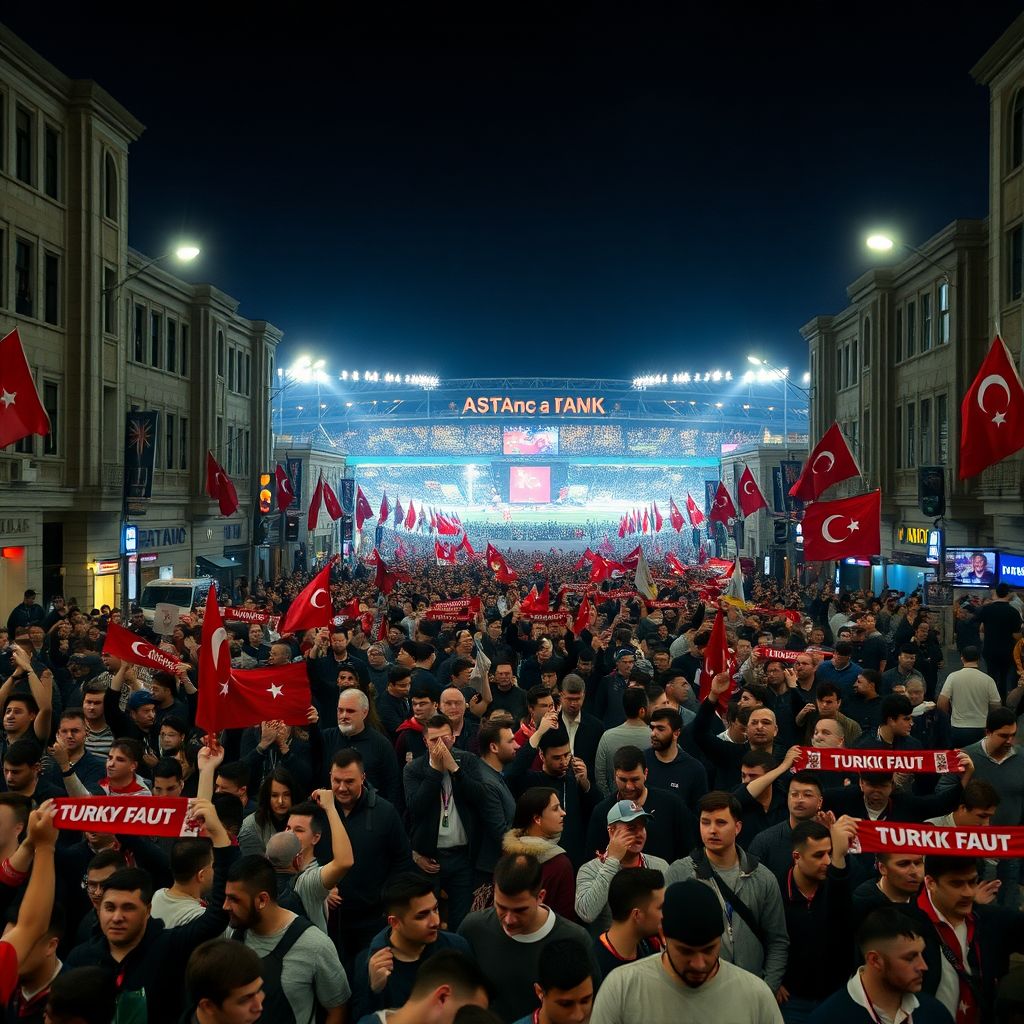
Football fandom in Turkey’s major cities is a dense street-to-stadium culture built from neighbourhood loyalties, migration histories, and intense rivalries. It shapes how people occupy streets, transport, and digital spaces on matchdays. Understanding its origins, rituals and politics helps visitors, new fans and researchers avoid common mistakes and navigate games safely.
Core dynamics shaping football fandom in Turkish cities
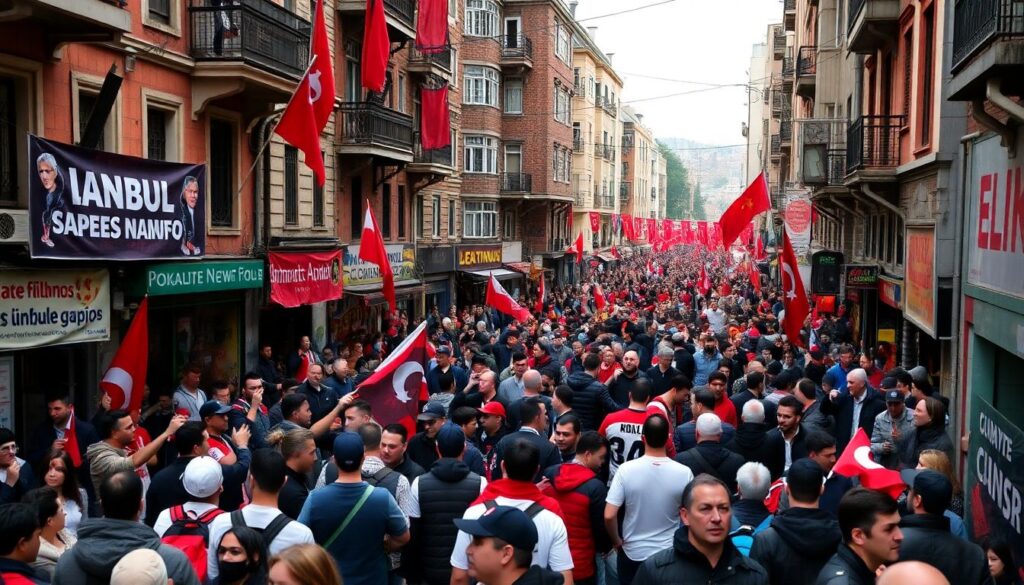
- Urban neighbourhoods, not just clubs, define who supports whom and how collective identity is expressed.
- Historic rivalries, especially in Istanbul, structure everyday banter, media narratives and matchday risk zones.
- Street rituals, chants and fan groups create informal authority that often matters more than formal rules.
- Stadium choreography and ticketing economics regulate who can enter, sing, protest or simply watch.
- National symbols and local pride turn club colours into powerful political and emotional markers.
- Digital media reshapes mobilization, amplifying passions and occasionally escalating conflicts faster than before.
Urban origins: how neighbourhoods and migration formed city fan bases
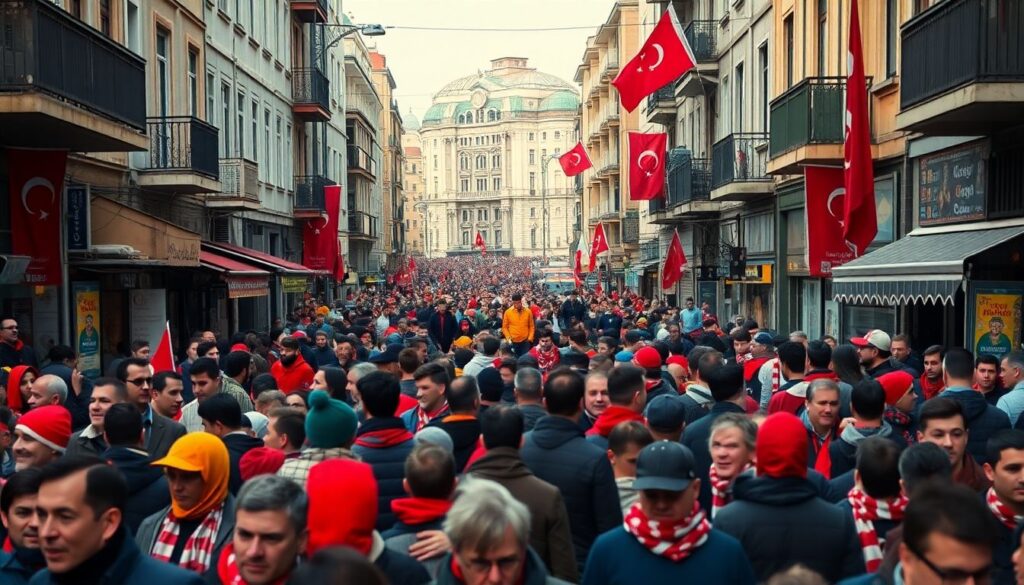
In Turkey, football fandom is first an urban phenomenon before it is a purely sporting one. In Istanbul, Ankara, Izmir and Bursa, support for a club is historically tied to specific districts, class backgrounds and migration waves. A club often stands in for a whole way of living in the city.
Neighbourhoods consolidate fan bases by transmitting loyalties through family, schools, workplaces, and local cafés. Migrants arriving from Anatolian towns bring their own club preferences, which then mix with big-city identities. Over time, this blend produces highly localised fan cultures: the same club can mean different things in Kadıköy, Çankaya or Karşıyaka.
The boundaries of fandom are therefore social and spatial. A metro line, bridge or university campus might mark where one club’s scarves become rare. This helps explain why football tourism Istanbul derby tickets are not just about a seat in the stadium, but also about moving through contested urban spaces before and after the match.
Common mistakes for newcomers include assuming clubs are chosen rationally, like brands, or that all city residents back the most successful team. Quick prevention is simple: ask people where they grew up, which neighbourhood they connect with, and how their family started supporting a club. Their answer will map the local fan geography for you.
Club identity and rivalry: tracing allegiances across Istanbul, Ankara and Izmir
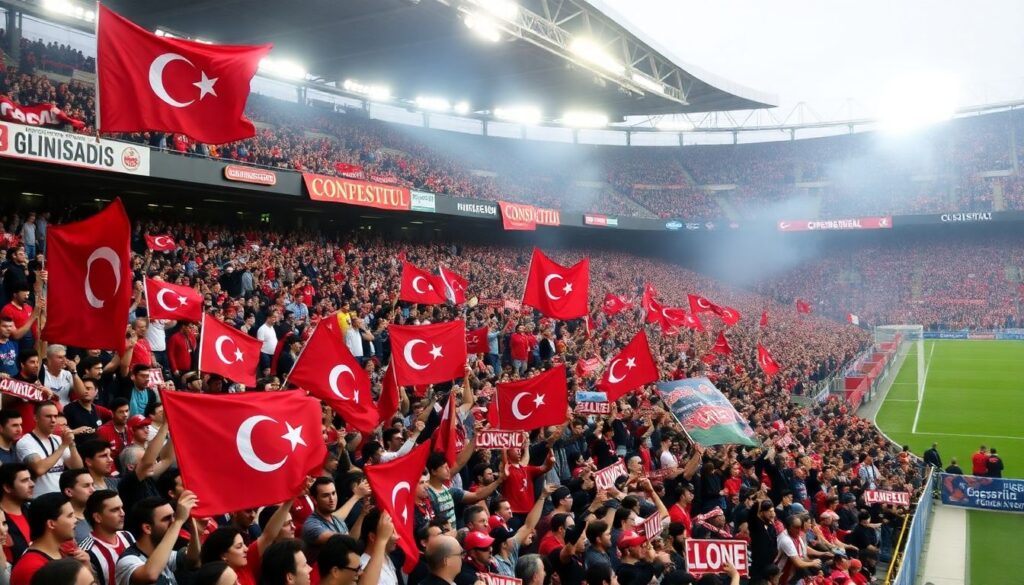
Club identities in Turkey’s big cities are built through layered rivalries: between districts, economic groups, political leanings and generations. These rivalries give matches meaning beyond the scoreline and guide how fans treat each other in daily life, workplaces and universities.
- Istanbul’s triple axis of power. The rivalries among Galatasaray, Fenerbahçe and Beşiktaş mirror old divides between European and Asian sides, elite schools and more popular roots. Misreading this axis leads visitors to treat a Galatasaray-Fenerbahçe game like any ordinary derby, overlooking why Galatasaray Fenerbahce match tickets Istanbul often come with strict security and mobility plans.
- Ankara’s political undertones. Clubs like Gençlerbirliği and Ankaragücü connect to civil servant experiences, student life, and working-class neighbourhoods. Simplifying their rivalry to “small vs big” club ignores the capital’s layered political symbols, which surface in stadium banners and chants.
- Izmir’s local pride and resistance. Göztepe, Karşıyaka and Altay are tied to port histories, trade and particular districts. Rivalries here are less about national trophies and more about honour, memory and city heritage, which many outsiders underestimate when attending matches or using Turkey football stadium tours Istanbul Ankara Izmir as a reference point.
- Minor clubs, major emotions. Smaller Istanbul and Anatolian clubs (for example in Bursa’s districts or Istanbul’s outskirts) embody suburban identities. Underestimating their emotional weight can be a mistake, especially for researchers focusing only on “big three” data.
- Everyday rivalry etiquette. Allegiances regulate jokes, office dress codes, and how people decorate cars or shops. Ignoring this etiquette (for example by waving any scarf anywhere) is a typical error that can be prevented by observing what local fans wear in that specific area.
- Ticketing as a filter. Turkish Super Lig tickets online booking processes, club membership and pass systems are used by clubs and authorities to channel which fans go where, partially diffusing rivalry risks by separating groups in stands and in transport.
In practice, understanding rivalry mechanics means mapping three things for each city: which districts associate with which clubs, how rival fans share public spaces on weekdays, and which fixtures authorities label as “high risk”. A quick scan of local news and fan forums before a trip helps prevent most avoidable conflicts.
Street-level rituals: pre-match gatherings, chants and informal networks
Street culture is where Turkish football fandom becomes visible and audible. Before big games, fans turn certain streets, squares and ferry piers into semi-ritual spaces through songs, flares, stickers and temporary “ownership” of cafés and bus stops.
- Pre-match congregations. Around Istanbul, areas like Kadıköy, Beşiktaş Çarşı or Mecidiyeköy serve as meeting points where groups march to the stadium together. Visitors who treat these crowds as purely touristic spectacles risk blocking routes or photographing people at tense moments. The quick fix is to stand aside, follow instructions from stewards, and never walk against the group flow.
- Chants and drum circles. Chants encode club history and politics; some are playful, others confrontational. Newcomers sometimes join in without understanding lyrics, which can be offensive about rival districts or sensitive events. The safer approach is to listen first, join only the clearly celebratory or neutral chants, and avoid leading any songs.
- Transport rituals. Ferries, metro lines and buses can temporarily “belong” to a fan group. Mistakes include wearing rival colours on these routes, staying on a packed carriage if you feel unsafe, or arguing about football in late-night services. Prevention: travel early, avoid obviously rival colours, and quietly change coaches if the mood shifts.
- Café and bar micro-territories. Many İzmir and Ankara cafés are known locally as specific club spaces. A common error is assuming a neutral environment just because there are no visible flags. Ask staff which games they show, or look at scarves and photos on the wall before opening discussions about other clubs.
- Informal leaders and networks. Fan group elders, drummers and banner carriers often maintain order more efficiently than police in tight alleys and side streets. Ignoring their hand gestures or requests (for example, to clear a path, stop filming, or put away alcohol) is a fast way to create tension. Watch who others follow and mirror that behaviour.
Many football fan experience packages Turkey major cities now include guided pre-match walks. These can reduce errors by putting visitors within groups that know which streets to avoid, when to arrive, and how to participate respectfully in chants and marches.
Stadium practice: choreography, safety, and the economics of matchday
Inside stadiums, fandom becomes structured by seats, cameras, police lines, and revenue models. Choreographed displays, ultra sections, family stands and VIP boxes segment the crowd into different roles, each with its own rules and expectations.
Advantages
- Organised choreography. Tifo displays and coordinated chanting generate powerful collective experiences and visually striking scenes, especially at derbies and European matches.
- Safety zoning. Segregated away sections, family blocks and monitored ultra areas help reduce direct clashes and give risk-averse fans clear choices about where to sit.
- Predictable logistics. Digital tickets, turnstiles and pre-allocated seats, especially when handled via Turkish Super Lig tickets online booking platforms, make entry more orderly when fans follow rules and arrive early.
- Diverse experiences. From ultras’ non-stop singing to quieter upper tiers, the stadium offers different modes of belonging suited to families, tourists, or hardcore locals.
Limitations and frequent mistakes
- Underestimating access controls. A regular error is buying resale tickets without the right ID or pass, then being denied entry. Prevention: purchase only from official club channels or trusted partners tied to football tourism Istanbul derby tickets offers, checking name, ID and pass requirements in advance.
- Wrong sector choice. Sitting in an ultra section expecting a relaxed experience, or in an away block in local colours, can be risky. Research stand culture before choosing, or ask locals which side suits your profile.
- Late arrival. Arriving near kick-off can mean long queues, missing choreography, or getting stuck in compressed crowds at gates. The simple fix is to aim to be inside at least one hour before high-profile games, adjusting for local security advice.
- Ignoring stadium announcements. Fans sometimes disregard steward or police guidance about which exits to use or where to wait after the match. Following instructions, even if they seem slow, usually lowers risk by separating rival routes.
- Over-focusing on filming. Excessive filming or selfie-taking in emotionally charged sections may irritate serious fans and distract from safety cues. Prioritise watching behaviour around you; keep filming short and discreet.
Politics and symbolism: nationalism, local pride and state interactions
Football fandom in Turkey often carries political and symbolic messages, from national anthems to banners about local grievances. Misreading these symbols is one of the most common errors made by visitors, new fans, and even researchers.
- Myth: colours are only about sport. Club colours and flags sometimes overlap with political or regional symbols. Assuming they are “just fashion” can lead to inappropriate clothing choices at sensitive matches. Quick prevention: check local news and fan discussions to learn which symbols are currently heated.
- Myth: all political chants are the same. Some chants target national politics, others focus on club administrations or federation decisions. Treating them as a single “anti-government” block oversimplifies realities and risks misinterpretation in research. Listen for context: which decision, which actor, which event is being referenced.
- Error: waving any national flag anywhere. Many believe that carrying a national flag always diffuses tension. In practice, at particular matches, it can be read as supporting one side of a political argument. If you are unsure, keep flags neutral (club-only) or remain without flags.
- Error: photographing banners without consent. Banners that criticise authorities or club boards can be sensitive for those holding them. Publishing close-ups without permission may expose individuals to trouble. Stand back, avoid identifiable faces, and ask before using images publicly.
- Myth: the state fully controls stadium narratives. While security presence is strong, fans still negotiate space for protest, humour and coded messages. Researchers who assume full control miss these subtleties; paying attention to small banners, chants between minutes, or post-match gatherings helps correct this bias.
- Error: ignoring local commemorations. Certain matches are tied to anniversaries of tragedies, former players, or political events. Treating them as “regular games” in writing or behaviour can seem disrespectful. Check club communication and fan forums for commemorative plans before attending.
Digital shifts: social media, broadcasting and changing modes of mobilization
Digital platforms have moved parts of Turkish football fandom from the street to screens, without eliminating physical rituals. Fan groups now use messaging apps, forums and social networks to coordinate songs, protests, and travel, and to sell or swap tickets within controlled circles.
Mini-case: a foreign fan plans to attend a high-profile Istanbul derby and searches for Galatasaray Fenerbahce match tickets Istanbul using various platforms. They find an offer from a fan-run group that includes stadium entry and a pre-match walk, plus access to an online group chat.
Good practice looks like this: the fan verifies that the group works with the club or a reputable agency, checks that ticket names match passport details, reviews meeting points and routes, and uses official Turkey football stadium tours Istanbul Ankara Izmir information to understand security perimeters. They mute heated political discussions in the chat, follow local advice on colours, and do not buy or resell extra tickets through last-minute unknown accounts.
Common digital mistakes include trusting anonymous resellers, joining provocative online arguments with local fans, or sharing real-time location data publicly on matchdays. Preventing these errors is straightforward: stick to verified channels and official club apps for ticketing, treat closed fan groups as semi-private spaces, and avoid live-posting detailed routes until after the event.
Practical queries from fans and researchers
How can a visitor choose a safe section to sit in for a big-city match?
Check stadium maps and ask locals which stands are known as family or neutral areas. Avoid ultra sections and away blocks unless you understand their culture. Fan forums and official club sites usually describe stand atmospheres clearly.
What is the safest way to buy tickets for high-demand derbies?
Use official club websites, authorised partners, or reputable football tourism Istanbul derby tickets packages that clearly list ID and pass requirements. Avoid social media resales from unknown accounts and always confirm whether name changes on tickets are allowed.
Are pre-match street gatherings safe for tourists to join?
They can be safe if you go with locals or trusted guides, avoid rival colours, and stay at the margins rather than the core of noisy groups. Leave quickly if you sense tension, and never argue about football on crowded transport routes.
How political are chants and banners in Istanbul, Ankara and Izmir?
Levels vary by club and moment. Some games are mostly celebratory; others include pointed messages about club boards or national affairs. If you do not understand Turkish, avoid leading chants or filming close-ups of critical banners.
What should researchers do to avoid misinterpreting local rivalries?
Spend time in different neighbourhoods, not just at the stadium. Ask fans to explain how they learned their loyalty and how they see rival clubs. Cross-check online narratives with on-the-ground conversations before publishing conclusions.
Are fan experience packages a good idea for first-time visitors?
Well-organised football fan experience packages Turkey major cities can reduce mistakes by handling tickets, routes and cultural briefings. Read reviews carefully, verify links with clubs or recognised agencies, and avoid offers that encourage confrontational behaviour.
Can stadium tours replace attending a live match for understanding fan culture?
Turkey football stadium tours Istanbul Ankara Izmir are useful for learning history, architecture and official narratives, but they cannot fully replace live matchday atmospheres. Combining a tour with a lower-risk league game usually offers a balanced introduction.