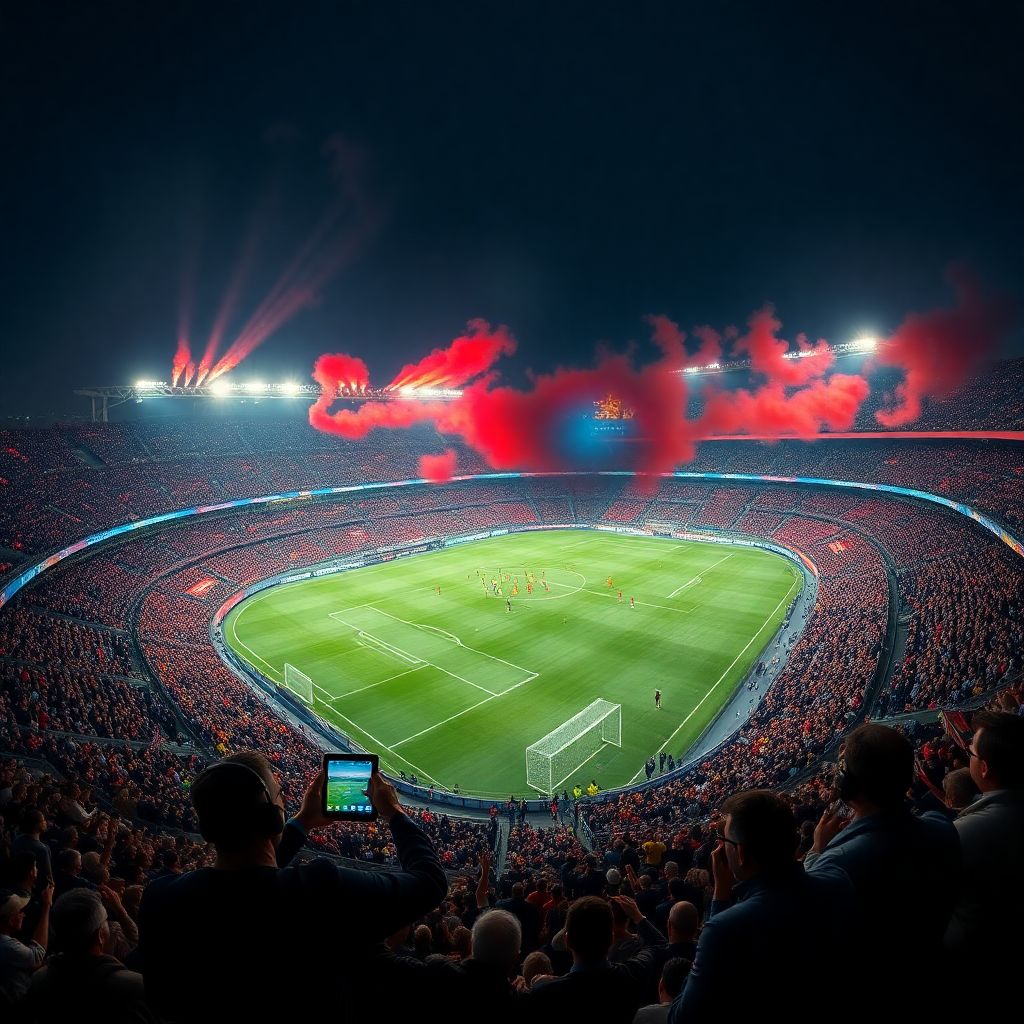
European nights in Turkey: why they hit differently
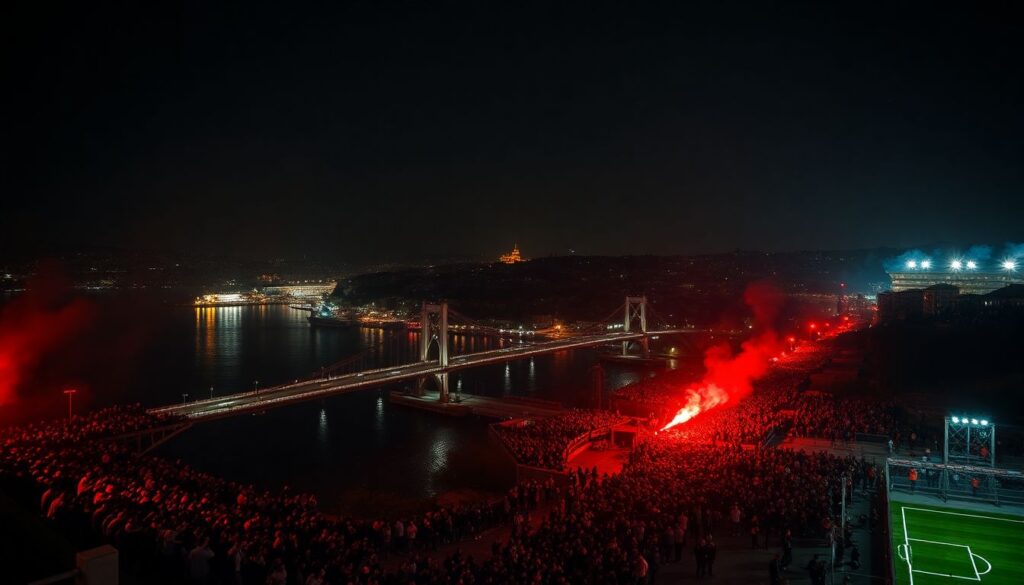
Ask any travelling fan which away day they secretly fear and Istanbul will be in the top three. It’s not just noise – it’s the way the whole city seems to bend around a matchday. Floodlit Bosphorus, flares on the bridges, late‑night kick‑offs, and the sense that domestic form stops mattering. Over the last three decades, turkish clubs champions league history has turned into a case study of how environments, psychology and tactics can combine to push teams well beyond their statistical level. And in the mid‑2020s, this isn’t just about “passion” anymore; it’s about clubs learning to weaponise that passion in a structured, almost scientific way.
In Europe, Turkish sides rarely win the tournament, but they regularly hijack the script. That’s their niche.
Galatasaray: scripting chaos in the Champions League
If you’re looking for galatasaray best champions league matches, you don’t have to go back only to the 2000s. The 2023–24 group stage run, where they rattled Manchester United at Old Trafford and stood toe‑to‑toe with Bayern, showed a modern template: high‑risk pressing in waves, then controlled retreat into a mid‑block. The trick wasn’t just aggression; it was timing. Data analysts on the bench used live metrics – sprint counts, pressing trigger efficiency, even micro‑GPS fatigue flags – to signal when to flip between ultra‑high and medium blocks. From the outside it looked like “chaos football”; under the hood it was pre‑programmed turbulence designed to peak exactly when the crowd hit max volume.
The non‑obvious lesson: the loudest stadium needs the calmest control tower.
Real case: Old Trafford shock as a lab experiment
That 3:2 win in Manchester wasn’t just a romantic upset, it was a real‑time experiment in risk allocation. Galatasaray accepted that United would create chances between minutes 15 and 35 when their press was freshest. Instead of burning energy trying to stop every entry pass, they focused on “pressing the second ball” – attacking bad clearances and loose touches after the first duel. It’s a moderately sub‑optimal strategy on paper, but it fits an underdog: you trade early xG against for higher‑value transition attacks. A small tweak, yet it let Icardi and company receive the ball facing goal instead of with their back to it. This is where modern Turkish coaching quietly departs from old‑school “fight for every ball” clichés.
Underdog coaches in Europe can steal this: choose *where* you compete, not just *that* you compete.
Alternative methods: managing the crowd, not just the players
Turkish clubs long ago learned that the crowd is a resource that needs tactical management. At Rams Park, staff now segment the match into “emotional blocks”: 15‑minute windows with specific in‑stadium stimuli – choreos, chants coordinated with corner kicks, deliberate pauses for VAR replays to keep noise simmering instead of peaking too early. The sports‑science twist is that players’ heart‑rate data is mapped against sound‑level readings. If adrenaline spikes too quickly, the team is instructed to slow things down, recycle the ball, or even intentionally over‑play short goal kicks to drop the emotional temperature. It’s counterintuitive, but by mid‑2020s standards this is standard operating procedure: you don’t just ride the atmosphere, you pace it like a marathon.
For professionals, the lifehack is simple: treat the stadium like a twelfth player with minutes management.
Fenerbahçe: Europa League as a proving ground
When we talk about fenerbahce europa league highlights, fans still remember the 2012–13 semi‑final run, but the more interesting part is how the club has rebranded European Thursdays after 2020. Instead of seeing the Europa League as a comedown from the Champions League, Fenerbahçe framed it internally as a “data sandbox”. Rotations weren’t just about resting legs; they were structured experiments: different pressing traps, asymmetrical full‑back roles, even trialling academy centre‑backs in high‑line systems against continental strikers. The board accepted short‑term volatility in results to build a tactical library for future Champions League play‑offs. That’s why their European nights often look tactically adventurous compared to cautious league games.
Europe became their R&D lab rather than just a trophy hunt.
Non‑obvious trick: building “European player profiles”
One of the smarter Fenerbahçe moves in the 2020s was to scout not just for quality, but for “European translatability.” Data staff noticed that players who dominated the Süper Lig through physical duels sometimes struggled in Europe, where refereeing is stricter and pressing waves are more synchronised. So they developed custom profiles: players with quicker decision‑making under high press, better orientation to receive on the half‑turn, and fewer fouls per defensive action. These weren’t always domestic stars; some came from mid‑table Bundesliga or Eredivisie sides. The result: the team might look slightly underwhelming on a cold away day in the league yet suddenly very “European” under Thursday lights. That’s a deliberate trade‑off, not inconsistency.
Professional takeaway: build two recruiting lenses – domestic and continental – and accept they point to different players.
Beşiktaş: mastering momentum in Europe
If you scroll through besiktas european cup memorable games, that 2017–18 Champions League group, when they topped a pool with Porto, Leipzig and Monaco, stands out. What’s fascinating in hindsight is how they structured their season around *emotional peaks*. Beşiktaş staff essentially treated European away games as narrative events: earlier in the week, tactical meetings used short edited video packages with crowd noise mixed in to “pre‑load” players emotionally. But match plans themselves were surprisingly conservative: deep, narrow blocks, calm possession phases, and a clear rule that the first 20 minutes were for survival, not for heroics. The club realised that momentum in Europe is often about *not* conceding early, letting the home crowd get nervy, then stealing the script.
In modern terms, they hacked the emotional curve instead of chasing an early fairytale.
Alternative method: using set pieces as emotional levers
A very specific Beşiktaş trick has been turning set pieces into emotional accelerators rather than mere scoring chances. Analysts identified that Turkish teams at home often suffer a small concentration drop immediately after big missed chances or controversial VAR calls. So Beşiktaş flipped the logic: in away games, they would quietly “store” particular corner routines for post‑shock moments – right after a near miss from the opponent or a contentious decision. The idea was to weaponise the lull, not the high. It’s a subtle shift in mindset: you’re not just optimising xG; you’re optimising *when* that xG lands in the emotional timeline of the match. Many of their big European goals feel “against the run of play” because, in a psychological sense, they intentionally are.
Coaches can copy this with a simple rule: label set‑piece routines by game state, not just by position.
Modern fan experience: data, streaming and second screens
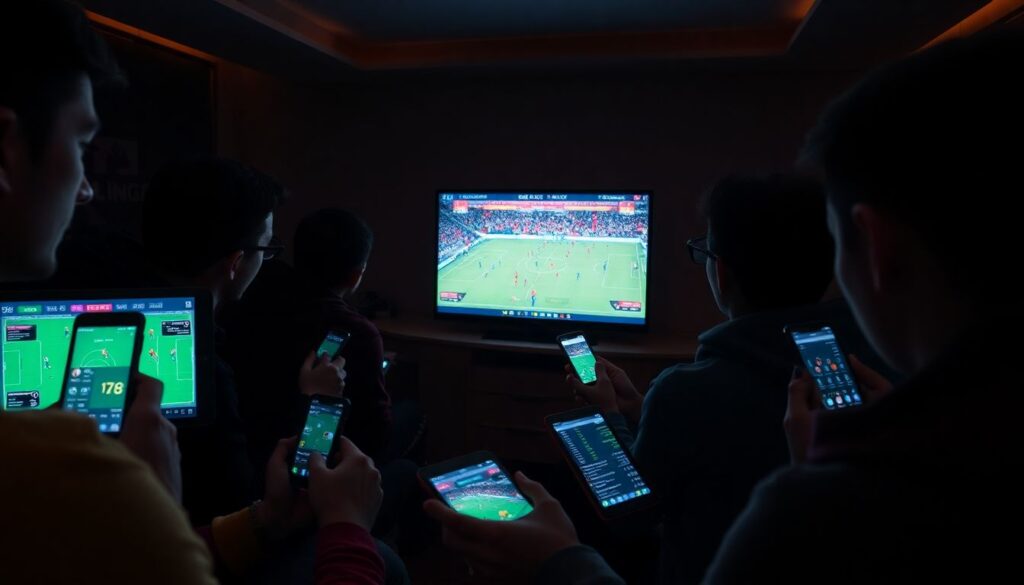
By the mid‑2020s, watching these nights changed as much as playing them. Younger fans rarely sit in front of linear TV; they watch uefa champions league live streaming turkey feeds on phones, with instant access to xG graphs, pressing maps and social media debates. This second‑screen culture affects the clubs too. Media teams collaborate with performance analysts: clips of pressing traps, recovery runs and subtle tactical shifts are posted live to shape the narrative beyond just goals and refereeing rants. Players, who inevitably see these feeds, start valuing “invisible work” because it’s literally being made visible to millions. It’s a feedback loop: analytics content doesn’t stay in the analyst room; it becomes part of how fans consume and, indirectly, how players perform.
In other words, European nights are now co‑created by code, cameras and crowds.
Pro lifehacks for insiders: preparing for Istanbul away days
For professionals planning to face Turkish clubs in Europe, the real edge lies in preparation away from tactics boards. First, simulate noise and delay: training with artificial crowd sound, exaggerated VAR‑style stoppages and late‑night kick‑off rhythms helps players normalise the experience. Second, control information diet: limit players’ exposure to hostile social media and focus on internal video briefings that highlight *controllable* patterns, not myths about “hellish atmospheres.” Third, pre‑decide behaviours for flashpoints – how captains react to flares, pitch invaders, borderline fouls – so nobody is improvising with adrenaline at 85 minutes. Turkish sides have turned emotional volatility into a home‑field weapon; the only reliable antidote is rehearsal, not bravado.
Those who treat Istanbul like a science project, not a horror story, usually survive it better.
Looking ahead: what the next great Turkish European night will look like
Standing in 2026, the template is clear even if the specific match isn’t. The next iconic Turkish European night will likely feature a tactically literate high press, algorithm‑guided substitutions, and a stadium that’s been acoustically modelled to amplify certain chants. It’ll be streamed globally in ultra‑HD, clipped in real time for tactical TikToks, and dissected overnight by fan‑analysts running their own models at home. What will stay the same is the feeling: a supposedly bigger club walking into a ground expecting “atmosphere” and instead meeting something sharper – a fusion of noise, numbers and nuance. Turkish clubs may not consistently win Europe, but they’ve quietly become specialists in turning individual matches into legends. And that, in an era of endless content, might be the rarest skill of all.