Why Turkish youth academies are changing so fast
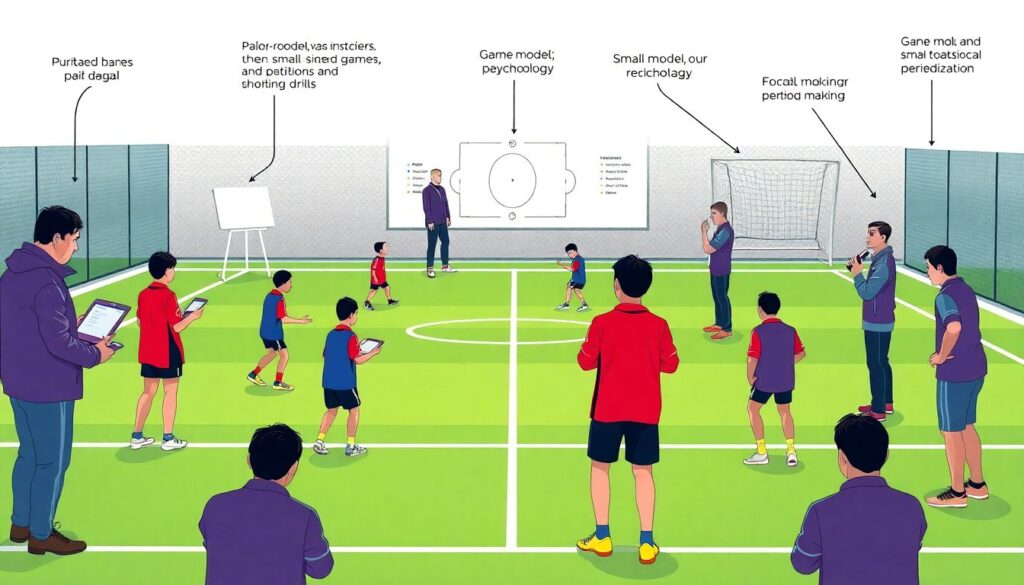
Turkish youth academies have gone through a quiet coaching revolution over the last decade. Instead of just running, crossing and shooting drills, many clubs now use data, psychology and position‑specific scenarios almost every day. Coaches talk about “game models”, “tactical periodization” and “individual learning plans” even with U12 players. This shift is especially visible in any serious youth football academy Turkey offers in big cities: coaches film every session, parents get digital reports, and scouts track not only goals, but decision‑making speed and physical readiness across a full season.
Key terms: making the jargon simple
Modern Turkish coaches love terminology, so it helps to decode the basics. A “game model” is simply the team’s blueprint: how you want to attack, defend and transition. “Tactical periodization” means that fitness, technique and tactics are trained together instead of separately, always linked to the real match context. An “individual development plan” is a written roadmap for one player, updated each block of the season. These terms sound fancy, but in practice they are just structured ways to answer a simple question: how does this kid get better, week by week?
How modern coaching differs from old-school training
If you watched a session in Turkey in the 1990s, you’d mostly see endless laps, generic passing lines and shouting. Today, a similar age group might work in small games with strict rules: three‑touch limits, overloaded sides, positional constraints. The aim is to tie every drill to a specific problem from the last match. Coaches also speak more, but shout less; feedback is shorter, often in the form of questions so kids find solutions themselves. That mindset shift is the real backbone of the coaching revolution, beyond the cones and GPS vests.
Text-based diagram: structure of a modern session
Представим простую диаграмму, описанную словами.
Diagram:
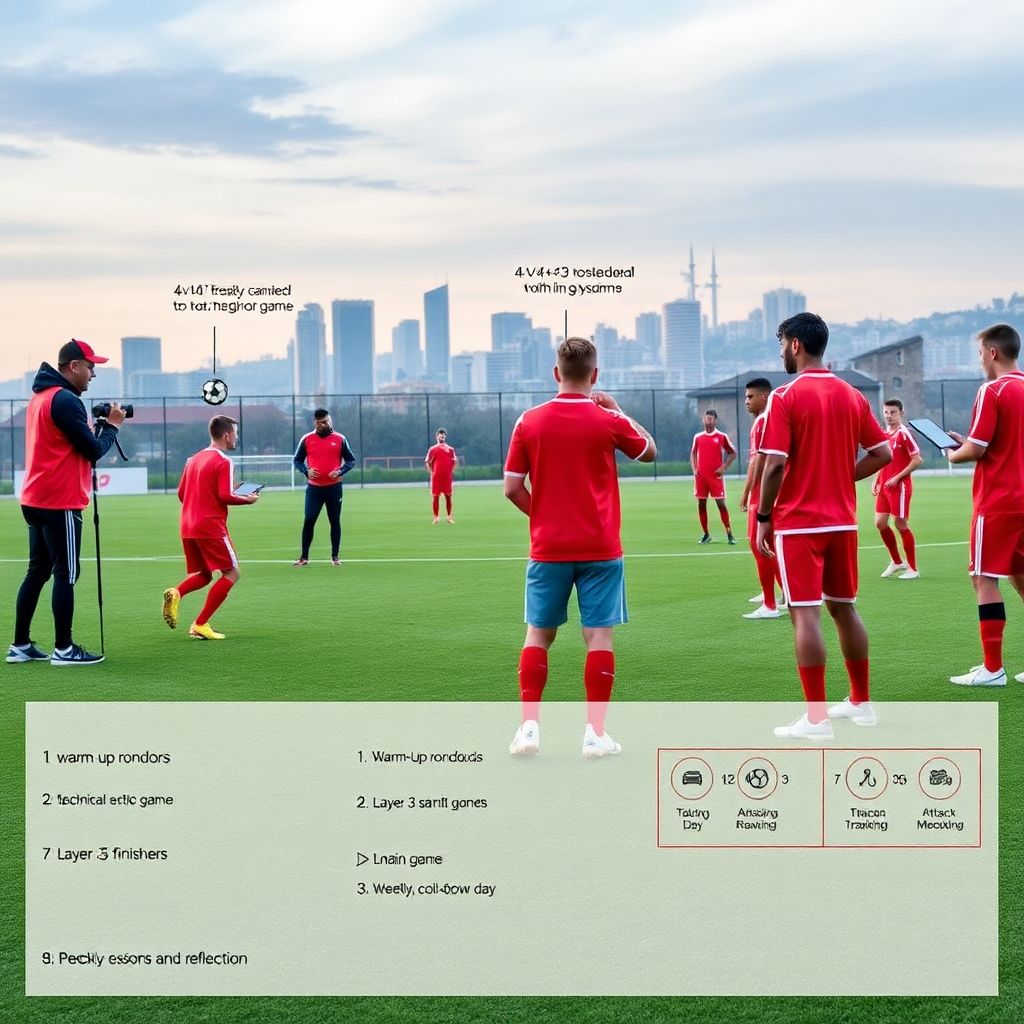
– Layer 1 – Warm‑up (5–10 minutes): dynamic mobility plus ball, usually 3v1 rondos.
– Layer 2 – Technical‑tactical game (15–20 minutes): positional games 4v4+3, linked to the weekly theme.
– Layer 3 – Main game (20–25 minutes): bigger format, for example 7v7, with constraints supporting the game model.
– Layer 4 – Finishers (10 minutes): position‑specific finishing or pressing patterns.
– Layer 5 – Cool‑down and reflection (5–10 minutes): stretching, quick talk, often video notes for later.
Weekly microcycle in Turkish youth academies
Another useful diagram is the training week, or microcycle, that many top academies now follow. Diagram:
– Day 1: Recovery + small rondos focused on scanning and first touch.
– Day 2: Defensive principles, pressing triggers and compactness in small games.
– Day 3: Attacking principles, overloads, combinations in the final third.
– Day 4: Mixed transitions, set‑pieces, shorter but intense blocks.
– Day 5: Pre‑match activation, lighter, lots of finishing and confidence‑building.
This structure connects every session to the weekend game and reduces random, unplanned workloads.
Role of data, GPS and video in the coaching revolution
Technology is one of the big drivers behind this shift. Even mid‑level clubs now use basic GPS trackers to control distance, sprint count and high‑intensity bursts. Video analysts cut youth matches into short clips around key themes: pressing reactions, rest defence, build‑up patterns. Instead of telling a fullback “you’re always out of position”, coaches show three or four clips and ask what the player sees. That simple change makes feedback more objective and opens space for discussion, which is vital when working with teenagers who hate being lectured.
How parents and players see the new system
Parents who grew up with old‑school shouting sometimes feel skeptical when they see more games and less “punishment running”. But once they receive monthly reports with physical, tactical and psychological notes, most change their minds. Players also enjoy this system more because they understand why each drill exists. Instead of “because coach said so”, they hear, “this is the exact situation from our last match against Beşiktaş U15”. That direct link between training and competition keeps motivation high and reduces drop‑out rates around 14–15 years old.
Coaching education: from licenses to real skills
The boom in football coaching courses Turkey offers has massively raised the baseline knowledge among youth coaches. To work in better academies, you usually need at least a national B‑level or some step on the UEFA coaching license Turkey pathway. On paper this is about theory, but the best courses now include mock sessions with real kids, match analysis tasks and reflection diaries. A serious professional soccer coach training program will push candidates to design long‑term plans, not only one‑off drills grabbed from YouTube or copied from European clubs.
What these courses actually teach on the ground
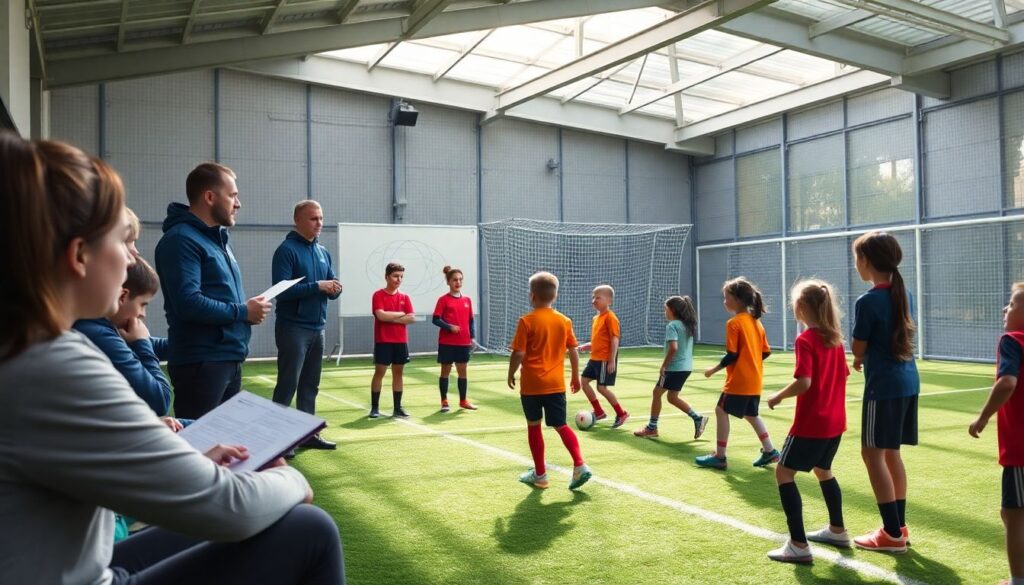
Modern courses in Turkey blend science and practice. Coaches learn basics of growth and maturation, so they don’t overload late‑maturing kids with the same volume as early developers. They study simple sports psychology: confidence cycles, communication styles, goal‑setting. There’s also a heavier focus on methodology, for example game‑based learning versus isolated technique. In class, instructors break down real academy sessions on video, pausing to ask: “What is the learning objective here? Is the constraint clear enough?” This analysis culture then flows back into the academies.
- Planning: building annual and monthly cycles tied to club philosophy.
- Session design: organizing games that target specific tactical problems.
- Player evaluation: objective criteria for technical, tactical and mental skills.
- Communication: giving feedback that 12‑year‑olds actually understand.
- Self‑reflection: reviewing your own sessions like you review a match.
How Turkish methods compare to European models
Compared to big European academies, Turkish youth systems used to lag in structure, not talent. Now, more clubs adopt frameworks similar to Spain, Germany or the Netherlands, but keep local flavor. For example, they respect Turkish players’ natural creativity and emotion, while adding positional discipline and structured build‑up. The best football academies for youth in Turkey benchmark against models from La Masia or Ajax, yet they adapt drills to local realities: smaller budgets, fewer indoor facilities, more intense derby culture. Copy‑paste is out; selective borrowing is in.
Advantages and remaining gaps
The new wave brings clear advantages: players enter senior football with better tactical understanding and more position‑specific habits. Turkish fullbacks now overlap with timing, not just speed; defensive midfielders scan more, strikers press with intention. Still, gaps remain. Some academies struggle with long‑term patience, rushing big, strong kids to the first team and sidelining late developers. Others lack enough qualified staff to run specialist roles like individual analysts or conditioning coaches for every age group. The revolution is visible, but it definitely isn’t complete.
Case study 1: Istanbul big club, U14 pressing overhaul
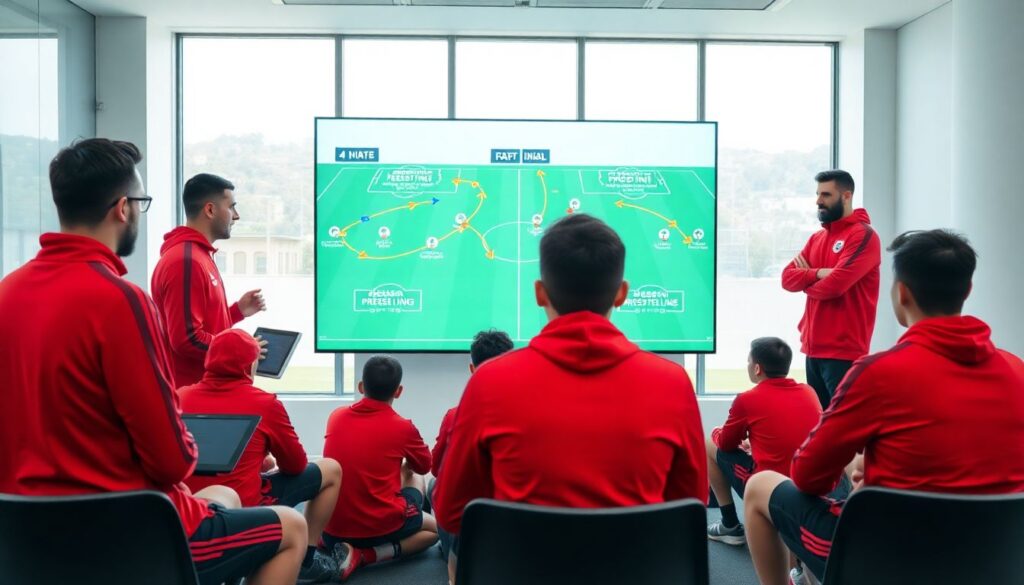
One Istanbul‑based Super Lig academy noticed their U14 team conceded too many counterattacks. Old‑style coaching focused on yelling at defenders to “drop faster”. The new staff started with video: they clipped ten situations where pressing lines broke. Then they redesigned training. For three weeks, every session included small‑sided games with clear pressing rules: points for regaining the ball in under six seconds, extra goals for forward passes after recovery. The result was measurable: in the next tournament, ball recoveries in the attacking third increased and goals conceded from counters dropped sharply.
- Step 1: Diagnose with data and video, not only emotions.
- Step 2: Turn problems into specific training themes.
- Step 3: Design games with scoring systems that reward desired behaviors.
- Step 4: Re‑measure in matches and adjust the plan.
Case study 2: Anatolian academy and individual plans
A smaller Anatolian youth football academy Turkey hosts near Konya faced a different challenge: talented U13 players kept leaving for bigger clubs. The staff decided to compete not with facilities, but with personal attention. They created simple individual development plans for the top twenty prospects, including physical, technical and tactical goals plus school support. Every six weeks, each player sat down for a 15‑minute review with the head coach. Within a season, more kids chose to stay, and several received national youth team invitations despite training far from Istanbul or Ankara.
Case study 3: Integrating street football mentality
Another academy on the Aegean coast realized their structured drills were killing spontaneous creativity. Many kids grew up playing in the street or on dusty local pitches, but academy sessions felt sterile. Coaches responded with a hybrid model: three days a week were tightly planned tactical sessions; one day was “free play”, with small tournaments, winner‑stays‑on rules and minimal coaching. They filmed these days too, then used clips to highlight positive decisions. Over time, staff noticed more 1v1 initiative and risk‑taking even in formal league games, without losing tactical discipline.
How coaches design modern drills in Turkey
When you step into a session now, most drills start from a match‑realistic picture. Instead of static passing patterns, coaches create scenarios: “We just lost the ball in the half‑space; what happens next?” They might run 6v5 transition games starting from that exact moment. Constraints guide behavior: limited touches, zones for specific positions, points for finding the weak‑side winger. Importantly, Turkish coaches are learning to change one variable at a time, so players understand which principle is being trained, rather than drowning in constant, random instructions.
Balancing intensity and youth health
One under‑discussed aspect of the coaching revolution is load management. In the past, kids ran until exhaustion as proof of “character”. Now, GPS data and wellness questionnaires help control fatigue. Coaches track total weekly high‑intensity distance and adjust for growth spurts or exam periods. Short but intense blocks replace mindless volume. A 15‑minute, well‑designed pressing game can do more for development than 40 minutes of jogging. This approach reduces overuse injuries and keeps kids fresher mentally, which shows clearly in concentration levels during weekend matches.
Practical takeaways for aspiring coaches
For young staff entering the system, the message is clear: pure passion is no longer enough. Enrolling in modern football coaching courses Turkey offers is a solid starting point, but self‑education matters just as much. Watch top youth games with a notebook, break down your own sessions on video, and test small methodological changes instead of copying entire systems. The coaching revolution in Turkey isn’t about owning drones or tablets; it’s about teaching kids to understand the game deeply, while respecting their bodies, emotions and long‑term potential as future professionals or simply lifelong players.