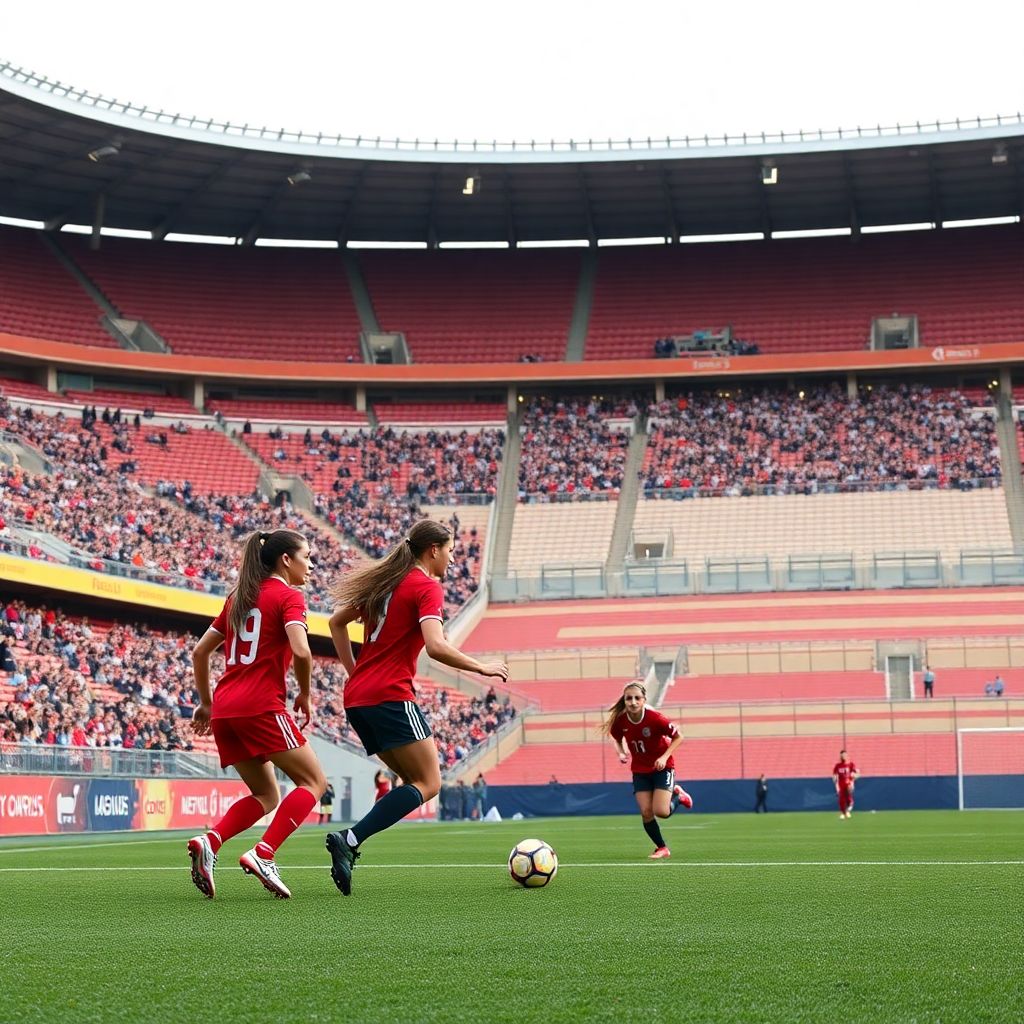
Women’s football in Turkey is a growing but uneven ecosystem: a national Super League, expanding club support, and rising visibility coexist with structural gaps in investment, youth development, coaching, and governance. Progress is clear, yet long‑term potential depends on consistent funding, better pathways from grassroots to pro, and stronger cultural acceptance.
Common myths about women’s football in Turkey
- Myth: There is no real league system for women. Reality: Turkey has an organized pyramid, with a top national competition and lower tiers, though coverage and professionalism vary significantly by club and region.
- Myth: Only a few “big city” teams play. Reality: Licensed women’s teams exist across many provinces, but competitive stability and resources are highly uneven, with some clubs relying heavily on volunteers.
- Myth: Nobody watches, so media and sponsors are pointless. Reality: Interest is underdeveloped, not absent; targeted promotion, better scheduling, and easier access to turkey women’s super league live streaming gradually enlarge the audience.
- Myth: There are no pathways for girls to become professionals. Reality: From school teams to women’s football academies in turkey and the national youth setup, pathways exist but are fragmented and often poorly connected to senior clubs.
- Myth: Sponsors cannot gain value from women’s football. Reality: Sponsorship opportunities in turkish women’s football can deliver strong brand differentiation, community impact, and digital engagement at comparatively low entry costs.
- Myth: Only foreign players raise the level. Reality: Foreign signings help, but sustained improvement depends more on coach education, local scouting networks, and coherent development plans from grassroots to elite.
Recent evolution: milestones and participation trends
Women’s football in Turkey refers to all organized football activity for girls and women: school and university leagues, amateur community teams, regional competitions, the national league system, and the women’s national teams. Over the last decade, this ecosystem has shifted from a niche, loosely structured space into a more formal framework.
Key milestones include the establishment and later restructuring of the national top division into the current Super League format, increasing support from some men’s clubs that opened dedicated women’s sections, and gradual expansion of youth competitions. While participation has grown, access still depends heavily on geography, school support, and family attitudes.
The current state is one of “partial professionalization”: some clubs operate with professional contracts, medical staff, and year‑round training, while others remain semi‑amateur. Visibility is rising through social media, occasional TV coverage, and club channels that also promote turkey women’s super league live streaming, but mainstream exposure remains limited.
Practical implications for stakeholders in Turkey:
- Players and parents should map realistic pathways early: school or community team → regional club → national league trials → national team camps.
- Clubs should clearly define whether they aim for professional or semi‑amateur status and align budgets, staffing, and facilities accordingly.
- Local authorities and universities can fill gaps by hosting tournaments and coach‑education events where there are no nearby clubs.
Domestic competitions: league structure, clubs and competitive level
The domestic system is built around tiers, culminating in the women’s Super League. Understanding how these competitions connect helps players, coaches, and fans navigate opportunities and expectations.
- Top tier: Women’s Super League. The highest level features clubs associated with major men’s teams as well as independent sides. It sets the benchmark for training intensity, match pace, and tactical sophistication in women’s football in Turkey.
- Lower national tiers. Beneath the Super League, additional divisions give playing opportunities to smaller and regional clubs. Promotion and relegation mechanisms are designed to refresh the league, though financial and travel constraints sometimes weaken competitive balance.
- Regional and local competitions. Local leagues and school tournaments form the base. Their quality varies, but they are often the first contact point for girls who later reach professional women’s football clubs in turkey tryouts.
- Cup competitions. Cup tournaments allow lower‑tier teams to play against top‑tier opposition, offering valuable development experiences and occasional upsets that attract attention from media and fans.
- Access for spectators. Matchday organization is improving, yet information on women’s football turkey league tickets is still scattered across club channels, social media, and federation announcements rather than a single centralized system.
- Broadcast and streaming setup. Some matches receive TV coverage; many others rely on club or federation streams. Consistent, high‑quality turkey women’s super league live streaming remains a key lever for attracting new audiences and sponsors.
Actionable recommendations for improving domestic competitions:
- Federation and league organizers should standardize basic standards (pitches, medical support, match data) across all tiers.
- Clubs should publish clear, up‑to‑date information on fixtures, venues, and tickets in both Turkish and English to grow international attention.
- Media partners can pilot regular highlight shows and digital content around women’s fixtures to build narratives and rivalries.
Grassroots to pro: talent identification, academies and coaching gaps
Pathways from first football experiences to professional contracts remain fragmented. Many girls start playing informally at school, then move to local clubs or university teams. Only a fraction enter structured talent identification programs that feed national youth squads or leading Super League clubs.
Women’s football academies in turkey range from informal club‑run youth groups to more structured setups with multiple age categories, specialized coaches, and access to sport science support. However, compared to the men’s game, there are fewer dedicated full‑time staff, less scouting coverage of remote regions, and limited collaboration between schools, clubs, and regional associations.
Coaching gaps are another constraint. Licensed coaches with strong understanding of the women’s game are still relatively scarce, and many youth teams rely on part‑time staff balancing other jobs. This affects technical development, injury prevention, and the gradual increase of tactical complexity as players mature.
Typical pathway scenarios in Turkey:
- School‑to‑club route. A PE teacher notices a talented player, connects her with a nearby club, and she progresses through youth teams to the senior squad.
- University late‑entry route. A player discovers football at university, impresses at inter‑faculty tournaments, and is invited to train with a regional club, sometimes reaching the second or even top tier.
- Academy‑to‑pro route. A player joins a structured academy from a young age, receives consistent coaching, then attends professional women’s football clubs in turkey tryouts and earns a contract.
- Multi‑sport transition route. Athletes from futsal, athletics, or basketball switch to football, bringing physical attributes that can be molded with targeted coaching.
- Returnee route. Players who have lived abroad return to Turkey, bringing experience from foreign academies and contributing to the domestic competitive level.
Concrete steps to strengthen pathways:
- Federation and clubs should coordinate regional talent days, with clear age‑group criteria and follow‑up support for identified players.
- Universities can formalize links with local clubs, creating dual pathways that combine education and high‑level football.
- Investment in coach‑education specifically focused on the women’s game should be prioritized, including mentorship from experienced practitioners.
Governance, federation policies and institutional obstacles

Governance determines how resources, regulations, and responsibilities are distributed. In women’s football, federation policies, league regulations, and club commitments can accelerate or slow progress. Some frameworks support development, while others create bottlenecks or unintended barriers.
Institutional strengths and enabling factors
- National league structure and registration rules provide a formal framework for competition and player licensing.
- Recognition of women’s football within the national federation opens access to training opportunities, referee development, and national‑team infrastructure.
- Alignment with international bodies encourages minimum standards in areas like safeguarding, anti‑doping, and disciplinary procedures.
- Increasing involvement of established men’s clubs introduces better facilities, medical support, and administrative experience into the women’s game.
Structural weaknesses and policy‑level challenges
- Inconsistent enforcement of standards across clubs, especially regarding training conditions, medical checks, and timely payments.
- Limited long‑term planning: frequent format changes or policy shifts can disrupt club strategies and player development cycles.
- Insufficient integration of women’s football priorities into broader national football strategies, leading to underinvestment.
- Complex or unclear regulations around player movement, youth compensation, and dual‑career support, which can discourage both players and smaller clubs.
Policy‑oriented recommendations:
- Embed women’s football targets in all federation strategic plans, with clear responsibilities and timelines.
- Stabilize league formats for multiple seasons to give clubs planning security.
- Introduce transparent criteria and audits for clubs participating in the top tiers, covering financial, medical, and safeguarding standards.
Societal attitudes, media visibility and cultural barriers
Beyond governance and funding, social perceptions strongly influence whether girls start and stay in football. Media narratives, family expectations, and community attitudes can either normalize women’s football or label it as unusual, affecting participation and fan engagement.
- Assumption that football is “not for girls”. This stereotype still appears in some families and schools, reducing early participation and making it harder for girls to access pitches, equipment, or supportive coaches.
- Underrepresentation in mainstream media. Sporadic coverage and limited storytelling around players and coaches create the impression that women’s football is marginal, even as interest slowly increases.
- Tokenism instead of real integration. Launching a women’s team only for image, without proper budgets or staffing, leads to unstable projects that can collapse after a few seasons.
- Misconceptions about career prospects. Some believe there is no viable future in women’s football, ignoring emerging roles in coaching, analysis, refereeing, and administration.
- Online negativity and harassment. Female players and staff can face gender‑based comments on social media, discouraging participation and damaging motivation.
Practical cultural‑change actions:
- Clubs and media should highlight diverse role models: players, coaches, referees, and medical staff from different regions and backgrounds.
- Schools can run mixed‑gender football activities at younger ages to normalize girls’ presence on the pitch.
- Federation and clubs should adopt clear codes of conduct for fans and online communities, responding consistently to abuse.
Finance and commercial viability: sponsorship, wages and investment pathways
Financial sustainability is one of the central challenges for women’s football in Turkey. Revenue sources include sponsorship, limited broadcasting income, matchday earnings from women’s football turkey league tickets, and occasionally municipal or institutional support. For most clubs, men’s‑team budgets still cross‑subsidize women’s sections.
Sponsorship opportunities in turkish women’s football can be particularly attractive for brands seeking authenticity, gender‑equality messaging, and connection with younger audiences. Because the field is less saturated, creative activation around teams, players, or community programs can yield strong visibility and goodwill even with modest budgets.
However, wages and working conditions remain inconsistent between and within leagues. Some players receive professional‑level contracts and support; others juggle jobs or studies with training. This makes long‑term planning difficult for athletes and limits the overall level of professionalism.
Mini‑case: building a sustainable women’s program at a mid‑level club
Consider a mid‑table Super League club aiming to stabilize its women’s section over three seasons. The club sets realistic on‑field targets, invests gradually in part‑time staff (analyst, physio), and focuses on one or two local sponsors aligned with education or health themes rather than chasing many short‑term deals.
The club uses simple content: player stories, behind‑the‑scenes training clips, and match highlights to grow a digital audience and promote turkey women’s super league live streaming of its games. By tracking engagement, community involvement, and modest increases in attendance, it builds a data‑backed case for renewing and expanding sponsorships.
Algorithm to check whether your project is on the right track
This short logical sequence can help clubs, academies, or local authorities quickly review the impact of their women’s football initiatives:
- Define 3-5 concrete goals (for example: number of active players, training sessions per week, or local partnerships signed).
- Collect data at the start of the season for each goal and store it in a simple table or spreadsheet.
- Review data monthly: note any changes in player numbers, training quality, injuries, or income compared with the starting point.
- If a metric is not improving, identify one root cause and one specific adjustment (such as schedule change, coach assignment, or communication with parents).
- At season end, compare final values to your original goals. If at least half of the targets are reached and the project can repeat with equal or better resources, treat the initiative as successful and refine it for the next cycle.
Implementation‑focused suggestions:
- Start financial planning from essential costs (pitches, staff, travel) before allocating budget to extras like camps or international tours.
- Align commercial pitches with clear social‑impact stories, such as scholarships or community outreach programs.
- Use the above algorithm annually to decide whether to scale, adjust, or pause specific women’s football projects.
Concise practical answers on participation, pathways and regulations
How can a girl in Turkey start playing organized football?
The most direct route is through school PE classes or local sports clubs that offer girls’ teams. Parents can ask municipal sports centers, nearby clubs, or universities about youth programs and then attend a trial training session to assess the environment.
Where can players find information about professional tryouts?
Professional women’s football clubs in turkey tryouts are usually announced on club websites and social‑media channels, especially before pre‑season. Players should also follow federation communications and ask current coaches to recommend them or share official invitations when available.
Are there age limits for joining women’s football academies in Turkey?
Age policies vary by club, but many women’s football academies in turkey operate multiple age groups from early teens upward. The key is to match the player’s current level rather than only her age, so late starters should not be discouraged from applying.
How are contracts and wages typically structured for players?

Some Super League clubs offer formal contracts with fixed wages, while others use modest stipends or cover only expenses such as travel and equipment. Players should always request written terms and clarify duration, medical coverage, and any performance‑related bonuses.
Can foreign players participate in Turkish women’s leagues?
Yes, foreign players can join Turkish clubs, subject to federation regulations on registration windows and any limits on non‑domestic players per team. Interested players should contact clubs directly and be prepared to provide video, references, and proof of previous competition level.
How can fans watch and support women’s teams in Turkey?
Fans can attend matches by checking women’s football turkey league tickets information on club or federation pages, and by following turkey women’s super league live streaming links when they cannot be at the stadium. Sharing content and inviting others to games also strengthens community support.
What should sponsors evaluate before investing in a women’s team?
Potential sponsors should review the club’s audience profile, digital reach, community projects, and governance standards. Clear shared objectives and regular reporting make sponsorship opportunities in turkish women’s football more transparent and mutually beneficial.