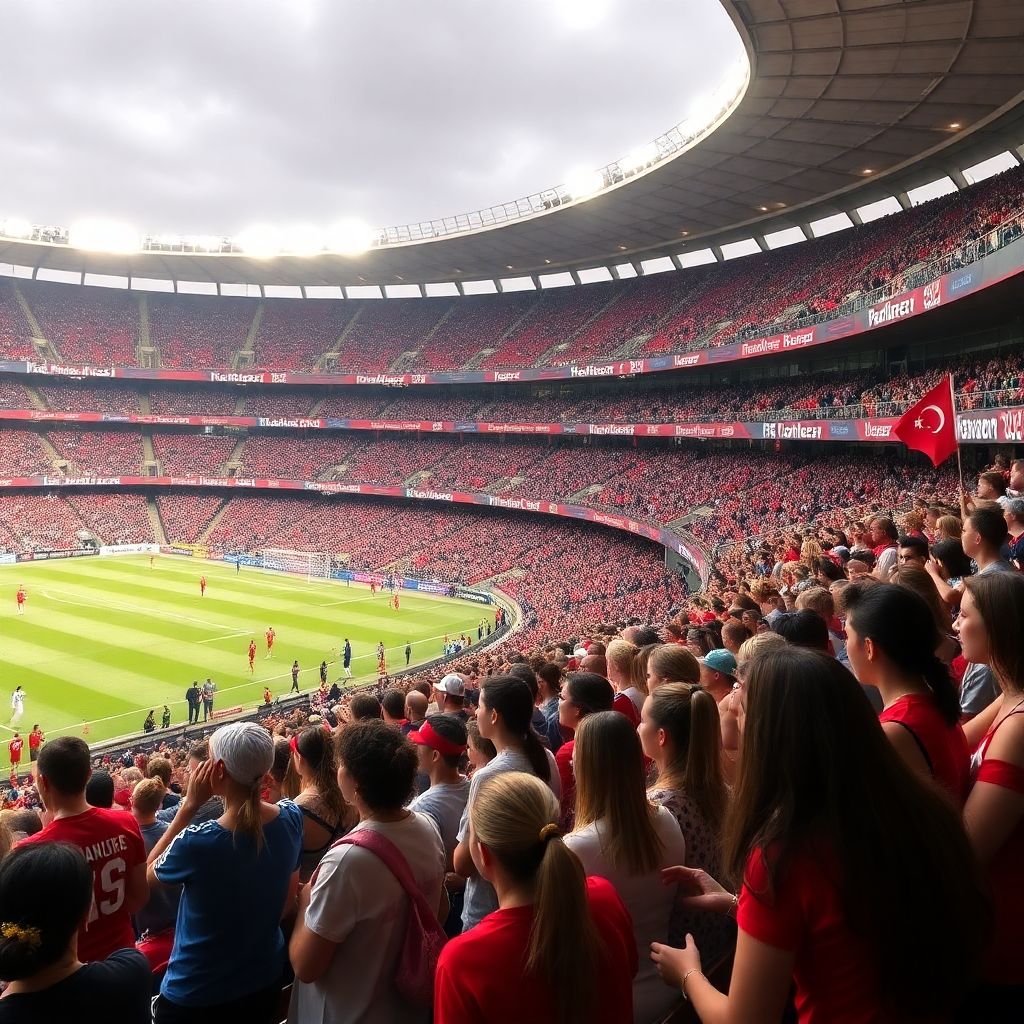
The rise of women’s football in Turkey is reshaping clubs, media interest and grassroots participation, not just creating a separate niche. Growth in leagues, academies and national team visibility can bring new fans, revenue and talent into the entire ecosystem-if federations, clubs and sponsors act with clear priorities, practical investment and inclusive policies.
Myths and realities about women’s football in Turkey
- Myth: Women’s football is a side project. Reality: It is becoming a strategic pillar for clubs, municipalities and brands looking for new audiences.
- Myth: There is no fan interest. Reality: Interest grows whenever games are accessible, marketed and connected to big clubs and the national team.
- Myth: Investment in women hurts the men’s game. Reality: Shared facilities, sponsors and fan engagement usually increase total revenue and usage.
- Myth: The talent pool is too small. Reality: The pool is under-scouted; organised school programmes and women’s football academies in Turkey quickly surface new players.
- Myth: Media won’t cover women’s leagues. Reality: Broadcasters and digital platforms respond when clubs provide content, clear scheduling and streaming-ready production.
- Myth: Impact is only symbolic. Reality: Strong women’s sections change club culture, attract families and young girls, and professionalise structures across departments.
From grassroots to stadiums: recent growth and historical turning points
Women’s football in Turkey today covers a full pathway: informal neighbourhood play, school teams, regional leagues, semi-professional club structures and the national team. The “rise” refers not only to more matches, but to better organisation, visibility and integration with traditional men’s clubs.
Historically, women’s football has appeared in cycles: enthusiasm, short investment, then decline. The current cycle is different because major multi-sport clubs and municipalities are building women’s teams into their long-term plans, tying them to academy systems and fan bases that already exist.
The move from small pitches to larger stadiums for selected fixtures is an important symbolic shift. It signals that women’s matches deserve prime venues and encourages families, school groups and mixed-gender supporter groups to attend, which in turn makes sponsorship and broadcast discussions more serious.
Defining clear boundaries also matters. Women’s football is not “charity” or “CSR”; it is a competitive, performance-focused part of the club. At the same time, its growth is closely linked to social goals: participation of girls in sport, safer spaces in stadiums and new leadership roles for women in coaching and administration.
Infrastructure, funding and club development: where investment is going
- Shared training facilities: Many clubs first open their existing training centres to women’s squads. Actionable step: create a clear weekly schedule, with reserved hours and minimum pitch quality standards.
- Staffing and medical support: Funding often goes into hiring at least one dedicated coach, a fitness coach and access to medical staff. Actionable step: integrate women’s teams into the same sports science and analysis structures used by men.
- Travel and logistics budgets: Proper away-game planning (buses, accommodation, meals) is essential for performance. Actionable step: assign one operations coordinator responsible for both women’s and youth teams to optimise costs.
- Youth recruitment and scouting: Clubs start to allocate small but focused budgets for regional scouting of girls’ tournaments and school competitions. Actionable step: partner with local schools to host annual girls’ football days.
- Branding and matchday experience: Investment in banners, club songs, mascots and family-friendly sections gives women’s games their own identity. Actionable step: link women’s football Turkey tickets to simple bundles (ticket + jersey discount, ticket + academy open day).
- Data and performance tools: Even basic video analysis and GPS vests can significantly lift standards. Actionable step: start with one shared analysis platform across men’s youth and women’s senior squads.
- Club governance: Some organisations allocate board-level responsibility for the women’s programme. Actionable step: include women’s football KPIs (participation, points, attendance, sponsor value) in the club’s strategic documents.
Media coverage, sponsorship and the commercial case for the women’s game
Media and sponsorship are moving from “supporting a cause” to recognising a concrete business opportunity. Sponsors understand that family-oriented audiences, school networks and digital-native fans interact differently with brands than traditional ultra groups, and women’s football fits this profile well.
For broadcasters and platforms, turkey women’s football league streaming becomes attractive when three basics are in place: predictable scheduling, decent production quality and joint marketing from clubs and federations. Even low-cost multi-camera setups and highlight packages can make league content more discoverable.
On the brand side, sponsorship opportunities women’s football turkey usually focus on three layers: league naming rights and matchday branding, club-level shirt sponsors and community projects linked to girls’ participation. Clubs that present integrated packages-events, content, hospitality and digital storytelling-convert far better than those selling logo placement alone.
Merchandising is another underused lever. Turkey women’s national football team jerseys, scarves and training wear can be marketed as distinct, aspirational products instead of just alternative colours. Simple strategies-selling jerseys at women’s matches, online pre-order campaigns, co-branded content with players-directly support both federation and grassroots budgets.
For day-to-day operations, clubs should build a basic media plan: regular interview slots with players, behind-the-scenes training clips, and coordinated announcements of fixtures and results. This plan makes it easier for local TV, radio and digital outlets to cover women’s football consistently.
Talent pathways: academies, coaching and retention of female players
Talent development is the backbone of sustainable growth. Without a clear pathway, many girls drop out around secondary school or university age. The goal is to move from isolated, coach-dependent projects to structured systems with age groups, progression criteria and visible role models.
Well-designed women’s football academies in Turkey can link primary schools, local clubs and professional teams into one ladder. They also provide safe environments where parents trust the process, which has a direct effect on how many girls stay in the game through adolescence.
Strengths and advantages of current talent pathways
- Existing boys’ academy models can be adapted quickly for girls, using the same periodisation and technical curricula.
- Close cooperation with municipalities and schools gives easy access to facilities and large groups of potential players.
- Fast progression opportunities: talented players can reach senior squads earlier, which is attractive for ambitious teenagers.
- National-team visibility motivates both players and coaches; call-ups create strong incentives to stay committed.
- Growing networks of female coaches and referees offer relatable role models and improve the overall environment.
Limitations and risks that still need attention
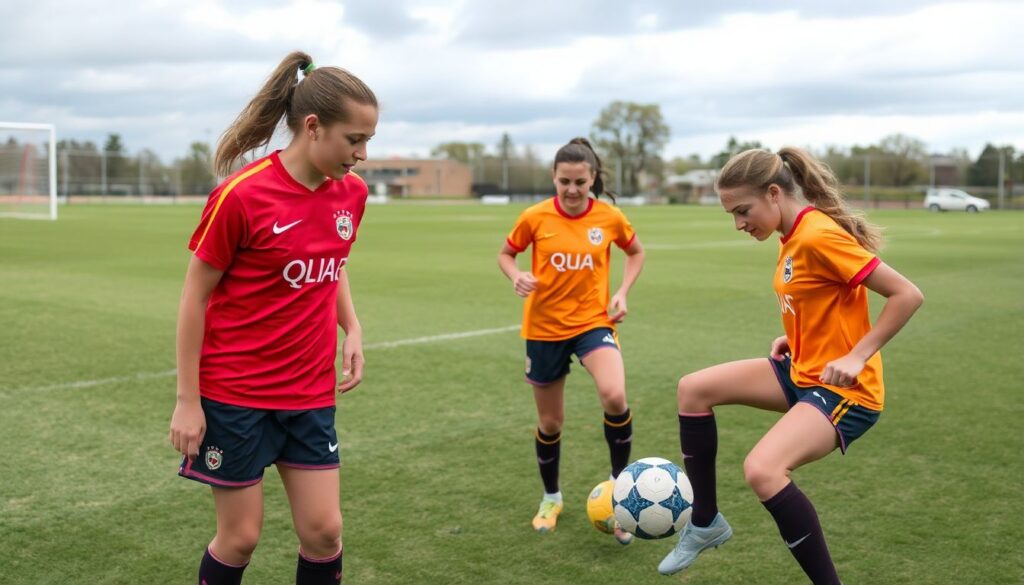
- Patchy geography: some regions have almost no organised girls’ teams, forcing long travel or early dropout.
- Limited full-time coaching roles, which makes it hard to retain high-quality staff focused solely on women’s football.
- Insufficient transition planning for players who do not turn professional, leading to academic and career stress.
- Social pressure on girls in certain communities, where sport is not seen as a long-term option.
- Inconsistent medical and psychological support compared with men’s academies, especially around injury and burnout.
National team trajectory and the ripple effects on domestic competitions
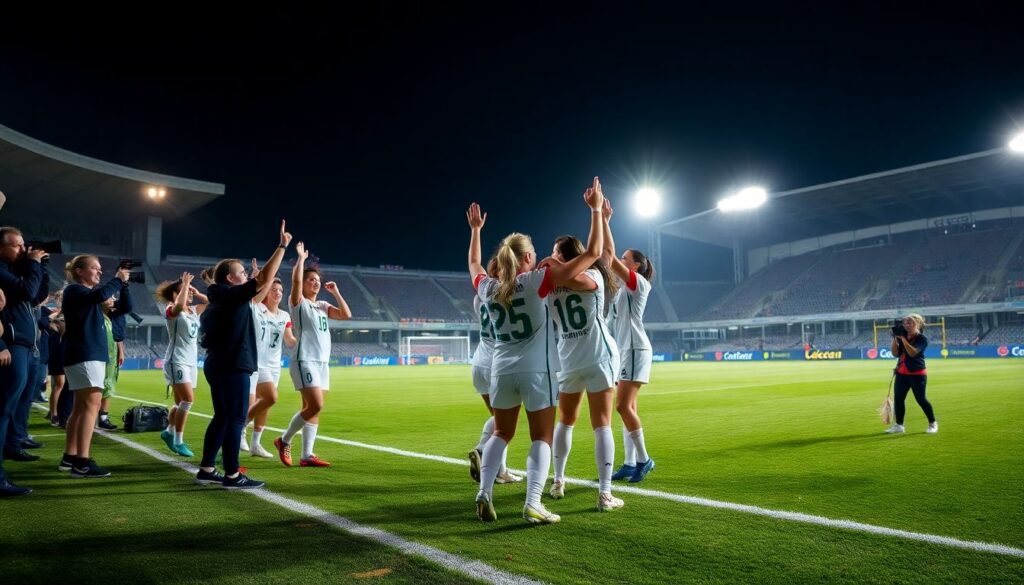
Public perception of the women’s game is strongly shaped by the national team’s trajectory. Good performances, even in qualifiers or friendlies, quickly translate into increased media coverage and curiosity about the domestic league.
- Myth: National team success automatically fixes the league
Reality: It creates attention but not structure. Federations and clubs still need to improve scheduling, marketing and youth development. - Myth: Only big-club players matter
Reality: National squads often include players from smaller or regional clubs, showing that investment outside the giants can still produce internationals. - Myth: National-team windows damage clubs
Reality: With planning, international breaks can be used for rest, tactical work and local friendlies that keep non-internationals sharp. - Myth: Fans will not follow league teams after watching the national side
Reality: National matches are ideal moments to promote club fixtures, sell mini-season tickets and direct fans to turkey women’s football league streaming options. - Myth: Jerseys and merchandising are secondary
Reality: National-team stars wearing their club kits in content campaigns make it easier to sell full-price club and country jerseys together.
Systemic barriers and policy levers that could reshape Turkish football
Systemic change depends on coordinated decisions by the federation, clubs, municipalities and education sector. Instead of expecting organic growth, stakeholders can use clear policy levers to remove barriers and make women’s football a normal, stable part of the landscape.
Below is a compact “policy playbook” style pseudo-sequence that a federation or league office could adapt:
Step 1: Guarantee access
- Mandate that every top-tier club fields a women's team or formally partners with one.
- Link club licensing to minimum support: facilities, staff, medical care.

Step 2: Build the calendar
- Align women's league dates with men's to avoid direct TV clashes.
- Schedule double-header days where women play before men in the same stadium.

Step 3: Simplify fan access
- Standardise pricing across venues and centralise women's football Turkey tickets online.
- Negotiate one national or regional broadcaster plus a digital platform for free highlight packages.

Step 4: Secure and protect funding
- Ring-fence a share of central TV money for women's football development.
- Offer tax or recognition incentives to brands that invest in long-term, multi-year deals.

Step 5: Invest in people
- Subsidise coaching licences for women and require each club to employ at least one female coach.
- Create mentoring programmes linking senior players with youth squads.

Step 6: Track and publish progress
- Collect annual data on participation, injuries, coaching numbers and match attendance.
- Publish a concise public report so clubs, sponsors and fans can see the trajectory.
Clubs can mirror the same logic internally on a smaller scale: formalise responsibilities, allocate a modest but protected budget, plan the season with both women’s and men’s fixtures in mind, and actively use national-team moments to highlight their own players and programmes.
Common misconceptions, practical clarifications and quick answers
Is investing in women’s football financially realistic for mid-sized Turkish clubs?
Yes, if the club treats it as a structured project, not an add-on. Start with shared facilities, a small dedicated staff group and smart use of existing sponsors rather than big standalone budgets.
How can fans actually watch women’s league games in Turkey?
Check your club’s official channels and federation announcements for turkey women’s football league streaming links and TV partners. Many clubs also post highlights and sometimes full matches on their YouTube or social pages.
Where can I find tickets for women’s matches?
Women's football Turkey tickets are usually sold through the same online platforms and stadium box offices used for men’s games. Some clubs also offer free or discounted entry for students, children and members.
What should a club prioritise first: facilities, coaches or marketing?
Secure training time and competent coaching staff first, then add basic marketing (social media, posters at schools, simple matchday branding). Strong football foundations make later promotion much more effective.
How can parents judge if an academy is serious about girls’ football?
Look for clear training schedules, age-group teams, qualified coaches, safe facilities and communication about school-exam periods. Serious programmes treat girls’ squads with the same planning and respect as boys’ groups.
Do national team results really affect local participation?
Yes, visible success and inspiring performances from the national team encourage more girls to try football and more clubs to open women’s or girls’ sections. The effect is strongest when local clubs actively connect with these moments.
Can small businesses sponsor women’s teams effectively?
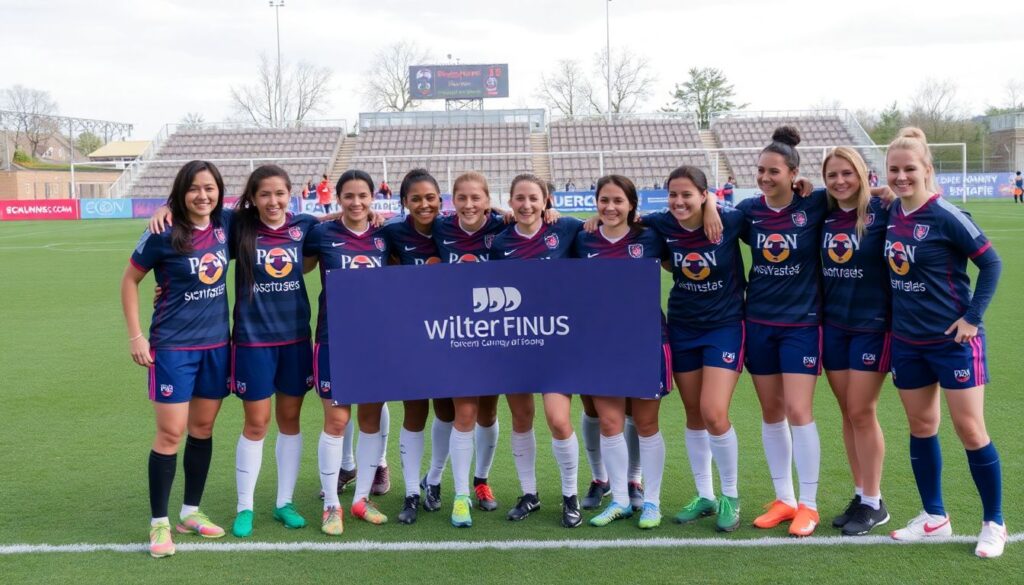
Absolutely. Local sponsors can support travel, kits or events in return for visibility at matches and on social media. Even modest, well-planned deals can make a big difference to a women’s squad’s stability.