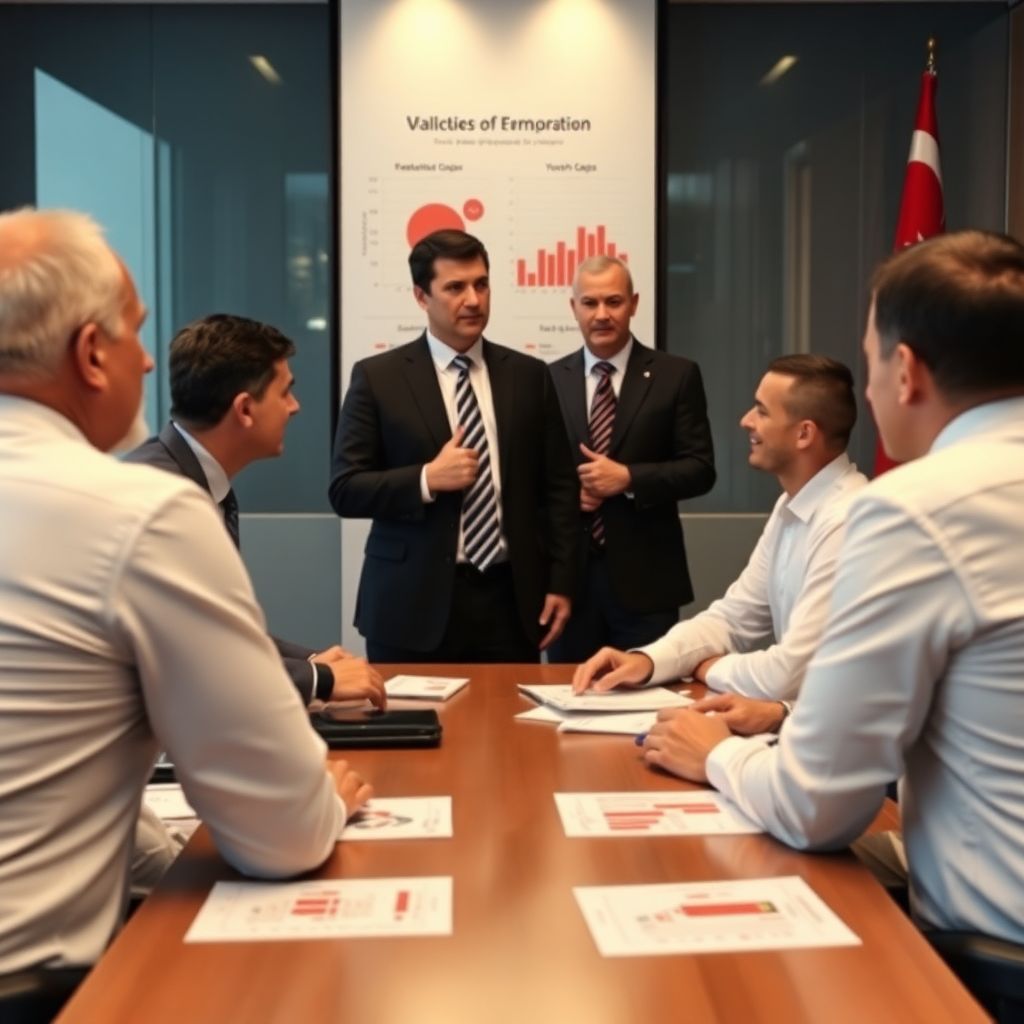
Turkish clubs struggle in European competitions mainly because of structural problems: unstable finances, short-term squad planning, weak youth development, inconsistent coaching structures and governance issues. To change this, clubs need disciplined financial models, long-term sporting pipelines, professionalized operations and transparent decision-making aligned with clear KPIs for UEFA competition performance and sustainable squad building.
Executive summary of causes and reform priorities
- Competitive gap is structural, not about “bad luck”: financial imbalance, shallow squads and constant squad turnover undermine Turkish clubs in Champions League performance analysis and other UEFA tournaments.
- Wage-heavy, debt-driven budgets leave little room for smart Turkish football club investments for European success in analytics, academies and facilities.
- Youth development, coaching education and scouting are fragmented, creating dependency on short-term foreign signings instead of a repeatable sporting model.
- Operational issues (travel, fixture congestion, poor pitches and limited sports science) reduce physical intensity and recovery compared with top European peers.
- Governance structures favour politics over expertise; boards often chase quick wins rather than long-term European competitiveness.
- Clear roadmap: stabilize finances, professionalize recruitment and coaching, upgrade operations and align governance with measurable 1/3/5‑year European performance goals.
Debunking common myths about Turkish clubs in Europe
When discussing why Turkish football clubs fail in European competitions, narratives usually focus on “bad referees”, “UEFA bias” or “Turkish passion does not translate in Europe”. These explanations are comforting but misleading. European football is mostly an arms race in planning, data, depth and discipline, not just emotion.
A realistic definition of the problem is structural underperformance: Turkish teams have the fanbase and history to compete, but lack the systems that top clubs in England, Germany, Spain or Italy use. When you run a proper Turkish clubs in Champions League performance analysis, the gap shows up in squad continuity, wage structure, coaching stability and off-pitch organisation.
The challenge is not that Turkish players or coaches are inherently weaker. The real issue is that clubs repeatedly change philosophy, sign players without a clear game model, and ignore long-term athletic and tactical development. Passion becomes a substitute for planning, especially in transfer windows and presidential elections.
Understanding this definition is practical: if the root problem is structural, solutions must be structural as well. That means building repeatable processes for recruitment, training, match preparation and decision-making, instead of hoping that one big name transfer will “fix” European form for a season.
Financial architecture: revenue, wage structure and UEFA rules
Financial architecture explains much of the gap and points directly to how to improve Turkish Super Lig clubs in Europe in a realistic way.
- Revenue mix vs. wage commitments
Many clubs spend a very high share of income on first-team salaries, crowding out budgets for academies, analysts, medical staff and facilities. Wages buy star names but not necessarily European-level structures. - Short-term debt and refinancing
Debt is often rolled over rather than reduced. Interest payments further squeeze investment capacity, and pressure from creditors encourages gambling on quick Champions League qualification instead of multi-year squad building. - Dependence on volatile income streams
TV revenue and European prize money are treated as guaranteed, though they fluctuate. When qualification fails, clubs face sudden holes in the budget, leading to fire sales or late panic signings. - UEFA financial regulations as a constraint
Some clubs treat UEFA rules as a “punishment” rather than a design guide. In reality, planning within cost-control limits forces smarter squad structures and can stabilize performance over time. - Transfer strategy and amortisation
Buying older players on high wages with little resale value locks budgets. A healthier model mixes experienced leaders with younger, sellable assets whose future transfers can finance further growth. - Targeted infrastructure spending
Clubs rarely ring‑fence budgets for data, sports science and youth facilities. Yet these are relatively small line items compared with star wages and have disproportionate impact on European performance.
| Metric | Typical Turkish club (big 3-4) | Top European peer (benchmark) | Practical implication for UEFA competitions |
|---|---|---|---|
| Share of budget on first-team wages | Very high proportion, little left for structure | More balanced between wages, academy, staff and facilities | Less support staff and weaker processes around the team on Turkish side |
| Squad age profile | Heavier reliance on older, established names | Mix of experienced core and younger, high-upside players | Lower physical intensity and resale potential for Turkish squads |
| Coaching stability | Frequent changes, often mid-season | Longer tenures aligned with club game model | Limited tactical evolution and inconsistent European game plans |
| Investment in analytics and sports science | Patchy, often reactive | Embedded in daily decision-making | Less data-backed recruitment and match preparation in Turkey |
| Youth integration into first team | Irregular; blocked by short-term signings | Planned pathways and minutes targets | Shallower squads and fewer low-cost rotation options |
Sporting pipeline: youth development, coaching education and scouting
Building a sustainable sporting pipeline is one of the best strategies for Turkish clubs in UEFA competitions, because it generates affordable depth and tactical flexibility.
- Academy to first-team pathways
Rather than judging academies by youth trophies, clubs should define clear steps: elite youth league, B‑team or strategic loans, then rotation minutes. Each prospect needs an individual plan aligned with the first-team style. - Modern coaching education
Coaching development should not stop at federation licences. Clubs can run internal workshops on pressing schemes, build-up patterns and set-piece design, using examples from successful European sides and their own match data. - Integrated scouting and analytics
Scouting departments should combine live scouting, video and data to create shortlists that fit a defined game model. Instead of signing names offered by agents, clubs prioritise profiles that serve pressing intensity, build-up structure and squad balance. - Regional and domestic talent focus
Strong networks in Turkey and surrounding regions can identify physically and mentally ready players earlier. This allows clubs to sign talents before they become unaffordable on international markets. - Culture of development, not blame
If young players are dropped permanently after one mistake in Europe, the pipeline collapses. Staff and fans need clear communication that some European learning pain is part of long-term growth. - Alignment between academy and first team
Training methodology, tactical principles and physical benchmarks must align so that a promoted player can adapt quickly to European match intensity and demands.
Operational factors: scheduling, travel, facilities and sports science
Operational details are often underestimated when discussing Turkish club investments for European success, but these “small” elements compound over a long season.
Operational advantages top clubs optimise
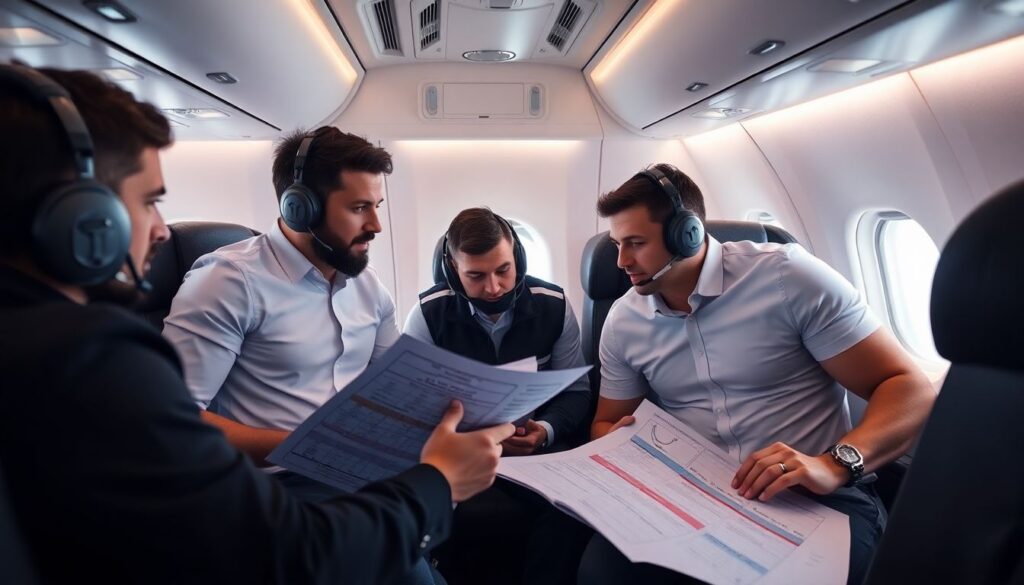
- Planning around fixture congestion – Rotations are prepared weeks in advance, with clear training loads and recovery windows for Champions League and league games.
- Travel routines – Standardised protocols for flights, meals and sleep reduce fatigue and uncertainty for players, especially on long trips.
- Pitch and facility quality – Training pitches, gyms and analysis rooms support high-intensity work and fast feedback loops.
- Embedded sports science – GPS, wellness data and medical history inform individual training, reducing soft-tissue injuries.
- Detailed opponent preparation – Analysts and coaches deliver clear, repeated match plans tailored to European opposition styles.
Common operational limitations in the Turkish context
- Late fixture clarity and ad‑hoc kick-off times complicate load management before European matches.
- Travel arrangements sometimes prioritise cost or politics over performance (late arrivals, suboptimal recovery windows).
- Mixed training pitch quality and occasionally overused stadium surfaces reduce the ability to train and play at European tempo.
- Sports science teams may be understaffed or sidelined in decision-making about training and recovery.
- Analyst work can be underused, especially if coaching changes reset the tactical approach several times per season.
Governance and ownership: decision-making, transparency and investment
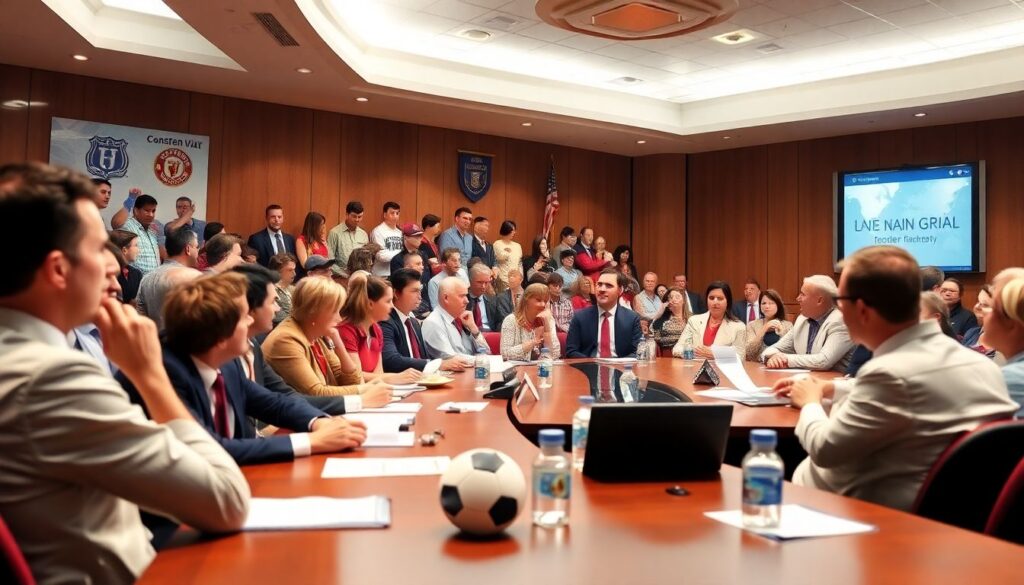
Governance is where many of the deep problems sit. Even perfect coaches and players cannot overcome broken decision structures.
- Myth: elections and passion guarantee ambition
Reality: short election cycles and fan-driven campaigns encourage risky transfers and immediate results, not five-year European plans. - Myth: big-name players equal European relevance
Reality: without a coherent pressing and build-up model, big names become isolated, and the team underperforms against well-drilled but less famous opponents. - Myth: cutting back on staff saves money
Reality: under-investing in analysts, scouts, fitness and medical staff leads to expensive transfer mistakes and more injuries, which cost more than the saved salaries. - Error: mixing politics with football operations
Boards sometimes interfere with line‑ups, transfers or tactical choices, undermining the authority of sporting directors and coaches. - Error: no clear accountability for European targets
If nobody is formally responsible for European performance (beyond blaming the coach), structural progress is unlikely. - Error: ignoring communication with fans about long term
Without explaining a long-term European strategy, clubs face pressure for reactive decisions that contradict their own plans.
Roadmap of reforms with measurable KPIs and timeline
This roadmap outlines how to improve Turkish Super Lig clubs in Europe through concrete steps. It can guide club boards, sporting directors and technical staff who need a practical, staged approach.
Year 1: Stabilise and create structure
- Financial and squad audit
Map existing contracts, injury profiles and wage commitments. Freeze impulsive long contracts for ageing players. Define a maximum share of budget allowed for first-team wages. - Define game model and profiles
Agree on a clear playing style for UEFA competitions (pressing height, build-up patterns, defensive block). From this, build position-specific player profiles for recruitment and academy. - Establish core departments
Formalise roles for sporting director, head of recruitment, head of performance and lead analyst. Clarify decision rights: who approves signings, who sets physical benchmarks, who owns data. - Initial KPIs for Year 1
- Reduce injury days compared with previous season.
- Achieve basic metrics in Europe such as maintaining compact defensive structure and fewer unforced turnovers in dangerous zones.
- Give defined minimum minutes to at least two academy players in senior competitions.
Year 3: Build depth and repeatable processes
- Reshape squad age and profile
Move towards a balanced age pyramid. For each position, aim for a mix of experienced leader, prime-age starter and younger understudy. - Professionalise scouting network
Create priority markets and standardised scouting reports. Use data filters to pre-select players that fit physical and tactical needs for UEFA competition intensity. - Upgrade operations and sports science
Implement structured travel, nutrition and recovery plans for all European away games. Integrate GPS and wellness monitoring into weekly planning. - KPIs for Year 3
- Regular qualification for at least one UEFA group stage.
- More consistent performances: competitive expected goals balance and reduced late-game physical drop-offs.
- Clear contribution from club-developed or early-signed players in European matches.
Year 5: Compete consistently and monetise success
- Institutionalise philosophy
Ensure that playing style, recruitment criteria and academy curricula are documented and independent of any single coach. - Advanced talent trading model
Use strong European performances to showcase players, recycle transfer income into improved infrastructure and the next generation of talents. - Strategic European objectives
Set realistic but ambitious targets: frequent knockout-stage qualification, consistent competitiveness away from home, and tactical flexibility against varied European styles. - KPIs for Year 5
- Stable presence in UEFA competitions with positive image among neutrals.
- Regular sales of developed players to bigger leagues at healthy margins.
- Balanced budgets with predictable investment lines for youth, analytics and facilities.
In practice, the best strategies for Turkish clubs in UEFA competitions hinge on discipline: clear financial rules, long-term sporting identity and governance that protects the plan when early results fluctuate.
Answers to recurring practical questions from managers and fans
Why do Turkish teams look strong domestically but fragile in Europe?
Domestic games often allow more emotional swings, slower tempo and defensive mistakes from opponents. European opponents punish small errors, maintain higher intensity and exploit structural weaknesses in pressing, build-up and squad depth that are less obvious in the league.
Is money the only reason Turkish clubs fall behind?
Budget size matters, but how money is spent matters more. Poorly structured wage bills, short-term transfers and under-investment in staff and infrastructure waste financial potential. Smarter allocation can close much of the gap even without matching top league revenues.
What is the quickest realistic change a club can make?
Clarifying a game model and aligning recruitment to that model can have impact within one to two seasons. Establishing a small but empowered performance and analysis team also brings rapid improvements in preparation and load management.
Do Turkish clubs need to abandon experienced star signings?
No, but they must fit a clear tactical role and wage structure. A few leaders can be valuable if surrounded by younger, more intensive players and supported by strong physical preparation. The problem is imbalance, not experience itself.
How important are youth academies for European success?
Academies are crucial because they provide affordable depth and tactical familiarity. Well-developed academy graduates understand the club’s style, making it easier to rotate in Europe without a big drop in quality or intensity.
Can one successful European season fix structural issues?
A single good run can improve finances and image, but it rarely fixes underlying problems. Without converting that success into long-term investments and processes, clubs usually regress once form or luck changes.
What role should the federation and league play in improvement?
They can improve scheduling around European fixtures, upgrade refereeing and pitch standards, and support coaching education. These shared investments raise the baseline level and help clubs represent the league better in UEFA competitions.