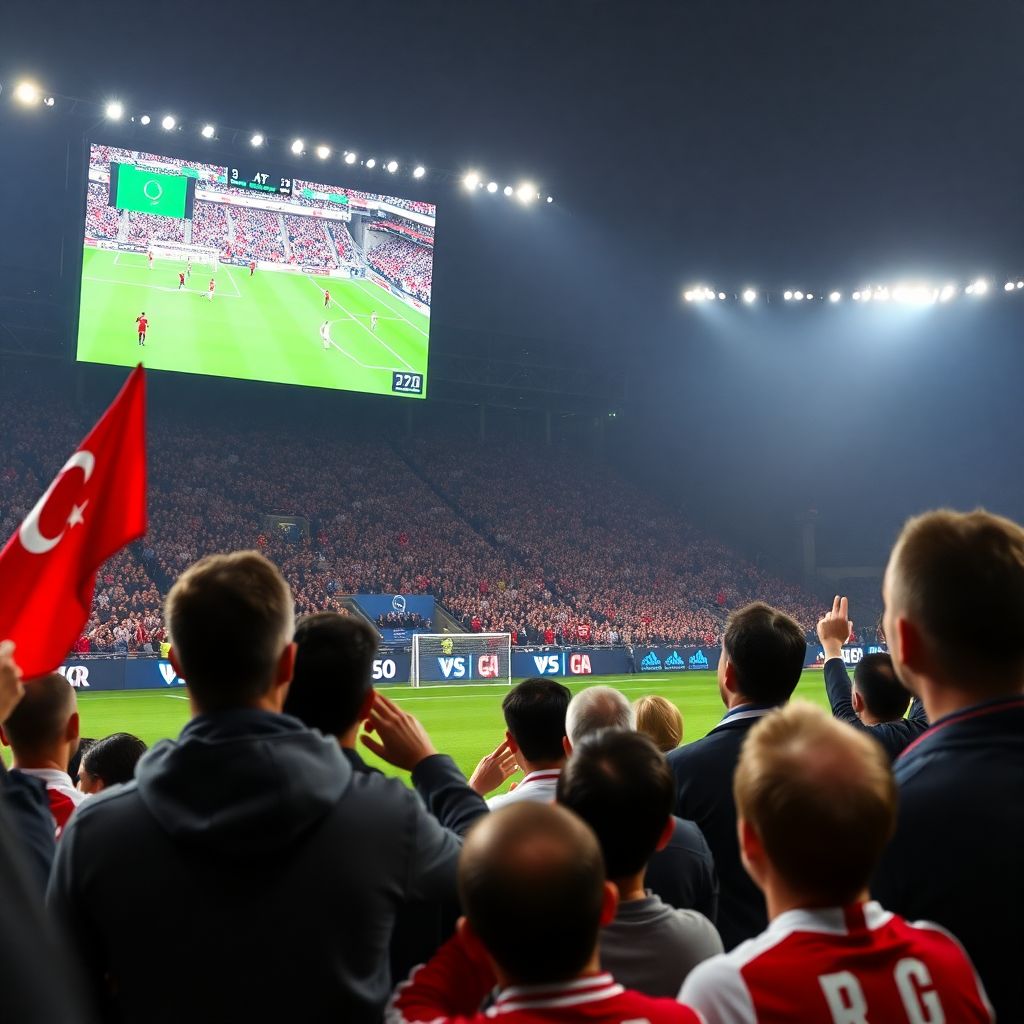
Video Assistant Referee (VAR) has reduced some clear mistakes in Turkish football but also fuelled new debates, especially in high-pressure derbies. Its impact depends less on technology and more on protocols, referee training and transparent communication, which determine whether fans see VAR as protection against injustice or as another source of controversy.
Core Findings on VAR’s Influence in Turkish Football
- VAR reduced some blatant errors but intensified focus on grey-area decisions, especially in the Turkish Süper Lig.
- Poor communication and inconsistent lines on “clear and obvious error” are the core of most VAR Turkish Super Lig controversy discussions.
- Clubs, coaches and bettors had to adapt tactics and risk models after VAR introduction.
- Supporters distrust grows when Turkish Super Lig VAR decisions today are explained late or not at all.
- Basic prevention steps – consistent protocols, quicker checks, public explanations – cut most repeatable mistakes.
- Clubs that train players on VAR behaviour suffer fewer card and penalty incidents.
Origins and Implementation Timeline of VAR in Turkish Leagues
VAR in Turkish football follows the global IFAB protocol: a separate team of video officials supports the on-field referee in four key areas – goals, penalties, direct red cards and mistaken identity. In the Turkish Super Lig, it was introduced to reduce match-changing errors and improve trust in officiating.
From the start, implementation focused on the top division and later expanded to selected cup ties. Early phases emphasised technology: camera angles, replay centres, communication systems. Less attention went to soft factors such as referee psychology under review pressure and how explanations reach fans, broadcasters and club officials.
Today, debates no longer question whether VAR exists but how it is used. When fans search for VAR statistics and analysis Turkish Super Lig, they usually want to know: are decisions actually more accurate, or just more argued about? The answer depends on consistency of protocols, not on the screens themselves.
For stakeholders in Turkey – clubs, bettors, media and supporters – understanding this origin story helps: VAR is not an independent judge, it is an extra tool in the same refereeing system, with the same human limitations unless training and governance evolve.
Controversial Decisions and High-Profile Incidents That Shaped Perception
Controversy in the Turkish Süper Lig rarely comes from obvious mistakes; it comes from borderline calls where referees use VAR in ways fans perceive as biased or inconsistent. Typical patterns behind a high-profile VAR Turkish Super Lig controversy include:
- Selective intervention in similar situations
One handball in the box is sent to review, a near-identical one in another match is not. Clubs then compile clips and ask why protocol appears different for rivals and for derbies. - Lengthy checks without clear communication
Stadiums wait through long silences. TV commentary speculates. When the final decision comes, supporters know the outcome but not the reasoning, so conspiracy theories fill the gap. - Subjective offside and “interfering with play” debates
Goals ruled out because a player “affected” the goalkeeper’s view even without touching the ball. Fans see the same pattern differently depending on their club, fuelling arguments about interpretation standards. - Late-game penalty swings
Last-minute penalties given or cancelled after VAR, changing title races or relegation battles. Emotion is already high; any delay or unclear replay choice magnifies anger. - Derby incidents with partial replay angles
In some famous derbies, broadcasters showed unclear angles while VAR had more views. The mismatch between TV images and final decision led supporters to assume hidden evidence, not simply different camera feeds. - Foul and simulation judgments
When VAR confirms or overturns penalties for minimal contact, the debate switches from “was there contact?” to “is this enough for a penalty?” – still a subjective choice, now made with slow-motion that can exaggerate impact. - Perceived “big club” bias
Sequences where big clubs seem to benefit from marginal calls lead provincial teams to question neutrality, especially when communication from the refereeing body is slow or defensive instead of transparent.
Concrete Short Match Scenarios That Often Go Wrong
To turn mechanics into practice, it helps to picture a few repeatable scenarios seen in Turkish Super Lig VAR decisions today and see how to prevent typical errors:
- Borderline handball in the box
Scenario: Cross hits a defender’s arm close to the body. Referee waves play on, VAR sends an on-field review, penalty is finally given.
Prevention steps:- Referee asks VAR immediately: “Arm position? Distance? Deflection?” to speed up check.
- VAR team prepares 2-3 clear angles before calling the referee to the monitor.
- Post-match, refereeing body releases a short clip and explanation of the handball standard.
- Marginal offside on a winning goal
Scenario: Striker scores; assistant does not raise the flag; VAR later draws lines and cancels the goal by a tiny margin.
Prevention steps:- League communicates pre-season how offside line technology works and its limits.
- Clubs coach attackers to start runs slightly later, accepting fewer “line” situations.
- Broadcasters show the calibrated line process clearly to reduce speculation.
- Penalty shout for light contact
Scenario: Winger enters the box, light leg contact, falls dramatically. Referee gives penalty; VAR does not intervene, considering it not a clear error.
Prevention steps:- Referee describes what he saw over the headset so VAR can compare perception with replays.
- Coaches discourage exaggerated falls; repeated simulation risks image and decisions.
- Refereeing body publishes a seasonal montage of “threshold” incidents to standardise practice.
Refereeing Accuracy: Data, Metrics and Observable Trends
Without publishing full datasets, it is hard in Turkey to quantify exactly how much VAR has improved accuracy, but certain trends and metrics consistently appear in VAR statistics and analysis Turkish Super Lig discussions.
Typical Situations Where VAR Most Often Intervenes
- Penalty awards and cancellations
VAR frequently checks contact, handball and foul location. The main benefit is correcting penalties wrongly given outside the box or with no contact at all. - Goals involving potential offside
Close offside calls are checked automatically. This removes some assistant referee errors but introduces debates about frame selection and body-part detection. - Direct red cards for serious foul play
Replays help identify studs-up tackles, high boots and violent conduct missed in real time, protecting player safety. - Mistaken identity in card decisions
When a referee books or sends off the wrong player, VAR can correct the identity as long as the original offence is card-worthy. - Goalkeeper interference and fouls on set pieces
Corners and free-kicks near the box produce chaos; VAR can slow down and isolate pushes or blocks on the goalkeeper before a goal. - Potential off-the-ball violent conduct
Cameras catch elbows or strikes behind the referee’s back. VAR alerts the on-field official to review for red card decisions.
Across seasons, one observable trend: Turkish referees now delay whistles or flags more often, especially for offsides and penalty-area fouls, to allow VAR to review if a goal occurs. This slightly changes game flow but reduces the chance of stopping a clear goal move prematurely.
Another trend is psychological: because every key decision might be replayed, some referees become risk-averse, sticking closely to protocol even when game context suggests flexibility. This can make matches feel more mechanical, but it also protects referees from post-match criticism based on slow-motion footage.
Tactical and Coaching Adjustments Triggered by VAR
VAR affects not only referees but also how coaches prepare teams, how players behave in the box and even how analysts give Turkish Super Lig betting tips after VAR introduction. Thinking in terms of concrete advantages and limitations helps clubs design better match strategies.
Strategic Advantages Coaches Can Exploit
- Cleaner attacking runs in the box
Well-timed diagonal runs and quick one-twos create situations where any foul is clearly visible on replay, increasing the chance that VAR confirms penalties rather than downgrading them. - Targeting defenders under pressure
Analysts can identify defenders who tend to use hands or reckless tackles. Attacking through these players in the box increases the likelihood of reviewable incidents. - Disciplined pressing to provoke errors
High press strategies can force panicked clearances or late tackles. With VAR able to confirm clear contact, such pressure can produce penalties and cards. - Set-piece routines built for clarity
Well-rehearsed corner and free-kick routines make intended movements obvious, so any illegal block or pull stands out on replay and is easier to award. - Bench communication with analysts
Clubs using video analysts can signal to the bench when an incident is clearly penalty/red card worthy, encouraging captains to calmly remind the referee about a possible VAR check instead of protesting emotionally.
Structural Limitations Clubs Must Respect
- VAR only corrects clear and obvious errors
Grey-area fouls or handballs will rarely be overturned. Coaches should not build plans on hoping VAR rescues every 50-50 decision. - No intervention for most yellow cards
Accumulated bookings and suspensions still depend mainly on the on-field referee, so discipline management remains a coaching priority. - Time and rhythm disruption
Long reviews can cool attacking momentum. Teams must prepare set routines for restarts and mental reset during checks instead of complaining. - Technology does not read intent
Replays show contact, not motivation. Players who “sell” contact too theatrically risk referees downgrading incidents after seeing slow motion. - Limited camera coverage in some matches
Lower-profile games may have fewer angles. Clubs cannot assume every pull or block will be visible; basic defensive discipline remains crucial.
Effects on Supporters, Media Narratives and Club Relations
VAR changed how supporters watch matches, how media build narratives and how clubs talk to refereeing bodies. It even shapes what fans look for on the best sites to watch Turkish Super Lig with VAR replays, as they want fast clips of key incidents with angles similar to the VAR room.
Common Misconceptions and Repeating Mistakes
- “VAR makes football 100% fair”
Mistake: Expecting zero controversy after VAR leads to disappointment and anger when subjectivity remains.
How to prevent: Communicate clearly that VAR reduces some errors but cannot remove all judgement calls or bias perceptions. - “Every contact in the box is a penalty after VAR”
Mistake: Players, coaches and fans assume slow motion always exaggerates contact into a foul.
How to prevent: Educate on foul thresholds – league, clubs and commentators should repeat that VAR also supports the referee in confirming non-penalties. - “VAR favours my rivals by design”
Mistake: Clubs selectively remember decisions against them, fuelling hostility towards referees and the federation.
How to prevent: Independent review panels, public reports and open seminars with clubs can show the full decision picture across a season. - “Only the final angle matters”
Mistake: Fans judge a call by the one replay they saw on TV, not the set of angles VAR used.
How to prevent: Broadcasters should show multiple angles and explain why one angle was decisive, aligning TV coverage with the VAR process. - “Bigger protests change VAR decisions”
Mistake: Players surround referees assuming pressure can influence checks.
How to prevent: Referees consistently book mass protests; clubs discipline captains and use clear internal rules on who can speak to officials. - “Betting models are unchanged by VAR”
Mistake: Some bettors ignore that stoppage time, penalty frequency and card patterns change with VAR.
How to prevent: Any serious guide offering Turkish Super Lig betting tips after VAR introduction should account for more reviews, longer added time and different card dynamics.
Regulation, Referee Training and Pathways for Further Reform
The Turkish Football Federation and refereeing committees can reduce controversy with disciplined regulation, modern training and better data use instead of relying on ad-hoc explanations after big games. Structured improvements turn emotional debates into technical disagreements that can be resolved.
Key Areas for Regulatory Improvement
- Precise public protocol on “clear and obvious error”
Define and publish examples of incidents where VAR must intervene and where it must stay silent, using real Süper Lig clips. - Transparent post-weekend reports
After each round, release a short document and video explaining 3-5 key decisions, referencing the protocol and using the same angles from the VAR room. - Consistent punishment and education for officials
When referees seriously misapply VAR protocol, focus not only on suspensions but also on remedial training and explicit case-study learning.
Practical Training Focus for Turkish Referees
- Communication under pressure
Train referees to give short, clear messages to players and coaches: what is being checked, who makes the final call, and when play will restart. - Scenario-based video sessions
Use real clips from VAR Turkish Super Lig controversy cases, asking referees to decide in real time, then compare with protocol and final decision. - Teamwork between on-field and VAR officials
Practice simulated matches where the same crew works together repeatedly, building trust and shared standards of intervention. - Use of metrics without over-reliance
Referees should understand high-level VAR statistics and analysis Turkish Super Lig – for example, which incident types cause most errors – without obsessing over numbers during games.
Illustrative Mini-Case: From Chaotic Check to Model Procedure
Imagine a late penalty claim in a title-deciding match:
- Referee whistles penalty for a tackle on the striker.
- VAR quickly checks for clear evidence of no foul or outside-the-box contact.
- If evidence is ambiguous, the on-field call stands; if strong, VAR invites an on-field review.
- Referee watches 2-3 angles at real speed, then slow motion, announces final decision.
- Post-match, the refereeing body publishes the clip and explanation referencing protocol.
Running this same “script” every week turns emotional peaks into predictable procedures, calming media debates and giving fans a stable framework for judging incidents.
Quick Clarifications on Common Concerns About VAR
Does VAR decide everything instead of the referee in Turkish matches?
No. The on-field referee keeps final authority. VAR only recommends reviews for clear and obvious errors in four areas: goals, penalties, direct reds and mistaken identity. The referee can accept or reject VAR advice after watching replays.
Why do some similar-looking incidents have different VAR outcomes?
Each incident has different details: arm position, distance, intensity, game context and angle. Also, VAR cannot re-referee grey areas; it only intervenes for clear mistakes. Better public examples and protocols are needed to reduce the sense of inconsistency.
Why do VAR checks sometimes take so long in the Turkish Super Lig?
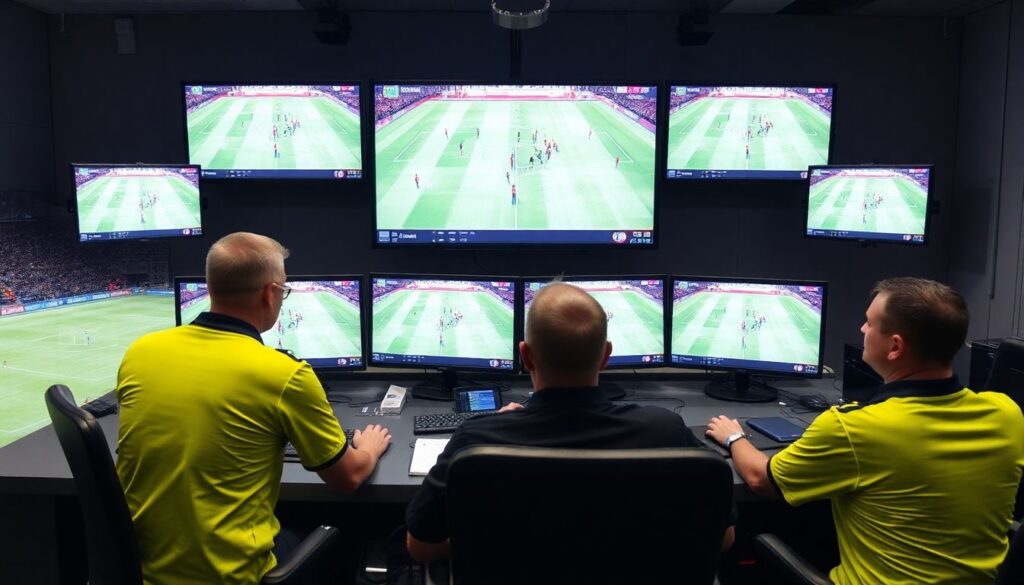
Delays come from finding the right angle, checking offside lines and aligning communication between VAR and the referee. Training on faster workflows and limiting unnecessary replays can shorten reviews without sacrificing accuracy.
Can fans watch the same VAR angles that referees see?
Not always in real time. Broadcasters typically show many of the same angles, but not necessarily all. Fans who use the best sites to watch Turkish Super Lig with VAR replays usually get multiple views after the match, helping them understand decisions better.
Has VAR made betting on Turkish Super Lig matches harder?
VAR changed patterns of penalties, cards and stoppage time, so older betting models can misfire. Serious bettors adapt by studying how often big calls are reviewed and how certain referees use VAR before forming Turkish Super Lig betting tips after VAR introduction.
Can clubs officially challenge or appeal VAR decisions?
Clubs can complain and request explanations, but they cannot use appeals to replay or overturn matches solely based on VAR decisions. Appeals are usually limited to extreme procedural errors, not normal judgement calls.
Will better technology alone fix VAR controversies in Turkey?
No. More cameras and clearer lines help, but controversies will continue without transparent protocols, strong referee training and consistent communication with supporters, media and clubs.