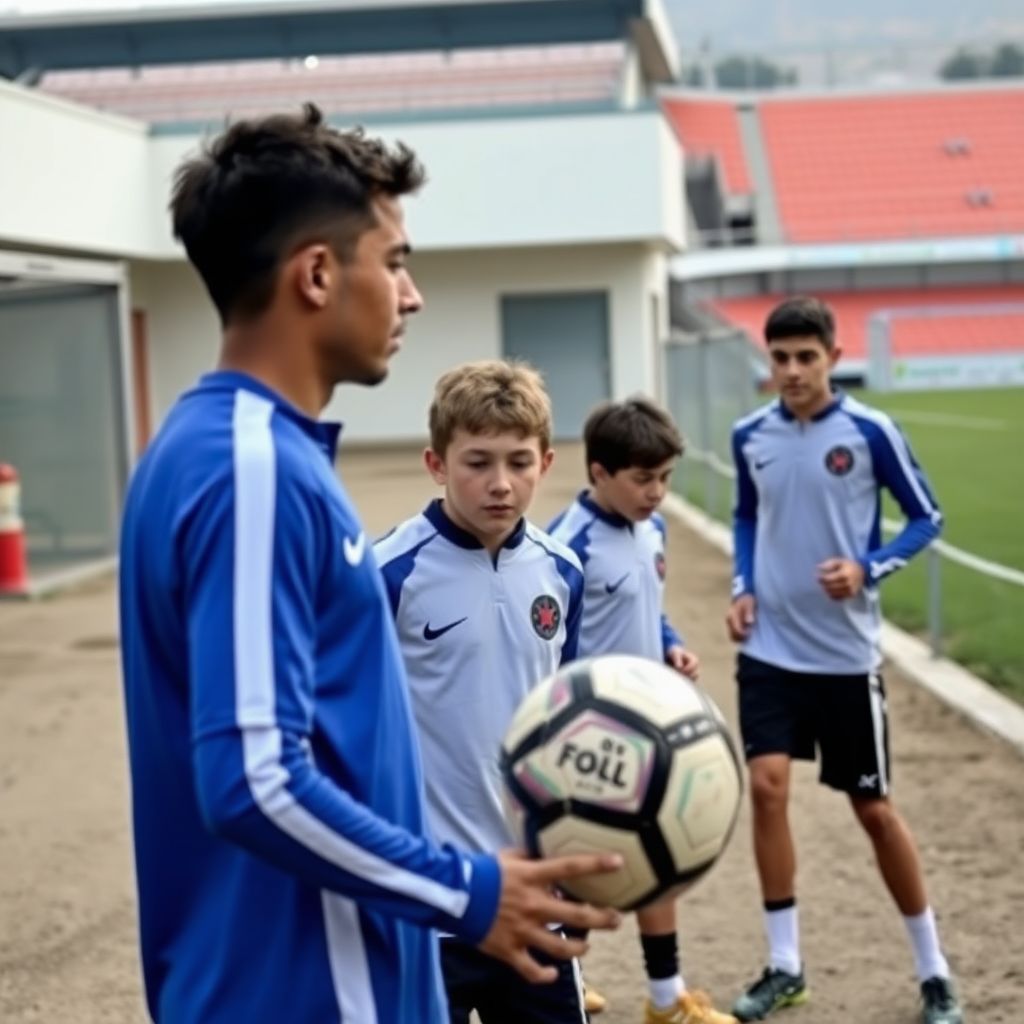
Several underrated TFF 1. Lig clubs are quietly building strong youth academies by focusing on clear pathways, modern coaching, and smart scouting rather than big budgets. Altınordu, Bandırmaspor, Menemenspor, Balıkesirspor, and Adanaspor show how Turkish second division clubs investing in academies can rival or out-produce some Süper Lig setups.
Why these 1. Lig academies deserve close attention
- They challenge the assumption that only big-city giants can lead TFF 1. Lig youth academy rankings.
- They offer clearer first-team pathways than many traditional “best youth academies in Turkish TFF 1. Lig” brands.
- They show how limited budgets can still support high-level talent scouting in TFF 1. Lig youth academies.
- They are becoming reference points for TFF 1. Lig clubs with best player development and transition models.
- They offer practical blueprints for regional clubs and academies across Türkiye seeking sustainable structures.
Debunking myths: smaller clubs can out-produce top academies
The biggest myth in Turkish youth development is that only elite Istanbul or Ankara clubs can consistently produce top professionals. In reality, consistent minutes, clear pathways, and coaching quality matter more than brand size. This is why several TFF 1. Lig clubs with best player development are outside the usual spotlight.
When people discuss TFF 1. Lig youth academy rankings, they often overvalue trophies and under-value progression: how many players sign professional contracts, debut in senior football, or generate transfer income. Smaller 1. Lig teams can control these levers more directly than crowded, politically complex giants.
Another misconception is that Turkish second division clubs investing in academies will inevitably lose their best kids for free. While this risk is real, it can be mitigated with early professional contracts, strategic partnerships, and clear communication with families. The following case studies show how.
Altınordu – a deliberate model for senior-ready graduates
The common myth around Altınordu is that it succeeds only because it spends more than other 1. Lig clubs. In practice, its edge comes from long-term consistency: a stable philosophy, no panic foreign signings blocking youth, and a clear story for families about the path from academy to first team.
- Single-club career narrative. Altınordu presents itself as a place where a teenager can go from U14 to professional debut without constant transfers. This reduces noise around the player and reassures parents.
- Defined positional pathways. Each age group mirrors the first team’s tactical structure, so a right-back at U15 understands exactly what is required to play the same role in the senior squad.
- Integrated coaching language. Coaches at U13, U17, and the first team use the same terminology for principles like pressing, compactness, and body orientation, which accelerates adaptation.
- Early exposure to senior habits. Top prospects train periodically with the U19s and reserves, learning about nutrition, gym work, and video analysis while still developing technically.
- Outcome-focused measurement. Success is tracked by how many academy players log senior minutes or earn transfers, not only by youth league titles.
Usage scenario: A regional club technical director wanting to shift from “collecting talents” to a coherent pathway can copy Altınordu’s idea of shared game model and terminology from U13 to first team, even with modest infrastructure.
Bandırmaspor – analytics and targeted technical curricula
A frequent myth is that analytics in youth development only makes sense for rich clubs. In reality, Bandırmaspor shows that even basic data and video workflows can sharpen decisions: which positions to prioritise, which training content to emphasise, and when a player is ready to step up.
- Position-specific technical tracks. Instead of generic drills, Bandırmaspor uses tailored curricula for roles (e.g., ball-playing centre-back, inverted winger) linked to first-team needs.
- Simple but consistent data. Basic metrics like successful presses, line-breaking passes, and progressive carries are tracked over time to guide individual plans.
- Video feedback loops. Short, focused clips are used weekly so each prospect sees two or three concrete behaviours to repeat or correct.
- Promotion timing decisions. Decisions on moving a player from U17 to U19 are based on both coach observation and trends in their key metrics, reducing emotional bias.
- Market-aligned profiles. The academy emphasises attributes currently valued in modern football (build-up defenders, press-resistant midfielders), improving transfer potential.
Usage scenario: A 1. Lig academy head with a limited budget but access to basic video can implement a light analytics layer: track three to five metrics per player, review them monthly, and link training plans to actual performance.
Menemenspor – regional scouting and community integration
The myth around smaller Izmir-area clubs is that they cannot compete with big brands for talents. Menemenspor counters this by owning the local narrative: it frames itself as the most realistic path to senior football for regional kids who might otherwise get lost in giant academies.
Upsides of Menemenspor's regional model
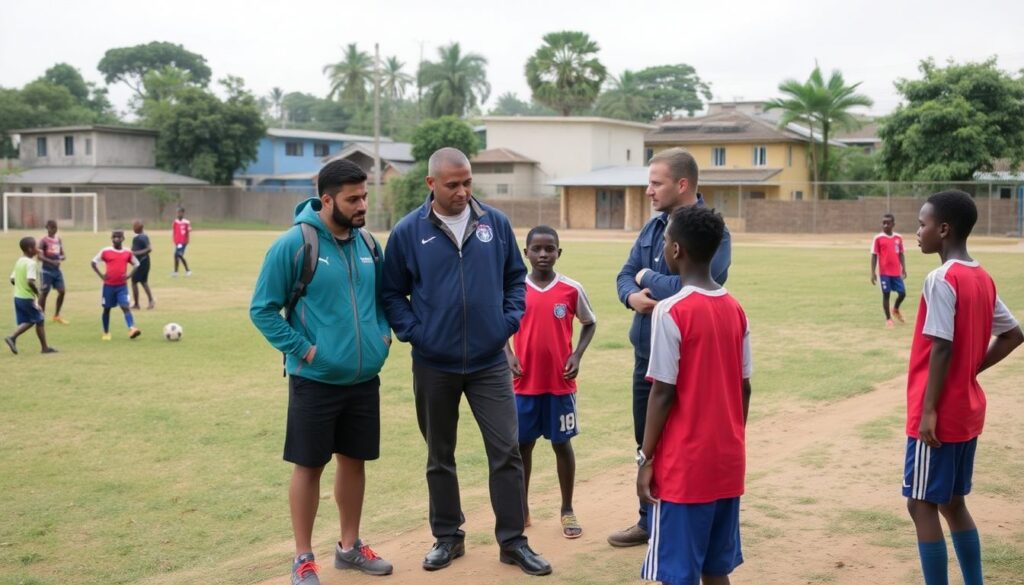
- Deep local scouting network. Coaches, teachers, and local amateur clubs form an informal information web, surfacing late developers who might be invisible to national scouts.
- Lower relocation stress. Many players can stay close to home, reducing school disruption and emotional pressure, which helps retention and performance.
- Identity and loyalty. Strong links with community schools and grassroots teams build a sense of “our club” that supports long-term commitment from families.
- Cost-effective recruitment. Fewer long-distance moves and accommodation costs compared to national scouting-only models.
Limitations of a purely regional focus
- Smaller talent pool. Limiting recruitment to a narrow geography can miss elite-level profiles from other regions.
- Risk of complacency. Without periodic benchmarking against the “best youth academies in Turkish TFF 1. Lig”, standards can stagnate.
- Market visibility challenges. Without national tournaments or partner clubs, players might struggle to be noticed by top-flight scouts.
Usage scenario: A provincial club that cannot win bidding wars can copy Menemenspor by building structured relationships with schools and amateur clubs within a 50-100 km radius instead of chasing national tournaments exclusively.
Balıkesirspor – resource-efficient coaching and retention
One damaging myth is that if you cannot pay high salaries or build a flashy campus, you cannot have a serious academy. Balıkesirspor shows that efficient coach usage, smart scheduling, and retention-focused culture can still produce professionals without pretending to be a “mini big club”.
- Myth: more teams equal better development. Over-fragmented age categories stretch limited coaching staff. A leaner structure with combined age groups can provide better coaching quality per session.
- Myth: best players must always “play up”. Constantly pushing kids two age groups higher can harm confidence and game leadership. Balıkesirspor balances challenge matches with time as dominant players in their own age.
- Myth: foreign methodology is automatically superior. Blindly copying foreign drills without adapting to local realities (school schedules, pitches) wastes energy. Local constraints are treated as design parameters, not obstacles.
- Myth: retention is about contracts only. Retaining talents is also about relationships: transparent communication with families, realistic expectations, and visible examples of academy-to-first-team graduates.
- Myth: you must match big-club facilities. Instead of chasing cosmetic upgrades, Balıkesirspor prioritises pitch quality and coach education, which impact development more than fancy buildings.
Usage scenario: A club technical coordinator with very limited resources can use Balıkesirspor as a reference: merge some age groups, concentrate budget on coach education and pitch maintenance, and build a clear story about realistic professional pathways.
Adanaspor – partnership networks and accelerated transitions
The myth in many discussions about TFF 1. Lig clubs with best player development is that internal academy work alone decides outcomes. Adanaspor illustrates how partnership networks with local amateur clubs, schools, and even foreign teams can speed up the transition from youth to professional football.
Illustrative mini-case:
Imagine a 17-year-old Adanaspor academy midfielder who dominates U19 games but is not yet ready to anchor the 1. Lig midfield.
- The staff identifies his main gaps: physical robustness and decision speed under pressure.
- Through a partnership with a nearby 3rd-tier club, he is loaned for half a season with guaranteed minutes in his best position.
- Adanaspor staff share an individual development plan and periodically review match footage with him, maintaining technical alignment.
- Once he meets predefined benchmarks (e.g., consistent 90-minute performances, certain reliability standards), he returns and is gradually introduced as a substitute in 1. Lig fixtures.
- If progress continues, he becomes a regular squad member and, in time, a candidate for transfers higher up the pyramid.
Usage scenario: An academy director looking to create faster, safer transitions to senior football can replicate the Adanaspor approach: build formal partnerships with lower-division teams, set clear loan objectives, and keep technical control through shared development plans.
Practical clarifications about youth development in 1. Lig clubs
How should I interpret TFF 1. Lig youth academy rankings when comparing clubs?
Do not look only at youth league positions. Prioritise how many players sign pro contracts, debut in senior football, and sustain careers. Rankings that ignore progression can be misleading.
What defines the best youth academies in Turkish TFF 1. Lig today?
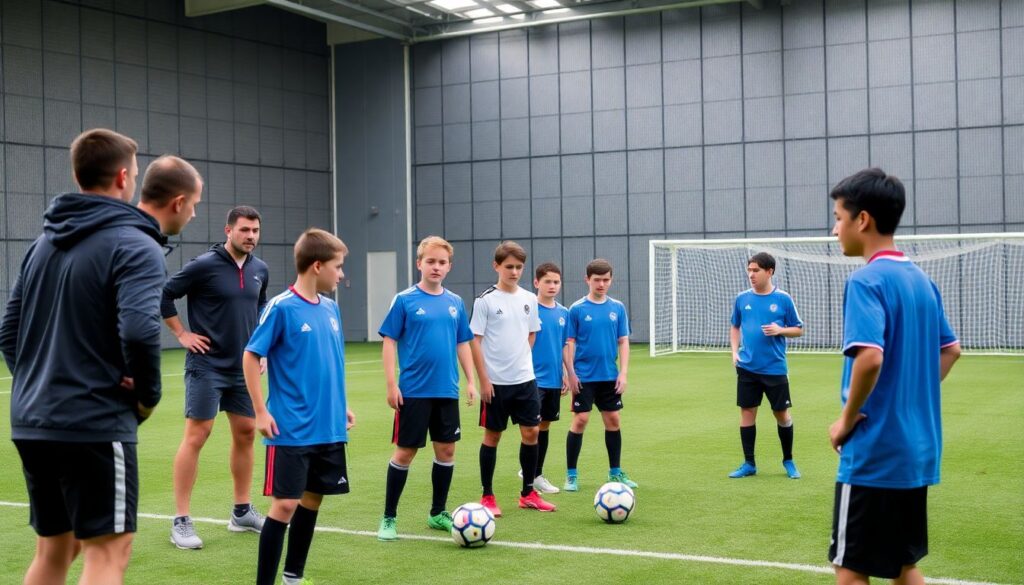
The most effective academies combine clear pathways to the first team, coherent game models across age groups, serious coaching education, and strong communication with families. Branding and facilities alone are not enough.
Why are Turkish second division clubs investing in academies instead of just buying players?
Developing players in-house can be more sustainable than relying on constant transfers. Homegrown players often accept more realistic wages, fit the club culture, and can generate future transfer income.
How do smaller clubs organise talent scouting in TFF 1. Lig youth academies?
They rely heavily on regional networks: school tournaments, local amateur clubs, and trusted scouts who know the area. Some add simple data and video processes to make better decisions with limited budgets.
Can a provincial club really compete with city giants in player development?
Yes, if it focuses on playing time, personalised development, and strong relationships with families. Many youngsters prefer realistic chances of debuting at 18-19 over being one of hundreds in a big-city academy.
What is a realistic first step for a small club that wants to upgrade its academy?
Start with a clear playing philosophy, invest in coach education, and align all age groups with a simple, shared game model. Physical infrastructure upgrades can follow later.
How can parents evaluate if an academy is serious or just using nice marketing?
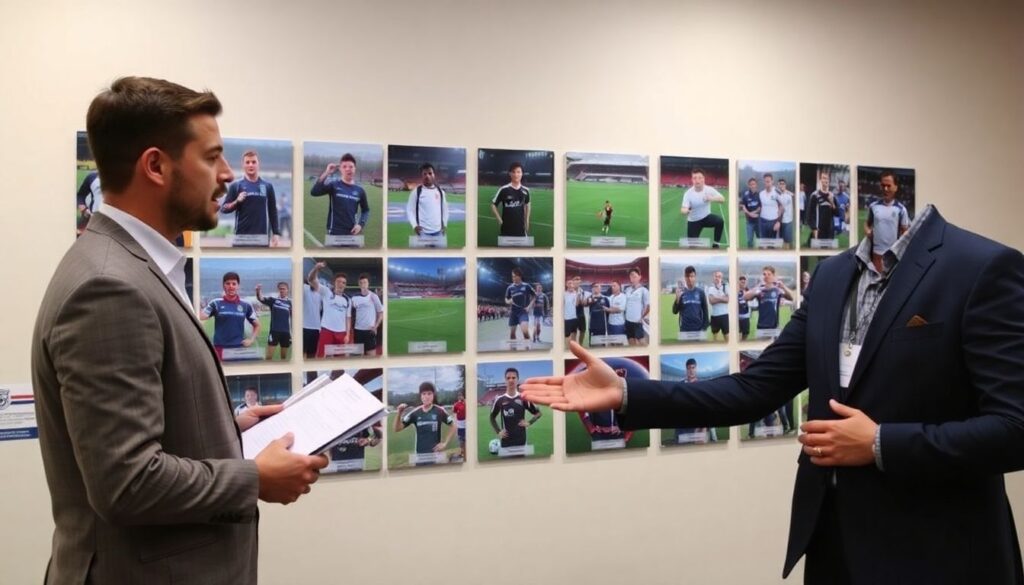
Ask how many players have recently moved from the academy to the first team or to professional contracts elsewhere. Concrete examples of progression matter more than slogans and social media posts.