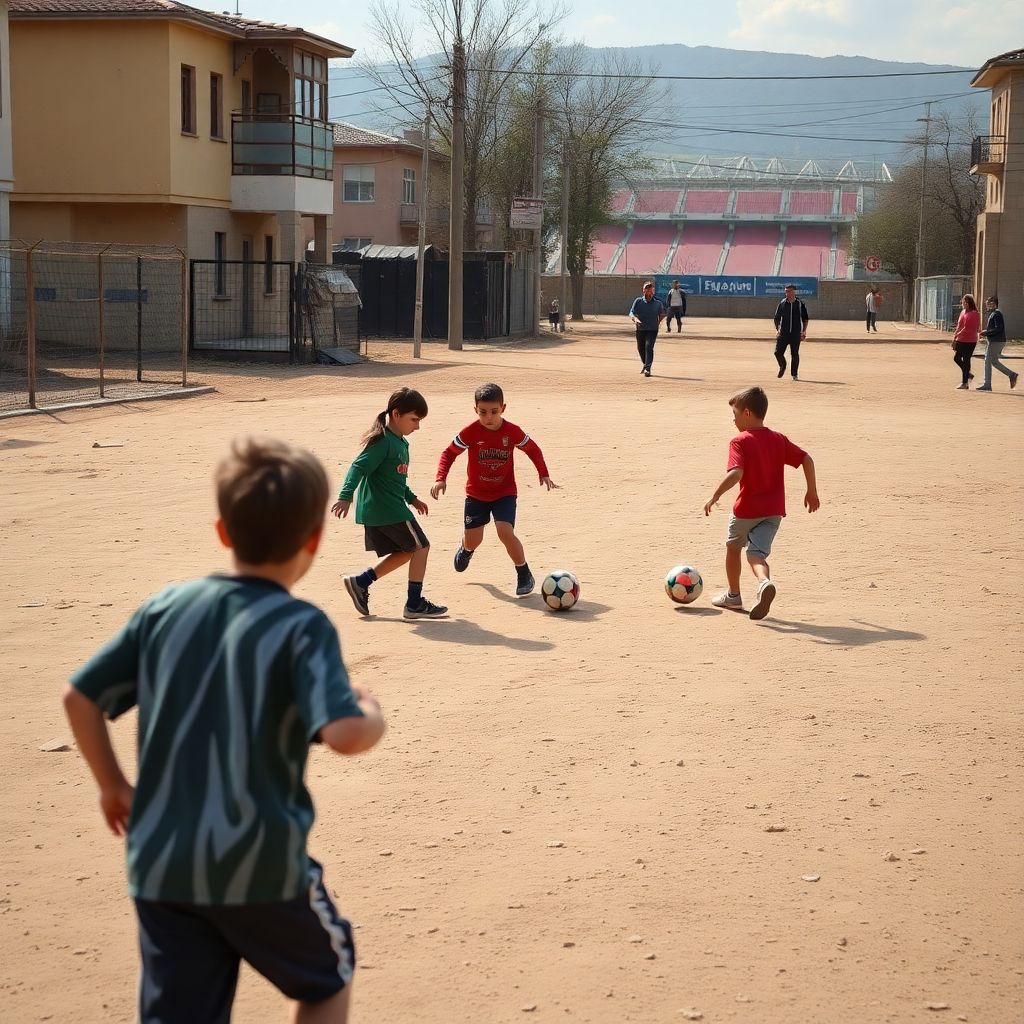
Grassroots football in Turkey is the pathway where street games, school pitches, and small local clubs gradually connect young players with structured training, scouting, and eventually professional stadiums. If you want more boys and girls to walk this path, then design clear, low-cost bridges between informal play, community clubs, and elite environments.
Essential lessons from Turkish grassroots football journeys
- If you protect street and school football spaces, then creativity, resilience, and decision-making develop before formal coaching even starts.
- If local clubs and turkish football academies for youth cooperate, then transitions from neighborhood teams to pro pathways become realistic.
- If coaches and volunteers share a common plan, then training quality stays consistent across districts and income levels.
- If scouting is regular and transparent, then talent from under-served districts is less likely to be overlooked.
- If facilities and equipment solutions are simple and community-owned, then projects survive beyond a single grant or sponsor.
- If football connects to school, work, and civic life, then it supports social mobility, not just sporting success.
Street football culture: how neighborhood play shapes talent
In Turkey, grassroots journeys usually start far from professional clubs, in tight streets, apartment courtyards, coastal promenades, and school yards. Street football culture is the sum of these informal games: self-organised, mixed-age, often with improvised goals and flexible rules adjusted for space, safety, and time.
This culture shapes technical and mental qualities long before players enter turkish football academies for youth. Tight spaces encourage first touch, quick passing, and 1v1 skills. Unpredictable surfaces and older opponents force rapid decisions and bravery. Games last until it gets dark, building stamina and mental toughness without anyone calling it conditioning.
Boundaries of this concept are clear: the street environment is not a replacement for structured coaching, medical support, or education. It is a foundation. If you recognise street football as a learning environment, then you can design later training to complement the instincts and creativity born there, instead of trying to erase them.
If you are a club, municipality, or school, then your first task is to protect and legitimise these free-play spaces. If you restrict balls, ban games, or over-police children, then you weaken the most natural talent factory Turkey has.
Local clubs and youth academies: formalizing informal skills
Local clubs and youth academies are the structures that turn raw street talent into players who can survive training loads, tactics, and expectations of professional systems. In Turkey this bridge is built by neighbourhood kulüpler, municipal facilities, private schools, and professional club academies.
- Creating a visible entry point
If your district has many street games but no clear local club presence, then parents and players will not know where to go. Simple steps:- Post clear training days and age groups at schools, mosques, and community centres.
- Offer an open, no-commitment “trial day” each term so street players can just show up.
- Age- and level-appropriate training blocks
If you mix 9-year-olds and 15-year-olds in the same session, then someone is always under-served. Structure:- Split groups first by age, then by experience where possible.
- Keep sessions short but frequent for younger players, longer for older ones.
- Translating street skills into game models
If a player is brilliant in 1v1 on the street but lost in 11v11, then the problem is teaching, not talent. Coaches should:- Use small-sided games (2v2, 3v3, 5v5) to connect street instincts with positional roles.
- Explain simple team principles: width, depth, pressing triggers, not a 30-page playbook.
- Simple, predictable competition calendar
If your match schedule changes every week, then families without cars or flexible jobs will drop out. Plan:- Fixed training days and usual match day (e.g., Saturday morning).
- Local mini-leagues to reduce travel time and cost.
- Clear pathway to professional academies
If you want players to dream realistically, then you must show them the next step. Practices:- Annual or semi-annual joint sessions with pro clubs and football training camps in turkey.
- Written agreements about how and when your best players can trial at higher levels.
- Parent communication and expectations
If parents only hear from the club when there is a problem, then trust collapses quickly. Maintain:- Short season-opening meetings about goals, costs, and codes of conduct.
- Regular feedback: not just “your child is good”, but what to work on at home.
Mini-scenarios of neighborhood-to-academy journeys
If you run a small club in Izmir and notice talented street players around your facility, then organise a monthly “street to training” evening: free entry, 4v4 tournaments, and invitations to join the regular team. Over time, this becomes your scouting and community-building tool.
If you are a professional club academy in Istanbul, then partner with three to five reliable local clubs instead of hosting giant open trials. Give them a simple checklist (technical, tactical, physical, attitude) and fixed dates when they can send you 3-5 players per age group. This respects local coaches and reduces random, unfair selections.
Coaching and volunteering models that scale impact
Grassroots systems in Turkey rarely have enough full-time paid coaches. Impact scales when smart combinations of professionals, volunteers, and older players work from the same playbook. Below are typical scenarios and how to structure them with “if…, then…” logic.
- School teacher-coach hybrid
If a PE teacher in a state school also coaches a local team, then the school becomes a natural hub. To use this:- Align school PE themes with club training cycles (e.g., ball control month, passing month).
- Use school tournaments as scouting for your club and nearby turkish football academies for youth.
- Parent volunteers under a head coach
If parents want to help, then give them micro-roles instead of full control. For example:- If a parent leads warm-ups under coach supervision, then the head coach can focus on game-like drills.
- If a parent manages transport and communication groups, then attendance and punctuality improve.
- Youth leaders mentoring younger ages
If U17 players assist with U9 sessions, then leadership and club identity grow. Rules:- If a youth leader helps, then they must follow the same training plan as the head coach.
- If they propose new games, then test them in a part of the session, not the whole session.
- Municipal sports officer coordination
If your municipality employs a sports officer, then use that role to connect schools, clubs, and facilities:- If two clubs fight over pitch time, then the officer mediates and builds a shared calendar.
- If there are empty times on public pitches, then the officer reserves them for free open play.
- Private camp and clinic partnerships
If you run football training camps in turkey for visiting groups, then set aside time for local grassroots players:- If camp coaches are in town for a week, then invite them to deliver one free session to community kids.
- If your camp uses high-quality equipment, then donate a percentage to nearby low-resource clubs afterward.
Talent identification and transition mechanisms to professional ranks
Talent ID is how clubs discover and promote players; transition mechanisms are the policies, trials, and support structures that move them from local pitches toward professional squads. In Turkey this often includes informal scouting at school tournaments, regional selection days, and academy trials at the best turkish football clubs to support.
If your system relies only on one-off trials at big clubs, then you will miss late developers, players from rural areas, and those who cannot travel. If you build multi-step, local-first mechanisms, then you widen the net and reduce the influence of chance and connections.
Advantages of robust talent pathways
- If scouting visits every district regularly, then selection depends less on family networks and more on performance.
- If local coaches have a voice in selection, then they keep investing in long-term player development.
- If data from matches and training (minutes played, positions tried, training attendance) is tracked, then decisions become more objective.
- If transitions are gradual (e.g., guest training days before full transfers), then young players adapt better to professional environments.
- If pro clubs support education and boarding for out-of-city players, then talented kids from Anatolia can realistically join big-city academies.
Limitations and risks to manage
- If scouts are not trained against bias, then they may still prefer early-maturing or taller players and ignore technical quality.
- If local clubs lose every good player without compensation or recognition, then they become reluctant to cooperate.
- If families believe a Super Lig contract is the only success, then pressure on children grows unhealthy.
- If transition rules are unclear, then rumours and mistrust spread quickly in the community.
- If academic performance is not monitored, then early professional focus can damage long-term life chances.
Practical solutions for facilities, funding, and equipment
Facilities, money, and kit are usually cited as the main barriers, but many problems here are created by myths and poor planning. Using “if…, then…” thinking helps avoid common traps.
- Myth: “Without a full-size artificial pitch, we cannot start”
If you wait for a perfect facility, then you will delay years of development. Start with:- Marked zones on school yards or small cages for 3v3 and 5v5.
- Rotating use of community spaces with clear time slots.
- Myth: “We need expensive kits to be a real club”
If you spend most funds on uniforms, then little remains for balls and goals. A better rule:- If a purchase does not increase touches on the ball, then it should come later.
- Use a turkish football jerseys online store only after you secure basic training equipment and coaching needs.
- Mistake: Ignoring small, recurring income streams
If you depend on one big sponsor, then your project is fragile. Instead:- If parents can afford small monthly fees, then combine them with municipal or school support.
- Run simple events (mini-tournaments, second-hand kit sales) as regular fundraisers.
- Mistake: Not tracking facility usage
If you do not measure who uses your pitch and when, then you cannot argue for better support. Implement:- Session logs with team, age group, and attendance.
- If some time slots are consistently empty, then reassign them to open community play.
- Myth: “Professional clubs or the federation will fix everything”
If you wait for distant institutions, then local energy is wasted. Practical mindset:- If a problem is under your control (pitch cleaning, schedule, communication), then solve it locally first.
- Use external help for big capital items only after demonstrating your own organisation.
Broader outcomes: social inclusion, education, and community identity
Grassroots football journeys in Turkey affect far more than match results. They shape whether children from different backgrounds meet, whether girls feel safe in public spaces, and whether young people connect their passion for clubs with a healthy lifestyle and education.
If your project in Ankara brings together Syrian refugees and local youth in the same team, then football becomes a language for inclusion. Add simple rules: shared captains, rotation of positions, and post-training homework clubs in the same facility. Over time, you do not just produce players; you produce classmates, neighbours, and future coaches.
If your community loves big derbies and constantly searches for turkey football tickets super lig, then use that passion wisely: run viewing nights at the club, discuss tactics with young players, and link what they see in stadiums to what they practice in training. Professional games become classrooms, not just entertainment.
Practical questions practitioners ask about moving players from streets to stadiums
How can I connect street players with an organised club without scaring them away?
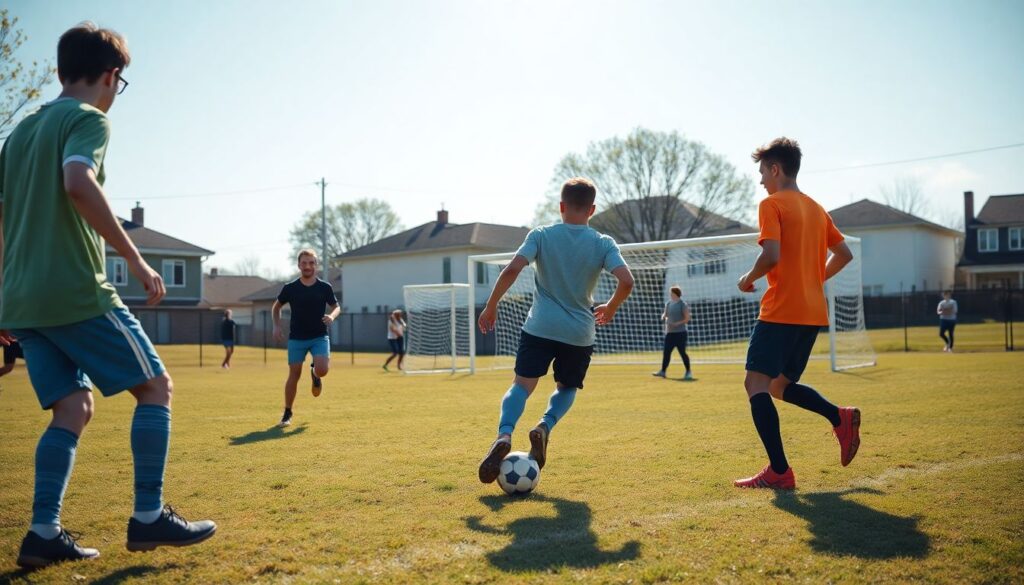
Start with free, informal open-play sessions run by your club in the same places they already play. If the first contact feels like fun with slightly better balls and goals, then players are more likely to accept invitations to regular training.
What simple metrics should a small club track to see if its pathway is working?
Track basic indicators: weekly attendance, player retention across seasons, number of players moving to higher-level teams, and school feedback where possible. If these numbers stay stable or improve, then your pathway is functioning even before trophies arrive.
How do I keep parents supportive without promising professional contracts?
Explain from the start that your aim is personal growth, education support, and health, with football as the tool. If you regularly show parents progress in behaviour, teamwork, and fitness, then most will stay engaged even if only a few reach professional levels.
How should a grassroots club approach professional academies in Turkey?
Identify nearby pro clubs and turkish football academies for youth, then propose structured cooperation: shared training days, mutually agreed selection criteria, and clear communication channels. If you present as an organised partner, then academies are more likely to trust your recommendations.
How can big clubs and fans help grassroots projects directly?
If you support one of the best turkish football clubs to support, then join or start fan initiatives that collect boots, balls, and travel funds for local teams. Coordinated fan groups can sponsor a pitch, a season of transport, or educational support linked to grassroots clubs.
What is a realistic role for commercial camps and tours in grassroots development?
Commercial football training camps in turkey are useful add-ons, not foundations. If they provide coach education sessions, shared drills, and occasional scholarships for local talent, then they can positively influence community clubs without replacing day-to-day work.
How can a small town use professional matches to inspire youth responsibly?
Organise group trips where tickets and travel are linked to behaviour and school attendance. If watching a Super Lig match is a reward for commitment on and off the pitch, then turkey football tickets super lig become educational tools, not just entertainment.