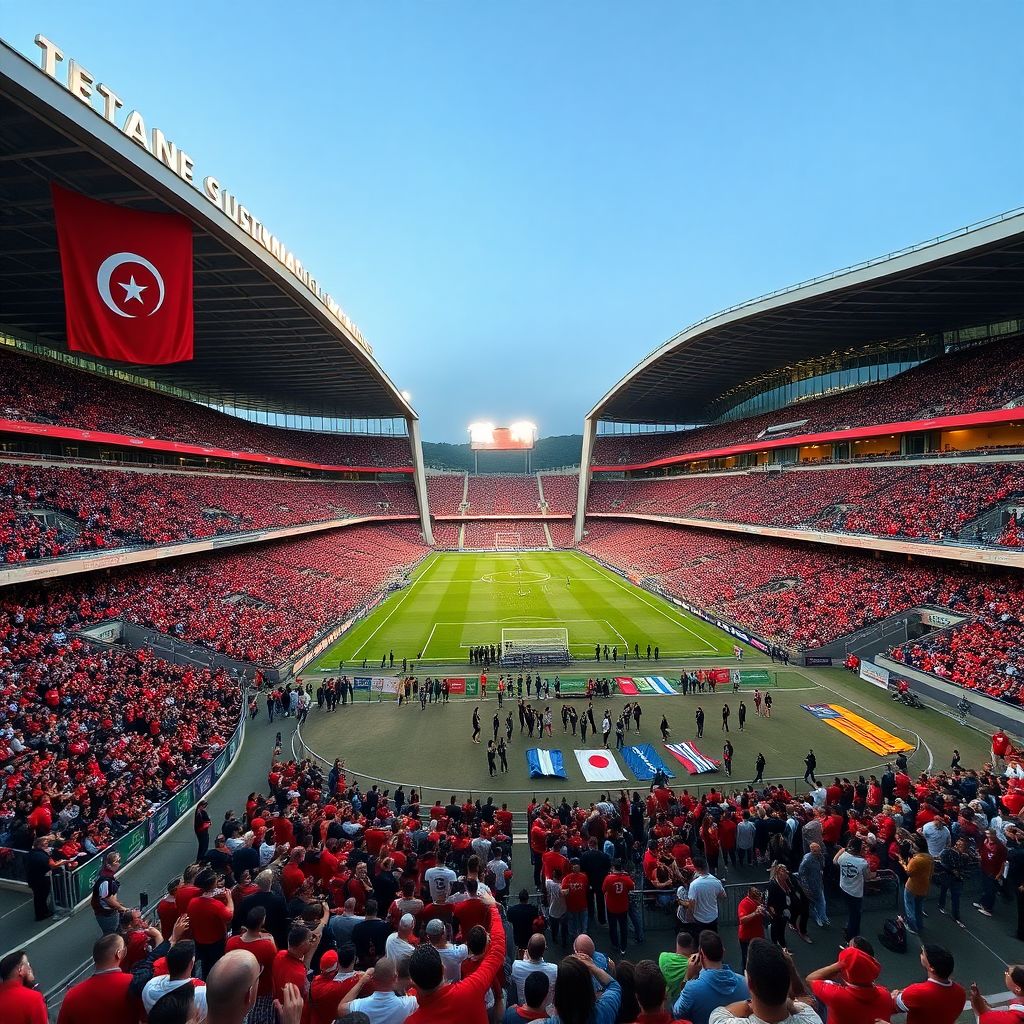
Turkish football infrastructure is competitive in modern stadiums and fan atmosphere but trails leading European leagues in training environments, sports science depth, and governance stability. For a coach, hybrid cooperation with European clubs works best; for an analyst, blended investment portfolios win; for policymakers, long‑term academy and facility standards should be the top priority.
Essential contrasts in infrastructure readiness
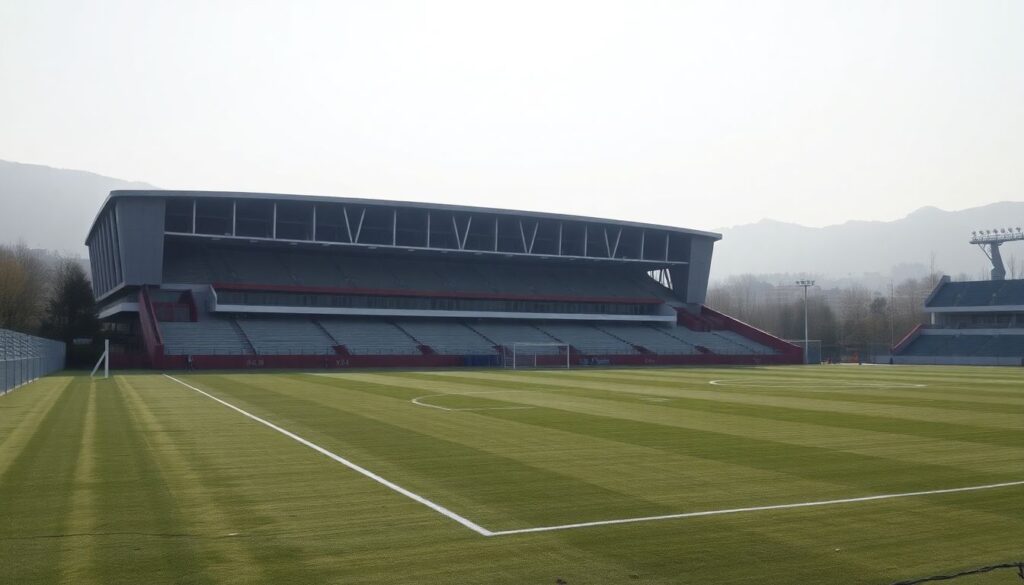
- Modern Turkish stadiums rival many European venues, but training facilities and everyday logistics are less consistently elite.
- Academy structures in Turkey produce talent yet lack the integrated pipelines common at top European clubs.
- Pitch quality and maintenance are improving but still more vulnerable to weather and fixture congestion than in leading leagues.
- Sports science and medical staffing in Turkey are strong at top clubs, thinner in mid‑table and lower divisions.
- Broadcast and commercial systems in Europe create more predictable revenue streams than in Turkey.
- Governance and public-private cooperation are more mature in major European football nations than in Turkey.
- For ambitious stakeholders, hybrid models linking Turkish structures with best European practices are usually the best path.
Stadiums and matchday facilities: capacity, safety, fan experience
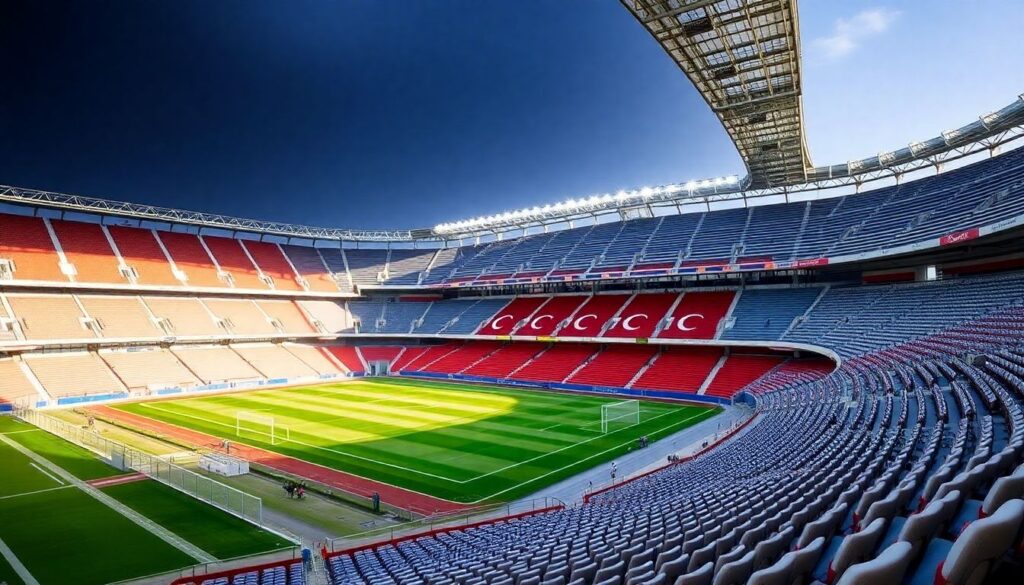
For a coach, stadiums matter for player comfort, noise levels, and travel routines; for an analyst, they define revenue ceilings; for a policymaker, they are the visible symbol of infrastructure policy. Use these criteria to compare Turkey with leading European nations and to choose the right investment focus.
- Safety and regulatory compliance – Fire codes, evacuation routes, policing plans, and alignment with international safety guidelines. Turkish venues have improved, yet top European stadiums usually show more rigorous, audited processes.
- Accessibility and transport links – Metro, bus, park‑and‑ride, and walkability. In turkey football stadium development compared to europe, many new Turkish arenas were built with strong road access but still lag some European peers in integrated public transport and cycle routes.
- Seating comfort and visibility – Sightlines, legroom, cover from weather, and acoustics. New Turkish arenas compare well, while older grounds can feel dated next to Western European benchmarks.
- Fan services and digital experience – Wi‑Fi, mobile ticketing, cashless payment, in‑seat ordering, and clear wayfinding. Premier venues in England, Germany, and Spain are ahead, though Turkish flagships are closing the gap.
- Corporate hospitality and VIP areas – Boxes, lounges, and premium services are stronger revenue drivers in leading European leagues, which matters enormously for analysts modelling stadium income.
- Family and community zones – Safe, alcohol‑controlled, family‑friendly blocks and inclusive design. Policymakers in top European nations often tie public financing to these standards; Turkish municipalities are starting to follow.
- Multi‑use capabilities – Suitability for concerts and events that diversify club and city revenue. European cities tend to plan multi‑use from the start, while some Turkish projects are still primarily football‑only.
- Environmental performance – Energy efficiency, water use, and waste management. Leading European venues openly publish sustainability targets; similar transparency is less common in turkish football infrastructure vs europe analysis.
- Maintenance funding model – Whether maintenance budgets are guaranteed through lease contracts, naming rights, or municipal support. This is decisive for long‑term quality and should guide policy choices in Turkey.
Training complexes and youth academies: talent pipelines
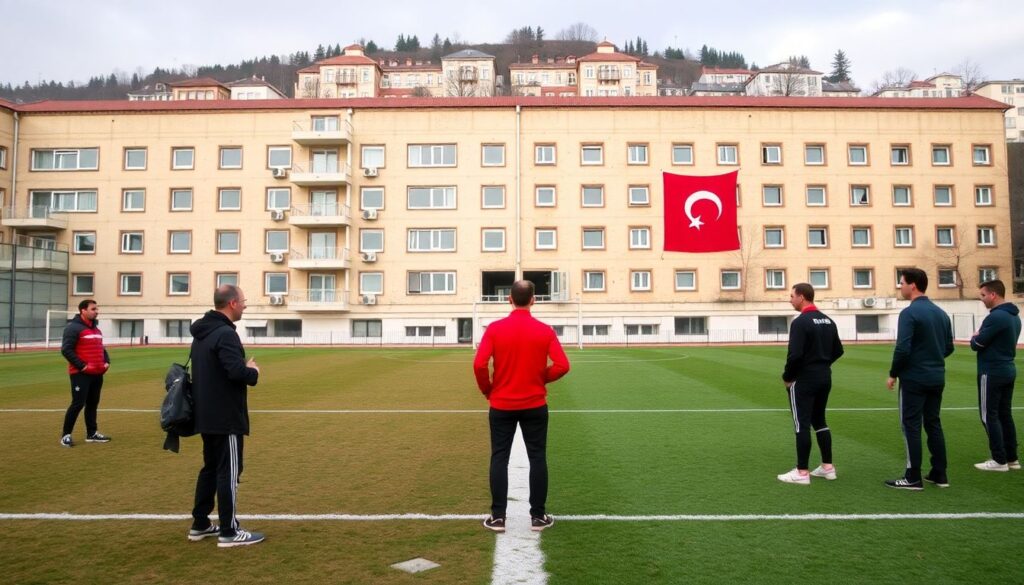
Here the gap between Turkey and leading European nations is clearest. For coaches, training complexes are the daily workplace; for analysts, they are long‑term asset factories; for policymakers, they are nation‑building tools. The comparison of turkish football academies with european clubs should shape your preferred model.
| Variant | Best for | Advantages | Drawbacks | When to choose |
|---|---|---|---|---|
| Status quo Turkey‑centric academy pathway | Domestic coaches and clubs prioritising local identity and budget control | Protects club culture, lower travel costs, easier coordination with senior squads, aligns with national federation rules. | Limited exposure to elite European standards, fewer structured exchanges, and weaker benchmarking against top academies. | Choose when resources are modest and you want gradual upgrades rather than disruptive restructuring. |
| Hybrid Turkey-Europe partnership academy | Ambitious clubs, technical directors, and data‑driven analysts | Access to European coaching education, joint scouting projects, and shared methodology; better credibility with players and parents. | Requires negotiation skills, shared branding, and clear governance; risk of over‑dependence on foreign partners. | Choose when your club can attract a reputable partner and you aim to reach leading continental standards over time. |
| Full European academy integration for top talents | Elite Turkish youngsters and agents focused on individual careers | Immersion in the highest standards, direct link to top senior squads, stronger sports science support, and year‑round high‑level competition. | Domestic clubs lose rights to some talents; cultural adaptation risks; local leagues may see weakening talent depth. | Choose when a specific player clearly meets top European benchmarks and needs that environment to reach full potential. |
| Regional high‑performance hub within Turkey | Federation planners and city governments | Concentrates expertise, enables shared facilities, and creates a national benchmark similar to leading European centres. | High upfront cost, complex sharing agreements, potential tensions between clubs over access and branding. | Choose when public and private actors can jointly fund a hub and accept shared governance. |
| Education‑first academy model linked to universities | Policymakers seeking social outcomes as well as elite results | Stronger academic support, better second‑career pathways, attractive to families; mirrors some Northern European approaches. | May produce slightly fewer pure elite prospects if not balanced carefully; requires coordination with education authorities. | Choose when the goal is both talent production and broader youth development outcomes. |
To support a more analytical choice, the table below summarises core comparative dimensions often used when discussing investment in turkish football facilities vs top european leagues. Values are indicative categories rather than precise measurements and should be tailored for each specific club or city project.
| Context | Stadium capacity profile | Academy talent progression | Typical pitch quality perception | Medical staff depth | Broadcast reach profile | Dominant investment sources |
|---|---|---|---|---|---|---|
| Leading Turkish Super Lig clubs | Modern mid‑to‑large arenas, strong atmosphere | Regular first‑team promotions, but volatile pathways abroad | Good in top venues, variable lower down | Solid at big clubs, thinner in lower tiers | Strong domestic, moderate international visibility | Mix of private owners, municipalities, and sponsorships |
| Premier League, La Liga, Bundesliga elite | Consistently large, fully commercialised venues | Structured pipelines from youth to senior squads | Highly consistent, with advanced turf management | Deep, specialised multidisciplinary teams | Global reach across many territories | Private capital markets, domestic and global investors |
| Emerging European mid‑tier leagues | Mixed; some modern, some legacy grounds | Patchy, with a few strong academies | Variable, sensitive to weather and budgets | Developing, with growing sports science focus | Regional visibility with limited global presence | Local business groups, municipalities, and federations |
Pitch quality, turf technology and maintenance regimes
For coaches, pitch quality determines training intensity and injury risk; for analysts, it affects playing style metrics; for policymakers, it signals professionalism. Comparing turkish super lig infrastructure standards vs premier league la liga bundesliga, think in scenarios rather than general labels.
- If you manage a top Turkish club with a high‑use stadium, then prioritise hybrid turf, professional groundskeeping staff, and long‑term maintenance contracts modelled on leading European stadium practices.
- If you are a coach in a mid‑table or lower‑division Turkish side, then lobby for fewer non‑football events on the main pitch and invest in at least one protected, well‑drained training surface.
- If you are a performance analyst working across clubs, then standardise your pitch condition rating and flag matches played on sub‑optimal surfaces to contextualise data against European benchmarks.
- If you are a municipal decision‑maker, then separate community pitches from professional ones, ensuring the elite venue follows European‑style maintenance schedules and equipment standards.
- If you are designing a new complex in Turkey, then include dedicated practice fields with different grass compositions to prepare teams for varied European away conditions.
- If your club aspires to regular European competition qualification, then align turf technology choices early with the climates and match rhythms of those leagues.
Sports science, medical support and player welfare systems
This dimension is where leading European clubs consistently outperform; yet Turkey is catching up. To choose the right model for your role, use the following stepwise checklist, thinking about both current capacity and the desired future state.
- Map current staff and tools: list doctors, physiotherapists, analysts, nutritionists, and mental health professionals, and compare the depth with top continental clubs you benchmark against.
- Define non‑negotiable services: for a head coach, this might be regular screening and individual load management; for an analyst, reliable tracking data; for policymakers, minimum medical standards in federation licensing rules.
- Decide centralised versus outsourced: leading European clubs increasingly centralise testing and rehabilitation; Turkish clubs can mix in‑house expertise with specialist clinics while scaling up.
- Prioritise education and culture: implement regular workshops so coaches and players understand why sports science protocols matter, making adoption easier in a Turkish context.
- Integrate welfare beyond injuries: include psychological support and lifestyle guidance, which European leaders treat as competitive advantages, not luxuries.
- Set transparent standards: federations and leagues in Turkey can publish recommended staffing and equipment levels inspired by research and best practices abroad.
- Review outcomes annually: analysts should feed medical and welfare data back into decision‑making, adjusting investment in line with injury patterns and player feedback.
Broadcasting, commercial revenue streams and media infrastructure
Media infrastructure is where leading European leagues have the clearest structural edge. When comparing turkish football infrastructure vs europe analysis in this area, avoid the mistakes below; they apply differently to club executives, policy planners, and independent analysts.
- Focusing only on headline broadcast deals and ignoring production quality, multi‑language commentary, and digital distribution standards.
- Underestimating the importance of consistent kick‑off scheduling for international audiences and data providers.
- Treating commercial rights as isolated sponsorships instead of building integrated brand partnerships over several seasons.
- Neglecting club‑owned content studios and social channels, which top European clubs leverage as core infrastructure, not side projects.
- Failing to link media strategies with in‑stadium technology, such as replay screens, connectivity, and data feeds for broadcasters.
- Ignoring grassroots and academy visibility in broadcast planning, even though European nations increasingly showcase youth competitions.
- Overreliance on a single domestic broadcaster instead of diversifying platforms and exploring international packages.
- Insufficient cooperation between league authorities and government regulators on spectrum, infrastructure, and incentives for technology upgrades.
- Forgetting that clear, accessible statistics and data streams are now part of core media infrastructure valued by global fans.
Governance, investment models and public-private partnership frameworks
For coaches, the best environment is usually a stable Turkish club linked to at least one strong European partner; for analysts, a blended Turkish-European investment model balances risk and upside; for policymakers, governance reforms that borrow from leading European nations while respecting local realities are the best route to durable football infrastructure progress in Turkey.
Practical clarifications on comparative points
How far behind is Turkish infrastructure compared with top European leagues?
Top Turkish clubs are close in stadium quality and fan atmosphere but generally trail leading leagues in training facilities, sports science depth, and governance stability. The gap is more pronounced outside the biggest Turkish teams and in youth and grassroots infrastructure.
Where should Turkey prioritise investment for maximum impact?
The highest leverage areas are academies, training complexes, and sports science structures. Stadiums are important but already relatively competitive; long‑term talent development and player welfare systems will move Turkey closer to leading European standards.
Are partnerships with European clubs worth it for Turkish teams?
Partnerships can be highly valuable if governance is clear and both sides commit resources. They help transfer know‑how in coaching, analytics, sports science, and commercial strategies, but they must not replace building local capacity.
Can Turkish clubs realistically match Premier League or Bundesliga levels?
Matching overall league power is unlikely in the short term, but selected Turkish clubs can reach comparable standards in specific areas such as stadiums, fan engagement, or academy operations. Targeted, long‑term planning is essential.
What is the role of government in Turkish football infrastructure?
Government influences stadium funding, transport links, regulation, and sometimes club ownership. Effective public-private partnerships and clear governance rules help ensure that investments support both sporting goals and wider social benefits.
How should a head coach in Turkey adapt to current infrastructure limits?
Coaches should design training plans that account for pitch quality, travel constraints, and available sports science tools, while lobbying management for incremental upgrades. Building strong relationships with medical staff and analysts is especially important.
What data should analysts track when comparing Turkey with Europe?
Analysts should track facility quality indicators, injury patterns, academy graduation outcomes, and media reach. Consistent definitions are vital so that comparisons with leading European nations are fair and actionable.