Historical roots of elite Turkish academies
From street football to structured systems
Before the best football academies in Turkey turned into well‑oiled machines, most talent came from chaotic street games and school pitches. Clubs simply signed whoever shone in local tournaments. In the 80s and 90s, as European competitions became more demanding, Turkish giants realised raw flair wasn’t enough. They began copying elements from German and Dutch youth models, building age‑group teams, fitness programmes and basic scouting networks. For today’s player or parent, this history matters: academies that evolved through several waves of reform usually have clearer pathways, more stable coaching ideas and less random decision‑making than brand‑new, marketing‑driven projects.
How big clubs professionalised youth training
By the 2000s, clubs like Galatasaray, Fenerbahçe and Beşiktaş started treating youth development as a strategic investment rather than a side project. They created centralised training centres, hired UEFA‑licensed coaches and introduced sport science support even for U13 squads. At the same time, the Turkish FA pushed for nationwide youth leagues, so young players faced regular competitive matches instead of occasional friendlies. This shift explains why modern academies talk about “curriculums” and “periodisation” rather than just “training hard.” If you’re choosing where to play, look for academies that can clearly explain how their weekly schedule fits into a long‑term, age‑specific plan – that’s a sign they’re part of this professionalised wave.
Core principles that set them apart
Holistic player development in practice
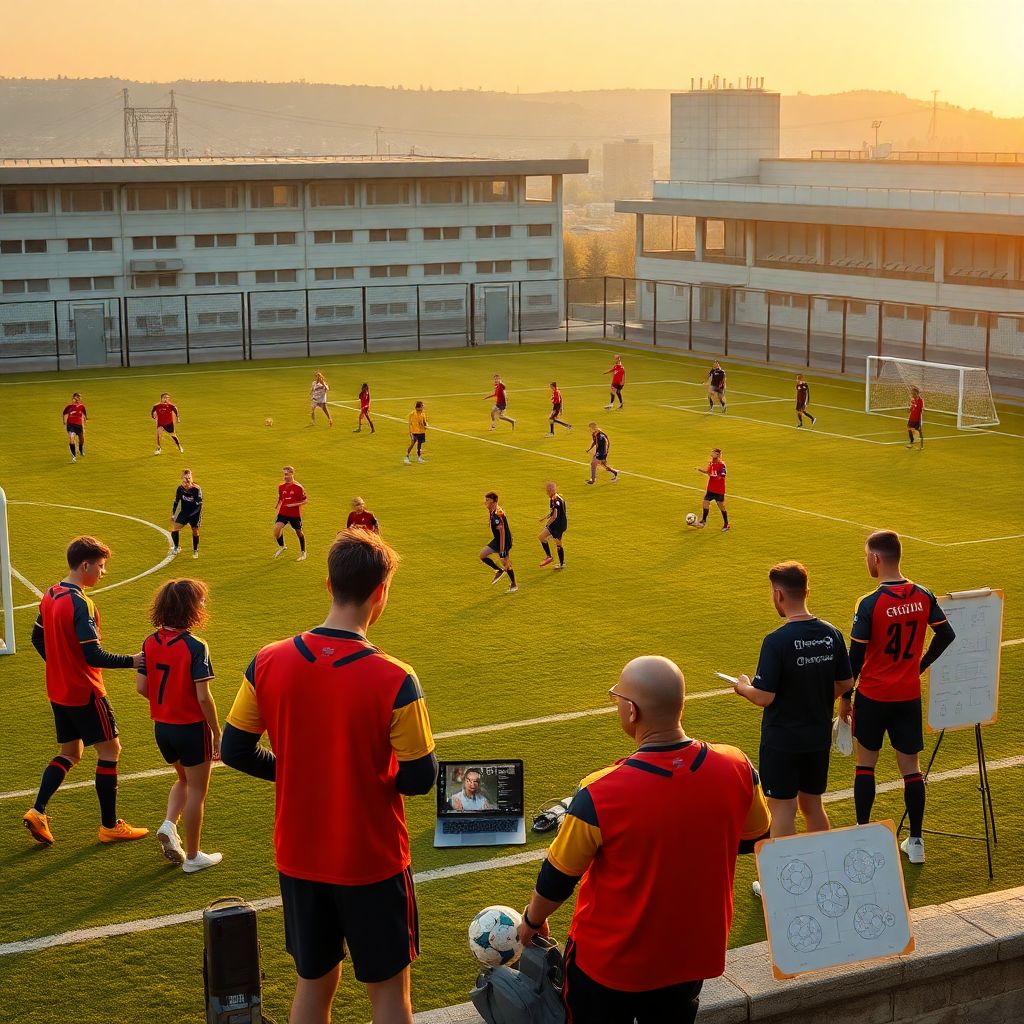
Top academies no longer focus only on who has the hardest shot or fanciest dribble. The best in Turkey emphasise four pillars: technique, game intelligence, physical development and mentality. For a player, this means your week isn’t just endless drills; you’ll mix small‑sided games, position‑specific tasks, video sessions and recovery routines. Many coaches now track sleep, nutrition and school performance, because they know a tired teenager won’t develop properly. When you visit an academy, ask concrete questions: how many hours of training per week? How often video analysis? Who monitors injuries? The more detailed and transparent the answers, the closer you are to a truly elite environment.
Data, tactics and education balance
Modern academies in Turkey increasingly use GPS vests, heart‑rate monitors and basic analytics to design workloads and evaluate progress. That doesn’t mean every session is run off a laptop, but it does mean running until collapse is slowly being replaced by smart conditioning. Tactical education also starts earlier: even U12s learn defensive pressing triggers and build‑up patterns suited to their positions. Crucially, serious academies coordinate with schools or run their own education support, so players don’t have to pick between football and graduation. When you compare options, check whether they schedule training around school hours, and whether they have a clear backup plan for players who don’t turn pro.
Concrete examples of successful academies
Istanbul powerhouses and what they actually offer
A professional football academy Istanbul Turkey‑based typically has three major strengths: density of competition, top‑level coaching and visibility to scouts. Galatasaray, Fenerbahçe, Beşiktaş and Başakşehir operate extensive scouting networks and host strong youth leagues inside the city. For a player, this means more high‑intensity matches and more chances to be noticed. Many Istanbul academies also have specialised goalkeeper and position‑specific coaches, plus in‑house physios. The flip side is fierce competition; squads are big, and patience is crucial. If you’re not starting every game at 14, that doesn’t mean you’re failing – ask how they rotate players and what criteria they use for promotions to older age groups.
Regional talent hubs beyond Istanbul
Outside the capital of Turkish football, clubs like Trabzonspor, Bursaspor and Altınordu punch above their weight in youth development. Altınordu, for example, openly focuses on producing and selling players rather than buying stars, which forces them to invest heavily in coaching and long‑term planning. Regional academies often offer more playing time and tighter communities; coaches tend to know families personally, which can help with support and discipline. For practical purposes, don’t dismiss a smaller city: if you’re 13–16 and need minutes more than glamour, starting at a strong regional hub can be smarter than sitting on the bench at a massive club. Later, you can transfer once you’ve built a real match record.
How to use this if you’re a player or parent
Choosing the right academy and understanding fees
When you plan to join football academy in Turkey fees should never be your only filter, but they are a reality. Big club academies often keep core youth teams free or low‑cost for accepted players, while charging for wider “schools” that act as extended scouting pools. Private academies may charge monthly tuition, equipment and tournament travel. Instead of just asking “how much?”, break it down:
– What is included in the basic fee (coaching hours, facilities, gym, medical)?
– Are there extra costs for matches, camps, or international tours?
– Do they offer scholarships or discounts based on talent or financial need?
Compare total annual cost with hours of quality training and actual match exposure; a slightly pricier but serious programme can be better value than cheap, unfocused sessions.
Navigating trials and timelines in 2024
turkey football academy trials 2024 are usually clustered around late spring and summer, with some mid‑season intakes for standout talents. Official club academies announce dates on their websites and social media, while private centres may run year‑round assessments. To approach trials practically, think like a project manager. Build a simple plan:
– Shortlist 3–5 realistic academies based on level, location and schooling.
– Contact them early to confirm age limits, trial format and documentation.
– Prepare a short highlight video and a basic CV with positions, past clubs and key stats.
On trial day, focus on decision‑making and work rate, not showy tricks. Coaches mainly watch how quickly you adapt to their style, how you react to mistakes and whether you impact the game even without the ball.
International players and cross‑border options
Pathways for non‑Turkish players
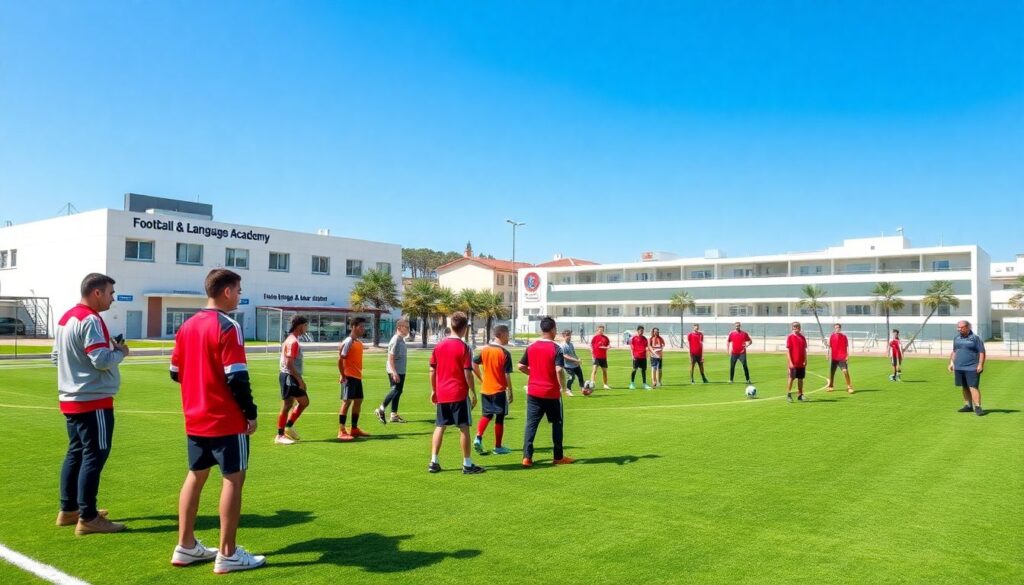
Many clubs now run at least one turkey football academy for international students, especially around Istanbul and Antalya, where tourism and international schools are common. These programmes often bundle football with language classes, accommodation and help with visas. If you’re coming from abroad, pay attention to three practical aspects: schooling compatibility, legal status and pathway clarity. Ask whether your match participation is officially registered with the Turkish FA, whether the academy cooperates with local schools that issue recognised diplomas, and how many former foreign players actually signed pro or semi‑pro contracts. A glossy brochure means little if previous internationals only played friendly tournaments with no real scouting presence.
Common myths and how to avoid traps
Misconceptions for local families
One common myth is that the “big name” alone guarantees development. In reality, the best football academies in Turkey combine brand power with everyday coaching quality and stable staff. Another myth: starting at age 6 is mandatory. It’s helpful, but plenty of professionals joined structured training at 11–13. Families also overvalue early results; winning U10 tournaments rarely predicts a pro career. When evaluating an academy, focus less on youth trophy cabinets and more on:
– How many players reached the first team or professional leagues in the last 5–10 years?
– How many training hours and matches per season per age group?
– How the academy communicates feedback and individual plans to parents?
Misconceptions for international players
Foreign players often assume that any offer from abroad is automatically high level. In truth, quality varies widely, and some places are glorified football camps with little competitive structure. Another misunderstanding is about trial guarantees: paying a camp fee doesn’t mean a contract is likely. Clarify whether a programme is directly tied to a club or just “affiliated” in marketing terms. For any turkey football academy for international students, check who runs the sessions (licensed coaches or part‑time helpers), and whether you’ll play in official leagues or just friendlies. Finally, remember that environment matters: a smaller, serious academy where coaches speak your language and manage integration can be more valuable than a famous badge where you feel isolated.