Trabzonspor’s Defeat to Amed SK: What the Match Revealed
Trabzonspor suffered a 2-1 away defeat to Amed SK in the third week of the Trendyol Süper Lig. Although the visitors took an early lead through Salah, their advantage did not translate into control of the game. Amed SK responded with greater intensity, created more consistent pressure and secured all three points with a late goal.
The match generated significant discussion around Trabzonspor’s lack of attacking efficiency, defensive lapses and the outstanding performance of goalkeeper Onana.
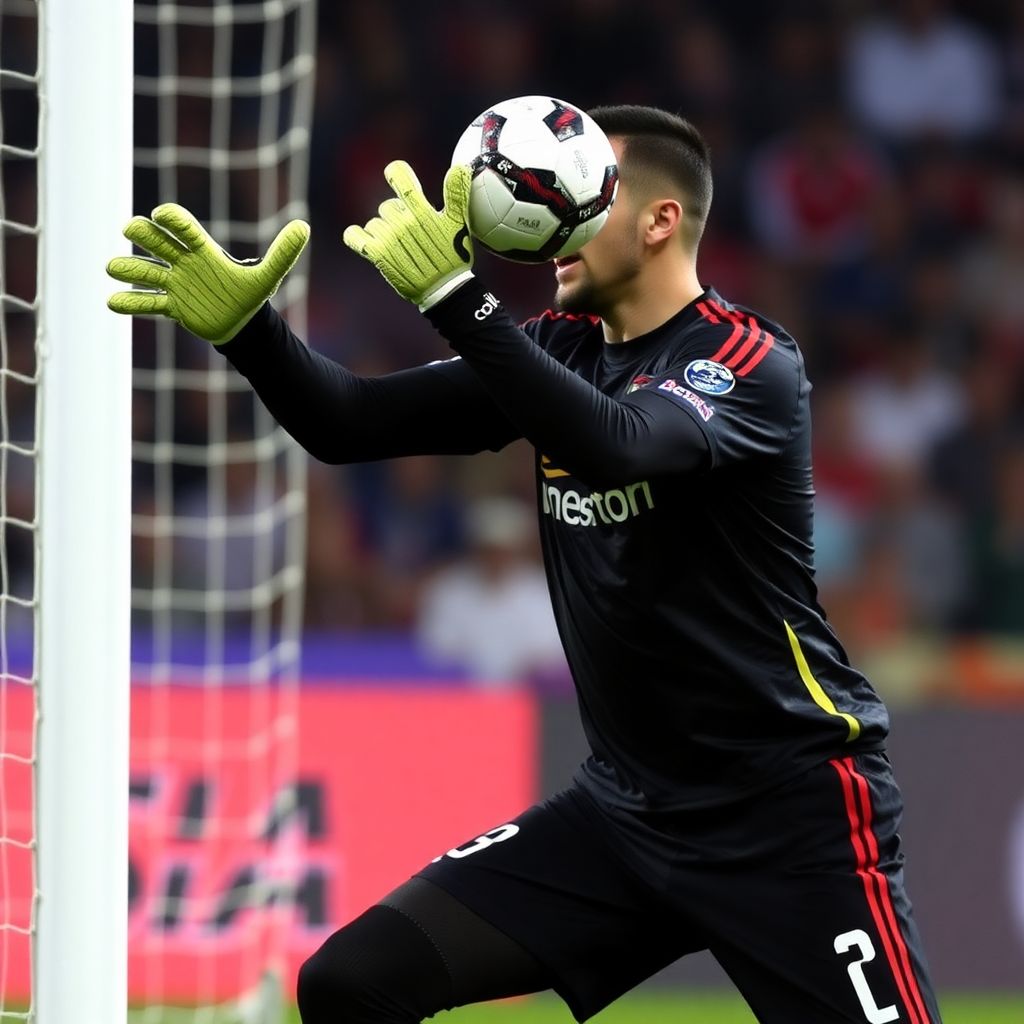
Onana kept Trabzonspor in the game
One of the clearest conclusions from the match was that Trabzonspor’s goalkeeper Onana played a decisive role in keeping his team competitive. His saves prevented Amed SK from building an even more comfortable advantage, while he also took responsibility in directing the defence and starting attacks from the back.
Levent Tüzemen underlined that a goalkeeper becoming the most visible player on the pitch is usually a sign of the opponent’s effectiveness. According to this assessment, Amed SK were not merely defending against Trabzonspor; they repeatedly threatened the visitors and forced Onana into difficult interventions.
The goalkeeper saved Diagne’s initial penalty attempt, although Sor converted the rebound. Onana continued to make important stops throughout the match and finished the game among Trabzonspor’s strongest performers. His distribution, however, was not always enough to help the team progress. Long passes sent toward the attacking line were comfortably dealt with by the Amed defence.
Salah’s goal was not enough
Trabzonspor took the lead in the 11th minute. Fabinho won possession intelligently and quickly released the ball into the path of Salah, who had made a well-timed run behind the defence. The Egyptian forward carried the ball over a considerable distance before calmly finishing into the corner with his left foot.
The goal demonstrated Salah’s technical quality and ability to convert transition opportunities. It also highlighted Fabinho’s composure and awareness. Even though the Brazilian was considered short of full physical sharpness, his decision-making, positioning and ability to place himself between the opponent and the ball were praised.
However, the early goal did not give Trabzonspor momentum. Instead of becoming more confident, the team appeared to retreat and lose attacking initiative. Amed SK gradually increased the pressure and became the more active side.
Trabzonspor’s attack lacked effectiveness
The main criticism directed at Trabzonspor concerned the performance of centre-forward Onuachu. The Nigerian striker struggled to hold the ball under pressure, failed to win enough physical duels and could not provide the reliable focal point required in the final third.
His movement and effort were visible, but the final contribution was missing. He looked for chances and attempted to influence the match, yet he could not turn his opportunities into a goal. The view among the commentators was that a successful finish could help him regain confidence, but until that moment Trabzonspor’s attacking structure remains vulnerable.
Muçi, in contrast, stood out for his work rate, determination and dangerous shooting. His assist for Salah’s goal was one of the most positive attacking moments of the match. His ability to connect midfield with the front line gave Trabzonspor variety, but the team still lacked another player capable of consistently supporting Salah.
Amed SK showed greater desire
Despite being a newly assembled side, Amed SK demonstrated considerable physical strength and competitive character. The team made several passing errors, yet it compensated for those mistakes through aggressive pressing, committed challenges and a willingness to attack quickly after winning possession.
The general impression was that Amed SK wanted the victory more. Their players remained active after conceding and did not allow Trabzonspor to dictate the rhythm. They attacked with confidence, exploited spaces in the visitors’ defensive structure and punished a momentary mistake near the end of the game.
This was particularly important because Trabzonspor appeared to lose defensive security while searching for a second goal. The team pushed forward without establishing sufficient protection behind the ball, and Amed SK took advantage.
Fabinho and Muçi offered positive signs
Fabinho’s influence was not limited to the assist. His calmness in possession and ability to read situations were among the few elements that gave Trabzonspor control during certain phases. Nevertheless, his physical condition meant that he could not dominate the entire match.
Muçi also provided energy and creativity. His movement between the lines, willingness to shoot and aggressive approach made him one of the more effective attacking players. Trabzonspor will need more consistent performances of this kind if it is to create a stronger attacking identity.
The team’s current structure suggests that individual quality exists, but the connection between midfield and attack is not yet sufficiently stable. Too many attacks ended with rushed passes, predictable long balls or isolated efforts from Salah.
Referee decisions were also evaluated
The referee, Atilla Karaoğlan, was considered generally consistent and in control of the match. Deniz Çoban judged that the penalty awarded in first-half stoppage time was correct because Melih Kabasakal’s arm created an unnatural barrier in the path of the ball.
The fact that the ball had previously touched another part of the player’s body did not automatically remove the possibility of a handball offence. For that to be decisive, the player would need either to deliberately play the ball or cause a significant change in its trajectory after the deflection.
The decision to allow Sor’s rebound goal was also assessed as correct. His foot was in the air when the penalty was taken, meaning there was no clear violation involving contact with the penalty-area line or the area itself.
Mustafa Çulcu, however, criticised the referee’s reluctance to issue cards. In his view, the failure to intervene firmly contributed to increased physicality, tension and protests. He also suggested that Ballet benefited from the referee’s lenient approach.
Team unity did not translate into performance
Trabzonspor had recently moved beyond a difficult period connected with Fatih Tekke’s resignation. The atmosphere around the squad had reportedly improved, with stronger unity and a more positive relationship among the players.
Yet that improvement was not reflected consistently on the pitch. Trabzonspor produced only occasional good passages and relied heavily on Salah’s counter-attacking goal. The team’s emotional recovery therefore remains incomplete: a positive dressing-room atmosphere must be supported by tactical discipline, intensity and greater consistency during matches.
What Trabzonspor needs to improve
The defeat highlighted several priorities. First, the team needs a striker capable of holding possession, bringing teammates into play and converting limited opportunities. Onuachu’s form will be important, but competition and additional attacking options may also be necessary.
Second, Trabzonspor must improve its defensive balance. The search for a winning goal cannot leave the back line exposed, especially against opponents capable of transitioning quickly. Better positioning from the midfielders would help reduce the pressure on the defenders.
Finally, the team needs a creative player who can combine with Salah and offer the same level of intelligence that Fabinho showed in the opening goal. Salah’s technical ability is not in question, but he cannot be expected to create and finish every important attacking move alone.
The 2-1 loss to Amed SK was therefore more than a disappointing result. It exposed Trabzonspor’s current dependence on individual quality, its lack of efficiency in attack and its vulnerability when the match becomes physically demanding. Amed SK deserved credit for their determination, while Trabzonspor must quickly turn its promising moments into a coherent and productive team performance.