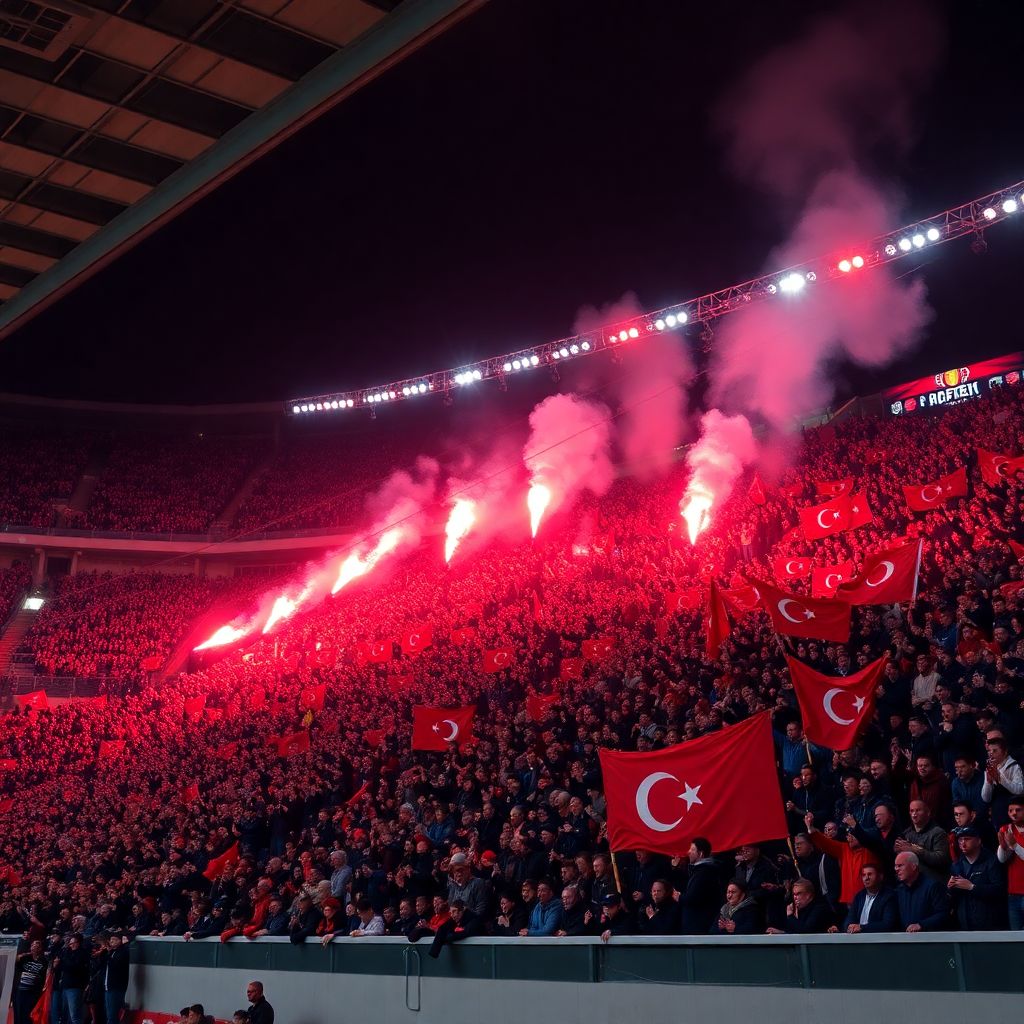
Fan culture and ultras in Turkey define what “Turkish football identity” feels like in practice: intense loyalty to club and neighbourhood, choreographed colour in the stands, political overtones, and a social world that extends far beyond ninety minutes. Without ultras, stadiums, derbies and everyday fandom would be structurally different.
Defining how ultras shape Turkish football identity
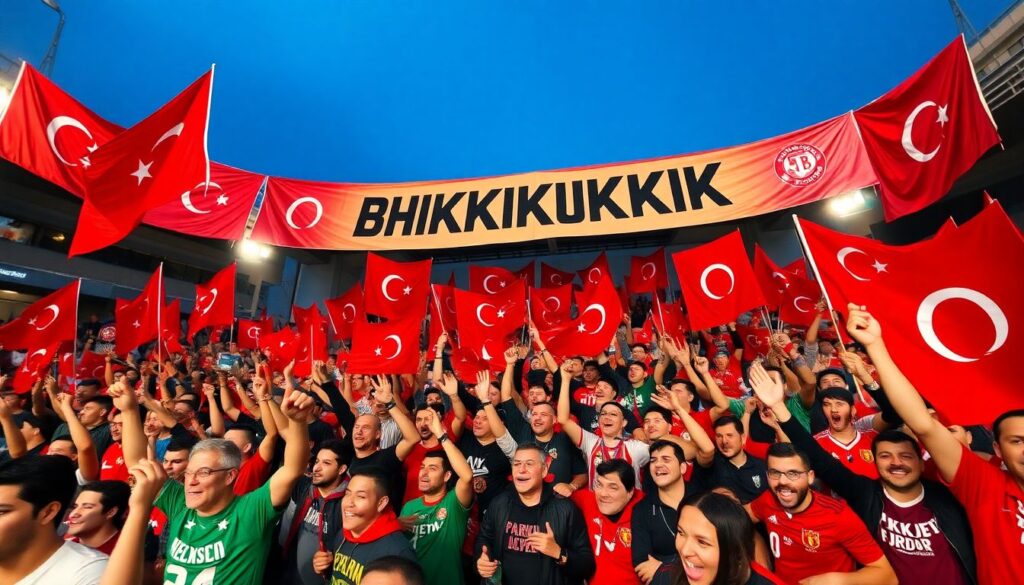
- Ultras in Turkey set the emotional tone, vocabulary and visual style through chants, banners and colours.
- Groups at Galatasaray, Fenerbahçe and Beşiktaş act as informal authorities on “authentic” fan behaviour.
- They connect football to politics, neighbourhood life and youth culture, not just to club success.
- They influence where people buy Turkish Super Lig tickets best stadium atmosphere seekers want.
- They participate in informal economies: away travel, merchandising, design work and matchday services.
- State security policy, surveillance and bans are constantly negotiated through conflicts with ultras.
Historical emergence of supporter culture in Turkey
Supporter culture in Turkey developed from loosely organised neighbourhood followings into structured, named ultra groups with clear territories in the stadium. The shift accelerated with the professionalisation of the league, televised matches and the rise of youth subcultures in the big cities.
In Istanbul, Galatasaray, Fenerbahçe and Beşiktaş became central to this process. Early groups used drums, megaphones and simple chants to mark their presence. Over time, they developed distinctive visual identities, rules for membership and codes of honour, especially in the “ultras stands” behind the goals, which you will see referenced when searching for Turkish football tickets Galatasaray Fenerbahce Besiktas ultras stands.
These stands turned into laboratories for new forms of fandom: long-form chants, choreographies, and coordinated away travel. The identity of Turkish football gradually became inseparable from this high-intensity style, so that even neutral fans now evaluate a game by its atmosphere as much as by its tactical quality.
For researchers and practitioners, this history means that any analysis of Turkish football – from league branding to stadium safety – must treat ultras as long-term institutional actors rather than short-lived youth fashions.
Matchday rituals: chants, banners and stadium choreography
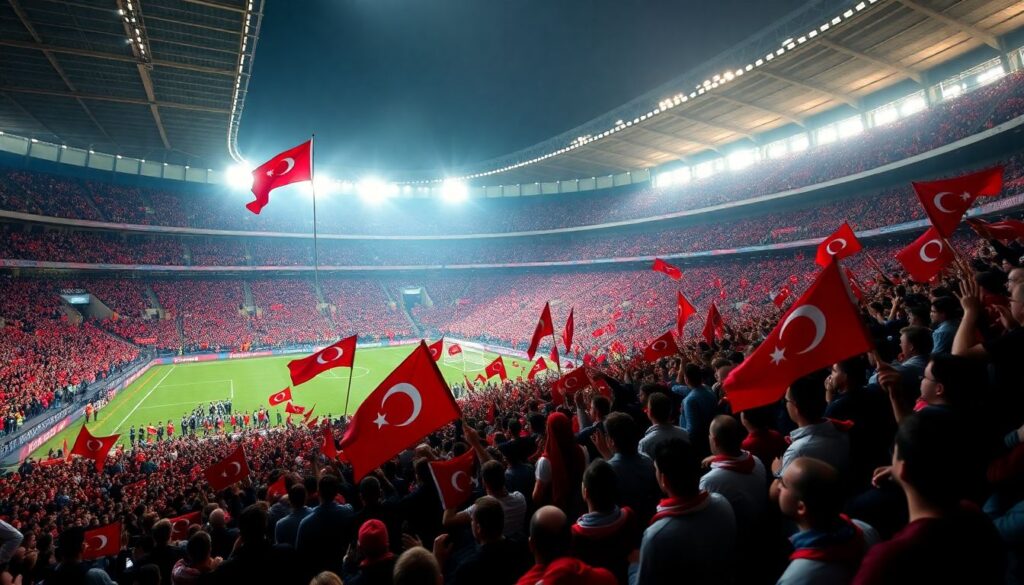
Matchday rituals are the visible engine of ultra culture: they script how fans behave from hours before kick-off to long after the final whistle. These rituals make Turkish stadiums stand out in Europe and give structure to the fan experience.
- Chants and songs
Multi-verse chants coordinated by capo (chant leaders) set tempo and emotion. They can last for many minutes without interruption and are aimed at players, rivals and sometimes authorities. - Banners and two-sticks
Text banners and painted flags communicate values, neighbourhoods, anniversaries, grievances, and alliances. They are also tools in internal debates with club management. - Tifo and stadium-wide choreography
Coordinated card displays, giant “dufo” banners and pyrotechnic shows create iconic images, especially at derbies. These are usually weeks in planning, often financed from within the group. - Pre- and post-match marches
Groups gather at squares or streets, march to the stadium, and sometimes back again, singing and using flares. This turns the whole urban area into a fan zone. - Merchandising as ritual markers
Scarves, flags and group-branded clothing – often bought as ultras style football merchandise Turkey scarves flags jerseys – signal belonging and status inside the curve. - Digital amplification
Clips of chants, tifos and derby receptions circulate online, shaping how international audiences perceive the “best atmosphere” when they buy Turkish Super Lig tickets best stadium atmosphere oriented.
Practically, anyone designing football fan tours Turkey Istanbul derby match packages or domestic hospitality experiences must plan around these rituals: timing of marches, expectations about standing and singing, and norms about camera use in ultras sectors.
Ultras as political actors and community organizers
Ultras in Turkey operate as micro-political communities: they make decisions, negotiate with institutions and influence public debates. Their role often becomes visible during crises inside or outside football.
- Club politics and governance
Groups mobilise against unpopular presidents, ticket price hikes or stadium moves. Their visible protests can accelerate leadership changes or policy reversals. - Urban and neighbourhood issues
Since many groups are rooted in specific districts, they participate in local campaigns over gentrification, public space use or transport routes to stadiums. - National political moments
At key times, some ultras have taken strong stances in street protests, using their organisational know‑how (drums, security lines, communication) in non-football contexts. - Charity and solidarity campaigns
Fan groups have organised blood drives, support for disaster victims and food collections, often branding these actions with club colours to connect solidarity to identity. - Youth socialisation and informal education
Young members learn public speaking, design, event organisation and negotiation. The terrace becomes a training ground for civic skills, not only for rivalry.
For journalists, NGOs or city planners, this means ultras can be both risks and resources. They may resist top‑down projects, but they can also mobilise residents very quickly when they believe in a cause.
Economic ties: fan groups, clubs and informal economies
Economically, ultra groups sit at the intersection of official club business, informal fan-to-fan markets and sometimes grey-area activities. These ties can stabilise or destabilise the club, depending on how transparent they are.
Economic strengths and positive contributions
- Guaranteed demand for tickets and travel: Core groups ensure sales for less attractive fixtures and away games, making scheduling more predictable. This is relevant when designing football fan experience Istanbul matchday hospitality packages aimed at repeat visitors.
- Creative labour: Design of banners, tifos, music and social media content adds value to the club brand at low direct cost for the organisation.
- Merchandise ecosystems: Group-branded items complement official products. Some clubs tolerate or integrate this, channeling enthusiasm around ultras style football merchandise Turkey scarves flags jerseys into licensed lines.
- Local business stimulation: Bars, street food vendors, bus companies and small retailers around stadiums benefit from matchday economies largely generated by organised fan presence.
Economic risks and structural limitations
- Ticket allocation conflicts: Priority access to blocks or away tickets can lead to accusations of favouritism or resale at inflated prices.
- Informal revenue streams: Unregulated merchandising or travel organisation can cause tax, quality and safety problems, as well as internal disputes over money.
- Dependence on gate receipts: When clubs rely heavily on intense atmospheres to sell packages – from normal seats to premium football fan experience Istanbul matchday hospitality packages – stadium closures or fan bans have outsized financial impact.
- Brand risk: Incidents involving violence or racist/sexist banners can damage sponsorships and international reputation, especially in televised derbies.
Practitioners should map these ties clearly: who handles away transport, who prints banners, who sells unofficial gear, how club loyalty schemes interact with group hierarchies. Transparency and negotiated agreements are key to reducing conflict.
Security, confrontation and state-regulation dynamics
Security debates around ultras in Turkey are shaped by a mixture of real risks and persistent myths. Understanding both is crucial for regulators, clubs and tour operators bringing visitors to high‑intensity matches.
- Myth: All ultras are violent
Reality: Most activity is organisational and performative. A small subset engages in physical confrontation, often around derbies or political tensions. - Myth: Repression alone solves problems
Reality: Heavy bans, ID systems and away fan prohibitions may push conflicts into unregulated spaces, while alienating moderate supporters. - Myth: Tourists are automatically unsafe in ultra sectors
Reality: Problems arise mainly when visitors ignore local norms (e.g., filming faces, wearing rival colours). Good briefing and sector selection are more effective than blanket avoidance for football fan tours Turkey Istanbul derby match packages. - Mistake: Ignoring fan input in stadium design
Curves, acoustics and standing areas strongly affect behaviour. Designing purely for comfort can kill atmosphere; designing only for intensity can create evacuation challenges. - Mistake: Treating all groups as identical
Clubs, cities and stands have very different histories and risk profiles. Policy needs local knowledge, not generic templates.
In practice, combining dialogue committees, clear sanction ladders, and predictable legal frameworks tends to reduce conflict better than ad-hoc crackdowns after incidents.
Transnational flows: media, migration and the diaspora’s role
Transnational flows make Turkish ultra culture visible and influential beyond national borders. Migrant communities, tourists and digital media constantly feed back into how identity is performed in the stands.
Consider a mini-case: an Istanbul derby week. Diaspora fans in Germany and the Netherlands organise viewing parties, buying Turkish Super Lig tickets best stadium atmosphere seekers for annual trips home. International visitors book football fan tours Turkey Istanbul derby match packages months in advance. Local ultra groups prepare new tifos, knowing that TV and social media will circulate every detail globally.
Meanwhile, online fan shops export club gear and fan-designed items, so a supporter in London can order ultras style football merchandise Turkey scarves flags jerseys and then travel to Istanbul, already coded visually as part of a specific curve. When that person stands in the ultras sector, chants learned from YouTube blend with local variations, and a hybrid form of support emerges.
This case illustrates how media, migration and tourism constantly remix what counts as “authentic” Turkish fan culture, while still relying on the organisational backbone of domestic ultra groups.
Quick algorithm for evaluating an ultra-influenced fan experience
Use this short algorithm to check whether a game, tour or project genuinely reflects Turkish ultra culture instead of just using its aesthetics.
- Map stakeholders: List clubs, ultra groups, local businesses, security actors and tour/hospitality providers involved in the event or product.
- Check ritual integration: Verify whether core matchday rituals (chants, banners, marches) are acknowledged and timed correctly in your plan or observation notes.
- Assess participation depth: Distinguish between passive consumption (spectating, filming) and active participation (learning chants, respecting stand rules, coordinated display involvement).
- Evaluate risk management: Confirm that decisions about sector choice, arrival/departure routes and communication with fans are based on local knowledge, not stereotypes.
- Audit economic flows: Identify who earns from tickets, travel, merchandising and hospitality; note whether ultra groups are transparently included or informally sidelined.
- Measure identity coherence: Ask whether the experience reinforces the club’s and city’s specific traditions, or flattens them into generic “crazy fans” imagery for outsiders.
If at least four of these six steps show thoughtful integration of ultra practices and perspectives, you are likely observing or offering a football fan experience that authentically reflects Turkish football identity.
Practical questions on engaging with and studying ultras
Is it safe for visitors to sit near ultras at big Istanbul derbies?
Safety depends on sector choice, local guidance and behaviour. With a trusted local partner who understands stadium mapping and norms, visitors can attend intense matches without entering the highest‑risk blocks.
How can researchers gain trust with Turkish ultra groups?
Trust usually requires time, transparency about aims, and reciprocity. Attending multiple matches, avoiding sensationalist framing and sharing findings in an accessible way are more effective than one‑off interviews.
Do clubs in Turkey officially control their ultras?
Clubs and ultras influence each other but neither side has full control. Relationships range from close cooperation to open conflict, and can change quickly with leadership or policy shifts.
What should tour operators know before offering derby packages?
They should understand kick-off time changes, security regulations, ticketing systems and sector cultures, not just demand. Partnering with knowledgeable local agencies is essential for sustainable football fan tours Turkey Istanbul derby match packages.
Are ultra groups always politically aligned with one party or ideology?
Some groups have clear leanings, others contain internal diversity or avoid formal alignment. Political positions can be situational and linked to specific club issues rather than stable party loyalties.
Can clubs benefit commercially without exploiting fan labour?

Yes, by recognising creative contributions, sharing credit, and formalising some collaborations through agreements that protect both sides. Transparency and respect reduce exploitation risks.
How is digital media changing Turkish ultra culture?
Digital platforms amplify chants, tifos and conflicts, making local practices globally visible. They also speed up style borrowing between groups, while exposing internal debates to broader audiences.