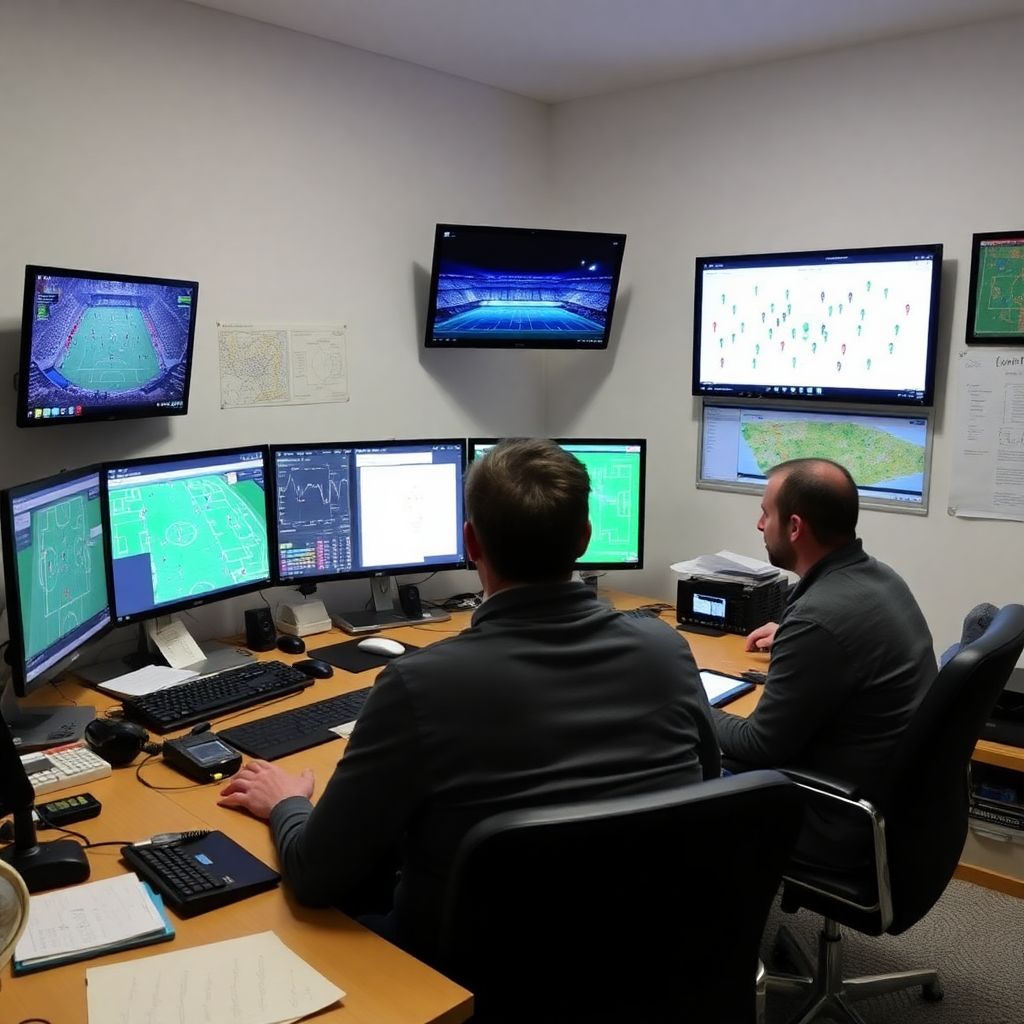
Data analytics and technology are changing coaching in Turkish football by turning video, GPS, and event data into simple, practical routines: pre-match planning, player profiling, in‑game decisions, and load management. This guide shows Turkish coaches safe, low‑risk steps to start or improve these workflows, even with limited budget, staff, or infrastructure.
Analytics-driven priorities for Turkish coaching staff
- Start with one or two clear use-cases: match preparation and basic load monitoring before attempting complex models.
- Use turkish football data analytics to standardise language between head coach, assistants, analysts, and board.
- Choose performance analysis tools for football clubs that your current staff can actually maintain and update.
- Work with local sports data analysis companies in turkey only when the data outputs fit your existing game model.
- Protect player health and privacy: define who can see GPS, video, and wellness information, and how long you store it.
- Invest in people skills via football analytics courses in turkey rather than buying redundant software features.
- Align all football coaching software turkey decisions with medium‑term club strategy, not just next weekend’s match.
From stats to strategy: shaping match preparation with data
Data‑driven match preparation suits clubs that already record video regularly and have at least one staff member with basic spreadsheet and video skills. It is less suitable for very small amateur teams without stable filming, or for environments where the head coach refuses to adapt training based on objective evidence.
For most Turkish clubs, the safest approach is to define a narrow set of recurring questions that turkish football data analytics must answer each week, for example:
- Where does the opponent progress the ball most often?
- Which players are most involved in chance creation?
- How do they press our build‑up in the first 10-15 seconds?
- Which zones do we consistently lose second balls?
Then connect simple data outputs to clear coaching decisions:
- Define 3-5 key metrics per game model – e.g. entries into half-spaces, final-third regains, central progression allowed. Avoid long dashboards you cannot review in 20-30 minutes.
- Standardise coding rules – ensure that whoever tags the game in Hudl, Nacsport, Wyscout, or similar software uses the same definitions every week.
- Link metrics to clips – every number shown to players should have 2-3 supporting video examples from Turkish league matches or your own games.
- Turn insights into training tasks – for each problem (e.g. conceding from wide overloads), design 1-2 simple, repeatable exercises and track the same metric across several matches.
If infrastructure is weak (poor camera angle, unstable internet), prioritise consistent wide-angle filming and manual tagging in simple tools over complex cloud platforms that staff cannot use reliably on Turkish away trips.
Player profiling and recruitment: building squads from metrics
To use data safely for player profiling and recruitment in Turkey, you need a minimal but reliable toolkit plus clear decision rules so that numbers support, not replace, live scouting.
Typical requirements include:
- Data sources
- Event data from league providers or sports data analysis companies in turkey that cover your division.
- Video archives (Spor Toto Süper Lig, TFF 1. Lig, or regional leagues) accessible on stable connections.
- Internal tracking of minutes, positions, basic physical output, and injury history.
- Software and storage
- At least one reliable platform for football coaching software turkey (e.g. a database or scouting tool) where staff can filter players by age, position, and key metrics.
- Secure cloud or local server for storing video and reports with simple, role-based access.
- Staff and roles
- One staff member responsible for maintaining the player database and updating metrics.
- Clear responsibilities between scouting lead, head coach, and analyst to avoid miscommunication.
- Profiling framework
- Position-specific templates (e.g. “ball-winning 6”, “inverted winger”) with 4-6 measurable indicators each.
- Traffic-light system: Green (strong fit), Amber (role-player), Red (avoid) based on both data and live scouting.
- Governance and risk controls
- Written rule that no player is signed based on data alone; at least one in-person or high-quality video evaluation is mandatory.
- Documented reasons for each signing, combining metrics, video clips, and staff feedback to protect the club in later audits.
For smaller clubs with limited access to paid datasets, a low-cost option is to use public match footage, manual event tagging in a spreadsheet, and clear thresholds (e.g. involvement in build-up, pressing intensity) tailored to your division’s tempo and style.
In-game decision support: real-time tools on the touchline
Before implementing live tools on the bench, consider key risks and limitations:
- Overloading coaches with screens and numbers during high-pressure moments.
- Unstable Wi‑Fi or camera feeds in some Turkish stadiums, especially in lower divisions.
- Regulatory rules about devices and staff access in your competition; always verify with league regulations.
- Security and privacy: do not store sensitive tactical notes on unsecured personal devices.
Once those are addressed, you can build a safe, step-by-step workflow for in-game support.
- Define 3 in-game questions you want tech to answer – for example:
- Are we being overloaded in specific zones (e.g. near the 6 channel)?
- Is our press intensity dropping compared to the first 15 minutes?
- Which of our players show early fatigue warning signs?
Keep the scope narrow so assistants can respond quickly without distraction.
- Choose safe, robust capture methods – start with:
- One elevated wide-angle camera connected to a laptop or tablet.
- Offline-capable performance analysis tools for football clubs that can tag events and replay within seconds.
- Backup: record the match locally in case the live feed drops.
- Assign clear bench roles
- One assistant focuses on live video and simple tags (e.g. presses broken, crosses conceded, transitions).
- The head coach receives only synthesised messages during natural breaks (drinks breaks, half-time, injury pauses).
- A second assistant or analyst in the stand can send short, coded messages (e.g. “Right side 2v3 in build-up”).
- Standardise communication protocol
- Use pre-agreed phrases and hand signals; avoid long tactical speeches mid-game.
- Limit each message to one observation and one proposed adjustment.
- Integrate simple live data where allowed
- If GPS or wearable data is permitted, track only basic indicators like high-intensity runs and total distance by half.
- Combine live physical data with visual fatigue signs before making substitution decisions.
- Review post-match to refine the process
- After each match, evaluate which in-game tech inputs actually influenced decisions and outcomes.
- Remove any metric or screen that did not provide value or created confusion.
This phased approach keeps live decision support safe, legally compliant, and focused on information that coaches can act on quickly.
Load management and injury prevention using wearables
To verify that your wearable programme is working and safe for players, use this practical checklist:
- All players and staff understand what metrics are collected, why they are used, and how data is stored.
- Wearables (GPS, heart-rate straps) are checked, charged, and fitted by trained staff before each session and match.
- Basic thresholds for weekly load (e.g. number of intense sessions in a row) are agreed between coach, fitness coach, and medical staff.
- High-risk players (recent injuries, rapid load increases) are flagged in a shared, secure report accessible to relevant staff only.
- Return-to-play plans combine objective data (e.g. high-speed running volume) with clinical assessment and player feedback.
- Coaches adapt training content (pitch size, drill duration, recovery time) based on load reports at least once per week.
- In smaller Turkish clubs without full GPS systems, staff still track basic workloads manually (session RPE, minutes, sprint counts) in a structured log.
- Data is never used to punish players; instead it supports constructive discussions about recovery, sleep, and lifestyle.
- Annual reviews are conducted to check whether injury rates and soft-tissue issues are decreasing with the current monitoring plan.
- All systems comply with local data protection rules, and players can request to see or correct their own information.
Tactical analysis workflows: video, tagging and pattern recognition
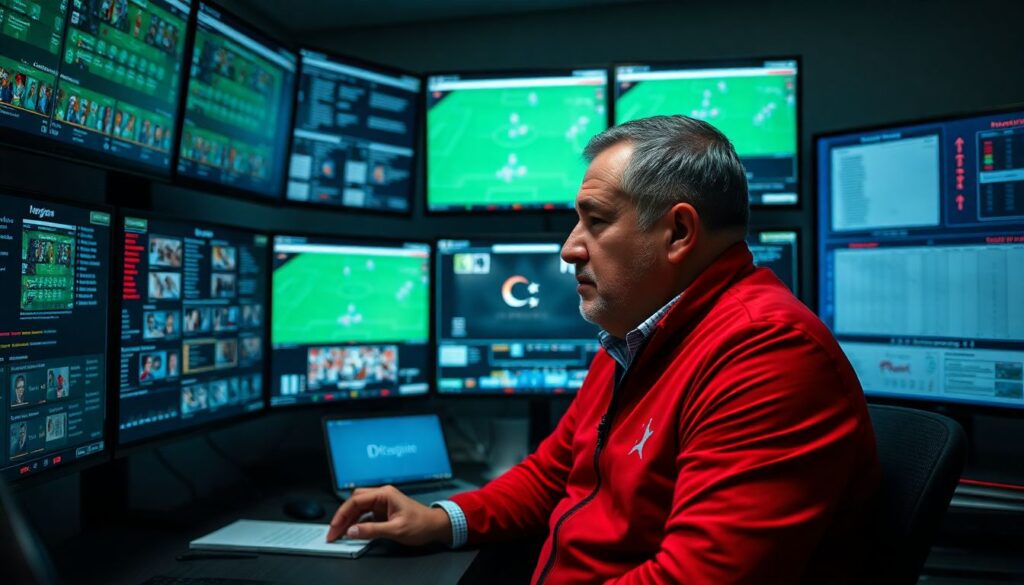
Even experienced Turkish coaches fall into predictable traps when setting up tactical video workflows. Avoid these common mistakes:
- Tagging everything and highlighting nothing – over-detailed coding that produces long playlists without a clear message.
- Using complex performance analysis tools for football clubs without proper staff training, leading to inconsistent or unreliable data.
- Building presentations that are too long for players, especially in congested fixture periods with limited attention and recovery time.
- Copying patterns from elite European teams that do not match the physical or technical realities of your league and squad.
- Ignoring set plays in analysis, even though many Turkish matches are decided by corners, free-kicks, and second phases.
- Focusing only on the ball, missing important off-ball movements, compactness, and rest-defence structures.
- Allowing different assistants to tag with different definitions, so long-term trend analysis becomes meaningless.
- Saving analysis files on personal laptops without backups, risking data loss before crucial meetings or board presentations.
- Not connecting findings to specific, coached habits – players see clips but do not know exactly what to change in training.
To keep workflows healthy, keep tagging templates lean, hold short but frequent video meetings, and always translate patterns into two or three simple player behaviours per line (defence, midfield, attack).
Adoption challenges in Turkey: infrastructure, governance and buy-in
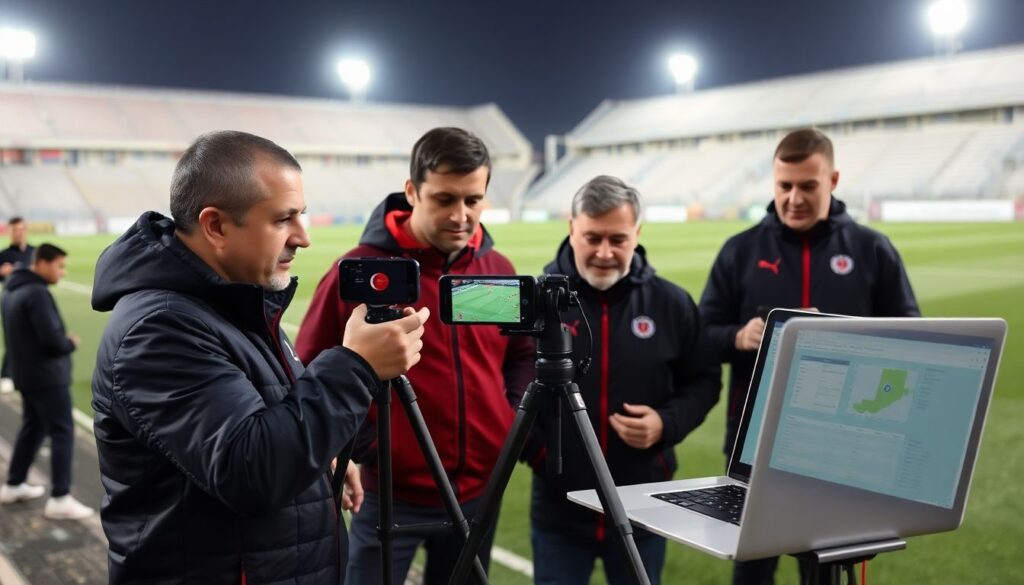
When full-scale tech adoption is unrealistic due to budget, infrastructure, or culture, there are workable alternatives that still bring structure and consistency to coaching in Turkish football.
- Low-tech video and spreadsheet model
Use a consumer camera or phone on a tripod, store games on external drives, and tag key events in a shared spreadsheet. This is suitable for amateur and semi-professional clubs with no permanent analyst role.
- Part-time analyst or shared services
Hire a part-time analyst, possibly a graduate from football analytics courses in turkey, to support multiple age groups or even several local clubs on a scheduled basis. This works where budgets cannot support full-time roles.
- Partnerships with universities and institutes
Collaborate with local sports science departments to run small projects (e.g. set-piece analysis, load monitoring) with academic supervision. Suitable when data literacy in the club is low but there is openness to external help.
- Selective outsourcing to trusted providers
Work with sports data analysis companies in turkey only for specific tasks like post-match tagging or opposition reports, while keeping tactical decisions strictly internal. This suits clubs that want professional data quality without building large in-house teams.
In all these alternatives, governance is essential: set clear expectations, protect confidential information, and ensure that any external data outputs match the club’s playing philosophy and ethical standards.
Concise practical answers for coaches implementing tech
How can a small Turkish club start with analytics on a very low budget?
Begin with consistent match filming, simple tagging in spreadsheets, and basic physical logs (minutes, perceived exertion). Focus on two or three priority questions, such as chance creation and defensive compactness, before considering paid platforms or external providers.
Which staff member should lead data and technology projects?
Ideally a dedicated analyst or sports scientist with good communication skills, reporting directly to the head coach. In smaller setups, assign an assistant coach with basic computer skills and free 4-6 hours per week for analysis tasks.
How do I avoid overloading players with statistics?
Show only a few key numbers, always supported by short video clips and clear tactical instructions. Limit team meetings to focused 10-15 minute blocks and reserve detailed data for staff discussions.
Are wearables necessary to manage player load safely?
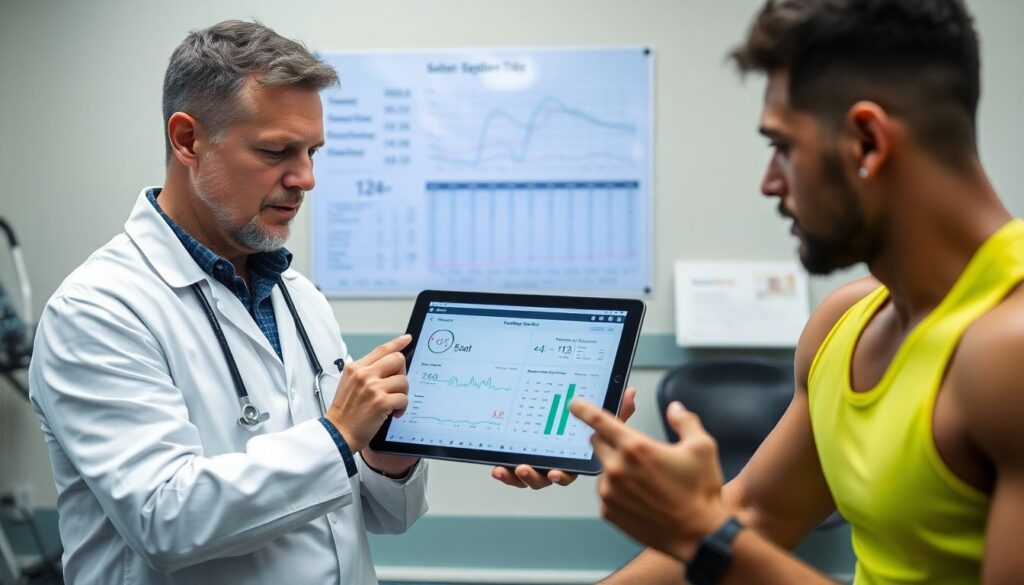
Wearables help but are not mandatory. When they are unavailable or unreliable, combine session duration, intensity ratings, and simple sprint counts with medical feedback to guide training adjustments and return-to-play decisions.
What if my head coach does not trust data?
Start by presenting video examples first and numbers second, showing how analytics confirms what experienced eyes already see. Emphasise that data supports, not replaces, the coach’s judgement, and begin with small, low-risk use cases like set-piece tracking.
How should we choose between different analysis or coaching software platforms?
Prioritise ease of use, language support, and stability in Turkish stadium conditions over advanced features. Test with your actual workflows for a few weeks, and involve both analysts and coaches in the final decision.
Is it safe to share player data with external companies or universities?
Only share what is necessary, under written agreements that protect confidentiality and comply with local regulations. Remove names where possible, and ensure any shared reports cannot be used against your players or club in contract or transfer negotiations.