
A national-team football call-up can rapidly change a player’s career: training intensity, tactical role, media visibility, market value, and pressure all increase. It accelerates professional football career development via national team exposure, but also exposes weaknesses. How players adapt in the first 6-12 months often determines long-term benefits or setbacks.
Core impacts of a national-team call-up
- Shifts a player’s status from “promising” to “proven at international level” in the eyes of clubs, agents, and sponsors.
- Forces rapid adaptation to higher tactical demands, tempo, and physical standards.
- Expands scouting radar: more leagues and top-tier clubs start tracking the player closely.
- Increases psychological pressure, media scrutiny, and expectations from fans and family.
- Can boost negotiation power in contracts and transfers, but also limit options due to higher cost.
- Requires lifestyle changes: travel, recovery management, and year-round performance planning.
Selection criteria and the scouting process
Behind every national-team football call up impact on player career, there is a long evaluation process. National coaches and scouts track players for months or years, not weeks. Selection is rarely based on one good game; it is based on consistent performance, tactical fit, and psychological reliability.
Scouting teams typically combine live match observation, video analysis, and performance data. They compare a player’s strengths and weaknesses with current and future needs of the national-team game model. For example, a full-back might be overlooked at club level but valued by the national coach for aggressive pressing and crossing volume.
If you ask how to get called up to the national football team in practice, selectors usually look at four dimensions:
- Performance level and consistency – not just goals or assists, but decision-making, defensive work, and impact against strong opponents.
- Tactical adaptability – can the player execute roles used by the national team (e.g., inverted full-back, double pivot, false 9)?
- Physical and medical profile – ability to handle international tempo, travel, and congested fixtures without frequent injuries.
- Mentality and professionalism – training habits, reaction to setbacks, dressing-room behaviour, and respect for team rules.
Mini-scenario (Türkiye context): A Süper Lig midfielder is not the league’s top scorer but stands out for pressing intensity and ball recoveries. The national coach wants more aggression without the ball. After months of tracking, the player is called for a friendly camp to test chemistry and adaptability before competitive matches.
Immediate tactical and technical adjustments
A first call-up forces players to adjust quickly to a new football language, even if the national team speaks their native tongue. Training is more compressed, opponents are stronger, and mistakes are punished faster. Core adjustments usually include:
- New positional instructions – club and national roles may differ. A winger at club level might be used centrally for the national team, demanding different body orientation, passing angles, and pressing triggers.
- Higher tactical complexity – players must learn set-piece routines, pressing schemes, and build-up patterns within a few sessions, often with detailed video work between trainings.
- Tempo and intensity upgrade – the speed of decision and execution in international games is higher; touches need to be cleaner, progressive passes quicker, and duels stronger.
- Communication codes – players must understand short verbal cues and hand signals used by the coach and senior players, especially in noisy stadiums.
- Role within rotations – unlike at club, a player might be rotated more often due to travel fatigue or tactical plans per opponent; learning to impact games off the bench is critical.
Mini-scenario: A striker used to low-block counter-attacks at club joins a national team that dominates possession. In camp, he must adjust to dropping between lines, linking play with midfield, and pressing high immediately after losing the ball. His first days focus on combination drills and pressing patterns.
Psychological and lifestyle shifts after selection

The benefits of playing for national football team for career are obvious, but psychological and lifestyle changes are less visible. Players must handle national expectations, bigger media coverage, and busier calendars without burning out or losing club form.
Typical scenarios include:
- From anonymous to public figure – a player from a mid-table Turkish club suddenly appears on national TV and international highlights. Social media messages, interviews, and family expectations spike overnight.
- Balancing club and country loyalty – players may feel pressure from both sides: clubs worry about injuries and fatigue, while national-team staff expect full commitment and risk-taking.
- Time and travel stress – more flights, jet lag, and hotel stays compress recovery windows. Players need stricter routines for sleep, nutrition, and individual gym work.
- Hierarchy and identity – a club star might become a rotation player in the national team. Accepting a smaller role without ego conflicts is a common mental challenge.
- Dealing with criticism – mistakes for the national team feel heavier. One error in a qualifier can dominate headlines. Learning to filter noise and stay performance-focused is essential.
Mini-scenario: A young goalkeeper debuts for the national team and concedes a soft goal. He faces online criticism for weeks. With support from the goalkeeping coach and club psychologist, he builds a review routine: analyse, extract 2-3 improvement points, then close the topic before next game.
Market value, contracts and transfer dynamics
Clubs, agents, and sporting directors closely monitor whether a player becomes an international. For many decision-makers, national-team status is a shortcut indicator of reliability under pressure. This is why players often ask: does national team appearance increase player market value in a meaningful way?
National-team football call up impact on player career is especially visible in negotiations: wages, bonuses, and transfer fees can jump after a successful tournament. However, higher expectations and price tags can also reduce the number of realistic transfer options.
Typical advantages for the player
- Stronger position in salary and bonus talks, especially appearance-based and goal/assist bonuses.
- Improved image rights and sponsorship opportunities due to international visibility.
- More interest from foreign leagues, which may accelerate a move from Süper Lig to top-5 European leagues.
- Increased trust from coaches and boards as a “big-game tested” profile.
Typical constraints and risks
- Market value can rise faster than actual performance level, pricing the player out of some moves.
- Clubs may demand higher transfer fees, slowing negotiations or blocking potential transfers.
- More pressure to perform immediately after a big tournament; poor club form can be judged harshly.
- Injury with the national team can complicate or delay planned transfers and contract renewals.
Mini-scenario: A defender shines at a summer tournament. His club uses international exposure to negotiate a better fee with foreign clubs. The player gets a move to a stronger league, but must now justify his increased wage and reputation in a more competitive environment.
Training camp routines and targeted development
National-team camps look glamorous from the outside, but daily routine is highly structured: meetings, recovery, tactical sessions, and media duties. Within this structure, there are recurring mistakes and myths that can slow professional football career development national team exposure is meant to accelerate.
- Myth: “Camp is a holiday from club intensity.” Reality: intensity is often higher but over a shorter window. Players who relax too much in early sessions may struggle to catch up tactically and physically.
- Mistake: ignoring individual work. Some players rely only on team sessions. The best internationals maintain short, targeted routines (mobility, finishing, weak-foot work) aligned with staff recommendations.
- Myth: “If I am called up, development is complete.” Selection is a starting point, not a final goal. Staff often use camps to test players in secondary positions or roles for future cycles.
- Mistake: poor communication with club staff. Not sharing training loads and minor knocks can lead to overload or underload when returning to the club.
- Myth: “Friendlies do not matter.” For many players, friendly games are decisive auditions for competitive matches or major tournament squads.
Mini-scenario: A winger treats his first camp as a reward, doing minimum extra work. Another winger in the same position spends 15-20 minutes after training with the assistant, practicing runs and finishing. In later squads, the second winger jumps ahead in the hierarchy.
Long-term career trajectories and legacy building
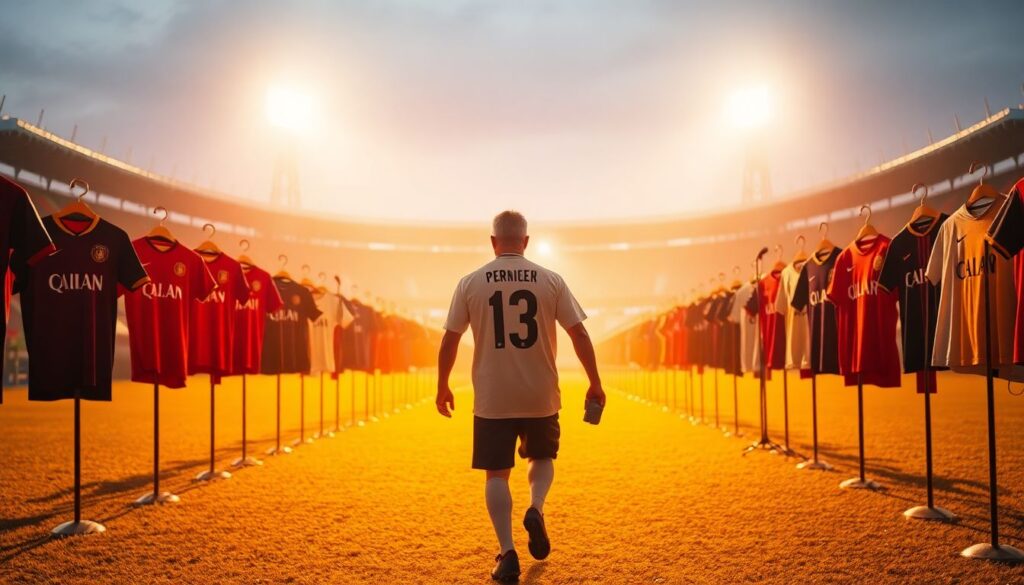
A single call-up is a door; a sustained international career is a path. Over time, appearances, tournaments, and leadership roles shape how a player is remembered domestically and abroad, affecting coaching opportunities, media careers, and roles within the federation.
National team football call up impact on player career multiplies when combined with consistency: becoming a regular starter, then a leader, then potentially a captain or veteran mentor. This transition often runs parallel to club development, but not always; some players become national icons even from smaller clubs.
Mini-scenario timeline (simplified pseudo-career):
- Ages 19-21: First call-ups as a substitute. Focus on learning routines, coping with pressure, and making impact in limited minutes.
- Ages 22-26: Becomes a starter. Plays qualifiers and tournaments, increases responsibility in tactical meetings, starts influencing dressing-room culture.
- Ages 27-31: Senior leader. Helps integrate younger players, mediates between staff and squad, acts as public face in media.
- Post-playing: Uses reputation and network from international career to access coaching badges, academy roles, or federation positions.
Across this timeline, benefits of playing for national football team for career include not only financial gains but also long-term credibility in the football industry: people trust internationals with development roles, mentoring, and public representation of the sport.
Self-checklist for players aiming at a call-up
- Have you analysed the national team’s tactical style and identified how your profile fits specific roles?
- Is your weekly club routine (training, recovery, nutrition) already at a standard that can handle international intensity?
- Do you have a plan with your agent and club coach for how national-team exposure will be used in career decisions?
- Are you mentally prepared for criticism, travel stress, and role changes when joining the national squad?
- Do you regularly review video of your games to fix weaknesses before national scouts highlight them?
Players’ and clubs’ recurring questions
How much can one call-up realistically change a player’s career?
One call-up mainly changes perception: coaches, agents, and media see the player as international level. Real structural change usually comes from repeated selections, solid performances, and tournament appearances over several windows.
Is it better to be a club star or a national-team rotation player?
Both paths can work. For market value and visibility, even a rotation role in a strong national team can be powerful. For development, guaranteed club minutes plus occasional national duty is often an optimal balance.
Can a player lose club form because of national-team duties?
Yes, if travel, fatigue, and tactical shifts are not managed. Clear communication between club and national staff and careful load management help reduce this risk significantly.
Do scouts care more about club games or national-team games?
Clubs prioritise consistent club performances because the sample size is larger. National-team games, especially tournaments, are used as high-pressure tests that confirm or question what scouts already saw at club level.
What should a first-time call-up focus on during camp?
Master the tactical instructions, show reliability in simple tasks, and maintain high energy in training. Off the pitch, observe routines of experienced internationals and build relationships with staff without trying to impress everyone at once.
Can a player return to the national team after being dropped?
Yes, if club performance improves and the tactical context changes. Coaching changes at national level often reopen doors for profiles that were previously out of favour.
How should a club support a player who has just been selected?
Plan recovery and rotation around international windows, provide psychological support if pressure rises, and use the call-up positively in internal communication and fan messaging.