Kategori: TFF 1. Lig
-
Mental training in turkish youth football for young talents under global pressure
Mental training in Turkish youth football means giving young players simple, repeatable tools to stay calm, focused and confident under global pressure. Use short pre-match routines, basic breathing, clear role reminders and debriefs. Start light, make it practical, track progress weekly, and involve coaches and parents in one shared mental framework. Pre-competition mental checklist for…
-
Best turkish wonderkids in football manager and their real-life accuracy
Turkish wonderkids in Football Manager are usually good early indicators of real-life potential but not guaranteed stars. Treat FM as a structured shortlist tool, then cross-check players’ minutes, league strength and injury record. The best choice is the wonderkid whose role, personality and wage fit your save, not just the highest potential rating. At-a-glance verdicts…
-
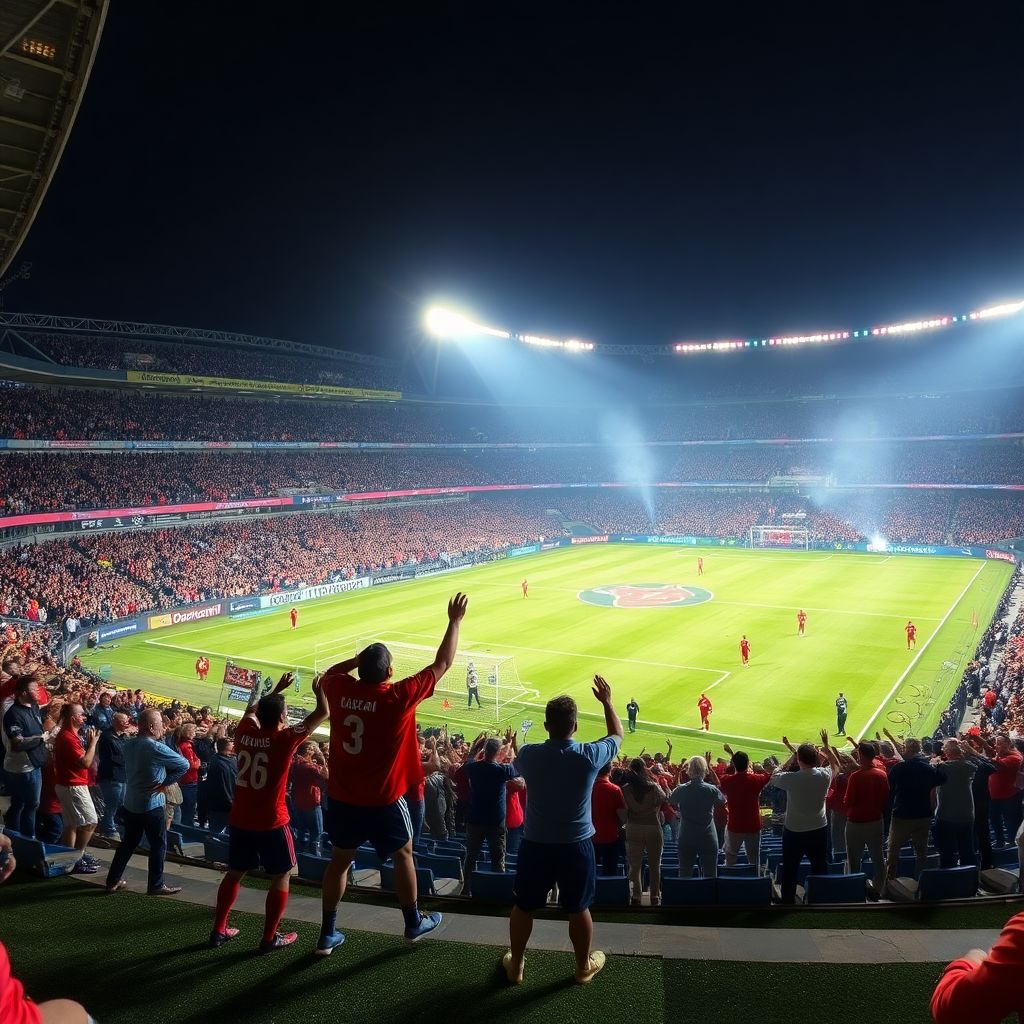
Classic nights: greatest european matches ever played by turkish clubs
Classic European nights for Turkish football clubs are matches where performance, atmosphere and stakes combine to create lasting history: statement wins, heroic comebacks, or finals that change how a club is seen in Europe. These games mix tactical bravery, intense support, and high risk, often against better-resourced opponents. Defining a ‘Classic Night’ for Turkish Clubs…
-
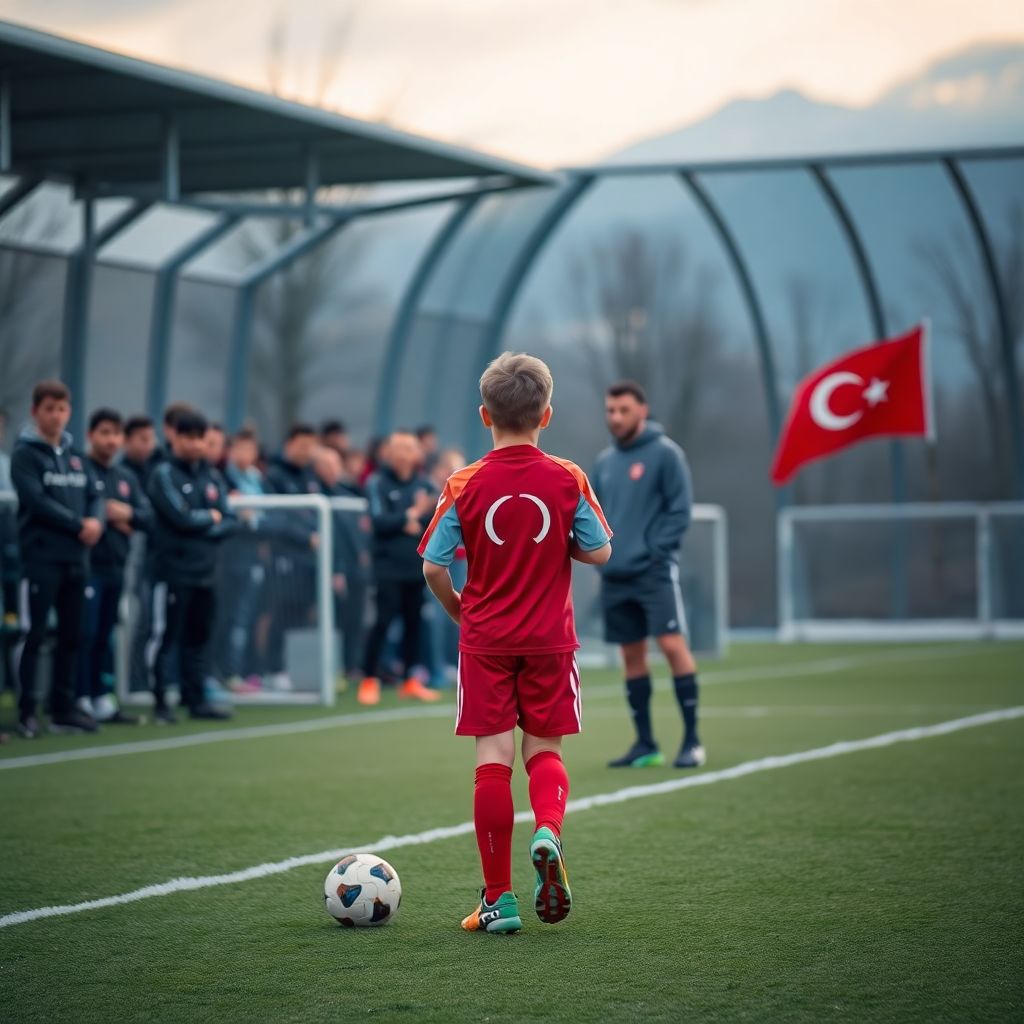
Comparing turkish football academies with europe’s elite youth development systems
Turkish football academies are best if you want strong competition, lower costs, and a culturally familiar route into regional pro football; Europe’s elite systems win on facilities, sports science, and visibility to top clubs. For a Turkish player targeting European scouting, an academy in Turkey with proven European pathways is often the best compromise. Executive…
-

Foreign player quotas in turkey: do they help or hinder local talent?
Foreign player quotas in Turkey help local talent development only when they are balanced, predictable, and combined with strong academy incentives. Very strict caps in the Turkish Super Lig can lower quality and transfer value, while totally open rules can block pathways. A mixed model with minute-based incentives, smart registration limits, and club monitoring works…
-
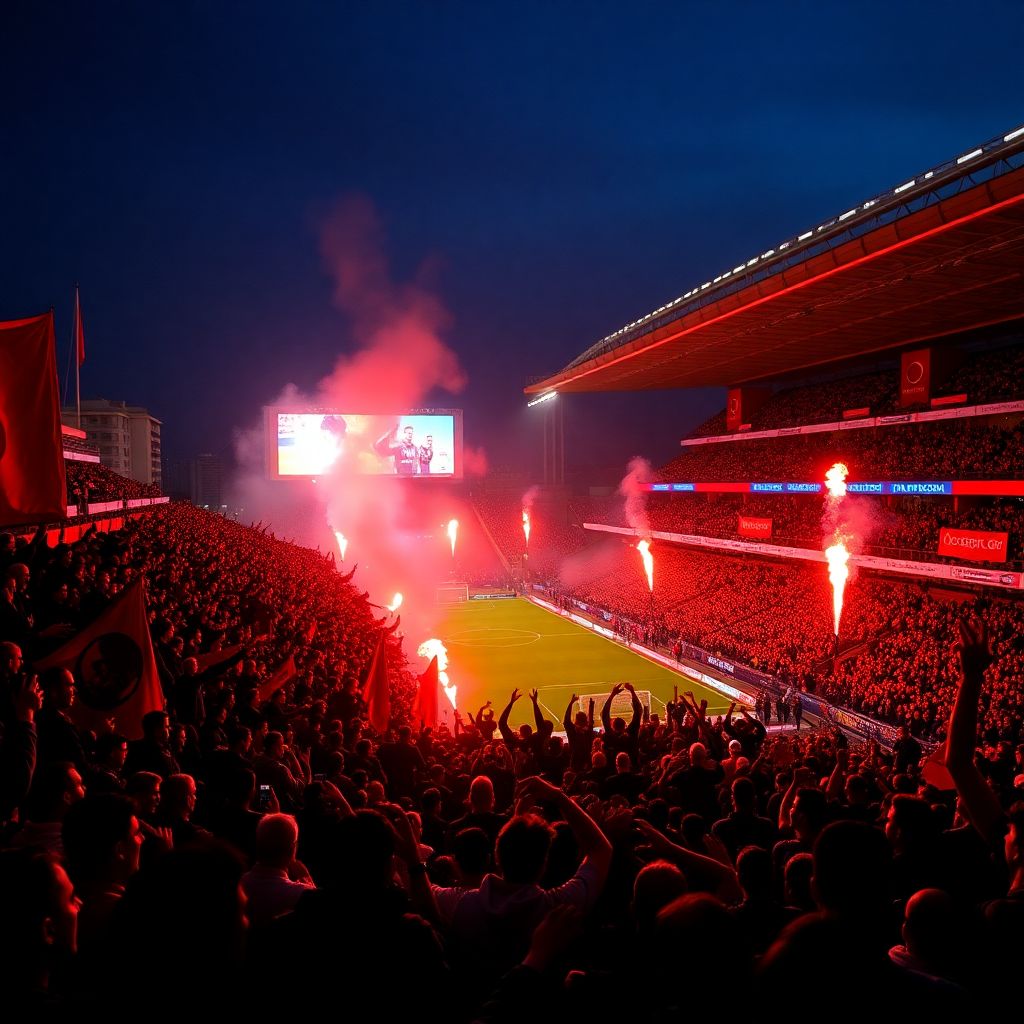
Derby days in turkey: history and culture behind the biggest football rivalries
Derby days in Turkey are intense football matchdays when historic rivals like Galatasaray, Fenerbahçe and Beşiktaş face each other, mixing sport with history, politics and local identity. Streets, cafés and stadiums turn into loud, colourful arenas where choreography, chants and symbolism matter almost as much as the result on the pitch. Overview: What Defines a…
-
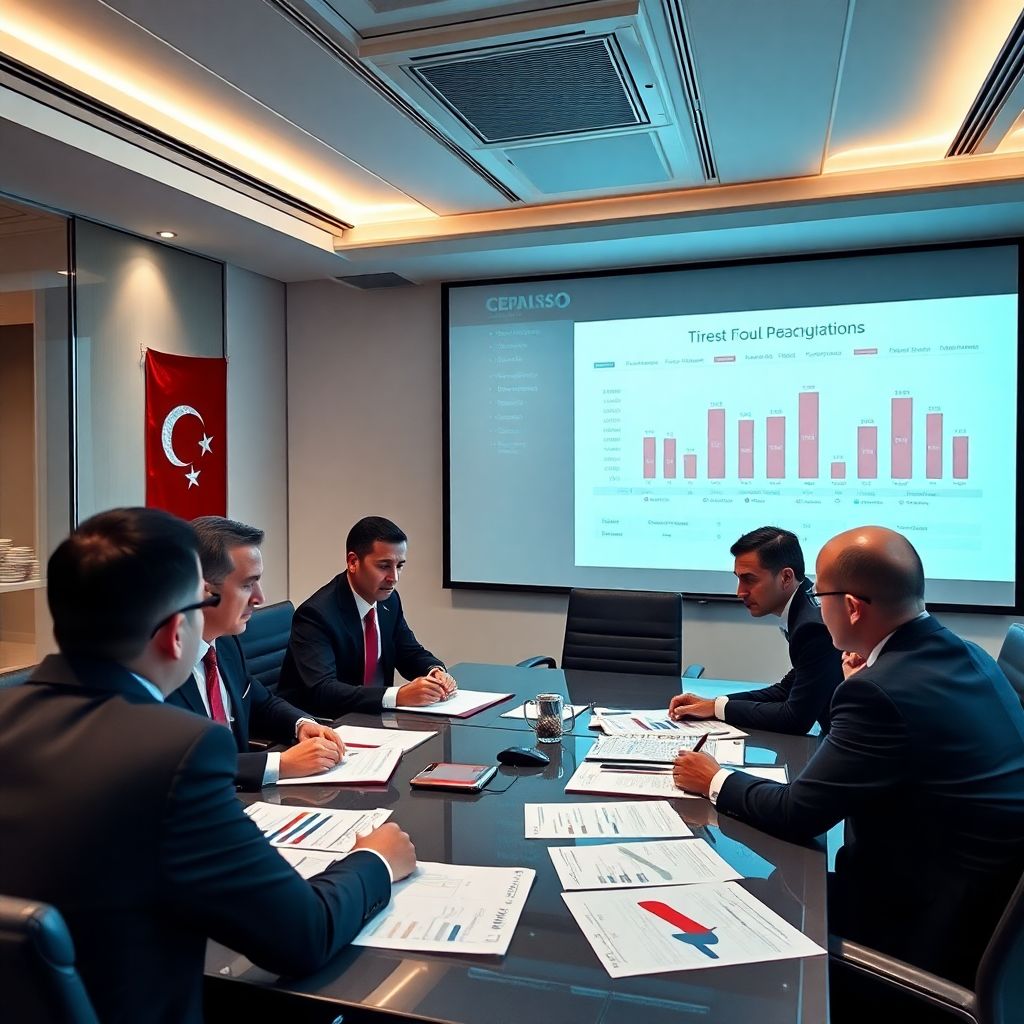
Financial fair play and its impact on turkish clubs competing in europe
Financial Fair Play for Turkish clubs in Europe is about proving you can fund your squad from sustainable income, not owner cash or hidden debt. It limits losses, scrutinises overdue payables, and ties UEFA licences to transparent accounts. The impact is strongest on transfers, wage bills, and long‑term squad planning. Snapshot: How FFP Shapes Turkish…
-
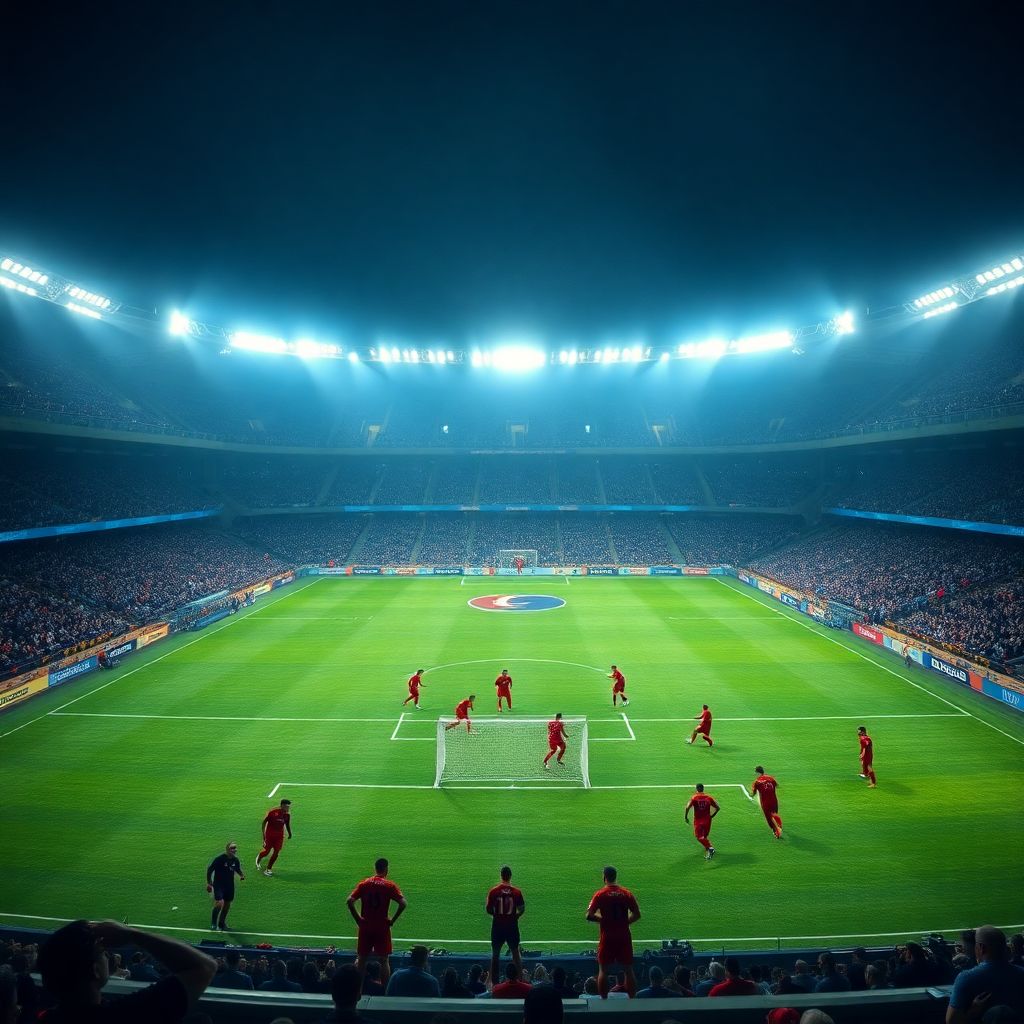
Turkey’s golden generation 2002 vs today’s national squad: a detailed comparison
Turkey’s 2002 golden generation is better for proven tournament output, resilience in knockout pressure and cohesive peak-age leadership. Today’s national squad is better for technical ceiling, depth across European clubs and tactical flexibility. Choosing the “better” side depends on whether you prioritise guaranteed stability and experience, or long-term upside and modern, ball-dominant football. Core contrasts…
-

Why Tff 1.. Lig is one of europes most unpredictable football leagues
TFF 1. Lig feels wildly unpredictable because several structural and contextual factors stack together: playoff pressure, dense fixtures, financial volatility, constant squad and coach changes, strong home‑advantage nuances and variable pitch conditions. These do not create pure randomness; they create a league where classic models underperform and edges are narrow, dynamic and short‑lived. Myths vs…
-
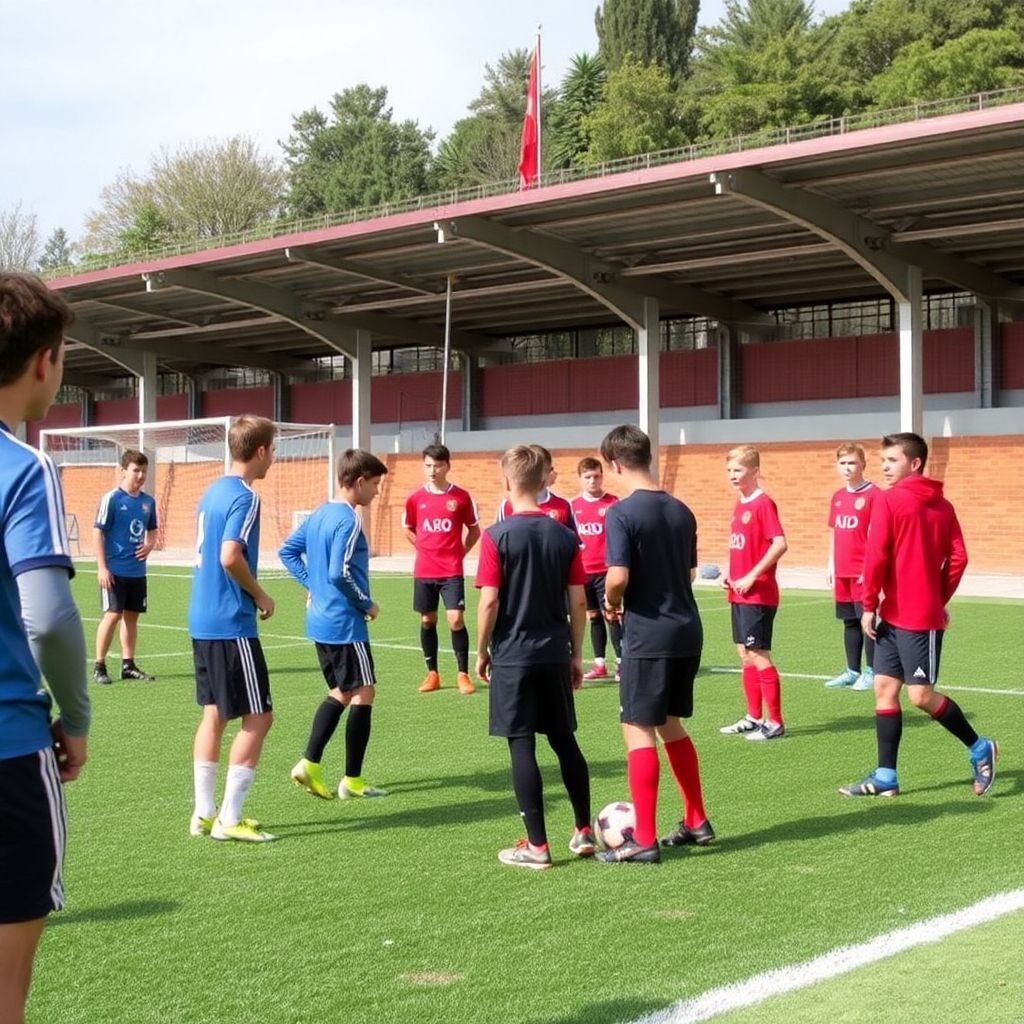
What turkey can learn from the youth systems of germany, spain and the netherlands
Turkey should combine low-cost community coaching from the Netherlands, structured dual-pathway education from Germany, and Spain’s technical academy culture. For a budget-first roadmap, start with Dutch-style coach education and game formats, then phase in German licensing and Spanish-style club-school integration in selected regions, measuring player retention and progression each season. Strategic summary for Turkish youth…