
Why women’s football in Turkey is at a turning point
Women’s football in Turkey is living a strange paradox: visibility is higher than ever, yet the foundations are still fragile. Big clubs like Fenerbahçe, Beşiktaş and Galatasaray entered the women’s game, the women’s football Turkey league was rebranded as the Turkcell Women’s Super League, and key matches are finally played in main stadiums. At the same time, salaries are inconsistent, infrastructure is patchy outside a few hotspots, and youth development depends heavily on a few passionate coaches rather than a systemic plan. This mix of progress and vulnerability defines the current moment.
Current state: results growing faster than the system
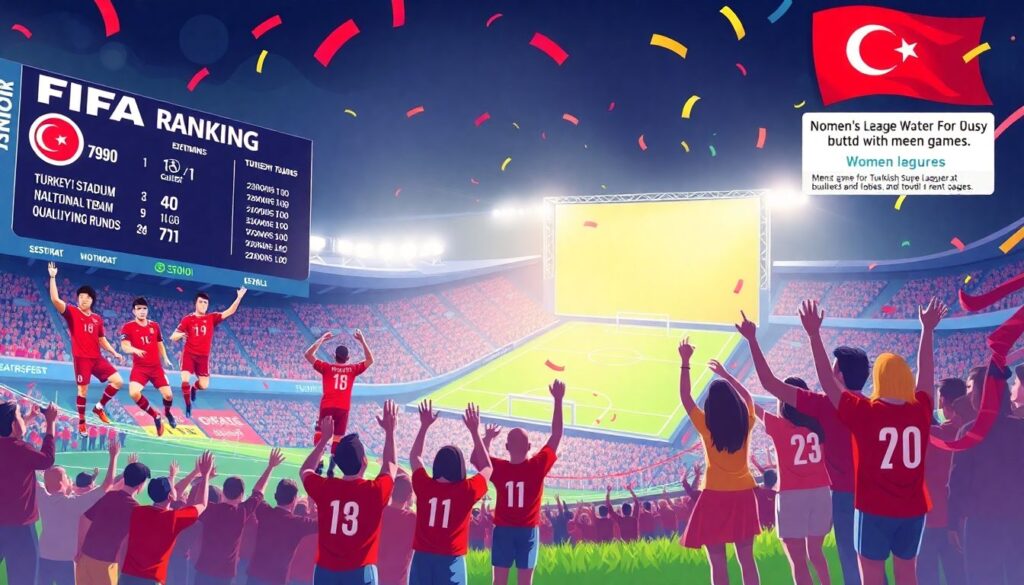
If you look at raw performance, the picture is encouraging. The national team has climbed in FIFA rankings, and clubs now reach later qualifying rounds in Europe. Attendance spikes show up whenever men’s club fanbases are activated or turkey women’s super league tickets are bundled with men’s games. But under the surface, many squads still rely on semi‑pro players juggling jobs and training. One coach from Ankara describes it bluntly: “Our game has outgrown our structure. Players think like pros but live like amateurs.” That gap is where most strategic problems start.
Real cases: what actually works on the ground
A few concrete stories illustrate both the limits and the potential. Karadeniz Ereğli, traditionally far from the media spotlight, built a competitive side by partnering with local schools and giving girls free access to pitches at off‑peak hours. In Istanbul, a smaller club struck a deal with a gym chain: players got strength training, the gym got social media content. Another club quietly grew its fan base by streaming every home match on Instagram with simple phones; that grassroots broadcast later convinced a regional TV station to test a highlight show. None of this is glamorous, but it moves the needle.
Key challenges: money, mindset and media
The hardest nut to crack is sustainable financing. turkish women’s football sponsorship opportunities often stall because brands still see women’s games as “CSR projects” instead of real marketing channels. Media coverage remains episodic, focusing on “first-ever” or “historic” moments rather than building long‑term storylines around teams and rivalries. Add to this a persistent social bias: in some regions, parents still hesitate before letting daughters train four or five times a week. Experts point out that without solving these three issues together—funding, narratives, and family support—any progress will remain fragile and uneven.
Non‑obvious solutions clubs underuse
Analysts who work with both men’s and women’s teams in Turkey often repeat one idea: stop copying the men’s model line by line. Women’s football can grow faster by leaning into its differences. Night training slots, for example, are less attractive for boys’ academies but perfect for working or studying women players; negotiating those “unpopular” hours makes facility access cheaper. Another underused angle is health data: clubs that share anonymized injury stats with local universities often receive free or low‑cost sports science support in return. These quiet, technical partnerships can save more money than a mid‑level sponsor.
Alternative development paths beyond big-city giants
It’s tempting to think only Istanbul or Ankara matter, but some of the most interesting experiments happen in mid‑size cities. Instead of building full pro setups, several clubs tested hybrid models: two to three fully paid core players, the rest semi‑pro, combined with local jobs coordinated by the municipality. This spreads risk and stabilizes income for athletes. Another alternative path is cross‑border cooperation; some Turkish clubs signed informal pacts with women’s teams in Germany and Scandinavia, exchanging preseason camps and coach education. These exchanges shorten the learning curve far more than one‑off international friendlies.
How to join women’s football clubs in Turkey: expert tips
For players asking how to join women’s football clubs in Turkey, scouts and coaches repeat three practical steps. First, build a digital portfolio: short, position‑specific clips on YouTube or a private link often matter more than a generic CV. Second, attend regional federation tournaments or university leagues, where many coaches quietly recruit. Third, do not underestimate smaller clubs; they usually offer more minutes and individual attention. Ex‑national team staff advise parents to look not only at league position but also at training frequency, medical support and coach turnover before committing to any academy.
Women’s football academies in Turkey: from chaos to structure
Right now, women’s football academies in Turkey are a patchwork—some world‑class, some barely organized. The best ones borrow from European models: clear age groups, periodized training, and integrated education plans. One expert recommendation is to link girls’ academies directly with local universities’ sports science departments, creating a shared talent pipeline for coaches, analysts and physios. Another overlooked lever is coach education at grassroots level: when U13 coaches receive specific training on girls’ physiology and psychology, dropout rates fall sharply, which later feeds more quality into the senior game.
Monetization, tickets and smarter fan engagement
Clubs often assume ticket sales are irrelevant, but that view is slowly changing. When turkey women’s super league tickets are priced creatively—family bundles, free entry for school groups, or combined passes with futsal—the atmosphere improves and secondary revenue (merch, snacks, transport deals) follows. Data from several Istanbul clubs show that once a fan attends three women’s games in a season, the probability they return the next year jumps dramatically. Experts urge clubs to capture emails or social profiles at the gate and keep talking to these fans, rather than treating each match as a standalone event.
turkish women’s football sponsorship opportunities: beyond logos on shirts

Sponsors in Turkey still tend to think in terms of logos and banners. Consultants working with brands argue for a different playbook: co‑created content. For example, a bank running financial literacy workshops for women players gains authentic storytelling material and positions itself as a long‑term ally. Another brand tied its name not to the first team, but to away‑game travel for youth squads, documenting their journeys as a mini‑series. Such targeted, narrative‑driven partnerships cost less than major shirt deals yet generate deeper engagement—and they are often easier sells to risk‑averse marketing departments.
Lifehacks for professionals working in the women’s game
For coaches, analysts and managers already inside the system, small tactical choices can have big strategic outcomes. Analysts suggest tracking three simple metrics every month—training attendance, minutes for U21 players, and soft‑tissue injuries—and presenting them visually to club boards; clear data often unlocks budget decisions faster than emotional appeals. Coaches recommend recording short debrief videos after matches instead of long next‑day meetings; players watch them on the way home, freeing more time for recovery. Agents, meanwhile, find that actively learning one additional foreign league market per year gives their Turkish clients more realistic transfer routes.
Action roadmap: what needs to happen next
To move from fragile growth to real stability, experts outline a compact roadmap:
1. Mandate minimum standards for all clubs in the women’s football Turkey league (medical checks, pitch quality, youth teams).
2. Tie federation funding to youth minutes and local player development, not only results.
3. Invest in storytelling—documentaries, podcasts, school visits—to normalize girls in football.
4. Build structured partnerships between clubs and universities for research, internships and fan outreach.
If stakeholders follow even half of this plan consistently, women’s football in Turkey can shift from a promising project to a durable sports ecosystem.