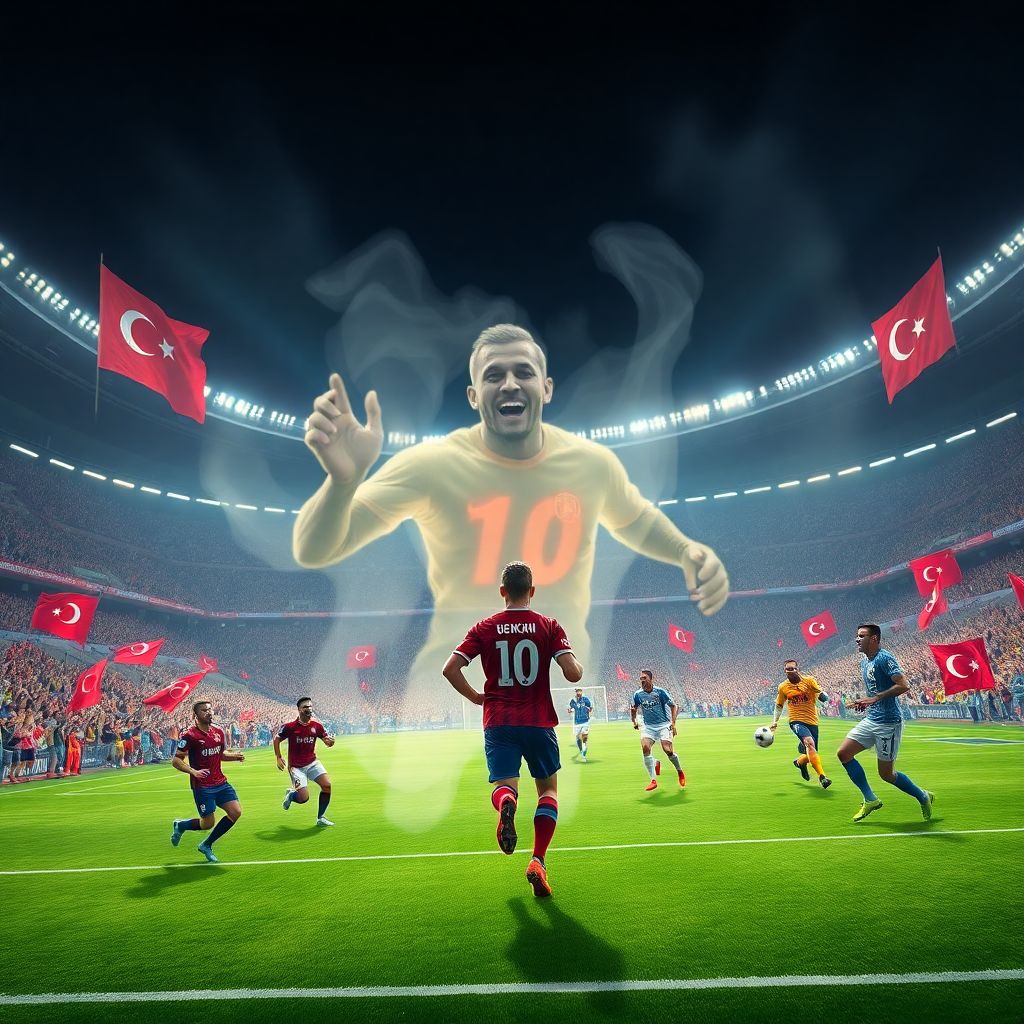
Turkish football has always been loud, emotional and a little bit chaotic — and that’s exactly why its biggest icons still shape how the game is played and watched in 2026. Let’s walk through how these legends went from names on the back of shirts to full‑on cultural forces that still steer tactics, fan culture and even the transfer market today.
—
Historical background: how Turkish football became a legend factory
To understand any Turkish football icon, you have to zoom out and look at the bigger picture. Organized football in the Ottoman Empire started in the early 1900s, mostly around Istanbul’s port communities. British sailors and merchants brought the game; local students and workers turned it into an obsession. But the real ignition point came after the Republic was founded in 1923, when football became one more way of proving that modern Turkey could stand on equal footing with Europe.
By the 1950s and 60s, clubs like Galatasaray, Fenerbahçe and Beşiktaş weren’t just teams — they were extensions of neighbourhoods, political leanings and social class. The national league (the ancestor of today’s Süper Lig) created weekly rituals, and early heroes like Metin Oktay and Lefter Küçükandonyadis became living symbols of pride in a country still defining itself. Their influence on younger generations was simple: if you could dribble, fight for every ball and handle pressure, football could be your social elevator.
Fast‑forward to the 1990s and early 2000s, and Turkish football hits its golden age. Galatasaray wins the UEFA Cup in 2000, then the UEFA Super Cup. In 2002, the national team finishes third at the World Cup, powered by names like Hakan Şükür, Rüştü Reçber and Hasan Şaş. For most Turkish kids who are now coaches or players in 2026, those were the posters above the bed and the first matches they watched late at night on TV. That emotional imprint still drives how they interpret “success” on a pitch today.
—
Core principles that define Turkish football icons
When you strip away the nostalgia and the big headlines, Turkish greats tend to share a handful of recurring traits. These aren’t accidental; they’ve become an informal rulebook for what “legend” means in this football culture.
At a high level, the most influential icons almost always embody three overlapping principles: intensity, belonging and improvisation. They don’t just play; they perform, argue, celebrate and suffer in public. You feel their presence even off the ball. And that raw emotion is not seen as weakness — it’s considered proof that they’re “from the people,” not distant stars.
In practical terms, those principles usually show up as:
– Relentless work rate – constant pressing, never switching off, chasing hopeless balls.
– Tribal loyalty – staying at one big club for many years, or at least showing public respect for their roots.
– Big‑game personality – rising specifically in derbies and European nights, less so in routine league games.
– Creativity under pressure – not just following a tactical scheme but bending it with flair when the crowd demands it.
You can see why these values still influence coaches in 2026: they build systems that leave room for emotion and individual brilliance instead of rigid, robotic football.
—
Iconic profiles and how their legacy shows up today
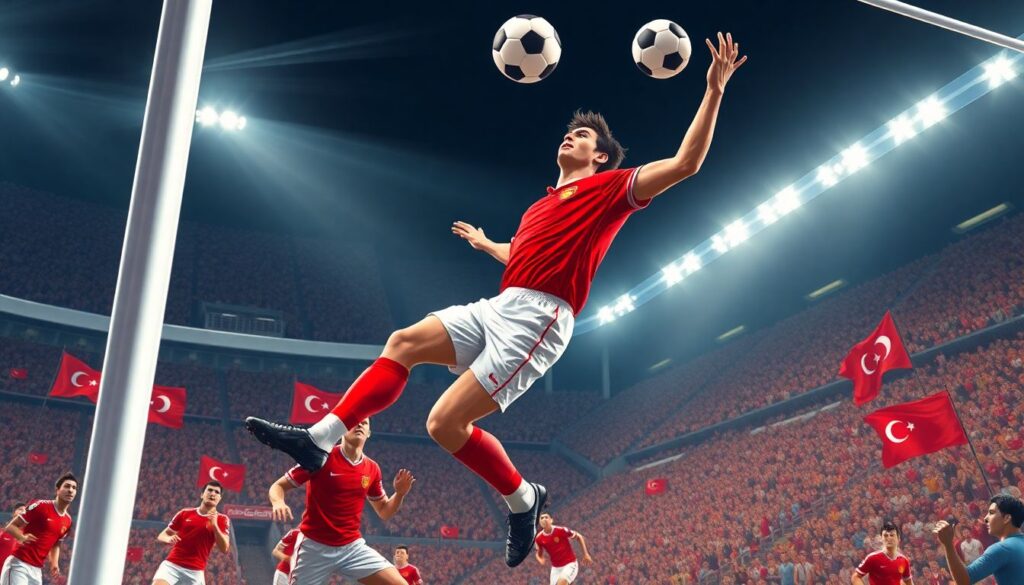
Let’s break down a few profiles — not as biographies, but as “templates” that modern players and coaches quietly copy.
Hakan Şükür, regardless of what happened to him later politically, remains the standard reference for the classic Turkish centre‑forward: strong in the air, ruthless in the box, constantly wrestling with defenders. Modern strikers in Turkey, from academy level up, are still judged with questions like “Can he hold the ball up like Hakan?” or “Would he survive a derby with that physicality?” You’ll see training drills in youth academies built around back‑to‑goal play and heading specifically because of this old benchmark.
On the creative side, Gheorghe Hagi’s Galatasaray years redefined what a No.10 could mean in Turkey. Yes, he’s Romanian, but in Istanbul he’s treated as an adopted Turkish football icon. His mix of insane technique and street‑level aggression created a new standard: playmakers had to be both artists and fighters. In 2026, when a young midfielder is scouted, the question isn’t only about passes completed; it’s “Does he have that Hagi fire?” You can trace this directly in how clubs like Başakşehir and Trabzonspor still structure their attacking midfield roles with a lot of freedom between the lines.
Rüştü Reçber brought something different: a goalkeeper with a warrior aura. Face paint, aggressive body language, constant communication. Today’s Turkish keepers — like those graduating from big‑club academies — are trained not just as shot‑stoppers but as emotional leaders. You’ll hear coaches say, “Your voice is as important as your hands,” echoing the Rüştü model where a keeper sets the psychological tone for the entire back line.
Short version: each legend left behind a “role archetype,” and clubs in 2026 still coach those roles through the lens of those names, whether they say it out loud or not.
—
How those principles are actually used in today’s game
It’s easy to romanticize all of this, but the real question is: how exactly are these legacies implemented on the training pitch and in matchday decisions today?
Modern Turkish coaches, especially the younger ones, are increasingly educated in UEFA courses and exposed to data analytics. Yet in interviews and behind closed doors they often fuse that modern knowledge with lessons from old idols. A typical weekly cycle at a big Süper Lig club in 2026 might include detailed opposition analysis sessions, and then finish with a short video clip of a famous comeback, like Galatasaray overturning a deficit in Europe, to tap into that emotional memory bank.
Here are some concrete implementation patterns you’ll see across the league:
– Pressing with personality: Teams may use modern pressing triggers but add a “turbo” mode in derbies, explicitly encouraging players to be more confrontational, inspired by the way past captains dominated psychologically.
– Captaincy as a legacy role: Armband decisions often lean toward players who visibly “carry the crowd,” in line with old captains like Bülent Korkmaz. Data about passing or running matters, but emotional resonance wins tie‑breakers.
– Academy storytelling: Youth coaches in Istanbul and Anatolia still tell stories of old legends as teaching tools — linking, for example, defensive resilience to how previous Beşiktaş back lines survived 1–0 wins in hostile stadiums.
The end result is a hybrid style: tactically European, emotionally very Turkish.
—
How fans keep the legends alive in 2026
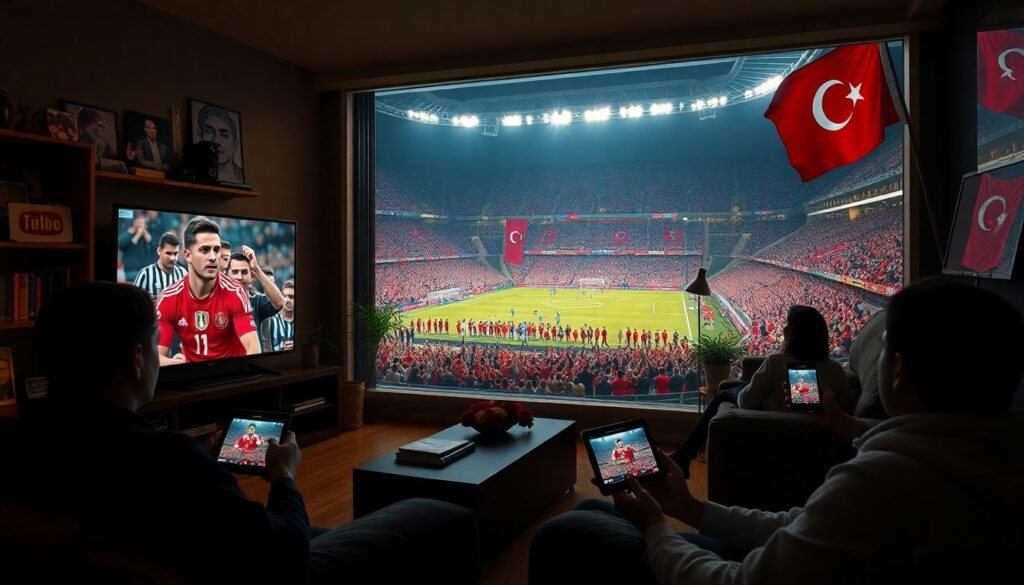
The legacy of icons isn’t just on the grass; it’s in living rooms, phone screens and collectors’ shelves. Fan behaviour has become almost another tactical factor, especially in Turkey.
Streaming platforms and YouTube have made it simple to binge‑watch any new Turkish football legends documentary. Supporters dissect old clips, compare them to current players and spam social media with side‑by‑side videos. This constant comparison raises expectations: a young winger isn’t just competing with his peers, he’s being measured against prime Arda Turan or early‑2000s Hasan Şaş.
At the same time, there’s a whole ecosystem built around preserving physical memory:
– Fans hunt down Turkey football memorabilia for sale, from vintage match tickets to old scarves that still smell like cigarette smoke from 90s stadiums.
– Collectors fight over signed jerseys Turkish football legends wore in famous derbies or European nights, treating them as family heirlooms rather than just merchandise.
– Bookworms dig into the best books about Turkish football history to understand not just what happened, but why certain games still get mentioned every week on TV shows.
On matchdays, this history affects the atmosphere. Buying tickets for Turkish Süper Lig derby matches is almost like signing up for a live history lesson: loud references to past goals, old songs, banners quoting retired captains. Players in 2026 step into stadiums that constantly remind them who walked that grass before them. That pressure and inspiration is a direct extension of the legends’ influence.
—
Common misconceptions about Turkish football icons
Because the stories are so dramatic, people — especially outside Turkey — often carry some skewed ideas about these legends. It helps to clear up a few myths.
One persistent misconception is that Turkish icons were all about “heart” and lacked tactical discipline or professionalism. Watch full‑match replays rather than highlight reels and you see something else: very clear positional structures, intelligent game management and a lot of tactical fouls used at exactly the right moments. Emotion was loud, but it sat on top of a pretty sophisticated game understanding.
Another misunderstanding is that Turkish legends only shone at home, protected by fiery crowds and friendly referees. Yes, the home advantage in Istanbul or Trabzon is notorious, but many icons built their reputation on away nights: cold trips to Germany, hostile Balkan grounds, tense qualifiers in England or Italy. Their status came precisely from surviving outside their comfort zones.
There’s also the lazy assumption that being a “club legend” in Turkey just means staying loyal forever. In reality, some heroes changed clubs or even crossed derby lines. What made them legendary was less about blind loyalty and more about what they did in high‑pressure games: tackles that changed a title race, goals in stoppage time, saves in European quarterfinals. The story is about impact, not just time served.
—
Using legend‑to‑legacy thinking in today’s coaching and playing
If you’re a coach, analyst or even just an obsessed fan in 2026, you can borrow a few practical lessons from how Turkish icons turned into lasting influences. The point isn’t to copy old styles blindly, but to decode what made them stick and apply that logic in a modern setting.
Think in terms of “legacy traits” rather than personalities. Instead of telling a young striker “play like Hakan Şükür,” break that down into concrete behaviours: attack the near post, be first to second balls, use your body to protect possession, bully centre‑backs in the first 15 minutes. Then design drills that encourage exactly those habits.
For coaches and leaders, a simple checklist can help translate legend energy into daily work:
– Define your team’s myth: What kind of story do you want people to tell about you in 10 years? High pressing? Comebacks? Technical dominance?
– Link that myth to a past icon: Use clips and stories of a Turkish football legend whose style matches your ideal.
– Embed it in routines: Warm‑ups, pre‑match talks, even how you celebrate wins should align with that chosen identity.
– Measure the right things: If your myth is “never give up,” track late goals, sprints in the final minutes, and not just possession stats.
Players can do a similar exercise individually: pick an icon, identify three transferable behaviours, and integrate them into personal training. Over time, that’s how legends stop being museum pieces and become living frameworks that shape new careers.
—
In the end, “from legend to legacy” in Turkish football is not a poetic slogan; it’s a very real process. Old heroes created emotional templates, tactical archetypes and cultural habits that still shape how matches are played, coached and watched in 2026. The names on the shirts may change, the data dashboards may get fancier, but every loud tackle, risky dribble and wild derby celebration is still echoing choices made by those icons decades ago.