Turkish academies shape the next generation of European football stars by combining intense technical schooling, tactical flexibility, and early exposure to competitive pressure, then exporting the most adaptable players into European systems. This guide shows clubs, agents and coaches how to engage with these structures safely: from scouting and trials to education, welfare, and compliant transfer planning.
How Turkish Academies Feed Europe: Core Arguments
- Turkish academies prioritise ball mastery and one versus one dominance, producing attackers and midfielders who adapt quickly to European possession and transition styles.
- Highly competitive local leagues and youth tournaments create resilience, preparing players for cross border moves at younger ages.
- Strong club identities, especially at big Istanbul sides, give clear development philosophies that European clubs can map to their own game models.
- Scouting networks now reach both diaspora communities and turkey youth football training camps in europe, widening the talent pool for export.
- Partnerships and professional football trials in turkish academies offer a structured, relatively low cost way for European clubs to monitor and test players before transfer decisions.
- When managed with proper regulation, education and medical safeguards, Turkish pathways can accelerate the time from academy to first team minutes in European leagues.
Philosophies and Coaching Models That Differentiate Turkish Academies
For clubs and scouts, understanding the philosophy behind an academy is more important than its brand name. The best turkish football academy for young players is the one whose game model, schooling and welfare standards fit your own pathway and risk profile.
Common traits in Turkish academies that are now shaping European football include:
- Intensity and competitiveness in daily work – Sessions mix high tempo technical drills with small sided games that reward aggression and winning mentality. This often suits clubs in high press or transition leagues.
- Positionless technical education at younger ages – Up to early teens, players rotate positions and train both feet, preparing them to adapt to European tactical demands later on.
- Coach driven, but emotionally demanding environments – Coaches are often highly directive and emotionally expressive. European partners should assess whether this aligns with their own duty of care standards.
- Integration of street football habits – Many prospects arrive with informal street football backgrounds; top academies channel this creativity into structured tactical frameworks without killing improvisation.
- Early contact with senior football – Strong academies give top talents controlled exposure to senior training, B teams or loans, accelerating their readiness for minutes abroad.
These models are suitable when your club:
- Values technically bold, emotionally resilient players.
- Has support staff to help adaptation to a new culture and language.
- Is ready to invest time in completing tactical education, not only buying ready made players.
You should be cautious or avoid close integration when:
- Your environment is highly player led and cannot absorb more directive coaching backgrounds without conflict.
- You lack language, welfare and education support for minors or young adults arriving from Turkey.
- You cannot dedicate staff to monitor training loads and medical risk for players transitioning from more intense or less monitored regimes.
Scouting Ecosystem: Domestic Talent ID and International Recruitment
To work effectively with Turkish academies, clubs and agents must understand who finds players, where they are developed, and how information flows. This also matters if you are exploring turkish football academies in europe or pathways for how to join turkish football academy from europe as a player or family.
Key elements and tools you will need:
- Local scouting relationships
- Contact regional scouts who cover Istanbul, Ankara, Izmir, Anatolian cities and diaspora hubs.
- Verify that intermediaries are licensed and transparent in their fee structures.
- Access to youth competition footage
- Secure video for academy leagues, regional tournaments and national youth teams.
- Ensure data storage and sharing respect privacy laws, especially for minors.
- Event calendar and camp mapping
- Maintain a shared calendar of turkey youth football training camps in europe, domestic tournaments and trial days.
- Track which events are pure showcase vs. true selection activities.
- Educational and family background information
- Collect basic schooling, language and family support data (with consent) to assess adaptation risk.
- Include notes on dual nationality options and visa implications.
- Medical and workload records
- Request age appropriate training load and injury history from academies before inviting players to trials.
- Use independent club doctors to review red flags such as growth related issues or previous serious injuries.
- Compliance and contract expertise
- Engage legal staff who understand both Turkish and relevant European federation regulations.
- Prepare standard checklists for cross border transfers of minors to prevent breaches.
Structured Pathways: Training, Education and Progression to First Team Football
Before installing or partnering with a Turkish style pathway, consider the main risks and limits:
- Overloading young players with extra sessions or tournaments without proper medical screening.
- Moving minors abroad too early with weak educational and language support.
- Relying on informal agreements with intermediaries instead of written, compliant contracts.
- Promising first team minutes or transfers that your club cannot realistically deliver.
- Ignoring psychological support for players who fail trials or are released.
Below is a safe, step by step structure that mirrors how strong Turkish academies channel players toward European careers.
- Build a dual focus: football and schooling – From ages 10 to 15, combine regular academy training with solid formal education.
- Agree with families that school performance remains non negotiable.
- Offer language classes (for example English or German) for players who may later move to Europe.
- Standardise technical foundations – Set a clear curriculum for ball mastery, first touch, passing under pressure and one versus one skills.
- Use objective session plans and video to ensure every age group reaches the same benchmarks.
- Track individual progress with simple season reports shared with players and parents.
- Introduce tactical game models gradually – From mid teens, start position specific work aligned with one or two stable game models.
- Explain roles and responsibilities with visual aids, not just verbal instruction.
- Rotate players through similar roles so they can adapt later to different European styles.
- Plan controlled exposure to higher levels – Offer selected players training weeks with older age groups, B teams or senior squads.
- Coordinate with medical staff to avoid sudden jumps in minutes or intensity.
- Use these periods to test mentality and learning speed, not just physical readiness.
- Use structured, safe trial opportunities – When players are ready, arrange professional football trials in turkish academies or at partner European clubs.
- Ensure written invitations, clear insurance coverage and parents or guardians involved for minors.
- Limit trial periods to reasonable lengths, with rest planned before and after.
- Secure compliant transfer and integration plans – For players who pass trials, align sporting, legal and welfare steps before any move.
- Clarify registration status, contract length, education arrangements and host family or accommodation details.
- Assign a staff mentor to follow the player for the first season abroad.
Technical and Tactical Curricula Influencing European Playing Styles
Use this checklist to assess whether an academy curriculum can genuinely feed European level football and suit your club model.
- Every age group has a written technical curriculum, not just informal coach preferences.
- Session plans regularly train decisions under pressure, not only isolated technical drills.
- Players understand at least one structured build up model and one transition strategy by late teens.
- Wide and attacking midfield players are encouraged to take risks in the final third, but with clear rest defence organisation behind them.
- Defenders and goalkeepers are taught to start play, not only to clear danger.
- Tactical analysis sessions with video are part of the weekly routine from at least under 15 level.
- Coaches can explain how their style maps onto typical European league demands they target.
- Individual development plans exist for top talents, detailing position profiles and potential European pathways.
- Load management and recovery are integrated, so high intensity tactical work does not lead to chronic fatigue or injury risk.
Commercial and Transfer Strategies: From Development to Cross‑Border Moves
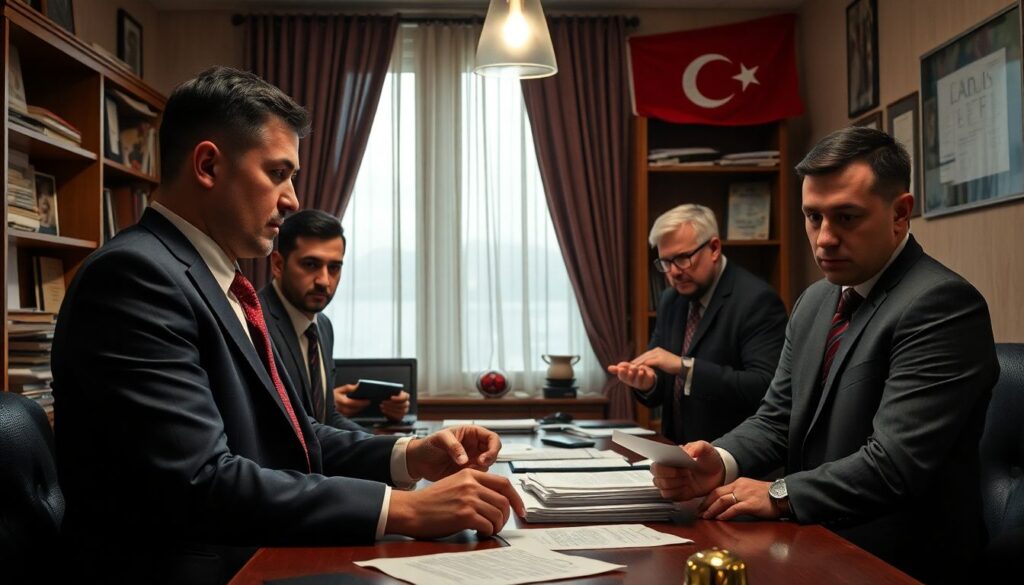
Common mistakes when turning Turkish academy development into cross border transfers often create legal, financial and welfare problems. Avoid the following:
- Entering informal handshake agreements with unlicensed agents who control access to prospects.
- Signing players to overly long contracts without clear education and progression guarantees.
- Ignoring training compensation and solidarity mechanisms, leading to disputes between clubs.
- Rushing players into low value transfers to minor leagues instead of waiting for better matched offers.
- Allowing third party influence over transfer decisions that conflicts with club interests or regulations.
- Failing to document trial expenses, bonuses and side agreements, which can cause regulatory sanctions.
- Over marketing teenagers as future stars on social media, creating pressure and unrealistic expectations.
- Underestimating adaptation costs for moves from Turkey to colder climates or culturally distant regions.
- Neglecting exit plans for players who do not adapt, including routes back into education or domestic football.
Regulatory, Medical and Ethical Risks: Mitigation Practices for Clubs
If full, long term integration with a Turkish academy pathway feels too risky, there are safer alternatives that still benefit all parties.
- Short term observational partnerships – Instead of formal pipelines, arrange periodic visits where your staff observe training and games without committing to direct transfers. This helps you understand standards and culture before deeper cooperation.
- Joint training camps in neutral locations – Organise well supervised turkey youth football training camps in europe where mixed squads train and play friendly matches. This reduces relocation risks and allows medical and welfare monitoring in familiar environments.
- Education first exchange programmes – For top scholars, create semester based exchanges focused on schooling and language, with football as a secondary focus, to test adaptation gently.
- Shared coach development projects – Instead of moving many young players, co invest in coach education, curriculum design and sports science so methodologies align before large scale transfers begin.
Practical Questions Clubs, Coaches and Scouts Commonly Face
How can a European club safely start working with a Turkish academy?
Begin with limited information sharing, scouting visits and friendly games rather than immediate transfer deals. Put everything in writing, verify licences of intermediaries, and include medical, education and safeguarding clauses in any cooperation agreement.
What should we check before inviting a Turkish player to trial?
Request recent match footage, training history, injury records and school reports. Confirm that the player and family understand trial conditions, insurance coverage and that no contract is guaranteed. Coordinate loads with the home academy to avoid overuse injuries.
Are turkish football academies in europe better for adaptation than moving directly to Turkey?
Satellite academies or partnerships inside Europe can ease cultural and language adaptation, but quality varies. Evaluate staff qualifications, training intensity and education support in exactly the same way you would assess an academy in Turkey.
How to join turkish football academy from europe as a teenager without breaking rules?
Families should work through licensed clubs or agents, not informal fixers. Any international move of a minor must comply with federation and international regulations, which usually require family relocation for non football reasons and guaranteed education.
What age is realistic for a Turkish academy player to move into European senior football?
There is no single correct age; it depends on physical, tactical and emotional readiness. Many succeed only after gaining minutes in domestic senior football first, so clubs should prioritise readiness and support structures over chasing the youngest possible signing.
How can we measure if a Turkish academy partnership is working?
Track the number of players monitored, trialled, signed and eventually playing competitive minutes for your teams. Combine these sporting outcomes with education completion rates, injury records and satisfaction surveys from players and families.
What if a player fails a trial or struggles after moving?
Prepare a written fallback plan: return to the original academy, alternative clubs at suitable levels, or pathways back into full time education. Provide psychological support and clear communication to limit long term damage to confidence.