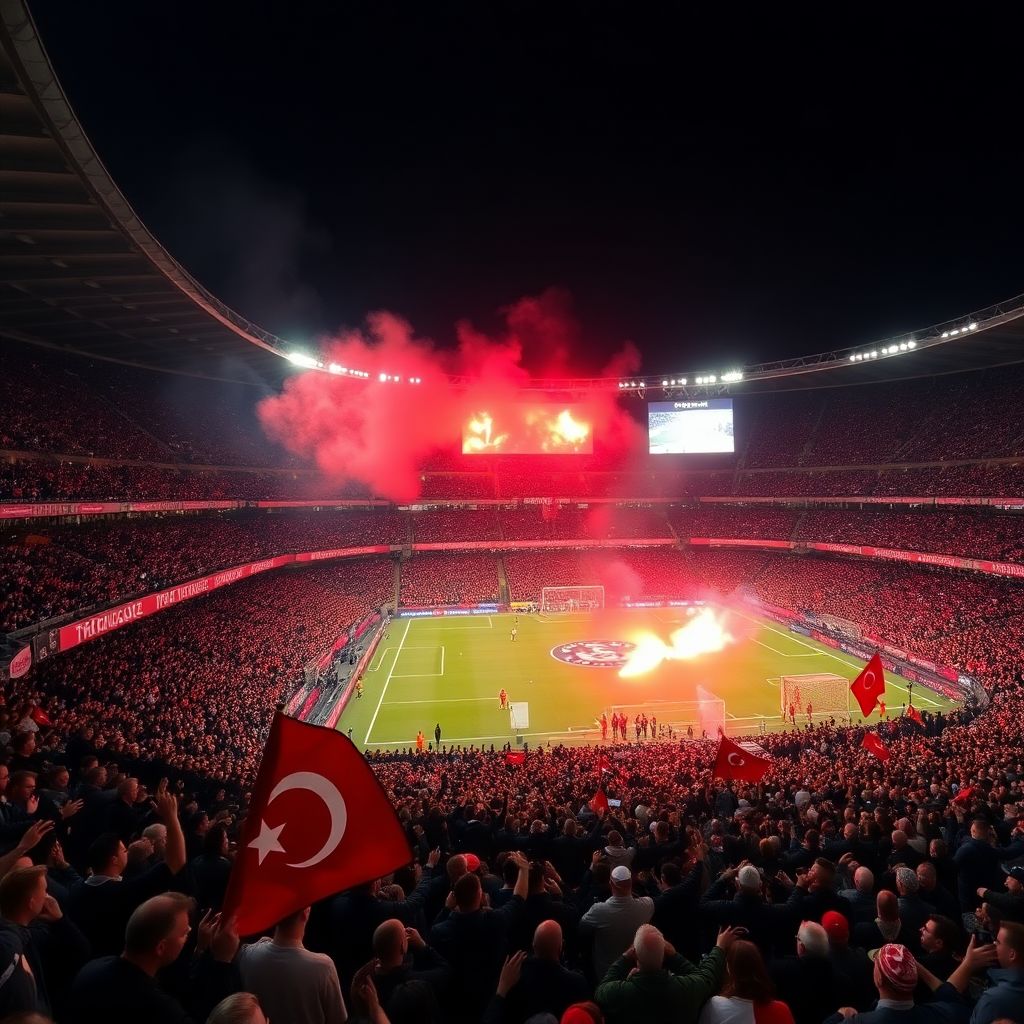
Turkey’s fiercest football rivalries are long-running local and regional clashes that shape club identity, political discussion and modern fandom behaviour. Understanding them means knowing who hates whom, why it started, how fans express it today and how you, as a visitor or new fan, can safely experience these intense matchdays in Istanbul and beyond.
Essential rivalries at a glance
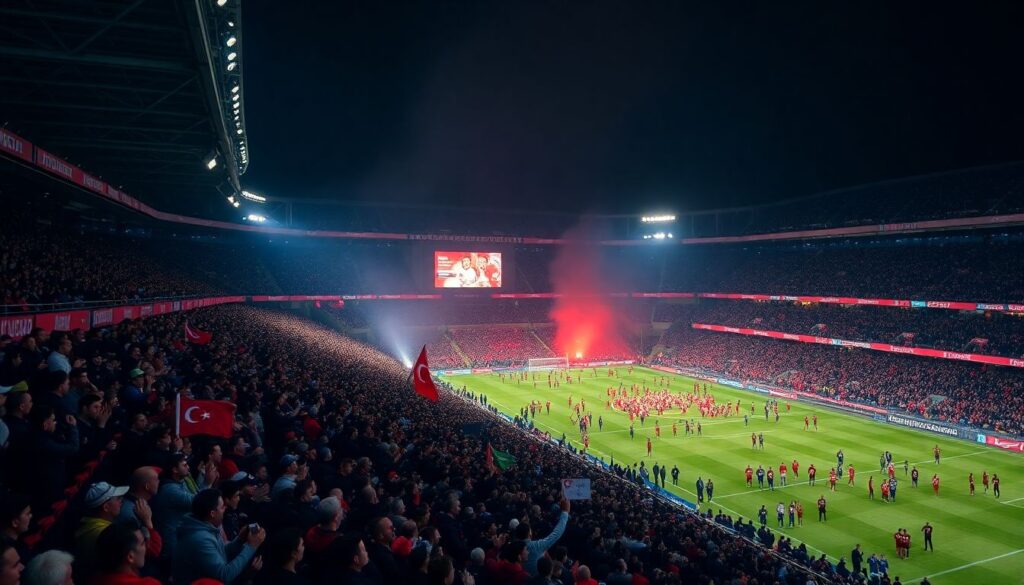
- The core rivalry triangle is Galatasaray, Fenerbahçe and Beşiktaş in Istanbul, playing derbies that define seasons.
- Outside Istanbul, Trabzonspor, Bursaspor and other Anatolian clubs channel regional pride against the big city powers.
- Historical incidents, legendary players and title races turned ordinary matches into symbolic “wars”.
- Religion, class and neighbourhood identity quietly shape who supports which club and why.
- Modern media, merchandising and tourism now export these rivalries to global audiences and new fanbases.
- As a fan or visitor, you can experience them through match tickets, stadium tours, local pubs and supporter culture.
Istanbul’s Big Three: Galatasaray, Fenerbahçe and Beşiktaş
Istanbul’s “Big Three” rivalries describe the triangular tension between Galatasaray, Fenerbahçe and Beşiktaş, whose derbies dominate the Turkey Super Lig in both results and media attention. Every clash carries sporting consequences, but also emotional weight for entire districts and generations of families.
Galatasaray-Fenerbahçe is the most intense axis, often simply called “the derby” across the country. When people look for Galatasaray Fenerbahce derby tickets, they are chasing one of Europe’s loudest and most colourful matchday experiences, where banners, flares and noise turn the stadium into a cauldron and everyday life in Istanbul briefly pauses.
The tension with Beşiktaş adds a different flavour. Galatasaray-Beşiktaş is rooted in central Istanbul neighbourhoods and historic school ties, while Fenerbahçe-Beşiktaş brings in an Asian-side versus central-borough identity. For a practical crash course, many visitors plan an Istanbul football derby tour Turkey style: walk through club districts, visit museums and end the day watching fans fill the streets before kick-off.
If you want to feel like a local fan, actions are simple: research Turkey Super Lig match tickets Istanbul in advance, arrive in the stadium area early, learn a couple of basic chants and be respectful of colours and club symbols in each neighbourhood.
Anatolian derbies: Trabzonspor, Bursaspor and regional pride
Anatolian derbies refer to high-intensity matches between non-Istanbul clubs, especially when provincial cities face the traditional hierarchy of Istanbul’s giants. These rivalries turn football into a stage where Anatolia pushes back against perceived central dominance.
- Trabzonspor vs Istanbul clubs: Trabzonspor’s home matches against Galatasaray, Fenerbahçe and Beşiktaş embody a Black Sea city challenging the capital of Turkish football. The atmosphere is fiercely local, with banners and chants emphasizing regional independence and pride.
- Bursaspor vs Istanbul clubs: Bursaspor’s derbies highlight industrial city identity and a strong supporter culture. For visiting fans, attending such a match means understanding how medium-sized cities emotionally invest in beating Istanbul opposition even more than traditional local foes.
- Regional mini-derbies: Matches between neighbouring Anatolian sides, such as clubs from Central or Eastern Anatolia, may not grab global headlines, but in the towns themselves they feel as big as any Istanbul clash, filling cafés and city squares with colours.
- Promotion and relegation battles: When Anatolian clubs fight for survival or promotion, rivalries intensify. A late-season match against a direct competitor can mean more to supporters than facing any giant, because the club’s future in the top division is at stake.
- Practical experience for visitors: If you want to feel this energy, pick a weekend in an Anatolian city, buy tickets at the club’s official channels, visit local supporter bars before the game and listen carefully to the regional references in chants and banners.
Historical flashpoints that forged club identities
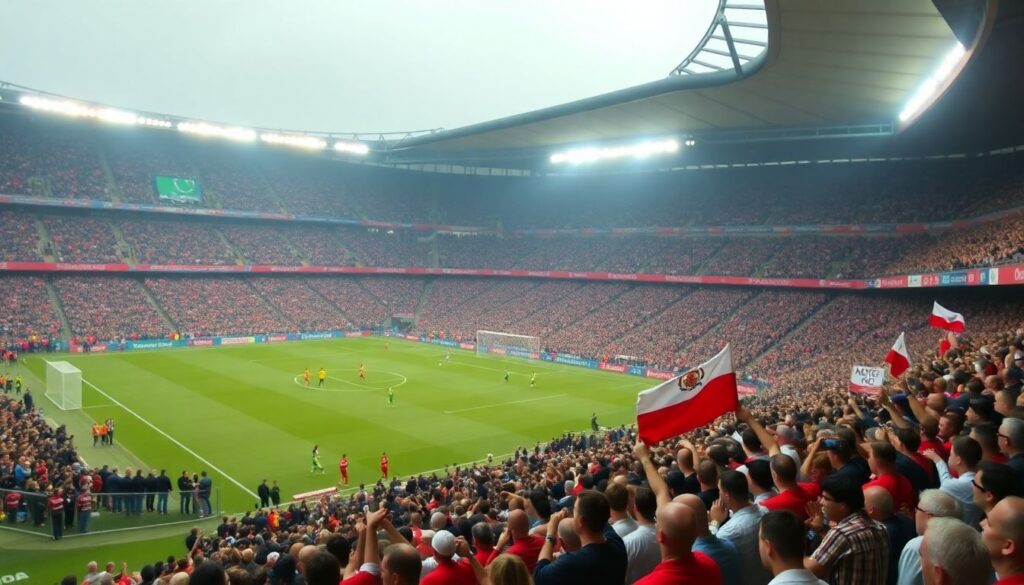
Historical flashpoints are decisive matches, incidents or seasons that changed how clubs and fans see themselves. They often turn a normal sporting contest into a lifelong rivalry and give supporters stories to repeat to younger generations.
Title-deciding derbies: Seasons where the championship was effectively decided by a single derby result shaped modern club narratives. A dramatic win or loss against a rival is remembered as proof of a club’s courage, bad luck or “never give up” mentality, and clips, photos and chants keep those moments alive.
Controversial refereeing decisions: Disputed penalties, disallowed goals or red cards in big matches fuel conspiracy theories and long-running arguments. Fans still discuss these calls in cafés and online, and the feeling of injustice often becomes part of a club’s victim-or-hero self-image.
Legendary player transfers: When a star player moves directly between rival clubs, emotions spike. Supporters may burn shirts, rewrite chants or celebrate the “betrayal” of the other side, and these moves reinforce the sense that rivalry lines matter as much as trophies.
Stadium incidents and reforms: Occasional clashes or security problems in the past led to stricter policing, fan ID systems and stadium design changes. Modern fans inherit both the stories of those tense nights and the safer, more regulated arenas that followed.
European nights as identity markers: Memorable European competition wins by Turkish clubs, especially when preceded or followed by domestic derbies, helped define fan identities: some clubs are seen as more international, others as protectors of local spirit against global forces.
Socio-political roots: religion, class and urban identity in rivalries
Socio-political roots are the underlying social patterns-religion, class, migration history and district identity-that subtly influence club allegiance and rivalry intensity. In Turkey, they rarely appear in official club language but are visible in jokes, stereotypes and the way fans talk about themselves and opponents.
These roots help explain why some people feel “born” into a club, why certain neighbourhoods are painted in specific colours, and why derbies often carry discussions about lifestyle and values, not just results. Understanding them makes conversations with local fans more meaningful and respectful.
Social strengths that rivalries create
- Strong community bonds: Supporting the same club creates instant connection in workplaces, schools and extended families, helping newcomers to Istanbul or Anatolian cities find social circles quickly.
- Clear urban identities: Rivalries mirror different parts of the city-historic centres, working-class districts, coastal neighbourhoods-giving people a language to express where they feel at home.
- Positive activism channels: Ultras and fan groups sometimes coordinate charity drives, blood donations or local clean-ups, proving that derby passion can be redirected into useful social projects.
- Cultural expression: Songs, murals, graffiti and humour around rivalries make Turkish street culture more vibrant and give young people creative outlets.
Limitations and risks behind the passion
- Stereotyping and exclusion: Over-strong identity stories can push people to judge others by club colours instead of personality, especially in mixed workplaces or schools.
- Political oversimplification: Reducing complex political or religious issues to club rivalries can hide nuance and deepen echo chambers instead of encouraging real dialogue.
- Occasional violence and stress: A minority of fans may use rivalries as an excuse for aggression, which increases policing, travel restrictions and anxiety for ordinary supporters.
- Commercial exploitation: Companies can exaggerate rivalry stereotypes in marketing, turning authentic local culture into clichés and pressuring fans to buy more merchandise than they really need.
Fan culture and matchday rituals: chants, tifos and ultras
Fan culture in Turkey consists of organised chants, large visual displays (tifos), banners, coordinated clothing and sometimes choreographed stadium-wide actions led by ultras-highly dedicated supporter groups. For visitors and new fans, understanding common mistakes and myths helps you participate respectfully.
- Myth: “You must pick a side immediately.” In reality, you can attend matches as a neutral observer. When you look for best hotels Istanbul near football stadiums or book an Istanbul football derby tour Turkey style, tour operators often guide neutrals on where to sit and what colours to avoid.
- Mistake: Wearing rival colours in the wrong stand. Even if you got last-minute Turkey Super Lig match tickets Istanbul, do not wear visible colours of the away team in a home-ultra section. Choose neutral clothing unless a trusted local tells you it is safe to show colours.
- Myth: “Only locals can sing chants.” Fans generally welcome respectful foreigners who learn basic chants or clap along. Listen first, imitate rhythm, and avoid shouting anything you do not understand, especially if the tone sounds aggressive or political.
- Mistake: Treating tifos as selfie backgrounds only. Tifos are collective art and require work from hundreds of volunteers. Take photos quickly, then focus on clapping and helping hold materials if you are in the active area; do not block others with phones during key moments.
- Myth: “Real fans must attend every away game.” Many devoted supporters follow from pubs, fan clubs or at home. As a new fan, it is perfectly fine to watch derbies from a local café or your hotel bar, especially when you cannot safely get Galatasaray Fenerbahce derby tickets.
- Mistake: Buying counterfeit merchandise. When you buy Galatasaray Fenerbahce jerseys online or any other club’s gear, use official club stores or verified partners. Counterfeit items hurt club revenue and are often lower quality, which experienced fans spot immediately.
Modern impacts: media, commercialization and internationalization
Modern impacts are the ways TV, social media, sponsorships and global tourism reshape traditional Turkish football rivalries. Today, a derby is not only a local event; it is a broadcast spectacle and a tourism product that influences how fans behave and how clubs present their identity.
Television networks and digital platforms turn derbies into multi-day events, with countdown shows, tactical analysis and constant social media debate. International fans learn club songs online, buy Galatasaray Fenerbahce jerseys online from abroad and travel in to attend their first live match, bringing new expectations and income but also changing the atmosphere slightly.
Tourism is now built directly around fandom. People search for best hotels Istanbul near football stadiums, plan an Istanbul football derby tour Turkey visitors can complete in a weekend, and schedule stadium museum trips between Bosphorus cruises. Clubs respond with better English-language content, online ticketing for Turkey Super Lig match tickets Istanbul and family-friendly stands designed to welcome international guests.
For practical use, think of a “mini playbook” for experiencing these rivalries:
plan_trip():
    choose_city_and_club()
    book_hotel_near_stadium()
    secure_match_ticket_officially()
    learn_basic_chants()
    follow_local_fan_guides_on_matchday()
This simple approach helps you enjoy the emotion without unnecessary risk or confusion.
Quick self-check before your first big Turkish derby
- Can you briefly explain who the main rival of your chosen club is and why?
- Do you know where to buy official tickets and merchandise instead of from touts?
- Have you checked which colours are safe or risky in the stand you chose?
- Do you have a basic plan for arriving early, meeting point with friends and getting home?
- Are you ready to enjoy the atmosphere respectfully, even if you support neither team?
Common questions about Turkish rivalry dynamics
Is it safe for tourists to attend a big Istanbul derby?
Generally yes, if you follow basic guidance. Buy tickets only from official sources, avoid ultra sections, wear neutral colours and arrive early. Ask your hotel or local contacts about the safest transport routes and always follow police or steward instructions.
How can I get authentic tickets for a major rivalry match?
Use official club websites, mobile apps or authorized ticket partners. For high-demand derbies, plan weeks ahead and avoid social media resellers. If you join an organized tour, confirm that tickets are included and that seats are in a neutral or family-friendly area.
Which rivalry should a first-time visitor experience?
The Galatasaray-Fenerbahçe derby is the most famous, but any Istanbul clash among the Big Three offers huge atmosphere. If big derbies are sold out, a smaller Super Lig match still gives strong local colour with fewer logistical complications.
Can I stay near the stadium, or is the city centre better?
Both work, depending on your plans. Staying in the city centre gives easier tourism access, while hotels near stadiums offer simpler matchday logistics. Check late-night transport options and ask staff about typical matchday road closures around the area.
How do Turkish fans see neutral or foreign supporters?
Most fans are proud that people travel to see their club. If you are respectful, avoid filming people too aggressively and show genuine interest in local culture, you will often be welcomed, offered help and maybe even invited for tea after the match.
Are political banners and chants common at Turkish derbies?
They appear at times, especially in ultra sections, but they are not the whole story. Many supporters focus on football, humour and club pride. As a visitor, you can simply observe without joining in any messages you do not fully understand.
What should I do if the atmosphere feels too intense?
Stay calm, move toward family or neutral sections, and follow steward directions. Avoid arguing with fans, step away from large crowds if necessary and keep your exit route in mind. In most cases, tension fades quickly once the match ends.