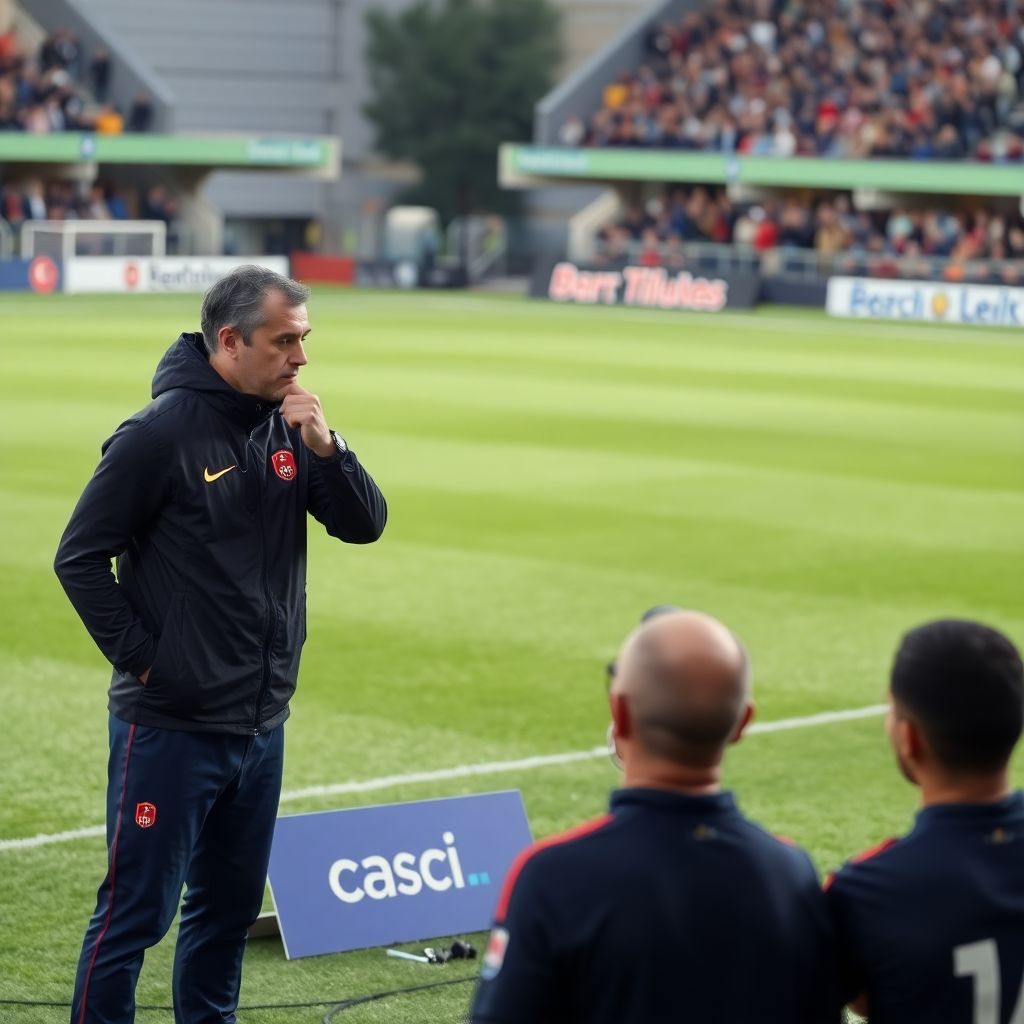
Top Turkish managers abroad blend pragmatic tactics, emotional intelligence, and strong dressing-room control to compete in diverse leagues. Their influence on global football appears in adaptive pressing schemes, creative use of playmakers, and intensive training methods. Success depends on language learning, cultural sensitivity, and realistic career steps such as structured football manager leadership training and UEFA Pro-level education.
Concise coaching principles summary
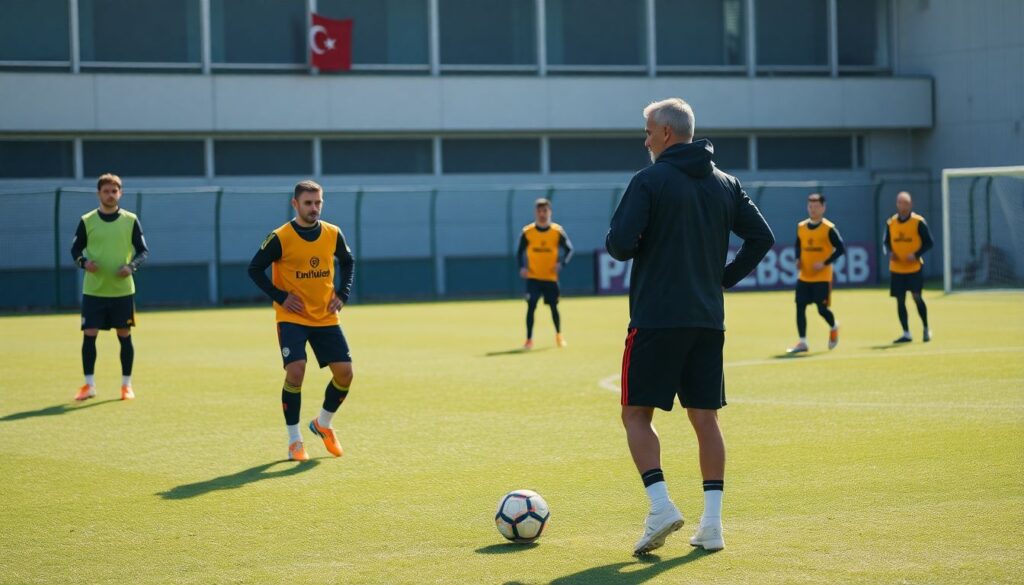
- Turkish coaches abroad succeed when they combine tactical flexibility with disciplined, high-intensity training rather than pure emotion.
- Safe career steps include formal education through sports management and coaching degree programs and elite licences like a UEFA pro license coaching program.
- Language acquisition and staff selection are non‑negotiable for managing dressing rooms and club politics in foreign environments.
- Elite Turkish managers increasingly use data, video, and sports science instead of relying only on instinct or charisma.
- Long‑term influence appears in coaching trees, youth development methods, and tactical concepts adopted by foreign clubs.
- Online learning, such as football coaching courses online, can complement but never replace on‑pitch experience and mentorship.
Dispelling myths about Turkish managers abroad
Discussion about Turkish managers on the international stage often starts from myths: that they rely only on passion, cannot adapt tactically, or struggle with discipline outside Turkey. In reality, the top names who have coached in Europe, the Middle East, and Asia demonstrate detailed preparation, sophisticated in‑game adjustments, and strict training standards.
Another common misconception is that Turkish coaches succeed only in emotionally charged environments with fanatical atmospheres. Their better examples abroad show the opposite: they win players over through clear game models, role definition, and individual feedback sessions. This deliberate, structured approach travels well, even in culturally distant leagues.
A third myth claims their style is incompatible with modern data‑driven football. Yet leading Turkish managers work with analysts, tracking pressing triggers, set‑piece efficiency, and physical output. The limitation is not nationality but access to club resources and willingness to keep learning through seminars, study visits, and targeted football manager leadership training.
It is more accurate to talk about profiles and contexts than stereotypes. Some coaches prioritise dominance in possession, others controlled counterattacks; some thrive in short‑term rescue jobs, others in multi‑year projects. Evaluating them safely means focusing on fit: league style, squad age, board expectations, and support structures around the coach.
Profiles of prominent Turkish coaches on the international stage
While individual careers differ, successful Turkish managers abroad usually show a recognisable set of operational patterns. Understanding these patterns helps clubs and analysts judge whether a particular coach is a safe choice for a given project.
- Clear game model definition – They arrive with a preferred structure (often 4‑2‑3‑1 or 4‑3‑3) but adjust pressing height, build‑up routes, and set‑piece routines to available players rather than imposing a rigid “one system only” idea.
- Strong training micro‑cycles – Sessions tend to be intense and competitive, with frequent small‑sided games and tactical drills. Load management relies increasingly on GPS and fitness data where clubs provide the infrastructure.
- Direct player communication – Even with partial language skills, many insist on one‑to‑one meetings with interpreters, focusing on role clarity, expectations without the ball, and psychological support for key players.
- Collaborative yet firm staff management – Trusted assistants from Turkey are usually brought in to guarantee consistency, then integrated with local analysts and fitness coaches to blend knowledge of the league and the coach’s methodology.
- Context‑sensitive media handling – Abroad, leading Turkish coaches tend to tone down domestic-style confrontations, positioning themselves as serious professionals, protecting changing rooms and taking pressure off squads after defeats.
- Continuous development through education – Many have progressed via a UEFA pro license coaching program, study visits to top clubs, and targeted courses, instead of relying only on former playing careers or domestic reputation.
Core philosophies: tactical patterns, player psychology, and youth development
Turkish coaching philosophies abroad can be grouped into several recurring application scenarios. Each scenario comes with safe practices and clear limitations that clubs should recognise before hiring.
-
Intense pressing with fast transitions
Applied best in leagues where athleticism is valued and squads are relatively young. The philosophy emphasises ball recoveries in midfield and rapid attacks into space. It is safest when pre‑season conditioning is strong and squad depth allows rotation; it can be risky with thin squads or congested calendars. -
Structured possession with a creative “10”
Common where Turkish coaches inherit technically gifted playmakers. The team builds through the thirds, using short combinations until the creative midfielder receives between the lines. This works well against low blocks but requires patience from boards and fans when chance creation is slower than direct football. -
Hybrid wing focus
Many coaches abroad rely on inverted wingers who attack inside while full‑backs provide width. Safe implementation depends on full‑backs’ physical capacity and covering midfielders. Without disciplined rest defence, this approach can expose slow centre‑backs in transition. -
Psychology of confidence and “big game” mentality
Turkish managers are often skilled at preparing teams for decisive matches, using emotional speeches and tight motivational control. Safest usage is targeted: cup ties, derbies, and crucial league fixtures. Overusing emotional peaks can lead to mental fatigue and flat performances in routine games. -
Youth integration with protective framing
A number of Turkish coaches introduce academy players gradually, shielding them from media pressure and giving clear, narrow tasks on the pitch. This works in clubs willing to accept short‑term inconsistency in return for asset development; it is less effective where boards demand instant, stable results. -
Set‑piece detail as a competitive edge
Especially abroad, some Turkish staffs design multiple restarts variants (corners, indirect free kicks, rehearsed throw‑ins). The safe requirement is time on the training ground and video support; if the schedule is overloaded and staff small, attempting complex routines can confuse players instead of helping them.
Practical adaptation: handling language, club culture, and organizational politics
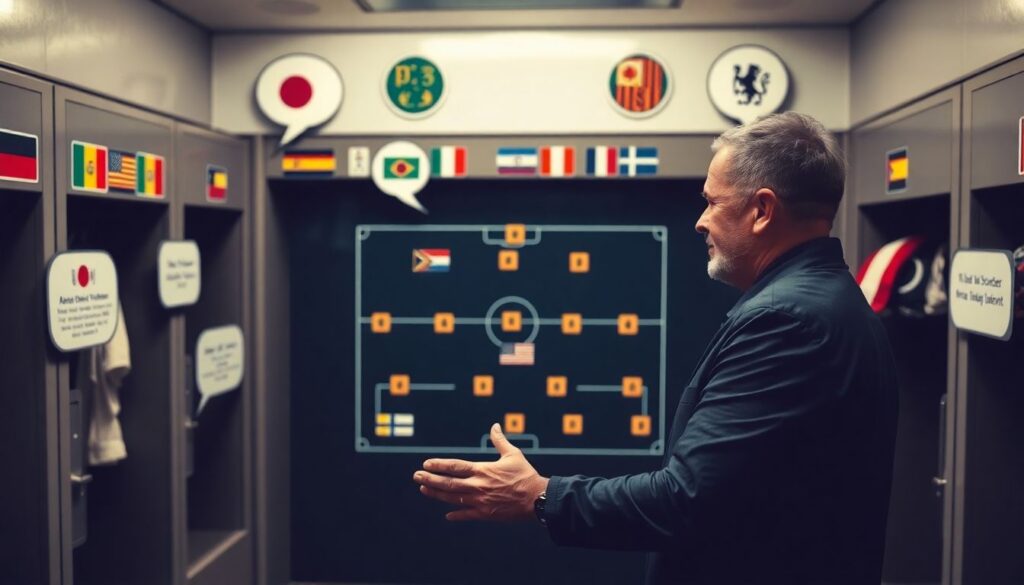
Adaptation off the pitch decides whether philosophies survive first contact with reality. The safest coaches treat language, culture, and politics as part of their tactical plan, not as extras.
Advantages when adaptation is handled well
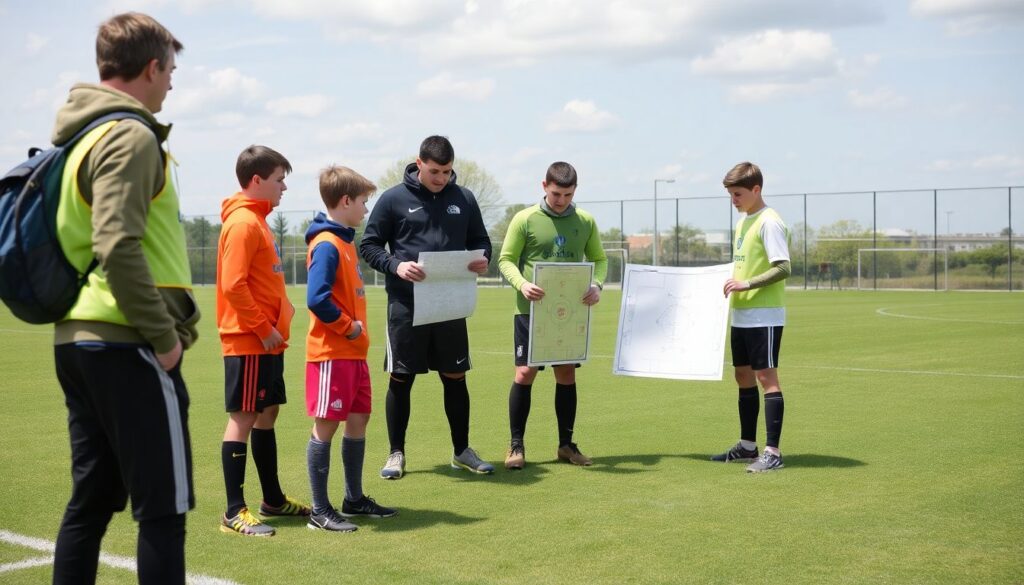
- Faster tactical implementation – Basic football language learned early (key verbs, pitch zones, pressing triggers) reduces miscommunication and speeds up onboarding of the game model.
- Trust with local staff – Respecting existing staff knowledge and including them in decisions creates allies inside the club, protecting the coach during difficult runs of results.
- Smoother dressing‑room dynamics – Understanding local humour, hierarchy, and conflict styles helps avoid accidental disrespect and keeps leaders on the coach’s side.
- Stronger board relationships – Regular, structured briefings with decision‑makers (short reports, clear KPIs, realistic timelines) reduce surprises and public disagreements.
- Better media narrative control – Learning how local journalists operate allows a coach to frame performances accurately, defending long‑term projects against short‑term noise.
Limitations and risks if adaptation is ignored
- Over‑reliance on interpreters – Tactical nuance and emotional messaging can be lost in translation, weakening half‑time talks and individual feedback.
- Cultural misreads – Domestic motivational tools (for example very direct public criticism) may be perceived as disrespect in some leagues, leading to dressing‑room splits.
- Political isolation inside the club – Arriving with a closed staff group and ignoring club insiders can leave a coach without defenders when results dip.
- Inflexible expectation management – Using points totals or timelines that worked in Turkey without adjusting for league difficulty or squad quality creates frustration and impatience.
- Limited attraction to future employers – If a coach is perceived as “difficult abroad”, doors in other countries close regardless of tactical competence.
Quantifying influence: performance metrics, comparative table, and short case studies
Measuring the influence of Turkish managers abroad safely means focusing on trends and relative changes rather than isolated headline numbers. Clubs and analysts should track league position shifts, points per game compared to predecessors, goal difference trends, youth‑minutes accumulation, and the resale value of developed players.
| Manager (example profile) | Clubs abroad (region) | Typical tenure pattern | Win rate pattern | Tactical signature |
|---|---|---|---|---|
| Coach A – possession specialist | Central Europe, Middle East | Multi‑year projects with gradual squad rebuilds | Often improves results steadily after first season | Structured build‑up, patient circulation, creative playmaker focus |
| Coach B – transition and pressing | Top‑flight rescue jobs in Europe | Short to medium tenures focused on stabilisation | Immediate defensive improvement, variable attacking output | Compact block, aggressive counter‑attacks, intense training load |
| Coach C – youth‑development oriented | Smaller clubs in Western Europe | Longer tenures with academy integration | League position modest, financial/value metrics strong | Clear pathway for young players, emphasis on minutes and resale value |
| Coach D – cup competition expert | Various mid‑table sides abroad | Medium tenures built around knockout runs | Stable league performance, standout cup results | Opponent‑specific game plans, conservative rotation in key ties |
Several practical mistakes appear repeatedly when people talk about “success”: using only trophies, ignoring starting conditions, or comparing a Turkish coach directly with global super‑coaches who work with far bigger budgets. Safer evaluation combines performance data with context: wage bill rank, injury lists, scheduling, and internal stability.
- Myth: one tournament run proves global influence
Reality: sustainable progress across seasons and clubs is a better indicator than a single surprise campaign. - Myth: domestic success automatically translates abroad
Reality: language, culture, and board alignment can limit even elite tacticians if neglected. - Myth: “emotional” means “unstructured”
Reality: many Turkish managers use strict micro‑plans while still expressing strong touchline emotions. - Myth: online certificates are enough
Reality: football coaching courses online and sports management and coaching degree programs are useful foundations but must be paired with assistant roles, academy work, and mentorship. - Myth: only big‑name academies produce top coaches
Reality: the best football coaching academy in Europe for a given coach is often the one that matches their language, budget, and access to real teams, not just branding.
Long-term legacy: coaching trees, methods adopted by foreign clubs, and future trends
The deeper influence of Turkish managers abroad appears in how their assistants, analysts, and former players carry ideas forward. Coaching trees form as ex‑players take licensing courses, join staffs in new countries, and adapt principles to fresh contexts. Foreign clubs, in turn, borrow training drills, pressing triggers, and set‑piece routines that proved effective under Turkish leadership.
Future trends point toward even more structured career planning. Young Turkish coaches increasingly combine a UEFA pro license coaching program with internships abroad, short modules at the best football coaching academy in Europe they can access, and blended learning (including carefully chosen football coaching courses online). Safe progression usually moves through four practical steps:
- Gain solid domestic experience in youth or assistant roles, documenting training methods and results.
- Invest in formal education through sports management and coaching degree programs or specialist certificates.
- Seek a first foreign role where expectations are realistic (for example assistant or academy head, not instant head coach of a title contender).
- Build a small, trustworthy staff, learn the local language systematically, and use data to prove influence on performance.
Mini case illustration: A mid‑level Turkish coach moves to a smaller European league as an assistant. In year one, they quietly introduce structured set‑piece work and youth inclusion frameworks, documenting improvements in expected goals from corners and minutes for academy graduates. In year two, the club promotes them to head coach, now supported by staff who understand their approach. Because adaptation, education, and measurement were handled safely, both club and coach reduce risk and create a sustainable platform for future moves in global football.
Practical questions analysts and supporters ask
How can a club safely judge if a Turkish manager fits its project?
Compare the coach’s past contexts with your own: budget level, squad profile, league style, and board patience. Look for evidence of adaptation (language learning, tactical flexibility) and talk to former players or staff about training quality and dressing‑room management.
Do Turkish coaches need experience in Europe before moving to top leagues?
It helps but is not essential. What matters is evidence of handling pressure, improving players, and working in structured environments. Experience in competitive regional leagues plus strong licensing and clear game models can be enough if the destination club provides support.
Which metrics best capture their influence beyond trophies?
Track changes in points per game, goal difference, player development (minutes and resale value), and the team’s ability to compete in big matches. Also note staff promotions and the spread of their methods to other teams as indicators of long‑term influence.
Are online coaching courses a realistic pathway for aspiring Turkish managers?
They are a useful starting point for theory and analysis skills, especially for those far from major cities. However, online study must be combined with on‑pitch practice, observation of experienced coaches, and eventually official licensing to create a credible career path.
What are the biggest risks when a Turkish coach moves abroad for the first time?
The major risks are communication breakdown, unrealistic expectations, and isolation inside the club. Mitigation steps include early language courses, clear written targets with the board, and building bridges with local staff rather than operating as a closed group.
How much does cultural similarity matter when choosing a first foreign league?
Cultural proximity can make the transition smoother, particularly around communication and media handling. Still, the most important factors are club stability, resources, and alignment with the coach’s tactical style; a stable, well‑run club in a slightly unfamiliar culture can be safer than a chaotic “similar” one.
Can a strong domestic reputation compensate for weaker formal education?
Only for a short time. Domestic fame might open doors, but sustained success abroad requires up‑to‑date tactical knowledge, sports science understanding, and leadership skills, which come more reliably from systematic education and ongoing professional development.