From state TV to social feeds: how the story of Turkish football is told
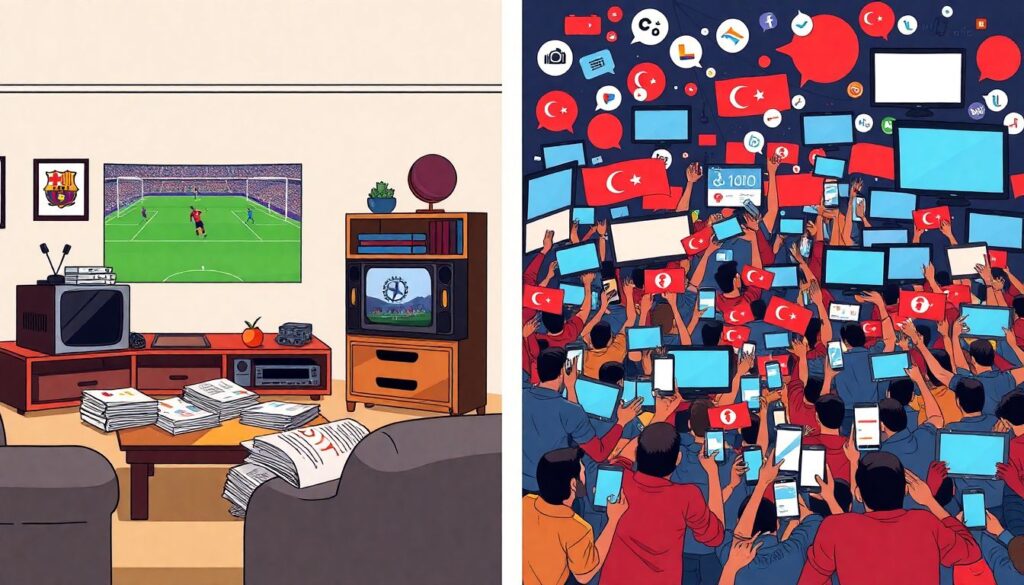
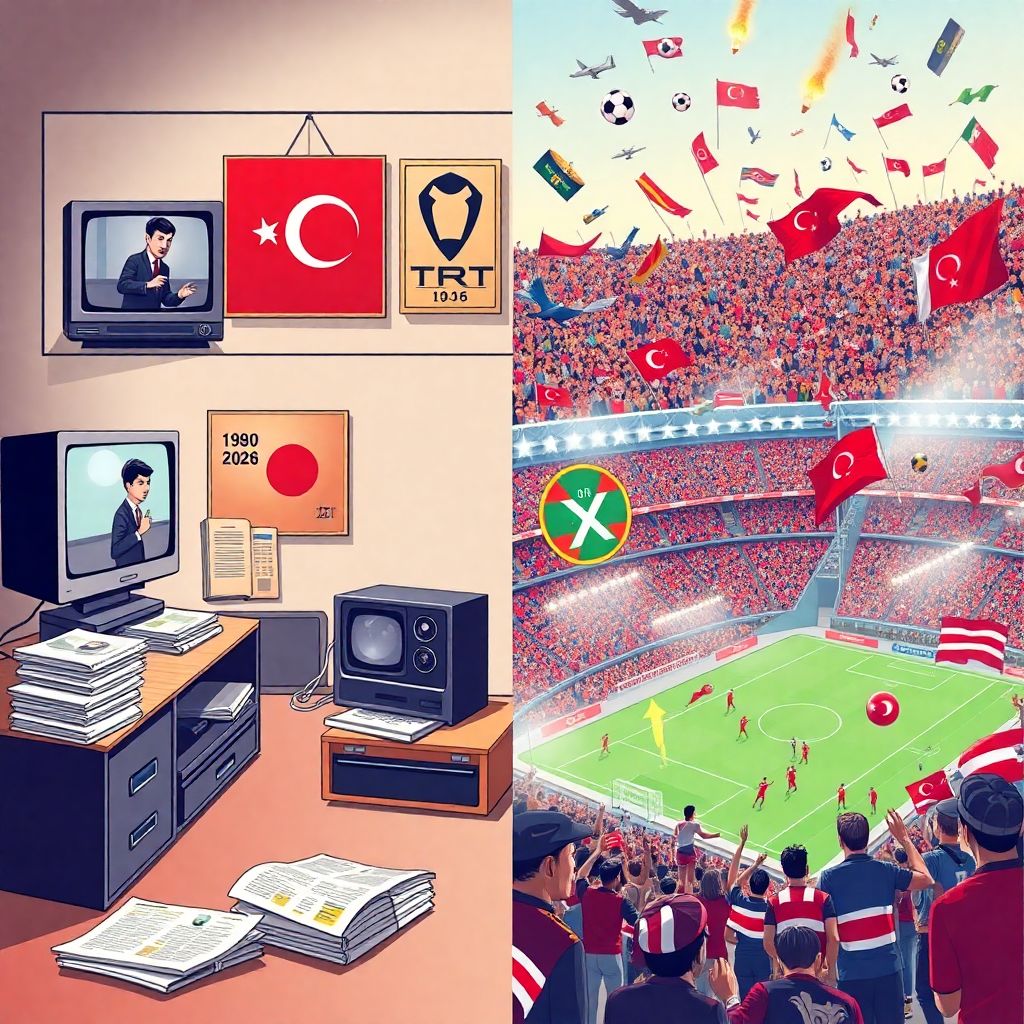
In Turkey, football narratives have moved from a single, state‑controlled voice to a noisy, multi‑platform ecosystem. In the 1980s and early 1990s, fans mainly depended on TRT broadcasts, a few newspapers and evening highlight shows to make sense of the game; the tone was deferential, clubs were portrayed as national “missions”, and criticism of federation or politics stayed cautious. Private TV in the 1990s, plus daily sports papers, made coverage more competitive and sensational, but still relatively centralized. Fast‑forward to Turkish football news today and you get a fragmented, always‑on environment: TV debate shows, YouTube channels, club media, fan podcasts, Twitter spaces and betting apps all fighting to define who is the hero, who is the villain and what each match “means”.
Competing approaches: TV studios, club media and fan‑driven platforms
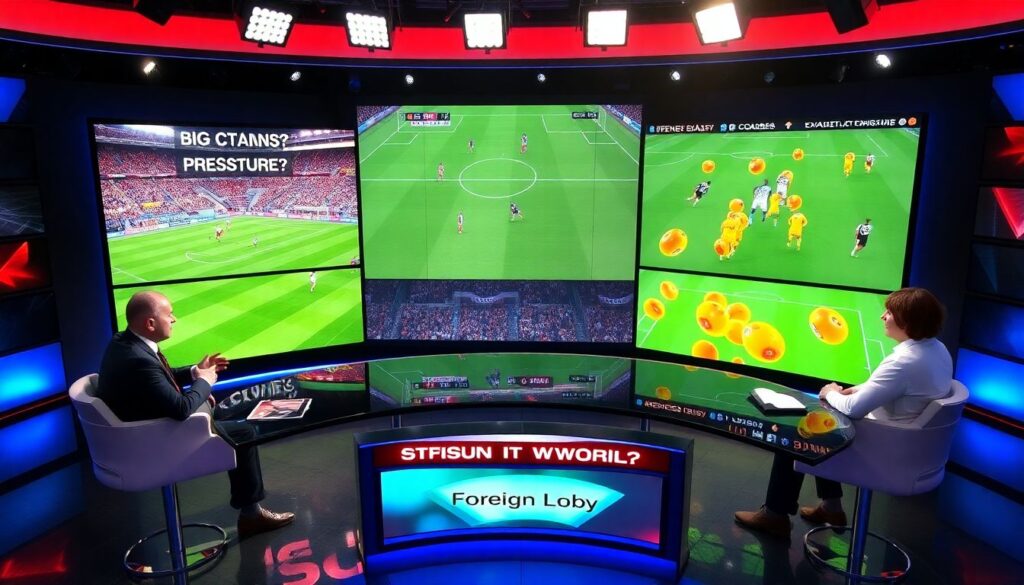
Traditional TV still shapes mainstream opinion, especially via nightly argument‑driven talk shows. These programs use slow‑motion replays, xG models and heatmaps, yet often fall back on familiar tropes: “big club pressure”, “referee conspiracy”, or “foreign lobby” narratives. Their main logic is ratings, so they privilege controversy over nuance. In parallel, club‑controlled media channels produce more polished, brand‑safe content that reinforces loyalty and frames disputes with referees or the federation through the club’s lens. Finally, independent podcasts, YouTube analytics channels and Twitter tacticians offer a more granular, data‑heavy approach, translating metrics into plain language and contextualizing performances beyond simple “heart” or “will” clichés that dominated earlier decades of Turkish football storytelling.
Betting, derbies and the economy of attention
A crucial new layer is the convergence of media with betting and ticketing platforms, which subtly reorients narratives from sporting merit to probabilistic outcomes and consumption. Pre‑match shows increasingly integrate odds, line movement and suggested markets, sometimes provided directly by sponsors or the best Turkish sports betting sites, turning pundits into quasi‑tipsters. Around high‑stakes matches, media outlets highlight dynamic pricing, package tours and even secondary markets for Galatasaray Fenerbahce derby tickets, framing the game as both cultural ritual and premium entertainment asset. This attention economy not only amplifies big‑club bias but also narrows the narrative focus to events that move engagement metrics, pushing long‑term development issues, like youth academies or financial governance, to the margins.
Technology: opportunities and risks in the new media stack
On the positive side, digital tools have massively expanded access and diversity. With legal and grey‑area live Turkish Super Lig streaming options, fans abroad can follow mid‑table fixtures that once went unseen, while second‑screen apps deliver real‑time stats, shot maps and tracking data. This allows analysts and ordinary supporters to challenge simplistic studio takes, producing their own breakdowns using publicly available event data and AI‑assisted video tools. Player‑tracking systems, expected xG models and opponent‑scouting platforms also seep into fan discourse, normalizing terms that used to live only inside clubs. The result is a more informed public conversation, where narratives about “willpower” must at least coexist with discussions of pressing schemes, rest defense and squad load management.
When technology amplifies bias and misinformation
The downside is that the same infrastructure boosts echo chambers and low‑quality content. Algorithm‑driven feeds reward outrage clips, referee compilations and conspiratorial threads more than balanced tactical analysis. Deep‑cut statistics are often cherry‑picked to support pre‑existing club loyalties, turning data into another weapon in tribal wars rather than a tool for understanding. Pirated streams with biased commentary distort perceptions of fairness, while anonymous accounts spread unverified transfer “leaks” that are quickly recycled by minor portals hungry for clicks. Without strong editorial norms, even valuable tools like VAR replay angles or off‑ball tracking videos get framed to feed suspicions about Turkish football TV rights and broadcasters, reinforcing the idea that decisions are politically choreographed rather than the product of human error and complex rules.
How to navigate and choose your information sources
For fans trying to form a coherent view, the key is to diversify inputs and understand each actor’s incentive structure. Traditional TV and big portals provide reach and access to insiders, but their narratives are often optimized for ratings and advertiser comfort. Club channels supply high‑resolution training footage, injury updates and tactical hints, yet obviously filter anything that could damage the brand. Independent creators, especially those transparent about methods and conflicts of interest, usually deliver the most innovative analysis but vary in quality. A practical strategy is to combine one mainstream outlet, one or two analytically minded podcasts and a couple of trusted journalists on social media, then consciously cross‑check emotionally charged claims—especially around referees, match‑fixing and transfer rumors.
Practical tips for a healthier media diet
On a personal level, small habits radically change how narratives affect you. Muting click‑bait accounts, delaying reaction to controversial incidents until full angles are available, and distinguishing between reporting and opinion all reduce manipulation. When consuming content sponsored by betting brands, treat predictions as entertainment, not expertise; verify injury news or lineup “leaks” via multiple sources before drawing conclusions or placing bets. During derbies and title races, intentionally seek long‑form pieces—interviews with coaches, historical retrospectives, financial explainers—because they anchor the emotional intensity in broader context. Over time, this approach trains you to recognize when media frames are inflaming tribal identity versus genuinely deepening your understanding of strategy, governance and culture in Turkish football.
Trends shaping Turkish football media in 2026
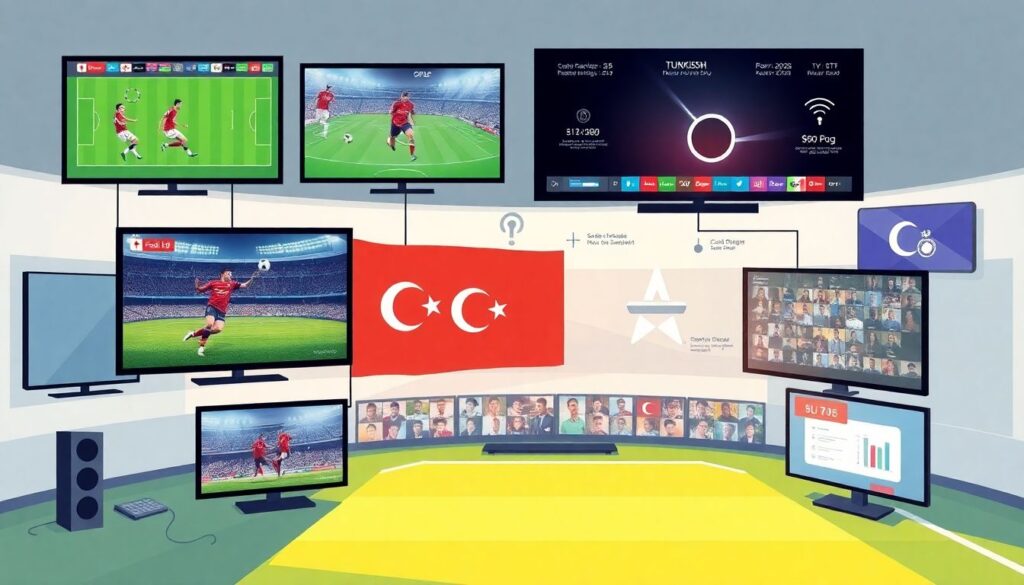
By 2026, several structural shifts are redefining how stories are built and monetized. First, the fragmentation of TV and digital platforms has made negotiations over Turkish football TV rights and broadcasters more complex, with packages split between linear channels, club‑owned OTT services and regional streaming partners. This encourages more niche, language‑specific commentary but also makes it harder for casual fans to follow every competition. Second, AI‑driven highlight generation and automated translations mean that a goal in the Anatolian heartland can trend globally within minutes, feeding international curiosity and cross‑border fandom. Third, the federation and clubs now actively use social media “listening” tools to monitor sentiment, sometimes adjusting communications or even coaching staff decisions in response to online pressure.
What all this means for the future narrative
Taken together, these dynamics suggest that Turkish football narratives will keep oscillating between hyper‑local passion and globalized storytelling. Expect more English‑language channels providing “Turkish football news today”‑style recaps for international audiences, more integration between club content and commercial partners, and heavier use of advanced metrics in prime‑time debates. At the same time, the emotional core—regional identities, historic rivalries, political undercurrents—will remain intact, simply mediated through new formats. The real question is whether journalists, analysts and fans can leverage technology to build a more evidence‑based, self‑aware football culture, or whether the loudest voices will continue to be those that turn every bad pass, whistle and boardroom decision into another episode of perpetual crisis.