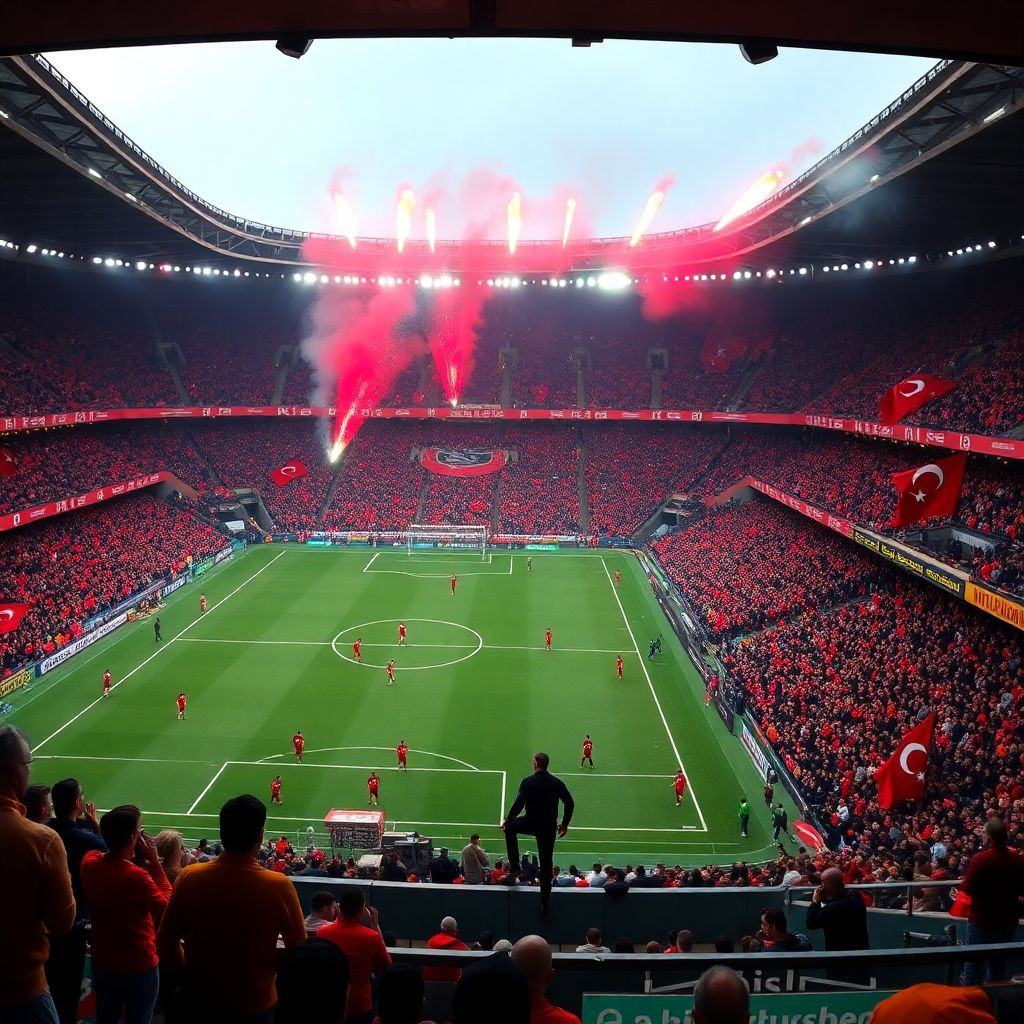
Fan culture and ultras in Turkey shape results by amplifying home advantage, influencing referee perception, affecting player psychology, and steering club decisions on transfers, coaching and branding. Their impact is strongest in derbies, title races and relegation battles, where organized choreography, noise and pressure can tilt otherwise balanced Turkish football matches.
Core Findings on Ultras’ Influence in Turkish Football
- Turkish ultras convert stadiums into intimidating environments that systematically strengthen home advantage, especially in Istanbul and Black Sea cities.
- Organized fan groups indirectly influence tactical choices, coaching stability and youth development through sustained vocal support or visible protest.
- Derbies and European nights show the clearest link between fan intensity and on‑field momentum swings within matches.
- Fan culture adds commercial value via tickets, hospitality, media rights and ultras fan merchandise Turkey football clubs sell worldwide.
- Political entanglements and policing strategies can either stabilize matchday atmospheres or escalate tensions and sanctions.
- Season‑level patterns at major clubs suggest a correlation between cohesive ultras support and stronger home points tallies.
Historical Evolution of Turkish Fan Culture
Fan culture in Turkish football evolved from loosely organized neighborhood crowds into highly structured ultras movements that frame how success is pursued and celebrated. Early decades revolved around local honor and informal chants; today, large groups choreograph visual shows, control drum rhythms and coordinate songs across entire stands.
From the late 1980s and 1990s, groups such as UltrAslan at Galatasaray, Çarşı at Beşiktaş and Genç Fenerbahçeliler at Fenerbahçe gave shape to the modern ultra identity. Their presence altered how clubs planned stadium seating, security and even training schedules, knowing that matchday routines would now include tifos, banners and pre‑kickoff performances.
The shift to all‑seater modern stadiums, combined with digital media, reinforced this culture. Viral videos of choreographies increased global demand for turkish football tickets ultrAs fans cherish, while new arenas like Türk Telekom, Şükrü Saracoğlu and Vodafone Park were explicitly designed to keep noise close to the pitch. Success became inseparable from how intimidating and unified these home stands could become.
Regional differences also matter. In Trabzon and other Black Sea cities, fan culture is intensely local and often tied to city identity, while in Istanbul, fan identities compete inside the same metropolis. These contrasts produce different kinds of pressure on players and staff, but in all cases, ultras serve as gatekeepers of what is considered acceptable effort and ambition.
Mini‑scenario – Istanbul derby day: A coach preparing for a high‑risk away match in Istanbul studies past derby videos not only for tactics but also for how players reacted to crowd surges. Substitutions and time‑wasting plans are adapted around the loudest phases of the opponent’s chant cycles.
Ultras Organizations: Structure, Rituals, and Hierarchies
Ultras operate as semi‑formal organizations that use structure and ritual to maintain constant pressure and support. Understanding these mechanics helps explain why their influence on performance and club policy is persistent rather than occasional.
- Core leadership and capos: Small leadership circles decide choreography, messaging and protest timing. Capos (chant leaders) stand facing the crowd, not the pitch, coordinating songs by megaphone or drums. Their control over tempo directly shapes how noise peaks during critical phases of play.
- Sub‑groups by district or age: Many ultras divide into neighborhood or youth sections with their own banners. This structure mobilizes large numbers quickly for away trips and demonstrations, giving them leverage when demanding coaching changes or voicing dissatisfaction with the board.
- Rituals and matchday scripts: From pre‑game marches to synchronized scarf shows at specific minutes, rituals are designed to frame the match as a shared mission. Players often speak about using the final tunnel moment-hearing the first anthem or drum beat-as a psychological trigger to switch into full focus.
- Visual communication and banners: Banners, two‑sticks and large tifos communicate approval, warning or outright protest. For coaching staffs, reading these signs early in a season can be an early‑warning system about fan patience levels and expectations.
- Digital coordination: Social media groups and messaging apps allow ultras to synchronize chants, flags and in‑stadium actions with pre‑planned cues. This can produce powerful, sustained pressure on referees, particularly when entire stands react in unison to perceived injustices.
- Relations with club management: Some clubs maintain dialogue channels with ultras, negotiating ticket allocations, travel subsidies and messaging boundaries. Where these channels function, ultras energy is more likely to stay aligned with sporting goals rather than turning into constant conflict.
Mini‑scenario – managing a crisis week: After a poor run of form, a sporting director invites recognized ultras leaders for a closed‑door briefing. By explaining the medium‑term plan and asking for ninety minutes of unconditional support in the next home match, the club turns likely protests into a loud, carefully timed show of backing that stabilizes the coach.
Matchday Atmosphere: Tactical and Psychological Effects
On matchdays, ultras influence not only noise levels but also tactical execution and psychological resilience. The same crowd can become either a twelfth man or a source of anxiety, depending on expectations and communication between team, staff and stands.
- Derby pressure and emotional peaks: For matches that trigger global demand-such as when fans search for galatasaray fenerbahce derby tickets-the atmosphere can swing momentum more than in any regular fixture. Aggressive pressing in the opening 15 minutes is often planned specifically to ride the initial emotional wave created by the ultras end.
- Home advantage in European nights: Turkish teams hosting continental rivals often bank on intense choreography and constant chanting to disrupt opponents unused to such proximity and noise. Coaches may instruct defenders to hold a higher line early, betting that the crowd will energize recovery runs and intimidate the opposition’s build‑up.
- Referee perception and marginal calls: Sustained, coordinated reactions to fouls can influence how referees interpret physical duels. While not deterministic, many marginal decisions in the middle third are shaped by the sense of pressure radiating from ultra sections, particularly when noise crescendos exactly as the whistle is raised.
- Sanctioned or empty‑stand matches: When crowd trouble or political tensions lead to partial or full stadium closures, the absence of ultras is felt tactically. Teams that normally feed off chaos must suddenly manage slower tempos and clearer communication, which can favor technically superior but emotionally flatter opponents.
- Hospitality vs. hard‑core ends: In modern stadiums, turkey football match hospitality packages are often located opposite the ultras curve. This creates two distinct soundscapes: a choreographed wall of noise on one side and a corporate, camera‑friendly zone on the other. Smart clubs design sound capture so broadcasts still highlight the ultra‑driven intensity.
- Player development and resilience: Young players introduced at home sometimes struggle with the expectation embedded in ultras’ songs and banners. Clubs that integrate controlled exposure-short substitute appearances in lower‑pressure fixtures-often see better adaptation than those who debut youngsters in full‑heat derbies.
Mini‑scenario – relegation six‑pointer: A coach of a club fighting relegation asks ultras to hold back overt criticism for the first hour, focusing on positive, repetitive chants. Only after the 75th minute do they escalate pressure. This timing allows nervous defenders to settle, reducing early mistakes.
Economic Contributions and Commercial Leverage of Supporter Groups
Ultras and broader fan culture significantly affect the economic ecosystem around Turkish football. Their reputation for passion drives media narratives, tourist interest and commercial partnerships, but it also imposes constraints linked to security and brand risk.
Revenue‑generating channels driven by fan culture
- Ticket demand and dynamic pricing: High‑intensity fixtures, especially Istanbul derbies and European nights, generate strong advance sales and reselling markets. Clubs can experiment with segmented pricing, as loyal ultras occupy lower‑priced singing sections while central blocks and hospitality zones command premium rates.
- Hospitality and experiential products: International fans attracted by televised atmospheres look for turkey football match hospitality packages that promise safe but authentic proximity to singing sections. This allows clubs to bundle guided pre‑match briefings, legend meet‑and‑greets and curated photo points overlooking ultras sectors.
- Merchandising and symbolic goods: Demand for ultras fan merchandise Turkey football clubs produce-scarves, limited‑edition shirts aligned with famous tifos, retro designs linked to iconic seasons-adds a passionate, story‑driven category beyond standard kits.
- Stadium tours and football tourism: The best turkish football stadium tours istanbul typically include visits to ultras sectors, banner storage rooms and drum platforms, turning fan culture into a tourism asset. This can attract non‑matchday revenue through guided experiences and museum exhibits.
- Media and sponsorship appeal: Brands often associate with clubs whose ultras produce memorable atmospheres, since these scenes dominate highlight reels and social media clips. Sponsors buy into the narrative of authenticity and passion, which can increase shirt and perimeter advertising value.
Limitations, risks and hidden costs
- Fines and stadium closures: Pyrotechnics, pitch invasions or offensive banners can lead to fines and partial closures, directly cutting ticket revenue and harming competitive chances at crucial points in the season.
- Security and policing expenses: High‑risk matches require heavy security operations, which increase operational costs and sometimes discourage families or casual fans from attending, narrowing the audience profile.
- Brand safety concerns: Sponsors wary of association with political or violent imagery may limit partnerships, reducing commercial upside from atmospheric value.
- Ticketing conflicts: When clubs attempt to reshape stadium demographics-moving ultras to smaller sections or altering allocation rules-resistance can lead to boycotts that immediately affect gate income and visible atmosphere.
- Dependency on ultra approval: Over‑accommodation can create a perception that ultras veto strategic decisions, deterring long‑term investors and professional staff wary of non‑sporting pressure.
Mini‑scenario – designing a new stadium sector plan: Before finalizing a new stadium, a club models three seating maps: one maximizing hospitality, one maximizing ultra concentration behind the goal, and one hybrid. Simulated revenue and atmosphere footage are compared to decide how much commercial space to sacrifice to preserve a powerful, television‑friendly end stand.
Political Entanglements, Policing and Stadium Safety
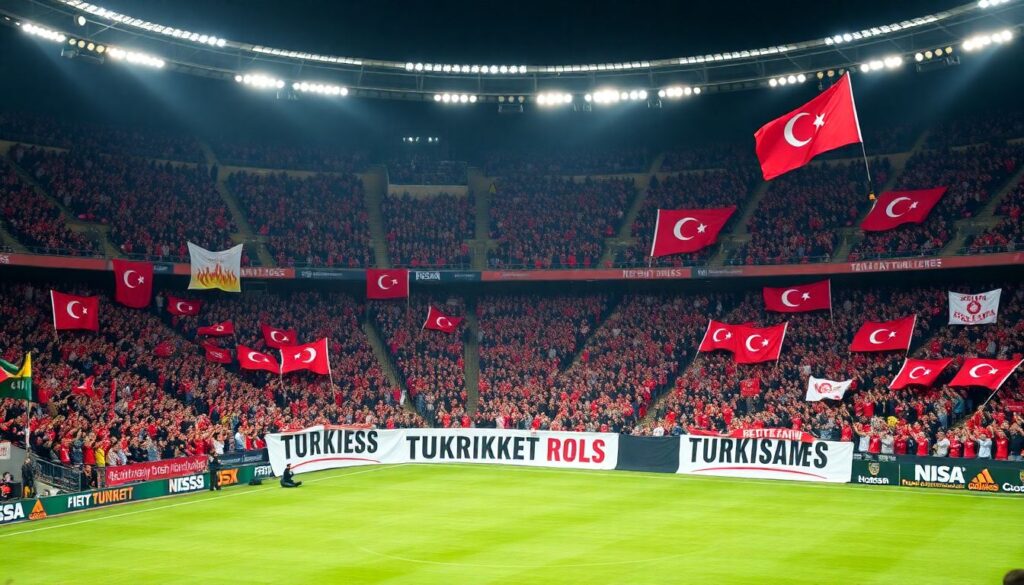
Ultras in Turkey occupy a space where sport, politics and civic life intersect. Misunderstanding this intersection leads to policy mistakes that can weaken both safety and performance.
- Mistake: treating all ultras as a single risk group. Different clubs and regions show very different patterns of behavior and political alignment. Applying identical security protocols everywhere can alienate cooperative groups and miss specific flashpoints unique to certain rivalries.
- Mistake: over‑militarized matchday policing. Highly visible, confrontational policing inside the tribunes can escalate otherwise manageable tensions. For players, aggressive scenes near the pitch can shift focus from the game to concern for family members in the stands.
- Mistake: ignoring legitimate fan grievances. When ticket policy, access systems or governance changes are imposed without consultation, ultras may respond with organized protests that include in‑game silence or walk‑outs. This directly undermines home advantage in key fixtures.
- Myth: political activism always harms sporting success. Some groups combine civic engagement with disciplined in‑stadium support. The key variable is not whether fans are politically active but whether they can separate long‑term disagreements from ninety minutes of backing during matches.
- Myth: strict identification systems automatically improve safety. Technology systems that feel punitive can push hardcore fans to informal spaces around the stadium instead of inside, shifting risk to less controlled environments while simultaneously weakening in‑stadium atmosphere.
- Mistake: banning dialogue after any incident. Cutting communication with ultras following isolated episodes removes channels that are essential to de‑escalation. Structured post‑incident debriefs often help rebuild trust and co‑create new codes of conduct.
Mini‑scenario – de‑escalating a tense derby build‑up: In the week before a politically charged derby, club officials, city authorities and recognized fan leaders meet to agree on march routes, pyro limits and messaging lines. Clear agreements, publicly communicated, reduce surprise escalations on matchday.
Quantifying Impact: Correlations Between Fan Intensity and Club Performance
Measuring the impact of ultras on performance is complex but possible with careful use of season‑level data and contextual knowledge. Rather than relying on isolated anecdotes, analysts can look for consistent patterns across multiple campaigns.
For example, an analyst studying Galatasaray might compare home points per game over several seasons in the old Ali Sami Yen versus the newer Türk Telekom stadium, annotating seasons with particularly cohesive or conflictual ultras‑club relations. Similar timelines can be built for Fenerbahçe at Şükrü Saracoğlu and Beşiktaş at İnönü/Vodafone Park, focusing on how coaching changes and fan sentiment align with home form swings.
A simple conceptual workflow could be written as:
For each season:
  Track home points per match
  Mark major ultras events (boycotts, protests, choreo campaigns)
  Control for squad strength and coach tenure
  Look for repeated patterns:
    - Cohesive support + stable coach → stronger home form
    - Boycotts / empty stands → weaker home form
Use patterns as soft evidence, not as strict causation.
Clubs can then cross‑check quantitative signals with qualitative insights from staff and players. If multiple seasons show dips in home performance coinciding with internal conflicts in the stands, it becomes rational to invest time and resources in repairing these relationships as part of performance management.
Mini‑scenario – analyst preparing a board report: Ahead of a strategic review, a head of analytics adds a dedicated slide correlating home performance with major ultras phases over five seasons. Rather than blaming fans, the slide frames supporter relations as a controllable variable alongside recruitment, coaching continuity and medical management.
Action Checklist for Clubs and Analysts
- Map key ultras groups, their leaders and rituals for your club and main rivals; update this map every season.
- Integrate crowd‑related variables (derby status, sanctions, boycotts) into match preparation and performance analysis.
- Design stadium and ticketing policies that balance atmosphere, safety and commercial goals instead of maximizing only one dimension.
- Maintain structured communication channels with fan leaders, especially during crises or major strategic shifts.
- Use multi‑season data to test whether changes in fan relations correlate with shifts in home form, and adjust club strategy accordingly.
Practical Questions from Coaches, Analysts and Club Managers
How should a coach practically prepare players for an intense ultras atmosphere?
Use video clips of previous high‑intensity matches in the same stadium, combined with noise simulations during training. Set clear communication rules (hand signals, pre‑agreed cues) so players can execute tactics without needing to hear every instruction from the bench.
Can clubs influence ultras behavior without losing independence or credibility?
Yes, by building long‑term, transparent relationships rather than transactional favors. Share medium‑term sporting plans, clarify non‑negotiable boundaries (safety, discrimination) and invite input on matchday experience while keeping final decisions with professional management.
What data should analysts collect to study fan impact on performance?
Track home and away points per game, goal differentials, referee cards and key incidents, annotating matches with crowd‑related notes such as boycotts, stadium closures or major choreographies. Combine this with internal assessments of player psychology and perceived pressure.
How can commercial teams monetize ultras culture without provoking backlash?
Co‑create selected products and campaigns with recognized fan groups, ensuring that core symbols and slogans are used respectfully. Limit direct commercialization of sacred elements, focusing instead on storytelling, behind‑the‑scenes content and limited‑edition items that celebrate, not exploit, ultras identity.
What is the best way to integrate families and international tourists into ultra‑heavy stadiums?
Design clear zoning: dedicated singing sections for ultras, family blocks with enhanced services, and hospitality areas that still benefit from but are not overwhelmed by noise. Tailor stadium tours and pre‑match explanations so newcomers understand rituals and feel safe participating.
How should club boards react to coordinated ultra protests against a coach?
Distinguish between short‑term frustration and long‑term loss of trust. Engage in dialogue to understand core complaints, but evaluate coaching decisions primarily on performance data and internal assessments, not on a single protest night.
Do stadium bans and heavy policing usually improve or harm team performance?
They may reduce certain risks but often weaken home advantage and increase stress around the club. Decisions on bans and policing intensity should weigh security needs against competitive impact and consider alternative de‑escalation strategies.