
Why Youth Academies Matter More Than Ever in Turkey
If you look at today’s Super Lig line‑ups, it’s obvious: the real action starts long before the TV cameras, inside youth academies dotted across the country. A modern football academy in Turkey is not just a training ground; it’s a structured system that mixes schooling, physical development, tactics and psychology into one daily routine. Instead of the old “talented kid from the neighbourhood” myth, clubs now rely on data, long‑term planning and clear progression paths from U10 all the way to the senior squad. In 2026, these systems are finally mature enough that we can see a steady conveyor belt of young players replacing expensive foreign signings, changing how clubs think about budgets and identity.
Key Terms: From Youth Setup to Super Lig Contract
To follow how Turkey’s youth academies are shaping the next generation of Super Lig stars, it helps to clarify the jargon. A “youth academy” is the entire infrastructure for ages roughly 8–19, including coaches, analysts, teachers and medical staff. “Development squad” usually means U19 or reserve teams that train almost like professionals but still focus on learning. When people talk about super lig youth academy trials, they mean short selection periods where hundreds of kids are tested in fitness, technique, game intelligence and mentality. Finally, “pathway” is the planned route from junior levels to a professional contract, ideally with defined milestones such as minutes in U17, loans to lower leagues, and staged integration into the first team.
How a Modern Turkish Academy Is Structured
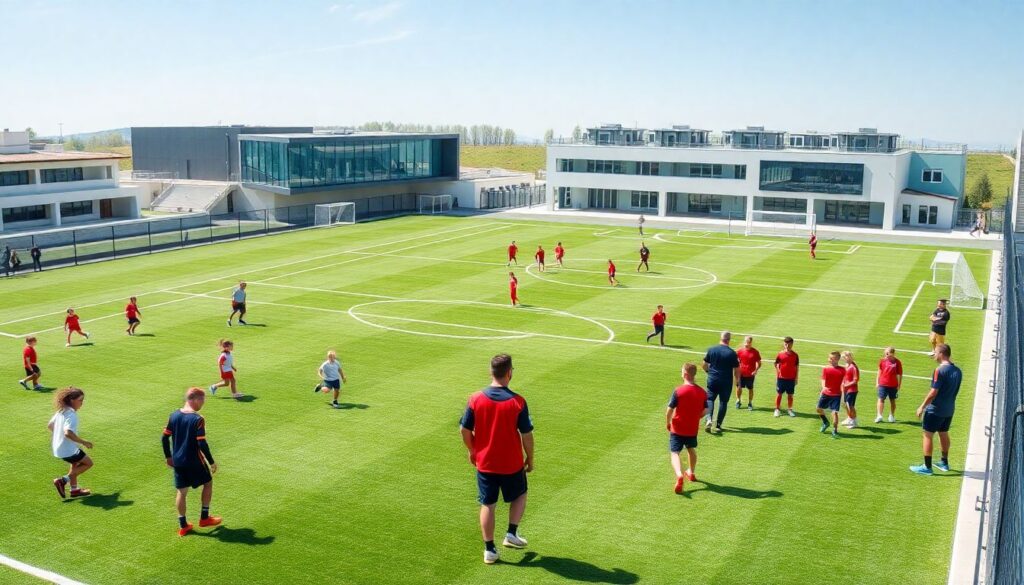
If you walked into a top football academy turkey clubs run today, you’d see something closer to a campus than a simple pitch. Younger age groups work mostly on coordination, ball mastery and enjoyment, while mid‑teens shift towards tactical roles, position‑specific skills and video‑based learning. Older age groups follow weekly schedules almost identical to the pro team: double sessions, gym work, recovery protocols and match analysis. Academies now coordinate tightly with schools, using individual study plans to avoid burnout. The key difference from a decade ago is integration: medical, scouting, coaching and analytics talk to each other daily, so decisions about a player’s workload and future aren’t made in isolation anymore.
Text Diagram: From Street Footballer to Super Lig Debutant
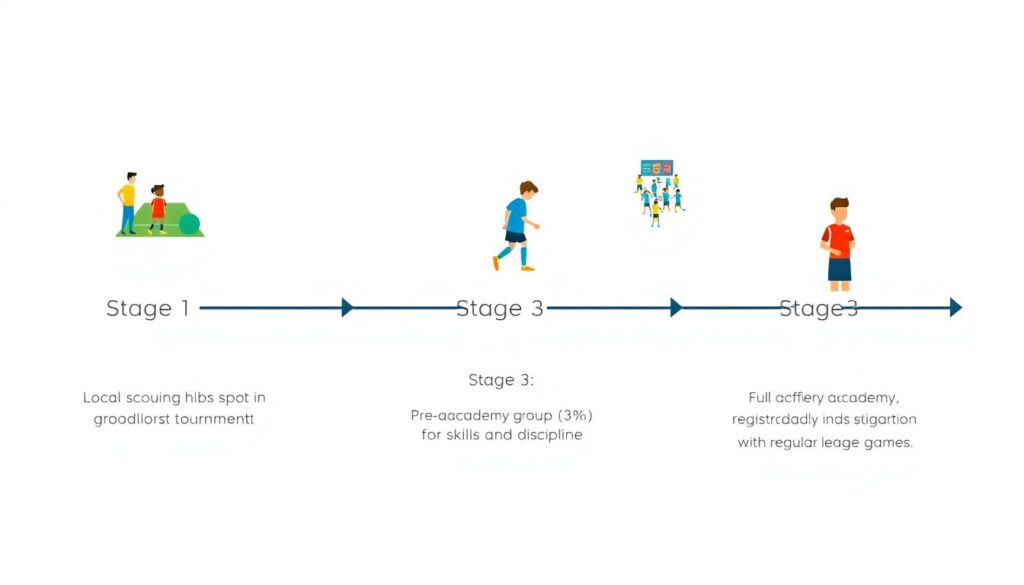
Imagine a simple timeline diagram described in text. Stage one: local scouting hubs spot a player in school or grassroots tournaments. Stage two: the kid joins a pre‑academy group for six to twelve months, focusing on skills and discipline. Stage three: full academy registration with regular league games and position training. Stage four: promotion to U19 or reserve team with exposure to first‑team coaches. Stage five: loan to a lower‑division side for real‑world pressure. Stage six: bench appearances in the Super Lig, then gradual increase in minutes. Each arrow in this “diagram” represents feedback loops: performance data, psychological evaluations and medical reports constantly update whether the player moves forward, repeats a stage or is redirected to another path.
Comparing Turkey’s Model with European Powerhouses

Turkish clubs spent years admiring the La Masia model at Barcelona or the academy structures in Germany and the Netherlands. The gap is smaller now, but still visible. Unlike the best soccer academies in turkey, elite Western European academies usually benefit from richer local amateur leagues, more advanced sports science labs and deeper cooperation with universities. However, Turkey’s advantage is volume and passion: huge urban populations and a culture that lives and breathes football. While Germany excels at systematised player roles, Turkish academies increasingly focus on creativity in tight spaces and resilience under pressure, aligning with the intense atmosphere of the Super Lig. The result is a hybrid profile: tactically schooled but emotionally prepared for high‑stakes derbies.
Diagram in Words: Resource Focus – Turkey vs Western Europe
Picture a three‑column bar diagram described verbally. Column one, “Infrastructure”, stands higher in Western Europe: more indoor halls, better pitches, larger analysis teams. Column two, “Raw Talent Pool”, is taller for Turkey, reflecting a larger base of eager young players, especially in big cities like Istanbul and Ankara. Column three, “Playing Opportunities”, is starting to even out, as the Super Lig and 1. Lig use more local youth than five years ago. While European giants still lead in total resources, the gap in columns two and three forces Turkish clubs to double down on efficient use of talent rather than trying to outspend richer leagues on facilities alone.
Trials, Camps and the Business Side of Development
Behind the scenes, there is now a semi‑professional ecosystem around talent identification. Official club trials sit alongside private super lig youth academy trials that promise exposure to scouts, although not all of them are reputable. Professional football training camps turkey has embraced cater to both domestic and international players, mixing high‑intensity sessions with fitness testing and video portfolios. On the positive side, this widens the search net and standardises certain evaluation criteria. On the negative side, families can overspend chasing dreams without understanding that clubs still care most about long‑term consistency, attitude and adaptability rather than a single flashy week at a commercial camp.
How to Join a Football Academy in Turkey – In Practice
For families wondering how to join a football academy in turkey, the process in 2026 is more transparent than it used to be, but still competitive. The most reliable route is to start in a local school or municipal team, then attend officially announced club scouting days published on club websites and federation channels. If invited to a trial block, players undergo technical drills, small‑sided games and sometimes psychological questionnaires. Successful candidates enter pre‑academy groups with probationary status before full contracts. Private camps can help with fitness and exposure, but they should be treated as supplements, not magic tickets. Parents need to look for clear partnerships with recognised clubs and check whether coaches are licensed by the Turkish FA or UEFA.
Real Examples: From Academy Corridor to Super Lig Spotlight
You can see the impact of this system in the current crop of Super Lig prospects who debuted around 2024–2026. Several clubs have quietly redesigned their line‑ups, giving 18‑ to 20‑year‑olds meaningful minutes instead of token appearances. These players often share similar stories: starting at small district teams, moving to a major club’s academy by age 13–14, then spending a season on loan in the 1. Lig to harden their decision‑making and physicality. The difference today is planning; loans are chosen to match a player’s style, and academy coaches stay in contact with the loan club. By the time these youngsters return, they already understand professional routines, making their transition to Super Lig football less of a shock and more of a logical step.
Common Pitfalls and How Academies Are Responding
Despite progress, Turkey’s system still battles familiar issues: late specialisation, over‑reliance on early physical maturity and patchy education for those who don’t make it. Some academies historically chased results in youth leagues instead of development, leading to risk‑averse tactics and limited creativity. Since around 2023, several major clubs have flipped their metrics: coaches are evaluated on how many players graduate upwards, not just how many trophies they win at U15. Sports psychologists are now a standard presence, working on confidence, emotional control and dealing with online criticism. With social media amplifying every mistake, academies need to protect young athletes from burnout and help them build identities that aren’t tied solely to match performance.
Future Outlook: What Turkish Academies Will Look Like by 2030
Standing in 2026, we can sketch a realistic forecast. Over the next four to five years, data‑driven decision‑making will embed itself deeper into academy culture: wearable tech will track training loads from U12 upward; AI‑assisted video tools will highlight patterns in positioning and pressing. By 2030, the best soccer academies in turkey are likely to operate as regional hubs that serve multiple smaller clubs, sharing analytics, rehab and coaching education. Expect more cooperation with European partners but on more equal terms, with Turkish clubs trading developed players rather than just buying finished products. If current trends continue, Super Lig squads could feature starting elevens where at least half the players are academy graduates, stabilising club finances and giving the league a stronger identity on the global stage.
What This Means for Young Players and Families Today
For ambitious youngsters, Turkey’s academies now offer clearer paths than ever, but also demand more professionalism at an earlier age. Technical flair alone is no longer enough; nutrition, sleep, school performance and mental resilience all factor into selection decisions. Families who understand how the system works in 2026 can make smarter choices: prioritising reputable club pathways, balancing education with training and using camps as targeted tools rather than desperate gambles. If this mindset spreads, the next decade should deliver not just more Super Lig stars, but also a generation of better educated, more grounded athletes who can handle the demands of modern football, whether their careers stay in Turkey or expand across Europe.