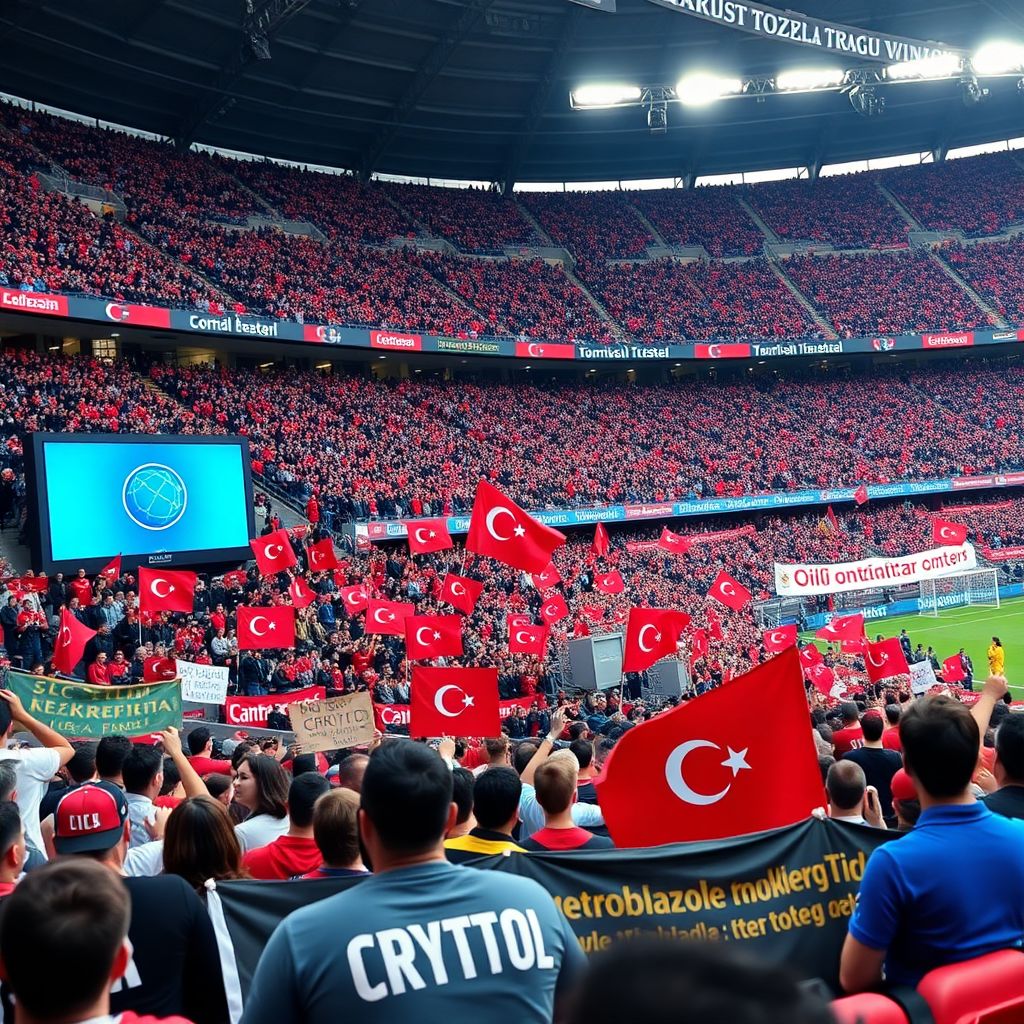
Globalization is reshaping Turkish fan culture by blending traditional ultras with digital fandom, global aesthetics and financial products like fan tokens. Terrace groups borrow chants and choreographies from abroad, online communities amplify every trend, and crypto-linked schemes monetize loyalty. The main mistakes are copying models blindly and ignoring legal, financial and ethical risks.
Core shifts in Turkish fan culture under globalization
- Ultras aesthetics and chants now mix Italian, Balkan and Latin American influences with uniquely Turkish political and social references.
- Digital fandom on Twitter, Instagram, YouTube and Discord often sets the agenda faster than stadium groups.
- Fan tokens Turkey projects and similar blockchain tools commercialize everyday supporter interactions.
- State policy and policing strongly shape what is visible in stadiums versus online spaces.
- Turkish diaspora communities create new transnational fan circuits, from Berlin to the Gulf.
- Monetization has shifted from pure ticket and scarf sales to sponsorships, crowdfunding and data-driven offers.
Transnational influences on Turkish ultras and choreographies
Turkish ultras are long-standing, highly organized supporter groups known for intense atmosphere, large banners and choreographed displays. Under globalization, these groups increasingly operate in a transnational field: they watch, copy and adapt practices from other leagues while exporting their own style via social media and televised matches.
Choreographies now reference global pop culture, international political events and other famous ultra groups. You might see a tifo inspired by Latin American barras bravas, an Italian-style slogan, or a visual reference to a Netflix series, all reworked with local club and city symbolism. Similar hybridization appears in chants and drum rhythms.
The boundary between original and copied material has become fuzzy. A chant that began in Argentina can be translated into Turkish within a week, go viral on YouTube, and then be adopted by several clubs. At the same time, Turkish groups inspire others; clips of choreographies circulate among European and Middle Eastern fans as templates.
Common mistakes and quick preventions for ultras and choreo teams:
- Uncritical copying of foreign symbols. Mistake: using logos, flags or political imagery whose meanings you do not fully understand (e.g., far-right symbols from Europe). Prevention: research every symbol; if in doubt, drop it or ask knowledgeable supporters before printing.
- Over-complex tifos with weak logistics. Mistake: planning huge displays without sufficient volunteers, money or rehearsal, leading to chaos on match day. Prevention: start from capacity, not from ambition; prototype on a smaller block, test folding systems, and assign clear roles.
- Ignoring local identity. Mistake: chants, banners and visual style that feel like a copy of an Italian or Balkan group, with little reference to the city, language or club history. Prevention: for every imported element, add at least one local reference (neighborhood, slang, historic match) to keep authenticity.
- Poor digital secrecy. Mistake: leaking sensitive plans (pyro, protest banners) in public Telegram or Twitter spaces that police also monitor. Prevention: separate public propaganda channels from small, vetted organizing chats; use time-limited links and strict moderation.
Practical implication for groups and clubs: Supporter groups should treat foreign influences as a toolbox, not a blueprint. Clubs that cooperate (without trying to control) can help with safe materials, storage and funding while leaving creative direction to fans, reducing both safety risks and empty copy-paste choreographies.
Digital platforms and the transformation of supporter rituals
Digital platforms rewire how fans coordinate, argue, celebrate and protest. Traditional weekly match-day rituals now extend into 24/7 online cycles that strongly influence how stadium culture looks and feels.
- Always-on conversation. Twitter (X), Instagram and fan forums keep debates alive between matches. Meme wars, tactical analyses and transfer rumors shape fan mood before anyone enters the stadium.
- Algorithm-driven visibility. Content that triggers strong emotions (anger, humiliation of rivals, sensational banners) is favored by algorithms. This can push groups to stage louder, riskier or more extreme actions to gain reach.
- Livestreamed fandom. YouTube and Twitch watch-alongs turn individual viewing into communal rituals. Streamers act as informal opinion leaders, sometimes rivaling traditional fan leaders in influence.
- Private micro-communities. WhatsApp, Telegram and Discord servers connect niche sub-groups (tifo teams, away-day planners, analytics geeks), creating new internal hierarchies and sometimes parallel “digital ultras” structures.
- E-commerce integration. Turkey football fan merchandise online is now sold via club stores, marketplace platforms and informal Instagram shops, merging fandom with influencer and resale cultures.
- Data traces and surveillance. Every post, chant video or complaint leaves digital evidence that can be used by clubs, sponsors or authorities to reward, monitor or punish supporters.
Typical mistakes in digital fandom and how to prevent them quickly:
- Over-trusting anonymous insiders. Mistake: acting on “leaks” from unknown Twitter accounts about bans, police restrictions or ticket changes. Prevention: cross-check with official club or federation channels and at least one established supporter association before mobilizing.
- Posting self-incriminating content. Mistake: uploading clear-face videos of pyro, clashes or vandalism. Prevention: blur faces, avoid uploading sensitive footage yourself, and discourage friends from tagging you in risky material.
- Harassment disguised as banter. Mistake: targeted abuse of players, staff or rival fans that can escalate to legal issues or platform bans. Prevention: set internal norms in supporter groups; remind members that “banter” online is still traceable speech.
- Buying fake or unsafe merchandise. Mistake: ordering low-quality or counterfeit items from random sellers advertising Turkey football fan merchandise online, risking scams or unsafe materials. Prevention: prefer official club stores and well-reviewed fan sellers; avoid pre-paying large sums to new accounts.
Practical implication for clubs and organized fans: Both sides should treat digital spaces as extensions of the terrace. Clear codes of conduct, verification of key channels, and basic digital security training help avoid conflicts that start online and spill into the stadium.
Fan tokens, blockchain and the commercialization of loyalty
Fan tokens and similar blockchain tools try to convert supporter passion into tradeable digital assets. In Turkey, several big clubs have partnered with international platforms offering crypto fan tokens for football clubs, promising engagement, partial “voice” and potential profit.
- Voting and polls. Fans who buy Galatasaray fan token or similar products for other clubs are often told they can vote on sleeve designs, warm-up music or “fan experiences”. These are usually symbolic, not decisive sporting choices.
- Exclusive content and access. Token holders may get early access to interviews, behind-the-scenes videos or limited draws for meet-and-greets and VIP match packages.
- Discounts and merchandise links. Some schemes tie tokens to discounts on tickets, store items or cross-promotions with sponsors, blending them into broader loyalty programs.
- Speculation and trading. Tokens trade on exchanges, with prices influenced more by crypto market volatility than by team performance. Many fans treat them like short-term investments, not long-term membership tools.
- Gamified missions. Apps reward users for quizzes, predictions or social sharing, distributing small amounts of tokens or points for ongoing engagement.
Common mistakes around fan tokens Turkey projects and quick preventions:
- Confusing tokens with club shares. Mistake: believing tokens give ownership or real governance rights. Prevention: read official terms; assume tokens are closer to premium loyalty points than to stock.
- Investing money you cannot lose. Mistake: treating tokens as guaranteed profit based on club size. Prevention: only spend sums you would be comfortable losing on a scarf or match ticket; treat it as consumption, not investment.
- Ignoring platform risk. Mistake: assuming a single provider of crypto fan tokens for football clubs cannot fail or change rules. Prevention: diversify platforms, withdraw unused balances when possible, and follow regulatory news in Turkey and the EU.
- Over-targeting younger fans. Mistake: pushing token offers heavily to teenagers via influencers. Prevention (for clubs): add clear warnings, limit leverage products, and communicate that tokens are optional, not a requirement for being a “real fan”.
Practical implication for clubs and fans: Clubs should frame tokens transparently as optional extras with limited rights, while supporter groups can publish short guides explaining risks. This reduces disappointment and protects vulnerable fans from speculative hype.
Mini-scenarios: applying concepts in real supporter life
The following short scenarios illustrate how these mechanisms play out in practice and how quick decisions can prevent larger problems.
- Scenario: last-minute away trip. A group organizes Turkish ultras tickets and fan tours to a European away match. They coordinate on Telegram, copy a famous South American chant from YouTube, and plan a tifo with borrowed political symbols. By running a 10-minute symbol check and asking a trusted diaspora contact, they avoid accidentally displaying extremist imagery at a high-profile UEFA game.
- Scenario: token drop during a crisis. After a poor run of form, a club launches a fan token promotion. Anger on Twitter quickly mixes with people shilling the token as a “buy the dip” investment. A supporters’ association posts a two-paragraph explainer about risks, shifting the conversation from hype to informed choice.
- Scenario: viral harassment clip. A meme account posts a video mocking an injured rival player, which goes viral. Club officials quietly contact prominent fan pages, asking them to stop sharing it. By reacting within hours, they limit reputational damage and show sponsors they take ethics seriously.
State policy, policing and the public visibility of fandom
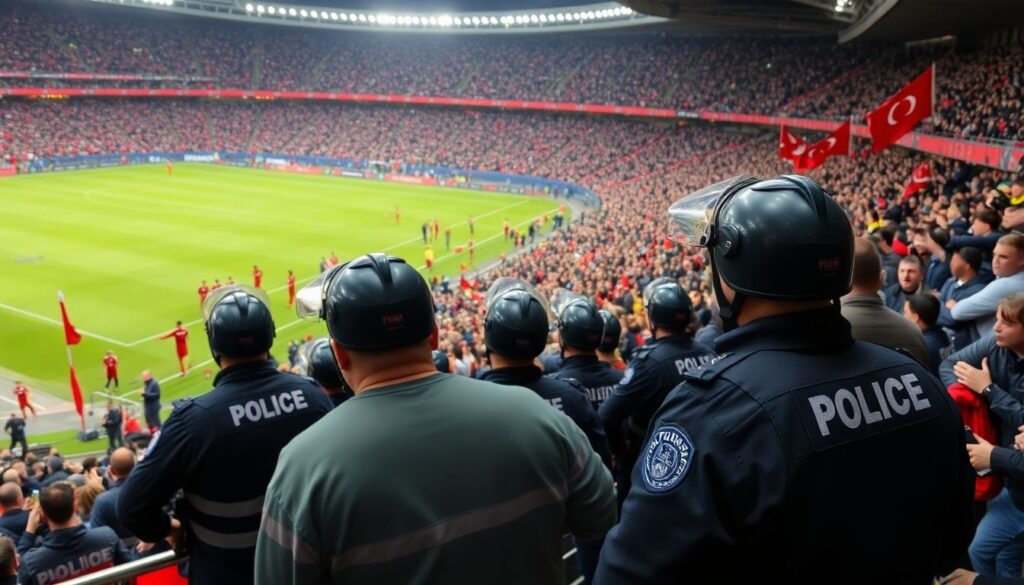
In Turkey, state institutions, football authorities and police have an unusually strong role in regulating how supporter culture appears in public. Laws on crowd control, security, expression and digital activity intersect with club policies and stadium technology (CCTV, e-ticketing, ID cards).
This produces a tense balance: authorities seek security and control, while fans defend spontaneity, political speech and collective identity. Compared with some Western European leagues, Turkish authorities intervene more directly in banners, chants and fan mobility, while being more tolerant than some Gulf states in specific areas.
Benefits of current policy and policing for fan culture
- Reduced large-scale disorder at major derbies. Tight control of away allocations, transport and kick-off times has limited the biggest outbreaks of violence in certain high-risk fixtures.
- Clearer stadium security standards. Standardized entry procedures, CCTV and steward training can make many fans, especially families, feel safer attending games.
- Better documentation of incidents. Video and digital records can help identify specific individuals responsible for serious offences, protecting wider groups from collective punishment.
Constraints and risks for contemporary supporters
- Chilling effect on political or critical expression. Fans may self-censor banners and chants that touch on social or political themes for fear of bans or legal consequences.
- Collective sanctions for individual actions. Entire blocks or groups can face restrictions because of a small number of offenders, deepening mistrust between ultras and authorities.
- Data and privacy concerns. E-ticketing, ID-based entry and social media monitoring create detailed profiles of active fans, raising concerns about blacklists and disproportionate penalties.
- Uneven enforcement. Perceived double standards between clubs or groups fuel narratives of injustice, which can radicalize some supporters instead of calming them.
Practical implication for clubs, authorities and fans: Clear, negotiated rules and transparent sanction processes reduce resentment. Supporter liaison officers and independent legal support groups can help fans understand boundaries, appeal decisions and avoid escalating conflicts with police.
Diaspora, migration and the cross-border circulation of fandom
Large Turkish communities in Germany, the Netherlands, France and the Gulf have turned club identities into transnational brands. A fan in Cologne or Doha may feel as attached to a club from Istanbul or Anatolia as locals, while also attending matches of European teams.
Media, cheap flights and social platforms allow diaspora fans to travel for key fixtures, join choreographies and bring back chants, banners and habits from their second “home” leagues. This cross-pollination makes Turkish fan culture more diverse but also more complex to coordinate and represent.
Frequent myths and mistakes about diaspora fandom:
- Myth: diaspora fans are less “authentic”. Mistake: treating them as tourists or cash cows. Prevention: integrate diaspora groups into planning for tours, friendlies and tifo projects; recognize their logistical and financial contributions.
- Myth: one-size-fits-all messaging abroad. Mistake: using the same political or social messages in Germany and Turkey without considering local laws and sensitivities. Prevention: consult local fan groups and legal advisers; adapt banners and chants to context.
- Myth: migration only influences money, not culture. Mistake: ignoring how diaspora styles of protest, anti-racism and inclusion can enrich local terraces. Prevention: invite diaspora groups to share best practices on anti-discrimination, fan projects and community work.
- Myth: diaspora is only a marketing channel. Mistake: focusing solely on shirt sales or pre-season tours. Prevention: support fan clubs abroad with materials, visits and structured dialogue, not just product pushes.
Practical implication for clubs and associations: Treat diaspora supporters as co-creators of fan culture. Joint projects (e.g., tifo exchanges, youth tournaments, charity campaigns) can turn migration from a branding slogan into a lived, mutually beneficial relationship.
Monetization models: sponsorships, crowdfunding and grassroots finance
Beyond tickets and classic merchandise, Turkish clubs and supporter groups increasingly rely on sponsorship deals, structured crowdfunding and small-scale grassroots finance. Digital payment tools make it easy to collect small contributions from many fans for specific projects.
Typical channels of monetization:
- Corporate sponsorships and activations. Brands fund tifos, fan zones or away trips in exchange for visibility and content rights.
- Crowdfunding for choreographies. Ultras collect targeted donations online to pay for paint, fabric and storage for displays.
- Independent merchandise and local businesses. Supporters design and sell their own scarves and clothing, sometimes in cooperation with neighborhood shops, alongside official club products.
- Themed travel and match packages. Organizers put together Turkish ultras tickets and fan tours including travel, accommodation and guided fan experiences for domestic and international games.
Mini-case: financing a new tifo without losing control
Imagine an ultras group preparing a large choreography for a European home tie. They estimate costs for fabric, paint and logistics. At the same time, a sponsor offers to cover everything in exchange for a big logo on the display.
- The group launches a small crowdfunding drive instead, using local payment apps and clear budgeting: “We need X units for material and storage.”
- They sell a limited series of scarves via trusted Turkey football fan merchandise online channels, stating that profits go to the tifo only.
- A small local business offers a modest contribution in return for a thank-you mention on social media, not on the banner.
- The tifo is produced with fan money, keeping creative control with the group and avoiding an overly commercial look that would undermine authenticity.
Common monetization mistakes and fast preventions:
- Opaque money handling. Mistake: “trust us” fundraising with no receipts or reports. Prevention: share simple public breakdowns of income and spending; rotate treasurers.
- Over-dependence on one sponsor. Mistake: tying core fan activities to a single brand. Prevention: diversify income (small donors, merch, small ads) to keep independence.
- Low-quality or unsafe products. Mistake: selling merchandise that fades, tears or is unsafe in stadium conditions. Prevention: test samples, use reputable printers, keep product lines small but reliable.
Practical implication: Mixing small-scale fan contributions with carefully negotiated sponsorships and ethical merchandise gives supporter culture financial stability without turning the terrace into a pure advertising surface.
Practical questions about contemporary fandom in Turkey
How can Turkish fans stay safe when using fan tokens?
Limit spending to amounts you can afford to lose, treat tokens as optional extras rather than investments, and read the terms on what rights they actually grant. Avoid making financial decisions based purely on social media hype or influencer promotions.
What is the safest way to buy Turkish fan merchandise online?
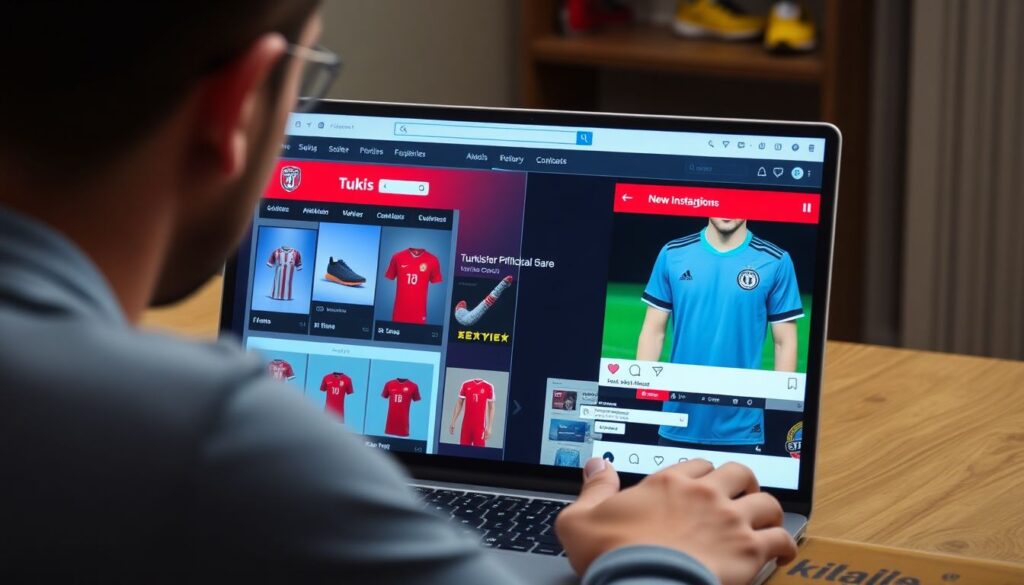
Use official club stores and well-reviewed, established sellers when buying Turkey football fan merchandise online. Be cautious with pre-orders from new Instagram accounts, avoid large advance payments, and prefer payment methods with buyer protection.
How should ultras handle legal risks around choreographies and pyro?
Research symbols, texts and materials in advance, and understand local stadium and security regulations. Keep sensitive organizing details in small, private groups, and consider legal support connections in case of fines or bans.
Are digital fan groups replacing traditional ultras in Turkey?
They are not replacing but complementing them. Online communities often spread chants, narratives and campaigns faster, while ultras still dominate in-stadium atmosphere. The key challenge is coordination rather than competition.
How can diaspora fans contribute without feeling like outsiders?
Join recognized fan clubs, communicate with local groups before traveling, and offer practical help such as organizing travel, hosting, or fundraising. Respect local terrace norms while bringing experiences from your second league or country.
What quick steps can clubs take to reduce conflict with supporters?
Publish clear rules and sanction policies, maintain active dialogue through supporter liaison officers, and be transparent about commercial projects like tokens or sponsorship-driven tifos. Early consultation lowers the risk of protests and boycotts.
How can small supporter groups fund projects without losing independence?
Combine micro-donations, limited merch drops and small, diversified sponsorships. Keep budgets transparent and avoid giving any single sponsor control over core symbols, names or decision-making structures.