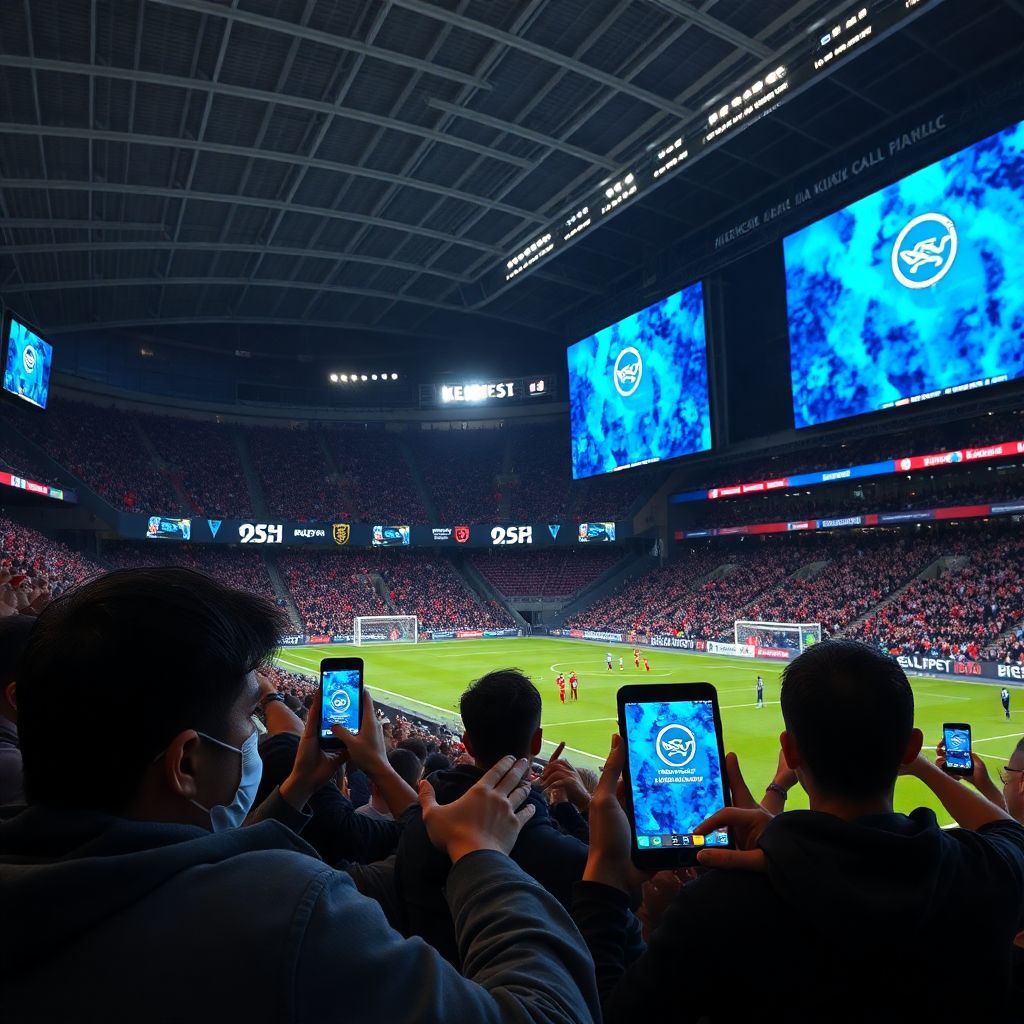
COVID-19 permanently altered Turkish football’s money flows, fan behavior, and competition formats. Clubs moved from gate-driven to more media‑ and sponsor‑dependent models, matchdays shifted toward digital and hybrid experiences, and scheduling rules became more flexible. These shifts still shape Turkish Super Lig tickets, TV deals, transfer strategies, and how supporters follow clubs online.
Debunking Common Myths About COVID-19’s Impact on Turkish Football
- Myth: “Once stadiums reopened, finances went back to normal.” In reality, many Turkish clubs still rely more on broadcasting and sponsors than pre‑COVID and carry legacy debt.
- Myth: “TV money was untouched.” COVID reshaped Turkish Super Lig TV rights deals, negotiation power, and expectations about minimum guarantees.
- Myth: “Empty stadiums hurt only ticketing.” Lockdowns also changed how fans watch Turkish Super Lig live stream options and how clubs sell memberships and hospitality.
- Myth: “Youth academies were just paused.” For some clubs, academy budgets and scouting models were structurally redesigned toward cheaper, high‑potential talents.
- Myth: “Competition formats fully reverted.” Emergency rules around substitutions, squad registration, and congested calendars still influence how the Super Lig is organized.
- Myth: “Fan culture simply moved online temporarily.” New digital habits, from buying Turkish football club merchandise online to following players on social media, became long‑term behaviors.
Economic Shockwaves: Club Finances, Revenues, and Debt
COVID-19 triggered a structural change in how Turkish clubs earn and manage money. Before the pandemic, many Super Lig sides leaned heavily on matchday revenue, local sponsors, and optimistic expectations about future success. Lockdowns exposed how fragile this model was and forced a shift toward more disciplined financial planning.
From a definition standpoint, the “COVID-19 economic shock” in Turkish football is the permanent rebalancing between three pillars: stadium income, media and commercial rights, and transfer activity. Instead of treating TV fees or sales of Turkish football club merchandise online as bonuses, clubs increasingly view them as core survival tools.
Debt structures also changed in nature, not just size. Clubs renegotiated bank loans, stretched payment schedules to players and agents, and experimented with wage deferrals and performance‑linked bonuses. The emphasis moved from “How do we sign the biggest star?” to “How do we keep the club liquid for the next two seasons?”
For supporters, these shifts appear in subtle ways: slower transfer windows, more free‑agent signings, and greater attention to the resale value of young players. In betting markets, Turkish football betting odds now reflect not only form but also which clubs have the stability and depth to handle compressed, unpredictable seasons.
| Aspect | Pre‑COVID Turkish Football | Post‑COVID Turkish Football | Illustrative Turkish Examples |
|---|---|---|---|
| Main revenue emphasis | Matchday and traditional sponsorships prioritized; media income often assumed stable. | Broadcasting, digital partnerships, and online retail integrated as core revenue pillars. | Big Istanbul clubs expanding e‑commerce stores and international fan programs. |
| Cost control logic | Wage inflation tolerated; short‑term success prioritized over balance sheets. | Greater use of wage caps, performance clauses, and focus on sustainable payrolls. | Clubs publicly emphasizing “financial discipline” in AGM reports and press briefings. |
| Transfer decisions | Preference for established, higher‑wage stars to chase immediate titles. | Preference for younger, resale‑value players and targeted free transfers. | Anatolian clubs investing in young domestic players and Balkan/African prospects. |
| Debt management | Frequent restructuring but optimistic revenue projections. | More conservative projections, longer horizons in loan renegotiations. | Major clubs working with banks and regulators on multi‑year restructuring frameworks. |
| Fan monetization | Season tickets and matchday spending dominant. | Memberships, digital content, and ongoing subscriptions more important. | New loyalty apps, streaming tie‑ins, and global fan membership tiers. |
Broadcast Deals and TV Rights: A Permanent Recalibration
- Risk redistribution between league and broadcaster. COVID showed broadcasters that long‑term contracts were vulnerable to stoppages and schedule changes. New Turkish Super Lig TV rights deals embed clearer clauses on interruptions, minimum game counts, and renegotiation triggers.
- Shift in bargaining power. When stadiums were closed, live TV and digital coverage became the only way to access games. This temporarily increased the strategic value of broadcast partners but also proved to the league that it must diversify platforms and avoid over‑dependence on a single buyer.
- Multi‑platform distribution. More content now lives beyond traditional TV: official OTT platforms, club‑run channels, and partnerships with tech companies. Fans who want to watch Turkish Super Lig live stream offerings often mix official league streams, broadcaster apps, and club highlights instead of relying on one pay‑TV subscription.
- Packaging of rights. Instead of selling a single all‑inclusive bundle, the league can carve out packages: live matches, near‑live highlights, international rights, and short‑form social content. This segmentation helps balance guaranteed income with growth potential.
- Data and personalization. Digital broadcasting now emphasizes viewer data: time watched, favorite clubs, and device usage. This data underpins targeted ads, dynamic sponsorships, and even influences kick‑off times, enhancing both commercial value and fan convenience.
- Impact on smaller clubs. Revenue distribution models increasingly consider solidarity payments and minimum guarantees, as smaller Anatolian clubs depend even more on central TV money after COVID‑era ticket losses.
Matchday Experience Reimagined: From Full Stands to Empty Stadiums
COVID turned packed Super Lig stadiums into silent arenas, and that shock permanently changed what “matchday” means in Turkey. Even after fans returned, many habits formed during restrictions stayed in place, especially for international supporters and those living outside big cities.
- Hybrid fandom for locals. Many supporters now mix stadium attendance with home viewing. A fan might buy Turkish Super Lig tickets for top derbies but rely on TV or streaming for away games or midweek fixtures, especially when travel or budgets are tight.
- Digital‑first experience for distant fans. Fans in Anatolia, Europe, or the Middle East often follow their Turkish clubs mainly through streams and social platforms. They experience matchdays through watch parties, club apps, and reaction shows rather than physical terraces.
- Corporate and hospitality recalibration. Boxes and VIP areas were redesigned around health protocols, spacing, and flexible catering. Some of these standards survived: more private boxes, better airflow, and a stronger focus on premium, low‑density experiences.
- Matchday as a media product. Clubs and the league treat games as content days, not just events. Pre‑match shows, tunnel cams, live warm‑up feeds, and half‑time interviews are integrated for those who watch Turkish Super Lig live stream broadcasts from home.
- Fan safety expectations. Supporters now assume better hygiene, digital ticketing, and clear contingency rules. Contactless entry, e‑wallets for concessions, and app‑based seat management became normalized features of the Turkish stadium experience.
Youth Development and the Transfer Market: Shifting Player Pathways
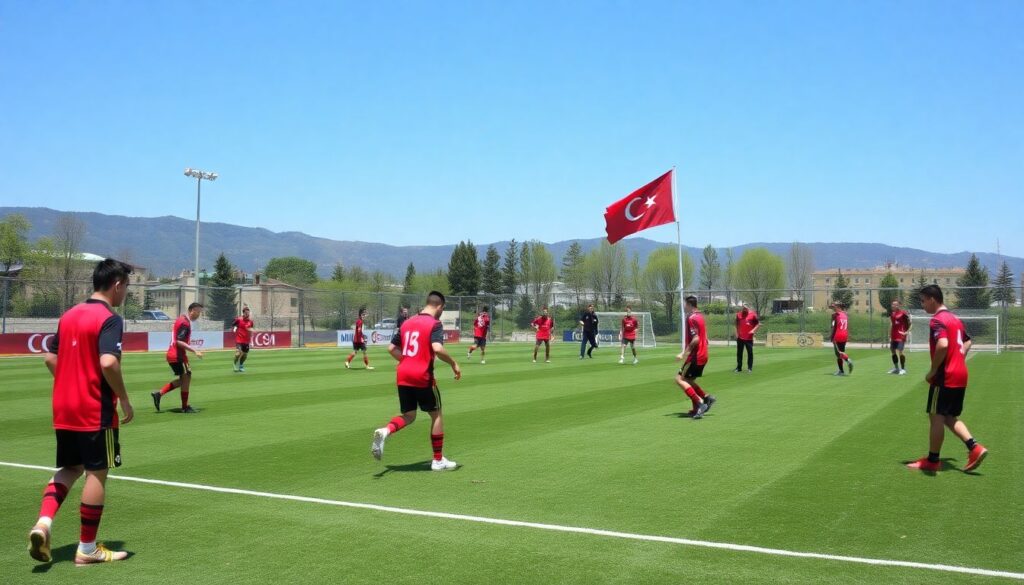
Academies and transfer strategies in Turkey went through a quiet but lasting transformation. With less cash for big‑name imports and uncertainty about future revenues, clubs looked inward and regionally, raising the strategic value of homegrown talent and smart scouting.
This reorientation does not mean that stars stopped arriving, but that each major signing must fit a clearer sporting and economic plan. Clubs actively weigh development potential, sell‑on clauses, and salary flexibility when building their squads.
Upsides of the New Youth‑Centered Approach
- More first‑team opportunities for academy graduates, especially in mid‑table and smaller Super Lig clubs.
- Stronger integration of data‑driven scouting, video analysis, and regional networks to find undervalued players.
- Lower overall wage commitments by replacing aging high‑salary players with younger, hungry prospects.
- Higher potential transfer income when young players are sold abroad after successful breakout seasons.
- Closer alignment between club identity and local communities when homegrown players become regular starters.
Limitations and Ongoing Challenges
- Not all clubs have the infrastructure or coaching quality to produce elite talents consistently.
- Financial pressure can still push clubs to sell promising players earlier than ideal for sporting success.
- Short‑term demands from fans and media sometimes conflict with the patience required for development.
- Uneven regulatory incentives mean some clubs continue to rely on short‑term foreign signings instead of long‑term academy investment.
- Youth systems disrupted by lockdowns need sustained support to recover lost training time and match experience.
Competition Formats and Scheduling: Rule Changes That Persisted
COVID disrupted calendars so violently that Turkish football authorities had to rewrite formats on the fly. Some of these emergency measures later evolved into semi‑permanent rules or, at least, into a new mindset about flexibility.
- Mistake: Assuming the old calendar was sacred. Many believed that once normality returned, fixtures would simply fit back into the pre‑COVID template. In reality, international tournaments, heatwaves, and TV slots led to continued experimentation with kick‑off times and midweek rounds.
- Mistake: Ignoring squad depth in title predictions. Pundits and fans often focus on starting elevens, but compressed schedules and extended substitution rules show that benches win seasons. This affects both tactical choices and how Turkish football betting odds are set.
- Myth: “Expanded leagues are always temporary.” When relegations or promotions were adjusted, many assumed an immediate snap‑back. Practical constraints sometimes kept larger league sizes or modified playoff structures for longer than expected.
- Myth: “Medical and testing protocols are only for crisis periods.” Clubs and the federation now maintain clearer health guidelines, contingency plans, and communication channels that can be reactivated for future disruptions.
- Myth: “Five substitutions killed tactical nuance.” Coaches learned to use larger benches creatively: protecting key players, giving minutes to youth, and tailoring game plans to intense run‑ins while still preserving competitive edge.
Community, Fan Culture, and Digital Engagement: New Forms of Loyalty
When terraces went silent, Turkish supporters did not stop caring; they redirected their passion. Fan loyalty expanded from physical presence to always‑on digital engagement, changing how clubs communicate, sell, and measure community strength.
Instead of counting only turnstile entries, clubs now track followers, engagement ratios, and conversion from content to spending. Social media lives, behind‑the‑scenes videos, and interactive polls are treated as essential touchpoints, not side projects.
Mini Case: A Simple Algorithm for Evaluating Post‑COVID Changes
This high‑level “checklist algorithm” can help you quickly judge whether a Turkish club has truly adapted to the post‑COVID landscape:
- Gather inputs. Look at the club’s latest annual report, squad list, and digital presence (website, apps, social channels, and e‑shop).
- Assess revenue balance. Check whether communication emphasizes diversified income: media, sponsors, matchday, and online sales, including campaigns for Turkish football club merchandise online.
- Review cost and squad policy. Note the ratio of young, resale‑value players versus aging stars, and how often the club mentions “sustainability” or “financial discipline.”
- Inspect fan access channels. Confirm that the club offers clear information about Turkish Super Lig tickets, memberships, and options to watch Turkish Super Lig live stream content via official partners.
- Check scheduling and preparation. Look for rotation patterns, use of substitutions, and how the coach explains managing congested fixture lists.
- Evaluate digital engagement. Measure regularity of posts, language options for global fans, and integrated promotions connected to Turkish Super Lig TV rights deals, sponsors, and community projects.
- Score and compare over time. Informally rate each area (weak/average/strong) and repeat every season to see whether the club is progressing or sliding back toward pre‑COVID habits.
Practical Questions About Long-term Structural Changes
How did COVID-19 change the way Turkish clubs make money?
Clubs shifted from a heavy reliance on ticket sales to a more mixed model built around broadcasting, sponsors, online retail, and smarter transfer trading. Matchday income still matters, but it is no longer treated as the only reliable pillar.
Are Turkish Super Lig tickets less important now that streaming has grown?
Tickets remain vital for atmosphere and revenue, especially for big derbies, but they are now one part of a broader fan‑access mix. Clubs also focus on memberships, hospitality, and digital products to reach supporters who cannot regularly attend games.
What does COVID-19 mean for future Turkish Super Lig TV rights deals?
Future deals are likely to include clearer protections around postponed matches, flexible packaging of rights, and a stronger role for digital platforms. The league aims to balance guaranteed income with the ability to experiment across multiple broadcasters and OTT services.
Did the pandemic permanently boost youth player opportunities?
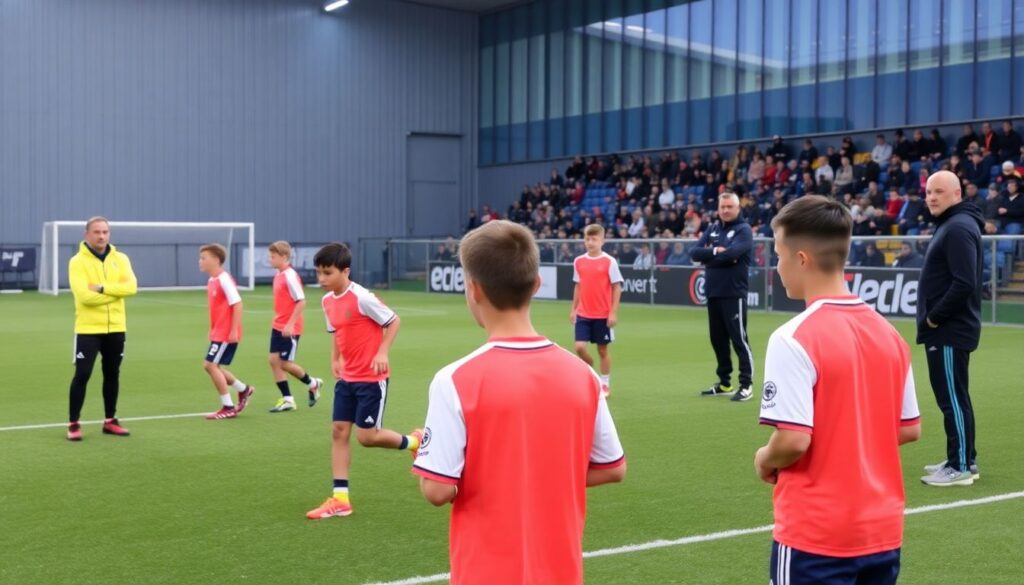
Yes, in many cases. Budget constraints and schedule congestion opened doors for academy graduates, and several clubs formalized this strategy. However, maintaining this trend depends on consistent investment in coaching, facilities, and patience from fans and boards.
How did betting markets react to the new formats and calendars?
Bookmakers adjusted Turkish football betting odds by weighing deeper benches, rotation patterns, and the impact of empty or partially filled stadiums. Factors like travel fatigue and short rest periods became more important in pricing matches.
Is the matchday atmosphere fully “back to normal” in Turkey?
Noise and passion largely returned, but some habits changed for good. More fans follow games from home, use mobile tickets, and engage online before and after matches, creating a hybrid stadium‑plus‑screen culture.
What should fans watch to see if their club has truly modernized post‑COVID?
Look for diversified revenue streams, clear digital strategies, investment in youth, and transparent communication about finances and scheduling. Clubs that treat these as long‑term priorities are more likely to remain competitive and resilient.