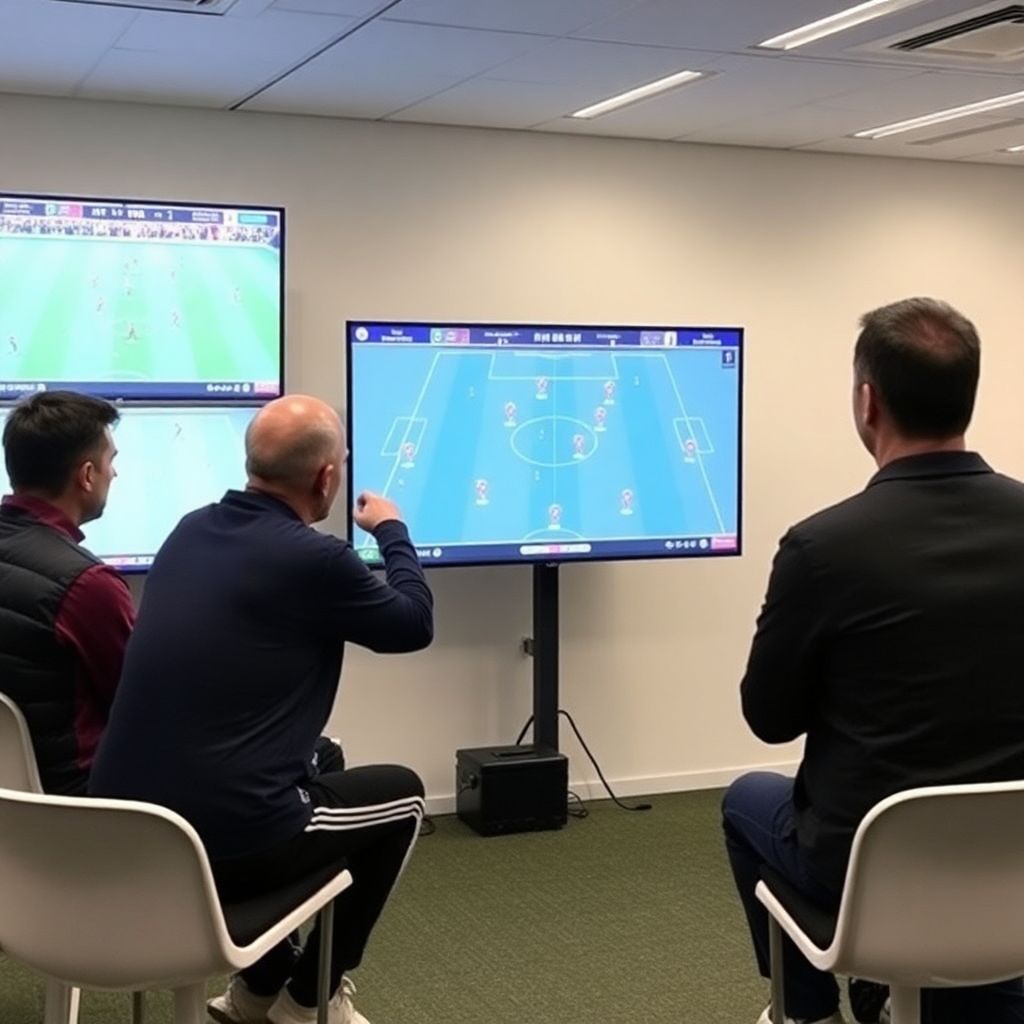
Global football trends shape Süper Lig and TFF 1. Lig tactics through pressing models, positional play, data‑driven scouting, and modern set‑piece design. Turkish clubs do not simply copy Europe’s elite; they adapt ideas to local tempo, refereeing, squad profiles, and budgets, creating a distinct but clearly global‑influenced tactical identity.
Persistent myths about outside tactical influence
- Myth: Turkish teams just copy European giants. Reality: ideas are filtered through local tempo, climate, and squad profiles.
- Myth: Analytics are only for Big Five leagues. Reality: Süper Lig and TFF 1. Lig clubs increasingly invest in tools and staff.
- Myth: Positional play kills traditional Turkish wing play. Reality: it reorganises width and timing rather than removing it.
- Myth: Set‑piece routines are fixed and old‑school. Reality: many clubs now refresh dead‑ball play every micro‑cycle.
- Myth: Academies just chase results. Reality: top Turkish academies now write formal game models by age group.
- Myth: Foreign coaches erase local identity. Reality: the most successful ones blend global structures with local strengths.
From Gegenpress to Anatolian Press: Adoption and Adaptation
Myth: Gegenpressing is a “European only” model that Turkish teams cannot execute. In practice, many Süper Lig and TFF 1. Lig sides already apply high or counter‑pressing, but with shorter, more explosive bursts adapted to local tempo, travel demands, and the technical stability of defenders and goalkeepers.
“Anatolian press” is a useful shorthand: instead of constant full‑throttle pressure, teams press in pre‑defined zones, usually after backward passes or poor clearances. The trigger is global; the follow‑up is local. For example, a mid‑table side might only jump aggressively on one flank where its strongest ball‑winner plays.
Pressing lines also adjust to the reality of Turkish squads. A club with aging forwards may defend in a compact 4‑4‑2 block and only counter‑press on second balls, while another-recruiting younger, more mobile attackers through a paid match analysis service Süper Lig TFF 1. Lig clubs use-can sustain a higher line.
For coaches, the practical takeaway is clear: copy the principles (short distances, clear pressing triggers, cover and balance) but modify height, duration, and risk. Match your pressing intensity to the physical profile of your squad and the error risk on local pitches, especially in winter away games.
Data-Driven Decisions: Analytics in Match Preparation and Recruitment
Myth: Tactical data is only useful for big‑budget clubs with full analytics departments. In reality, even modest Süper Lig and TFF 1. Lig teams can apply simple, repeatable workflows, especially if they combine video with the best football analytics tools for Süper Lig and TFF 1. Lig that fit their budget and staff size.
- Pre‑match trend scan: Analysts review key metrics-pressing zones, build‑up routes, set‑piece patterns-for the last 4-5 games of the opponent. A Süper Lig tactical analysis subscription or compact data package is enough if you know exactly what questions to ask.
- Video tagging and alignment: Use basic tagging (pressing actions, switches of play, cut‑backs) in video platforms. Then align tags with event data to see which tactical behaviours actually generate shots-not just “nice phases” that look good on clips.
- Game‑plan dashboards: Build one simple dashboard per match: how the opponent attacks each flank, how they defend crosses, where they lose the ball most. Even an Excel‑level solution, fed from a paid match analysis service Süper Lig TFF 1. Lig clubs rely on, can guide your weekly tactical focus.
- Recruitment filters: Instead of generic “good winger”, define 3-5 tactical filters: receives wide or inside, pressing volume, crossing zones, one‑v‑one success in half‑spaces. Then query those filters in scouting tools before watching full matches.
- In‑game feedback loops: At half‑time, use pre‑defined KPIs (e.g., allowed entries into zone 14, successful switches to weak side) rather than subjective feelings. One analyst with a tablet and clear definitions can provide actionable feedback without a giant department.
- Post‑match learning cycles: Tag moments where the plan was followed but failed versus where the plan was ignored. Over a block of fixtures you will see whether the problem is model quality or execution, guiding your next training micro‑cycle.
Clubs that follow this kind of structured process get far more value from any Süper Lig tactical analysis subscription or third‑party data provider than those looking only for highlight clips or raw numbers.
Positional Play vs. Traditional Wing Play in Turkish Leagues
Myth: Modern positional play contradicts Turkey’s historic strength in wide attacking football. In practice, positional concepts help organise when and how you use the wings, especially against deep blocks common in both Süper Lig and TFF 1. Lig.
- Building through the thirds against low blocks: A club that historically launched long diagonals to the winger can now create three‑player triangles on the side: full‑back, interior midfielder, and winger. The global idea is positional superiority; the local flavour is still aggressive 1v1 wing play.
- Overloads to isolate star wingers: Many Turkish sides rely on one creative winger. Positional play offers a clear tool: overload the opposite side, then switch quickly. Instead of endless crosses, you create cut‑backs and inside‑channel dribbles, maximising your main talent.
- Inside forwards in a 4‑2‑3‑1: Games in TFF 1. Lig often swing in transition. By tucking wingers inside during build‑up (while full‑backs hold width), you keep numbers around the ball to counter‑press and still arrive wide in the final third.
- Flexible occupation of half‑spaces: Turkish academies increasingly train midfielders to receive between the lines, freeing wide channels for late runs. This blends Spanish‑style positional ideas with the long‑standing Turkish habit of overlapping full‑backs.
- Adapting to opponent pressing styles: Against teams copying European counter‑pressing, clear occupation of five vertical lanes (wide‑half‑central‑half‑wide) makes it easier to break first lines and immediately attack their exposed back line.
For coaches following professional football coaching courses Turkey Süper Lig tactics programmes, the key is not to abandon wing play, but to structure it: define which players can leave their zone, when to rotate, and which passing patterns unblock the final third.
Set-Piece Innovation: How Global Trends Shape Dead-Ball Strategies
Myth: Corners and free‑kicks in Turkey are a lottery, decided mainly by aerial strength. The global trend is the opposite: scripted patterns, blockers, decoy runs, and rehearsed second‑ball structures. Turkish clubs that adopt this mindset gain steady advantages in tight Süper Lig and TFF 1. Lig matches.
Practical benefits of modern set-piece design
- Clear attacking roles (blockers, screeners, runners, shooters) raise the quality of every delivery.
- Short‑corner routines force opponents to defend higher, creating more space for late box arrivals.
- Second‑ball structures reduce counters from your own corners by placing “safety” players in smart zones.
- Opposition‑specific routines-e.g., targeting a weak marker or poor header-turn video analysis into goals.
- Prepared defensive schemes against common patterns (crowding the goalkeeper, near‑post flicks) minimise cheap concessions.
Constraints and local limitations to consider
- Time on the training ground is limited; over‑complicated routines collapse under pressure.
- Refereeing standards and interpretation of blocking/fouls in Turkey may punish certain “European” picks and screens.
- Weather and pitch quality in some TFF 1. Lig stadiums affect ball trajectory; deliveries must be tested in context.
- Squad turnover makes it hard to maintain complex signal systems if players change every window.
- Broadcast footage used for football betting tips based on Süper Lig tactical trends may reveal your routines; periodic refresh is essential.
Youth Development and Tactical Identity: Academies Embracing Modern Models
Myth: Youth football in Turkey is only about winning and physicality. A growing number of Süper Lig academies now document game models, age‑specific principles, and clear tactical roles, aligning with European trends while keeping local creativity alive.
- Confusing formations with game model: Many academies change between 4‑3‑3 and 4‑2‑3‑1 without explaining principles. Players need stable rules (who presses, who covers, who provides width) more than they need a new shape every season.
- Over‑coaching talented dribblers: In a rush to copy positional play, coaches sometimes restrict 1v1 specialists. The goal should be to give them better positions to receive, not to remove their freedom to attack defenders.
- Ignoring transition coaching: Youth sessions often focus on elaborate build‑up but neglect what happens after losing the ball. Global trends emphasise the first 3-5 seconds after loss; Turkish academies should build this habit early.
- Copy‑paste from elite clubs: Downloading a top European club’s academy manual rarely works. Adapt the principles to local match reality, including refereeing style, opponent pressing, and typical opponent formations in regional leagues.
- No bridge to first‑team tactics: If the U19s play a completely different style than the first team, promotion becomes risky. Align 2-3 non‑negotiable principles (e.g., pressing triggers, rest‑defence structure) across the pathway.
Modern academies also start using scaled‑down versions of the best football analytics tools for Süper Lig and TFF 1. Lig-GPS, simple event tagging-to measure whether tactical principles are visible on the pitch, not just discussed in meeting rooms.
Managerial Imports and Local Coaches: Tactical Cross-Pollination
Myth: Foreign coaches in Süper Lig always impose a rigid foreign style, while local coaches remain “old‑school”. The reality is more blended: imports bring structured pressing and build‑up ideas, local assistants translate them into Turkish dressing‑room language and adapt to league‑specific challenges.
Consider a foreign head coach arriving at a TFF 1. Lig club with a strict 4‑3‑3 positional play model. He wants a high line, aggressive rest‑defence, and constant counter‑pressing. The local staff point out travel fatigue, summer heat in certain cities, and the aerial style of many opponents.
They agree on a hybrid approach:
- Use positional play principles in the first two thirds of the pitch to control tempo.
- Switch to more direct wing attacks when chasing the game or playing on heavy pitches.
- Adopt an adjustable pressing height: high against technically weak opponents, mid‑block against strong ball‑playing sides.
- Outsource part of opposition scouting to a paid match analysis service Süper Lig TFF 1. Lig oriented, freeing coaches to work on on‑pitch detail.
Over a season, the team keeps its traditional intensity and emotional momentum while gaining global‑style structure. For analysts, this kind of case is exactly where a compact Süper Lig tactical analysis subscription adds value: it documents how tactical cross‑pollination changes chance creation and defensive stability across different opponents.
Practical clarifications for coaches and analysts
Do I need a full analytics department to modernise tactics?
No. Start with one coach or analyst responsible for basic tagging, simple metrics, and clear post‑match reports. Scale later by adding specialised tools and staff once your processes are stable and clearly defined.
Which data tools make sense for lower-budget Turkish clubs?
Prioritise platforms that combine video with core event data and clear visualisations rather than “big data” promises. For many clubs, the best football analytics tools for Süper Lig and TFF 1. Lig are those that fit their staff’s time and existing workflows.
How can I integrate global trends without losing my team’s identity?
Choose 2-3 principles-such as pressing triggers, rest‑defence shape, or preferred build‑up routes-and overlay them on what your squad already does well. Avoid complete overhauls mid‑season; instead, layer new ideas during pre‑season and international breaks.
Are modern tactical ideas useful for bettors and external analysts?
Yes, but carefully. People offering football betting tips based on Süper Lig tactical trends should focus on structural factors-pressing intensity, set‑piece reliance, squad rotation-rather than trying to predict individual actions or exact scorelines.
What is the best way to learn these concepts as a young coach?
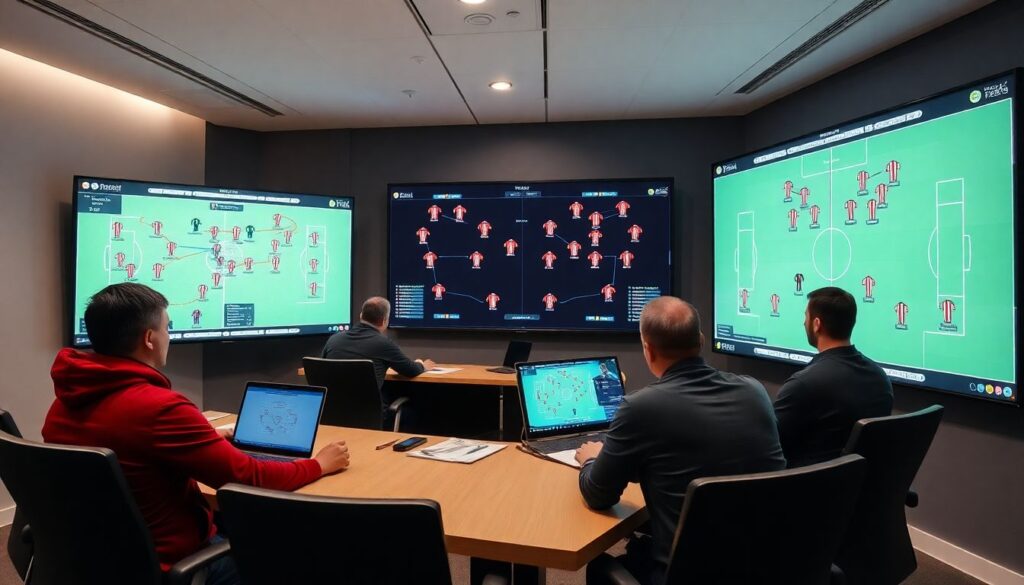
Combine theory from professional football coaching courses Turkey Süper Lig tactics oriented with practical match analysis. Choose one or two teams to study in depth and track how their structure changes across different opponents and game states.
Can smaller academies really implement positional play and pressing models?

Yes, if they simplify. Define a handful of game principles by age group, use small‑sided games to coach them, and repeat constantly. You do not need expensive technology; clarity, repetition, and aligned coaching language matter more.
How often should we update our tactical game model?
Review it at least once per season, ideally after a full campaign. Small adjustments can happen during winter breaks, but constant changes confuse players. Measure whether problems come from the model itself or from player execution and squad profile.