Colo Colo in Chile: more than a club, a national symbol
When people talk about football in Chile, one name inevitably comes first: Colo Colo. The club is not just a successful team from Santiago; it is a cultural institution that reflects the country’s passions, contradictions, and history. For many Chileans, being “for Colo Colo in Chile” is not a casual choice of a favorite team, but a deeply rooted identity that can pass from generation to generation.
Origins and meaning of the name
Colo Colo was founded on April 19, 1925, by a group of players who broke away from another Santiago team. They chose the name “Colo-Colo” in honor of a famous Mapuche leader who resisted Spanish conquest. This choice was not accidental: it was a way of linking the new club with resistance, pride and indigenous heritage.
The black-and-white colors, the Mapuche chief in the crest, and the club’s constant presence in social debates have turned Colo Colo into more than a sports project. It has become a symbol of struggle, perseverance and popular identity within Chile.
The only Chilean club with a Copa Libertadores title
On the pitch, Colo Colo’s biggest international milestone came in 1991, when the club won the Copa Libertadores, the most prestigious club competition in South American football. To this day, no other Chilean team has lifted that trophy.
That victory changed how Chilean football was perceived abroad. Colo Colo showed that Chilean clubs could compete with the giants from Brazil, Argentina and Uruguay. The 1991 squad became legendary, and many fans still measure every new generation against that benchmark.
Domestic dominance and constant expectations
In the Chilean league system, Colo Colo is historically the most successful club, with more national championships than any of its rivals. This dominance, however, comes with a heavy burden: anything less than a title is perceived as a failure.
The pressure affects players, coaching staff and even the club’s management. A few poor results can quickly turn into a crisis, with demands for changes in tactics, transfers, or leadership. Supporting Colo Colo in Chile means living with constant tension between glory and disappointment.
The stadium: Estadio Monumental David Arellano
Colo Colo’s home is the Estadio Monumental, located in the Macul district of Santiago. Officially named after David Arellano, one of the club’s founders who died young, the stadium is a central part of the club’s identity.
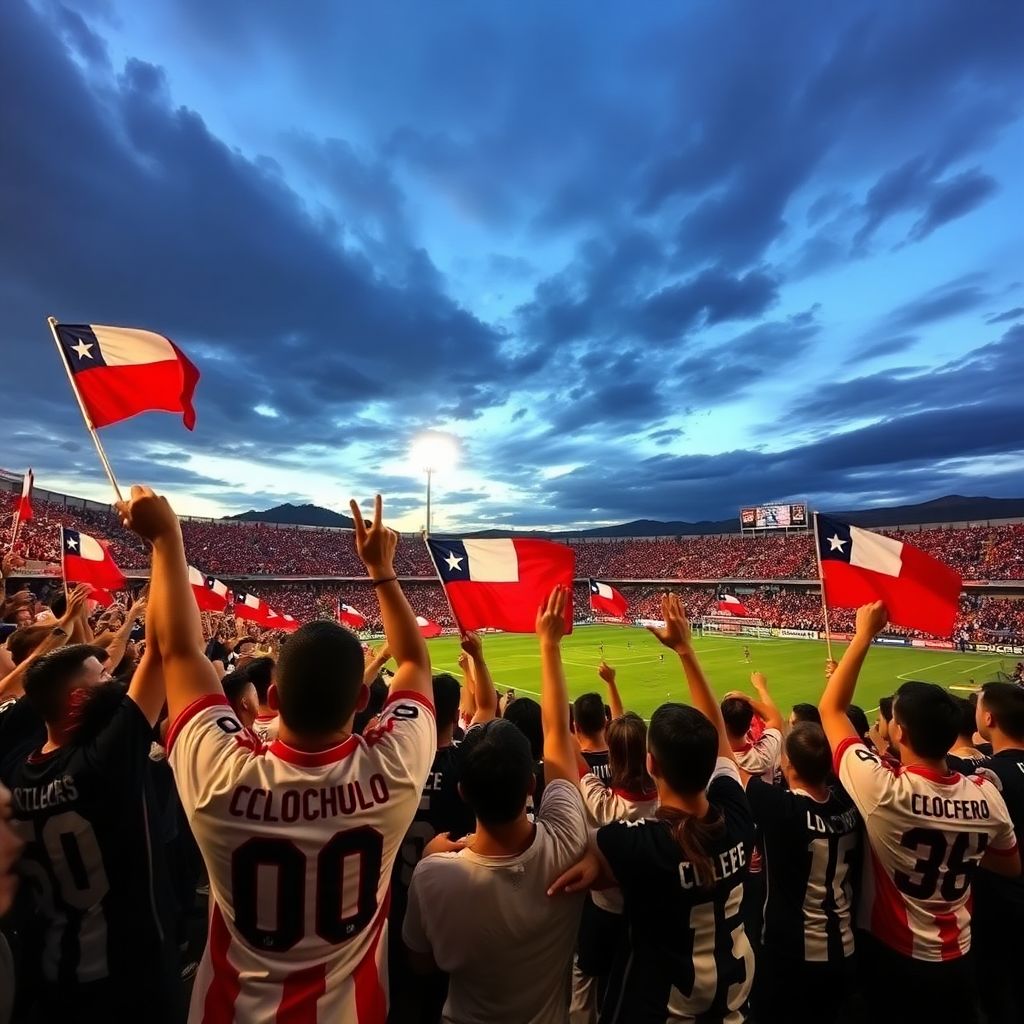
On match days, especially during classic derbies, the Monumental becomes a sea of white shirts, flags, and choreographies. The atmosphere can be intense and overwhelming: songs echo around the stands, drums mark the rhythm, and every attack is celebrated as a potential goal. For many visiting fans, experiencing a match there is a unique way to understand football culture in Chile.
A club deeply linked to Chilean society
Colo Colo’s relevance goes well beyond trophies and stadium capacity. The club has historically been associated with working-class neighborhoods, urban culture and social causes. Over the decades, players and supporters have participated in charitable activities, youth projects and initiatives aimed at marginalized communities.
Being a Colo Colo fan in Chile is often tied to neighborhood life, family stories, and local traditions. Children grow up hearing anecdotes about legendary matches, historic goals and heroic comebacks. In many homes, the question is not whether you will support Colo Colo, but when you will first be taken to the Monumental to see the team live.
Rivalries that define a nation’s football
No story about Colo Colo in Chile would be complete without mentioning its main rivalries. The biggest is “El Superclásico”, the clash against Universidad de Chile. This match goes far beyond sport: it confronts different social perceptions, styles of play and football cultures.
Another traditional rivalry is with Universidad Católica, often associated with more structured football and a different social background. These matches divide cities, workplaces and schools. Weeks before kickoff, discussions start: lineups, tactics, who is in better form. For many people, winning a clásico can redeem an entire season.
Youth academy and development of Chilean talent
Colo Colo’s youth academy has played a key role in forming some of the country’s most important players. Over the years, the club has developed footballers who later shone in Europe and in the Chilean national team.
For young players across the country, joining Colo Colo’s academy is a dream. It represents not only a path to professional football but also a chance to help their families and communities. The club invests in scouting, training facilities and coaching staff to maintain that pipeline of talent, even when financial or sporting conditions are not ideal.
Economic challenges and modern football pressures
Despite its size and popularity, Colo Colo has not been immune to economic troubles. Like many clubs in South America, it faces the tension between sporting ambition and financial sustainability. Selling young players abroad often becomes a necessity to balance the books, which sometimes weakens the team in the short term.
Fans frequently debate the club’s management model, the role of private investors, and how decisions are made. In the modern era of football, being a massive institution in Chile does not guarantee unlimited resources, especially when competing against richer leagues in Europe and even elsewhere in the Americas.
Colo Colo’s role in the Chilean national team
Throughout history, Colo Colo has been one of the main providers of players to the Chilean national team. During key tournaments, such as World Cups and continental competitions, many of the starters have passed through the club at some point in their careers.
This connection creates a special dynamic: Colo Colo fans often watch the national team with an additional sense of pride, seeing “their” players represent the entire country. At the same time, good performances in the national team can increase transfer interest from abroad, again putting pressure on the club to either sell or retain its stars.
What it means to support Colo Colo in Chile today
To be for Colo Colo in today’s Chile is to live with contradictions: it is embracing a glorious history while knowing that each season brings new uncertainties. It is celebrating the legacy of a club tied to popular roots and indigenous symbolism, while also demanding professional management and modern infrastructure.
The experience is emotional and collective. Fans suffer together during losing streaks, fill the stadium when the team needs a boost, and never stop debating lineups in everyday conversations. Colo Colo is present in songs, graffiti, schoolyards and family gatherings. It is a thread that connects very different people under the same colors.
The future: between tradition and renewal
Looking ahead, Colo Colo faces the challenge of staying faithful to its identity while adapting to the realities of contemporary football. Strengthening youth development, improving financial health, and increasing competitiveness at the continental level are all urgent tasks.
Yet, regardless of the ups and downs, one thing seems certain: in Chile, Colo Colo will remain a central reference point in football and culture. Choosing this club is not just picking a team from a list – it is joining a long, ongoing story that has shaped, and will continue to shape, life in Chile for decades to come.