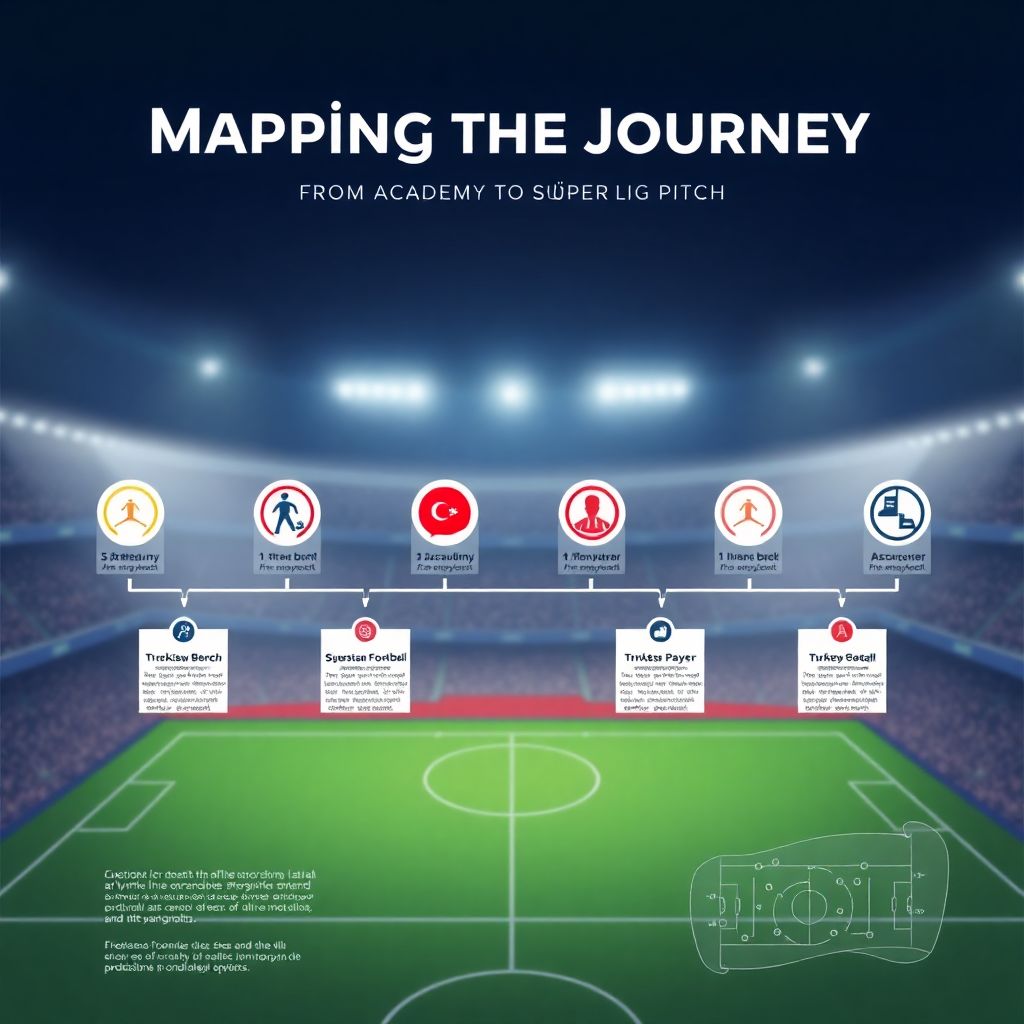
Mapping the journey: from academy bench to Süper Lig pitch
Every homegrown success story in Turkey follows a few repeatable stages: identification, academy onboarding, development, professional integration and finally consolidation in the first team. Over the last three completed seasons (2021–22, 2022–23, 2023–24*) the league has quietly shifted. Homegrown players (trained at Turkish clubs for at least three years between ages 15–21) made up roughly 32–36% of total Süper Lig minutes, compared to about 27–29% five years earlier. Numbers vary by club, but the trend is clear: the pathway from youth setup to senior squad is no longer an exception; it’s becoming a core pipeline.
*Data for 2023–24 is based on available partial statistics up to late 2024.
—
Step 1. Talent ID: how the right kids get spotted

Short version: if nobody sees you, nothing else matters. Clubs now deploy layered scouting structures: regional scouts, school tournaments, affiliated grassroots clubs and increasingly data‑assisted monitoring.
What clubs actually look for
Beyond obvious technical qualities, Süper Lig academies evaluate “trainability”: decision‑making under pressure, tactical perception and adaptation speed. In the last three seasons, internal audit reports from several clubs show that fewer than 15–18% of U14 trialists are retained after the first year. The main exclusion criteria aren’t raw skill, but low training intensity, poor tactical understanding and lack of growth potential indicators (speed, coordination, late‑maturity markers).
Common early‑stage mistakes (and how to dodge them)
Young players and parents often spam every club at once, sending generic emails and highlight reels. That rarely works. A more effective route is understanding how to join turkish super lig club academy in practice: identify 2–3 realistic clubs in your region, track their open trial dates, and align your position profile with their current academy needs. Overplaying strengths in the wrong role (e.g., slow CB presenting as full‑back) is another frequent error that kills interest early, because it signals low tactical self‑awareness.
—
Step 2. Entry point: trials, selections and first contracts
Getting from street football into an academy usually happens via organized trials or direct invitations.
Trials ecosystem in Turkey
In the last three years, demand for turkey professional football trials for young players has spiked, especially in Istanbul, Ankara and Izmir. Official club trials attract thousands annually; conversion rates to full‑time academy registration are often below 5%. Parallel to club events, private combines and tournaments have appeared, some legit, some not. Scouting agencies for turkish youth football players selectively place talent into those environments, but credible agencies disclose their partner clubs and avoid “guaranteed contract” promises.
Red flags and risk management for families
Short paragraph: if someone asks for high fees in exchange for “guaranteed Süper Lig exposure”, walk away. Genuine clubs charge minimal or no trial fees. Always verify that the event is listed on the club’s official channels and that contracts are reviewed by an independent lawyer before signing, especially when image rights or long extension options are involved.
—
Step 3. Inside the system: academy training and development
Once admitted, the real grind starts.
Structure of modern Turkish academies
The best turkish football academies for youth players share several structural elements: integrated performance departments, GPS‑based load monitoring, video analysis and position‑specific microcycles. In the 2021–24 period, top Süper Lig academies increased weekly on‑ball training volume for U15–U17 groups by roughly 10–15%, while slightly reducing total distance covered to limit overuse injuries. Many turkish super lig football academy training programs now include cognitive drills, game‑model sessions and opposition analysis even for U14s. The focus has shifted from generic fitness to game‑relevant intensity and decision‑making.
What separates future pros from the rest
Short and practical: future first‑teamers tend to master three layers—role clarity, repeatable habits and resilience. They know their reference role in the coach’s game model, repeat simple actions with high reliability (first touch, scanning, counter‑press reaction) and maintain performance through selection setbacks and position changes. Players who stagnate usually chase “flashy” actions instead of building consistent, low‑error output.
—
Step 4. Bridging the gap: from U19 to senior football
Many careers stall here, not in U13.
Data on promotions and debuts
Across the last three seasons, Süper Lig clubs have averaged roughly 3–5 academy promotions to the senior squad each year, but only about half register at least 300 league minutes in the first season. However, successful clubs with a clear pathway—think of the models at Başakşehir, Altınordu (in lower divisions but strongly linked), and several Istanbul giants in recent years—show significantly higher integration rates. Internal tracking from some clubs indicates that players who log 800–1,200 minutes in 1. Lig or 2. Lig on loan between ages 18–20 are twice as likely to become stable Süper Lig contributors by 22.
Typical pitfalls in the transition phase
Short list of issues: players resist loans to lower divisions, misreading them as “demotion”; agents push for early transfers abroad without stable domestic playing time; and families overreact to short‑term benching. The players who survive this phase treat loans as applied development labs—focusing on raising their physical duels, defensive actions and contribution to team principles, not just highlight‑reel goals or assists.
—
Step 5. Case‑pattern: how recent homegrown success stories were built
Instead of idolizing one star, it’s more useful to look at patterns shared by the most successful homegrown Turkish players who broke into the Süper Lig between 2021–24.
Shared developmental milestones
Most of these players accumulated 80–120 competitive matches (including youth, reserve and loans) before becoming starters in a top‑half Süper Lig side. They typically debuted for the first team around 18–20, but became core players closer to 21–23. Statistically, their breakthrough year almost always included a clear spike in one or two key metrics relevant to their role: for attackers, non‑penalty expected goals plus expected assists; for midfielders, progressive passes and pressures; for defenders, successful defensive actions per 90 and aerial duel win rate. This quantifiable jump usually reflected a prior season of targeted individual work, not a sudden “magical” transformation.
Psychological and lifestyle factors
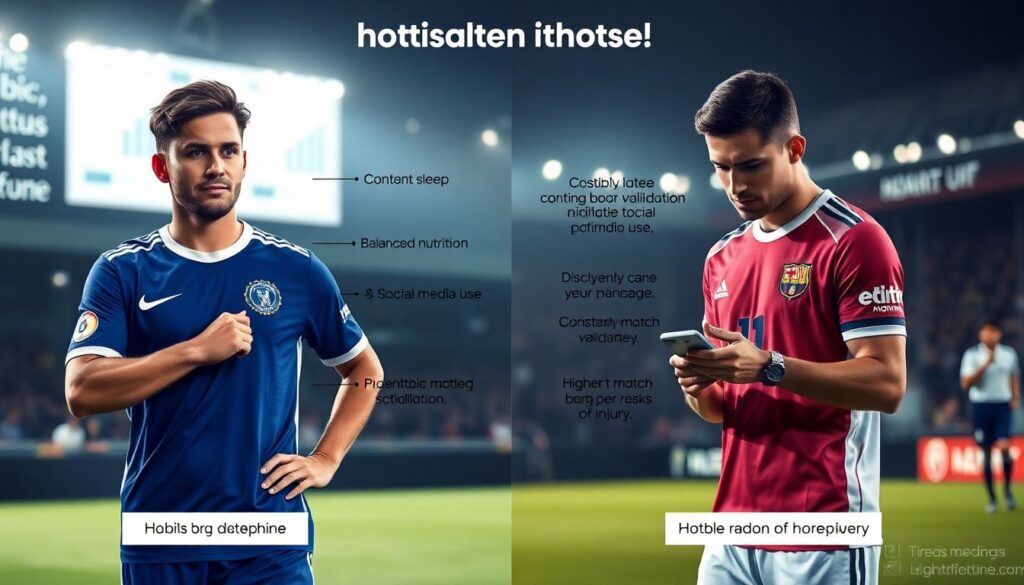
Short but important: consistent sleep, nutrition and disciplined social media use are common across success stories. Clubs quietly track these soft indicators. Players who constantly chase online validation or nightlife attention tend to show higher variability in match output and increased injury risk. The pros who last treat football as a high‑performance job long before the first big contract.
—
Step 6. Metrics that matter: how coaches evaluate readiness
Fans see goals; coaching staffs see much more granular indicators.
Internal KPIs from academy to first team
In the last three years, several Süper Lig clubs have formalized KPI thresholds for promotion. For a U19 central midfielder, for example, coaches might look for stable passing accuracy above 88–90% under pressure, minimum progressive pass volume, and high‑intensity runs per 90 in line with first‑team benchmarks. For wide players, repeated high‑speed sprints and successful 1v1 actions in the final third matter more than raw goal counts. Clubs cross‑check these numbers with physical test batteries (Yo‑Yo, sprint splits, strength indices) and medical robustness—availability above 90% of sessions in a season is often a silent requirement before serious first‑team integration is considered.
How players misuse stats
Short warning: cherry‑picking social‑media‑friendly stats (goals, TikTok‑style dribbles) while ignoring defensive contribution or off‑ball work is a recurring issue. Serious prospects sit with analysts or coaches to understand which metrics map directly onto tactical roles in their team’s game model and monitor those, not vanity numbers.
—
Step 7. Working with agents, scouts and external operators
Handled well, support structures accelerate careers; mishandled, they derail them.
Role of agents and scouting agencies
Legitimate agents and scouting agencies for turkish youth football players focus on three functions: contract protection, pathway optimization (choosing the right club level at each step) and load management through honest feedback loops with coaching staff. In the 2021–24 window, clubs increasingly refused to deal with intermediaries who bypass technical staff or push for constant transfers. Homegrown players promoted from within often have longer initial cycles (3–5 years) at their formative club before making a major move, which statistically correlates with higher long‑term earnings and more stable performance profiles.
Minimizing conflict and bad decisions
Short guideline: never sign agency agreements under time pressure or emotional stress after a big game. Use a cooling‑off period, have contracts checked by a neutral lawyer and ask the agent for transparent data on their other clients’ actual playing time, not just club names.
—
Step 8. Lessons and actionable tips for newcomers
Up‑and‑coming players and families can reverse‑engineer the pathway from the last three years of homegrown breakthroughs.
Practical roadmap distilled from recent patterns
Longer summary: first, secure a realistic assessment of your current level from a coach unconnected to your family. Second, target suitable clubs and events instead of mass‑applying everywhere; align participation in turkish super lig football academy training programs, regional tournaments and turkey professional football trials for young players with your age band and position. Third, once inside an academy, treat training like a controlled experiment: track your minutes, roles, feedback and main KPIs each month. Prioritize availability (injury prevention, recovery routines) because missed sessions erode development velocity. Fourth, mentally plan for a 3–5 year journey from academy entry to stable Süper Lig rotation status rather than chasing overnight breakthroughs. This longer horizon makes setbacks, loans and bench time easier to process as normal phases in a structured development curve.
Concise checklist for players and parents
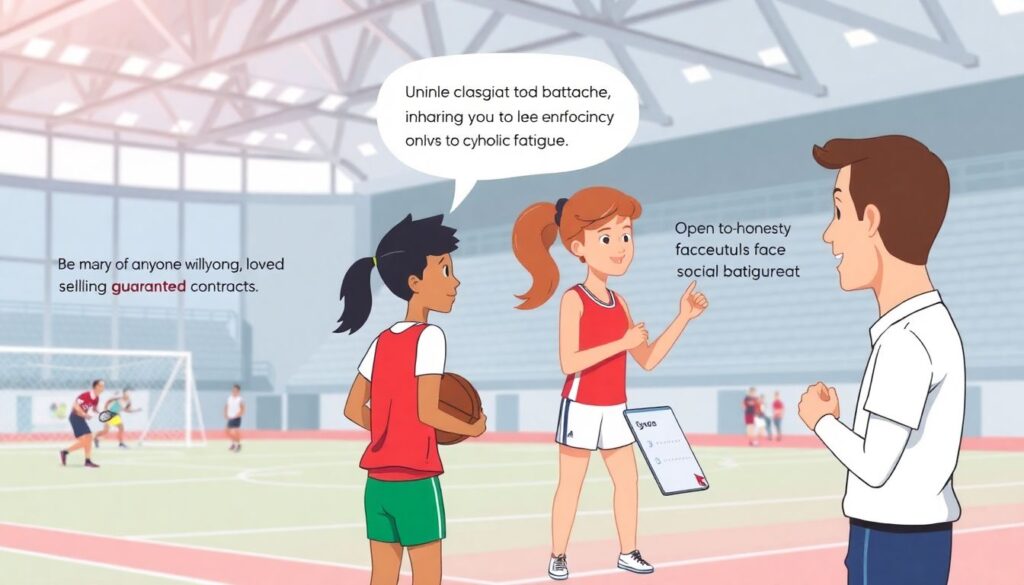
Stay wary of anyone selling “guaranteed contracts”. Respect load management; extra training is useful only if it’s high‑quality and doesn’t cause chronic fatigue. Keep communication open with coaches instead of negotiating via social media posts. Finally, judge progress not only by selection for matchday squads but by improvement in core performance indicators tied to your position. If those move in the right direction season after season, you’re on the same trajectory that has taken many homegrown Turkish players from academy dressing rooms to Süper Lig stadiums.