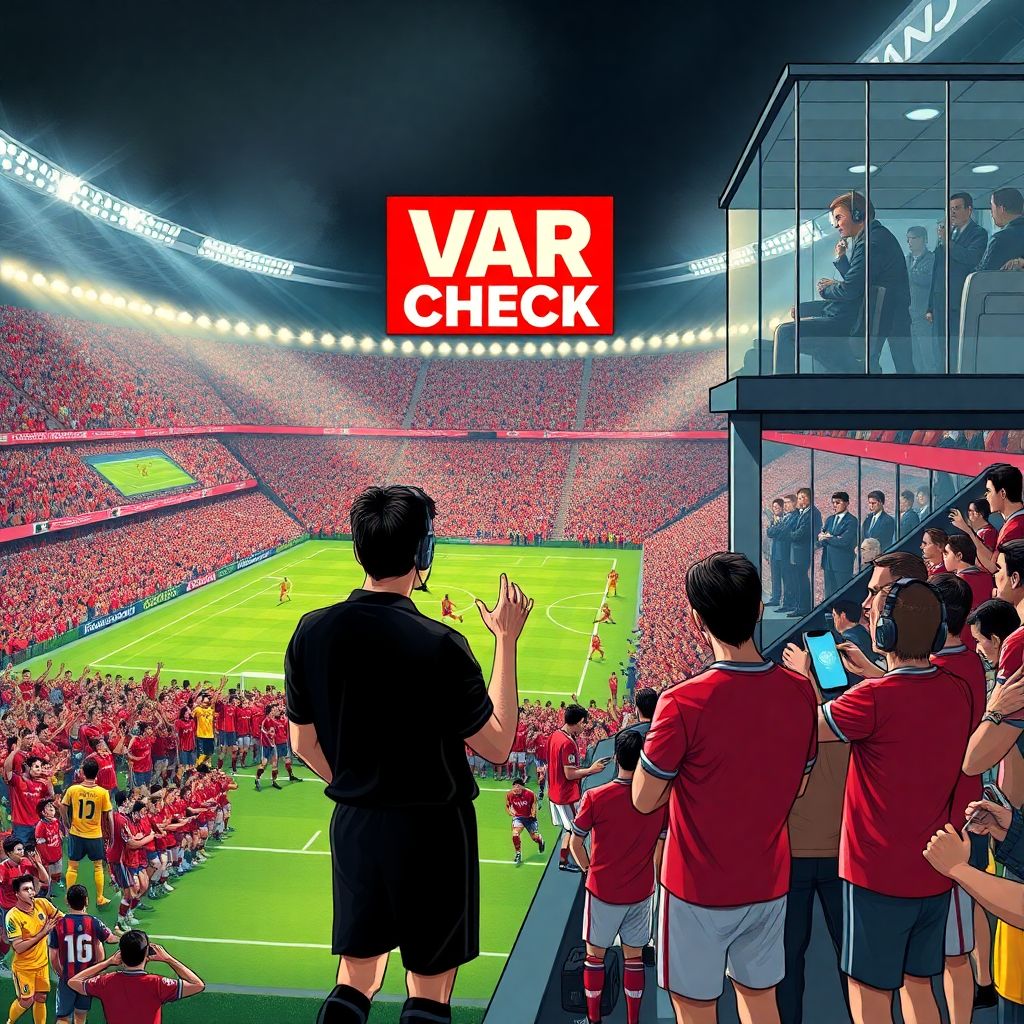
Step 1. Why VAR Became Inevitable
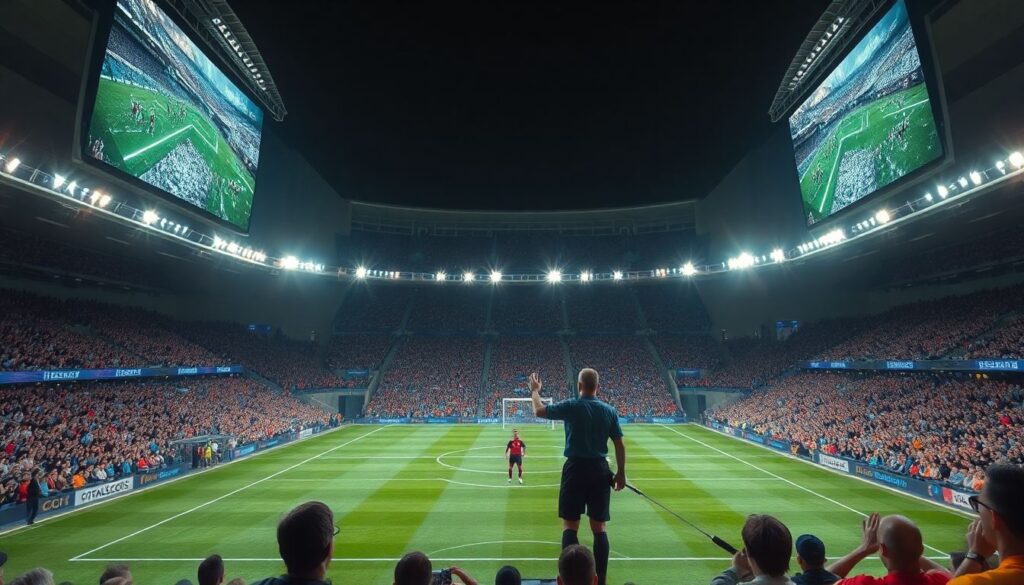
Video replays in football existed for decades, but they stayed on TV, not on the pitch. Eventually the gap became absurd: millions of viewers could see an offside line in seconds, while the referee had one human glance. That tension produced the first big VAR controversy in football, yet also made the system unavoidable. Once other sports embraced technology, football either had to modernise or accept constant accusations of bias, corruption and incompetence, especially in high‑stakes matches.
Step 2. What VAR Actually Does (And Doesn’t Do)
VAR isn’t a robot referee; it’s just another officiating team with better cameras and more time. They check four main things: goals, penalties, straight red cards and mistaken identity. Everything else remains “old‑school” refereeing. The impact of VAR technology on football refereeing is less about replacing humans and more about changing their psychology: they now make decisions knowing a silent room is watching, ready to confirm or overturn. That awareness alters risk‑taking, confidence and even game rhythm.
Mini‑Guide: How a VAR Check Works
Typically, the VAR team auto‑reviews every key incident. If they spot a clear and obvious error, they either advise a silent correction (like an offside in build‑up) or invite the referee to the monitor. For newbies trying to follow the process, think of it as a three‑step chain: 1) incident happens, 2) VAR quickly replays from several angles, 3) referee either sticks with the initial call or changes it after the on‑field review. The whole point is to repair only big mistakes, not re‑referee every duel.
Step 3. How VAR Changed Modern Football Culture
To understand how VAR changed modern football, you need to look beyond tactics and stats. Goal celebrations became delayed, commentators now pause before shouting, and players instinctively raise a rectangle sign in the air after every touch in the box. Coaches manage “VAR risk” the way they once managed weather or pitch quality. Even discussions in pubs and on social media shifted: people dissect angles and freeze‑frames rather than only blaming individual referees, which paradoxically can increase, not reduce, arguments.
Fans, Media, and the New Drama
Drama didn’t disappear; it moved from the tackle to the replay screen. Broadcasters milk slow‑motion contact, lines on the grass and lip‑reading from referees. Many supporters who expected fewer scandals instead feel trapped in endless debates about calibration, frame rate and drawing lines. For new fans, understanding offside and handball is now half about rules, half about how cameras interpret them. VAR created a second, virtual layer of the game, and whoever masters that layer often “wins” the post‑match narrative.
Step 4. Turkish Football as a Stress Test for VAR
If you want to see technology under emotional overload, watch the Süper Lig. Clubs are tightly tied to politics, fan bases are huge and vocal, and media coverage runs 24/7. In this climate, VAR decisions Turkish football controversy becomes a near‑weekly topic. Almost every tight offside or handball instantly turns into a national referendum on fairness. Instead of calming conspiracy theories, VAR sometimes provides new screenshots and angles that each side uses to confirm its own beliefs about systemic bias.
Local Context: Pressure Cooker Officiating
Turkish referees already worked under intense pressure; VAR simply added more layers. Every frame is dissected on TV panels, and ex‑referees argue publically about procedure. For young officials, the risk is paralysis: they may start “refereeing for VAR”, avoiding big on‑field decisions in hope the booth will fix things. Newcomer refs in Turkey often need specific mentoring not just on rules but on coping with cameras, leaks and social media storms that ignite after every borderline intervention by the video team.
Step 5. Weighing the Pros and Cons Like an Adult
The pros and cons of VAR in soccer aren’t symmetrical. Yes, offsides are more accurate, outrageous dives get punished more often, and certain scandals that once defined whole eras now die in a few minutes thanks to a replay. On the other hand, matches can feel fragmented, the emotional flow breaks, and millimetre decisions look absurd when seen through ultra‑slow motion. The real dilemma: more correctness often means less spontaneity, and different cultures — including Turkish and English football — value that trade‑off very differently.
Deep Impact on Referees and Tactics
The impact of VAR technology on football refereeing reaches tactics, too. Defenders practice holding the offside line ultra‑high because they trust technology to catch any late runners. Strikers gamble on tiny timing wins, knowing a toe ahead can ruin everything. Referees, feeling observed, might give fewer soft penalties, expecting VAR to rescue only clear ones. Coaches now plan emotional management: calming players during reviews, using the pause to adjust pressing triggers, or deliberately shifting momentum while everyone stares at the stadium screen.
Step 6. Typical Mistakes Fans Make About VAR
Many arguments online start from wrong assumptions. People think VAR checks “everything” or that different leagues use identical protocols. Neither is true. One basic warning: never compare decisions from different competitions without checking their local guidelines on handball, offside lines or camera placement. Another common error is judging intent from slow‑motion replays, where every touch looks brutal. If you’re new to analysing VAR, force yourself to watch incidents once in real speed before you see the slow‑mo; it’s closer to the referee’s reality.
Referees’ and Coaches’ Most Dangerous Habits
Officials and staff also fall into traps. Referees sometimes wait for VAR in situations where they must decide instantly, creating confusion and loss of respect. Coaches misuse replays on the bench, whipping players into rage during checks. A simple three‑point checklist helps: 1) Referee: always give your honest live decision; treat VAR as safety net, not crutch. 2) Coach: assign one analyst to follow protocol calmly. 3) Players: never surround the ref; hysterics rarely influence a video‑based call and often bring cards.
Step 7. Reading VAR Incidents Step by Step
If you want to sound like you know what you’re talking about on social media, you can break any big incident into a short step‑by‑step test. 1) Was the situation in one of four VAR categories? 2) Is there a clear factual element (offside line, ball in/out) or a subjective element (level of force, natural arm position)? 3) Did the protocol get followed: check, review, final signal? When you train yourself to analyse like this, debates become less about tribal anger and more about consistent reasoning.
Step 8. Unconventional Fixes: Beyond “More Cameras”
Most proposed reforms are boring: add more angles, tweak wording. Let’s go further. One radical idea is a public “VAR log” released after each round, detailing every checked incident, angles used and timing. That would make it harder to cherry‑pick clips in TV debates. Another non‑standard move: strict time‑caps, for example 60 seconds to reach a recommendation, or else on‑field decision stands. This would force simpler protocols, reduce over‑analysis and keep the flow of Turkish and world football closer to its original tempo.
Transparent Audio and Referee Education for Fans
Another bold step is live or near‑live audio between referee and VAR, at least in elite competitions. Fans could hear the exact reasoning, which would cut through speculation and soften every VAR decisions Turkish football controversy that currently lives on rumour. Parallel to that, leagues could launch short weekly explainer videos where top referees walk through two or three big calls. Over time, spectators would learn the logic behind marginal offsides and handballs, lowering the emotional temperature of borderline calls.
Step 9. Rethinking the Rules Themselves
Some issues come not from technology but from old rules exposed by new precision. Millimetre offsides feel ridiculous because the law was written for human eyes, not freeze‑frames. One daring solution: introduce a “daylight” or partial‑body margin, accepting slight uncertainty to restore advantage to attackers. For handball, instead of endless debates about intent, lean harder on predictable arm zones. VAR controversy in football would not disappear, but the gray area would shrink, making reviews faster and arguments less metaphysical.
Step 10. How to Live with VAR Without Losing the Joy
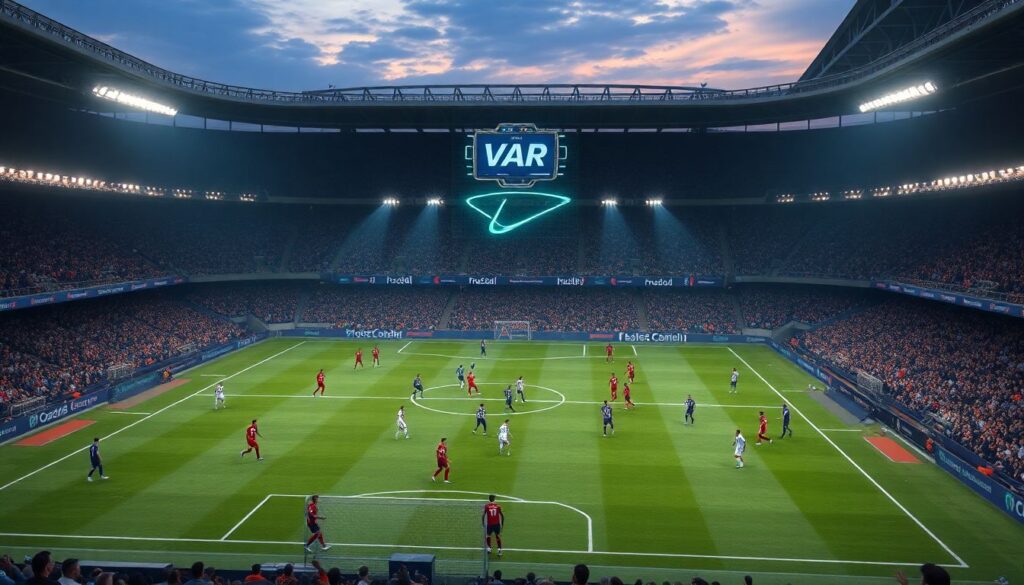
Technology in football isn’t going away, in Turkey or anywhere else. The real challenge is cultural: learning to treat VAR as part of the game’s ecology, not an intruder that ruined everything. As a fan, you can focus your emotional energy on patterns of play, pressing schemes and combinations, rather than one frame of a boot. As a coach or referee, your edge will come from clarity and calm under review. Whoever adapts to this hybrid world of screens and grass will shape the next era of the sport.