Inside the ecosystem of TFF 1. Lig
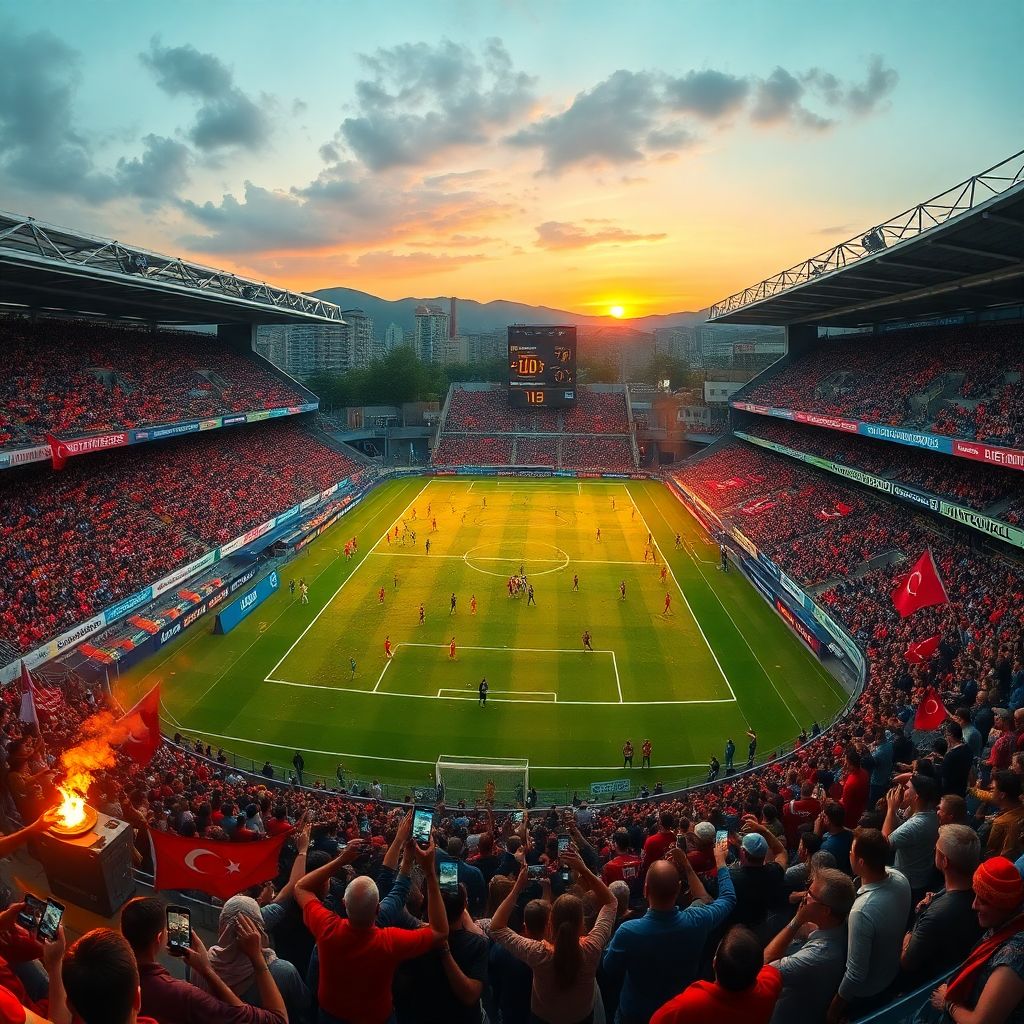
TFF 1. Lig sits in that sweet spot between grassroots chaos and top‑flight polish, and to really get inside it you need to treat it as its own ecosystem, not just “the league below the Süper Lig”. Here big city clubs with heavy history share the schedule with tight‑budget provincial teams that run on community pride and home‑grown talent. Some sides lean on experienced loanees and foreign veterans chasing one last promotion run, while others double down on academies and aggressive scouting in the Balkans or Africa. This constant clash of squad‑building philosophies creates a season that feels less predictable than many major leagues, and that unpredictability is exactly what keeps local fans hooked and makes curious neutrals look for TFF 1. Lig live streaming options every weekend.
Clubs and local identities that don’t fit into clichés
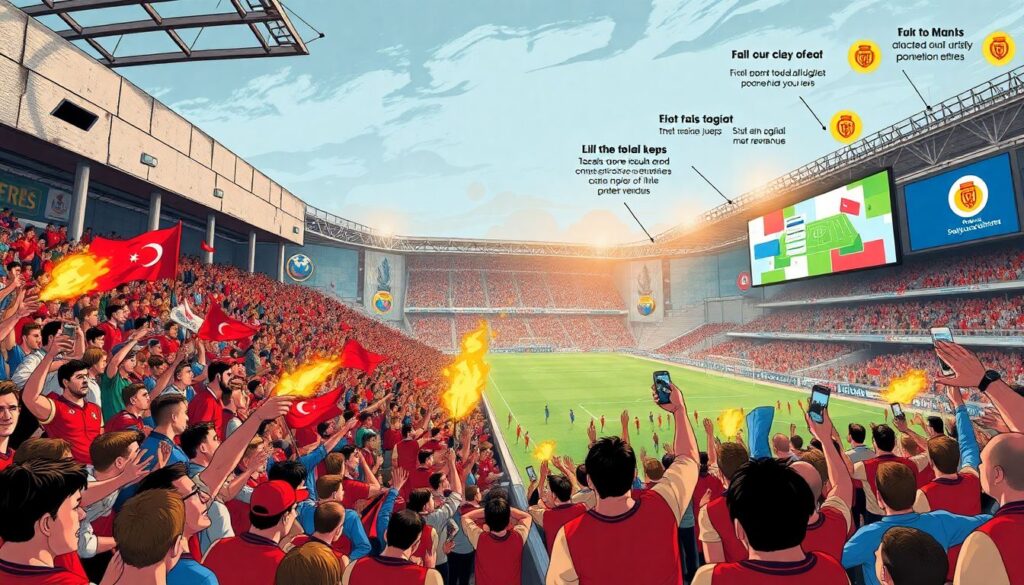
When you look past the biggest names, the main storyline of TFF 1. Lig is how clubs protect and modernise their local identities at the same time. Traditionalist teams rely on packed terraces, ultra groups and old stadium rituals, while more forward‑looking boards invest in digital content, fan tokens and global social media presence. Neither approach is perfect: the “old school” path can limit commercial growth, while rapid modernisation risks alienating core supporters who built the club’s culture. The most interesting projects are the hybrids, where directors keep local dialect on banners, hold community days and open training sessions, yet also push English‑language highlights and podcasts to attract international followers who might first arrive through a random clip and then start checking TFF 1. Lig tickets for a future trip to Turkey.
Derbies that deserve way more attention
Derbies in this league can be as intense as anything you’ll see in the top tier, but they rarely get global coverage, and that’s a missed opportunity. Regional clashes between historically industrial cities, or ports competing for relevance, bring a mix of pride, frustration and generational memories. One club’s rise often mirrors another’s decline, fuelling storylines that go far beyond league position. From a neutral’s standpoint, the lack of heavy policing around narratives is refreshing: you get raw emotion instead of manufactured drama. However, this also means fewer multilingual previews, so international fans must dig through local forums or highlights to understand the backstory. As platforms expand TFF 1. Lig live streaming in 2026, expect broadcasters to package these derbies with better context, graphics and pre‑match features, turning once‑obscure fixtures into must‑watch events for lovers of authentic football culture.
Technology, media, and the evolving fan experience
In the last few seasons, second‑tier Turkish football quietly became a testing ground for new tech, from advanced tracking data to smarter camera setups. Some clubs outsource analytics to specialised start‑ups, getting ready‑made dashboards on pressing, shot quality and set‑piece routines; others hire one in‑house analyst who codes games manually and focuses on simple yet actionable metrics. The outsourced route offers depth but can drown coaches in numbers, while the stripped‑down in‑house method risks missing edges that rivals spot. For fans, this tech wave means better highlight packages, expected goals graphics and even interactive overlays on certain TFF 1. Lig live streaming feeds. The trick is to enjoy the extra insight without letting it sterilise the feel of the game; numbers should explain the chaos, not replace it.
Live coverage, data, and the pros and cons of new tools
As of 2026, the league’s media strategy is clearly shifting from scarcity to accessibility. More matches are available online, commentary is slowly improving, and broadcasters experiment with multi‑language options. On the positive side, a kid in London or Jakarta can now watch a Friday night relegation scrap on their phone, check real‑time stats and follow fan reactions on social media. On the downside, not all production crews are ready for this jump: uneven camera work, patchy replays and occasional data glitches remind you that budgets are still limited. The comparison between traditional TV broadcasts and the newer app‑based streams is instructive: classic TV offers stability and atmosphere, while pure digital gives flexibility, deeper stats and easier global reach. For now, mixing both formats seems the most sensible pathway, gradually nudging old‑school viewers toward a richer, more interactive experience.
Money, betting odds, and ethics in a growing market
With visibility comes gambling interest, and TFF 1. Lig betting odds are now routinely offered by major bookmakers, not just niche sites. This has clear upsides: more detailed odds mean traders and algorithms take the league seriously, which in turn pushes for better data and integrity monitoring. Yet there’s a flipside that can’t be ignored—lower‑division players are not always on superstar wages, and the presence of global betting markets increases the need for strict education, audits and punishment for any hint of match manipulation. As a fan, treating odds as a tool for understanding how the market views a game is healthier than chasing “easy money” narratives. The league’s challenge through 2026 and beyond is to partner with regulators and data companies in a way that uses betting‑driven attention to fund transparency and development rather than amplifying risk.
How to choose your TFF 1. Lig experience
If you’re wondering where to start, think of three layers: on‑site stadium visits, digital following, and narrative immersion. On‑site means you actually buy TFF 1. Lig tickets, learn basic phrases in Turkish, and experience the local food around the ground—this is still the purest way to understand what each club represents. Digital following focuses on streams, highlight shows and social media, ideal if you live far away or want to sample different teams before committing emotionally. Narrative immersion is the deeper dive: reading club histories, following fan blogs, and tracing how certain derbies became politically or culturally charged. A balanced approach works best: pick one “home” club you’ll back long‑term, then keep a rotating “second team” each season to explore new stadiums, cities and styles of play.
From tickets to travel: building a smart matchday plan
In 2026, it’s easier than ever to fold a game into a city break, and specialised TFF 1. Lig travel packages are slowly popping up for international supporters who crave something more authentic than the standard Istanbul itinerary. Tour‑style bundles promise hotel, transport and a match ticket, but they often mark up prices and keep you in a tourist bubble. The DIY path—booking your own flights, using club websites or local apps for tickets, and relying on public transport—saves money and gives you spontaneous freedom, though you’ll need to do basic homework on kickoff times and stadium locations. Consider the pros and cons: packages reduce language stress and last‑minute chaos, while self‑planning forces you to interact with locals and stumble upon the kind of small cafés and pre‑match rituals that never make it into glossy brochures.
Merchandise, identity, and the new digital fan
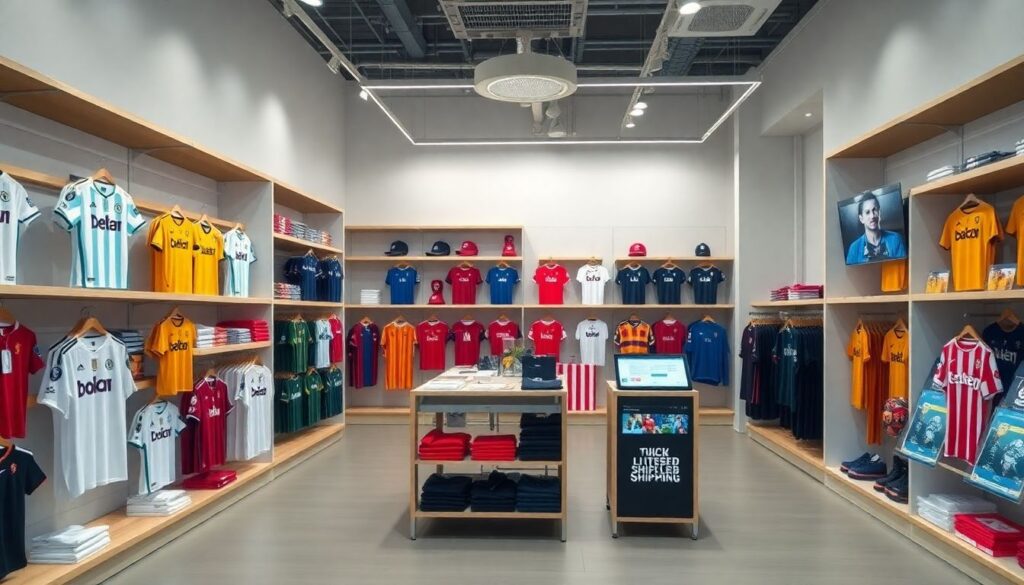
Club shops are no longer just dusty rooms with a few scarves. Modern TFF 1. Lig merchandise ranges from retro shirts and artisan‑style designs to limited‑run collaborations with local artists, and much of it is now sold online with international shipping. Buying officially licensed gear directly supports clubs, but online marketplaces can offer cheaper, though not always legitimate, alternatives. The main trade‑off is between price and authenticity—if you care about helping a small club stay afloat, lean toward the official store even if it means waiting longer for delivery. At the same time, digital fandom lets you build identity in other ways: subscribing to club channels, sponsoring youth initiatives, or joining supporter‑run membership schemes. In 2026 the smartest fans mix traditional merch with these new digital forms of belonging, creating a layered connection that goes beyond just wearing a shirt on matchday.
Trends and forecasts for 2026 and beyond
Looking ahead, several trends are converging to reshape the league’s future. Tactically, more coaches are adopting fluid 4‑3‑3 and 3‑4‑2‑1 shapes with aggressive pressing, mirroring continental patterns but adapted to local realities like heavy pitches and intense travel schedules. Financially, promotion races are likely to get even fiercer as parachute payments and new media deals widen the gap between ambitious clubs and survival‑mode outfits. On the fan side, demand for TFF 1. Lig tickets should grow in mid‑sized cities where top‑flight football remains a distant dream, turning second‑tier success into a powerful civic symbol. If the federation manages fixture scheduling, VAR consistency and youth development coherently, the league can position itself as one of Europe’s most compelling “feeder” competitions—both for players and for coaches aiming to prove their concepts under pressure.
Youth, analytics, and the next wave of stories
Expect a stronger emphasis on academies and data‑driven recruitment as clubs look for sustainable advantages. Cheaper player‑tracking technologies and shared analytics platforms will lower the barrier for smaller teams to scout efficiently, but they’ll still need human judgement to separate real potential from noise. This mix of numbers and intuition is where the most interesting stories will emerge: the unknown full‑back spotted through a regional tournament dataset, or the local teenager promoted because a coach trusted what he saw in training rather than what the spreadsheet suggested. Media outlets are catching up too; as TFF 1. Lig live streaming becomes richer, there’s space for tactical explainers, behind‑the‑scenes documentaries and long‑form pieces that give these journeys global visibility. By 2030, several of today’s under‑the‑radar clubs could be widely followed “hipster favourites” if they embrace this analytical yet human‑centred approach.
Media growth, commercialisation, and how to stay grounded
Commercially, the next few years will test whether the league can grow without losing its soul. Expanded streaming rights, more detailed TFF 1. Lig betting odds, and a booming market for TFF 1. Lig merchandise will bring new revenue, but also tempt owners to prioritise short‑term marketing over long‑term sporting health. The safest route forward lies in balanced governance: caps that encourage investment in infrastructure and youth rather than reckless wage inflation, incentives for community engagement, and transparent communication about finances. Fans have a role too, by rewarding clubs that act responsibly—whether that’s choosing season tickets instead of flaky pay‑per‑view habits, or supporting independent journalism that holds decision‑makers to account. If these forces align, the league can turn today’s underexposed derbies and overlooked stories into a sustainable ecosystem that keeps its edge even as it attracts a wider global audience.