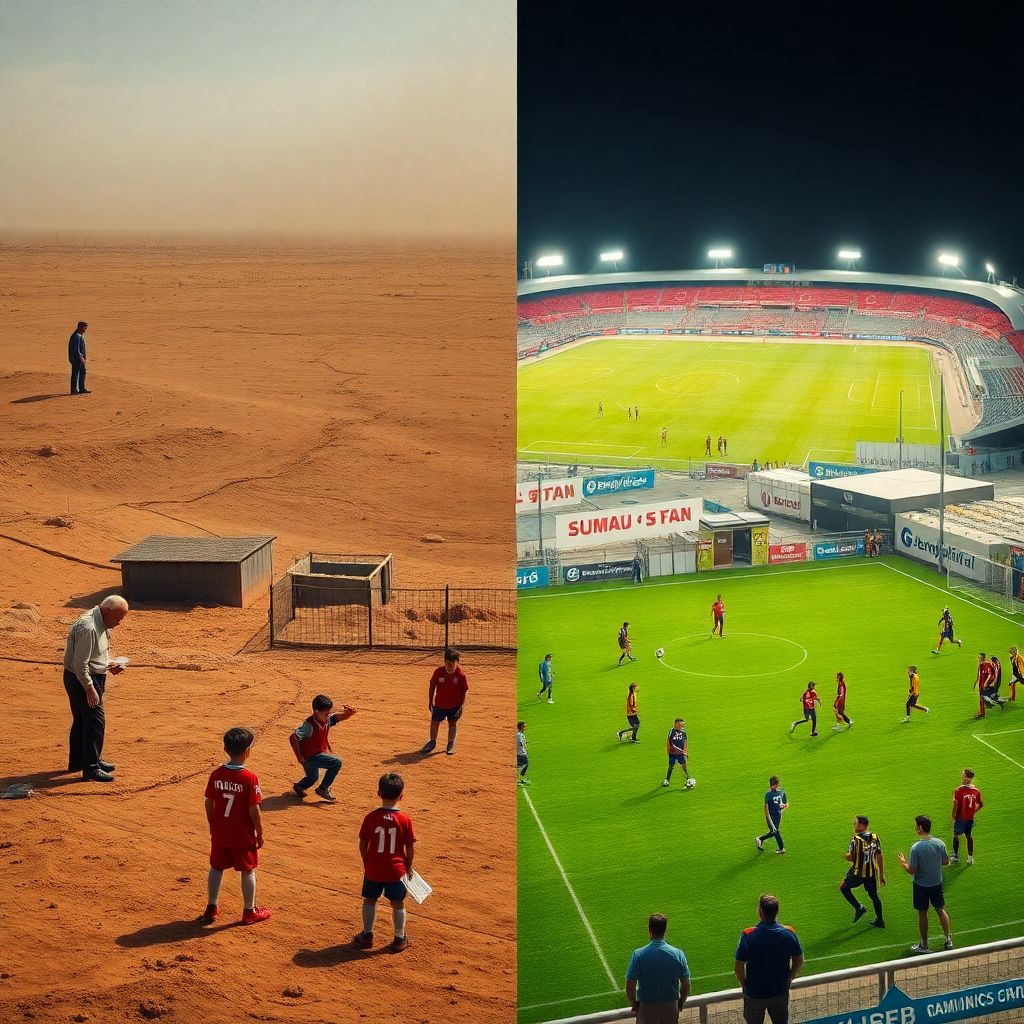
Turkey’s youth academies didn’t become a “talent factory” overnight. Two decades ago, most clubs relied on buying ready‑made players from abroad, while local kids trained on uneven pitches with almost no sports science support. Since the early 2010s, and especially after Turkey’s big push to modernize football infrastructure ahead of Euro bids and UEFA projects, academies have turned into structured labs of player development. By 2026, the number of registered youth players has more than doubled compared to 2010, and top clubs report that academy graduates now make up 35–45% of their senior squads. This quiet revolution is reshaping not only the Super Lig, but also how young Turks (and many foreigners) imagine their football future.
From dusty pitches to data‑driven labs: исторический контекст
If you rewind to the 1990s, Turkish clubs like Galatasaray and Fenerbahçe were famous for passionate fans, not for systematic youth work. Talents appeared almost случайно: a kid spotted on a street game, a local coach making a phone call. Serious structures existed mostly at a few Istanbul giants, and even there scouting was patchy, while nutrition, psychology and injury prevention were more intuition than science. The turning point came after the 2002 World Cup bronze and the 2008 Euro run: the federation realized that relying on golden generations was risky. Around 2014–2020, investment in regional centers, licensing standards for academies and cooperation with schools intensified, and by mid‑2020s video analytics, GPS vests and individual development plans became normal even in strong second‑tier clubs.
Структура и статистика новой академической системы
Today, turkey youth football development programs form a multi‑уровневую сеть: from grassroots school leagues to elite academies attached to Super Lig clubs. By federation estimates, more than 250,000 boys and girls between 8 and 18 train in structured environments, with about 40 professional clubs operating certified academies. Each year roughly 1,500–2,000 youngsters pass through official turkey football academy trials, but only 3–5% reach pro contracts. What’s changed is not just volume, but quality контроля: standardized coaching licenses, sports medicine protocols, and centralized databases tracking match minutes, growth spurts and injury history. This data allows coaches to compare a 14‑year‑old left‑back from Anatolia with peers in Istanbul in real time, reducing the chance that late bloomers or kids from remote regions simply disappear from the radar.
Как попасть в систему: путь игрока и роль отбора
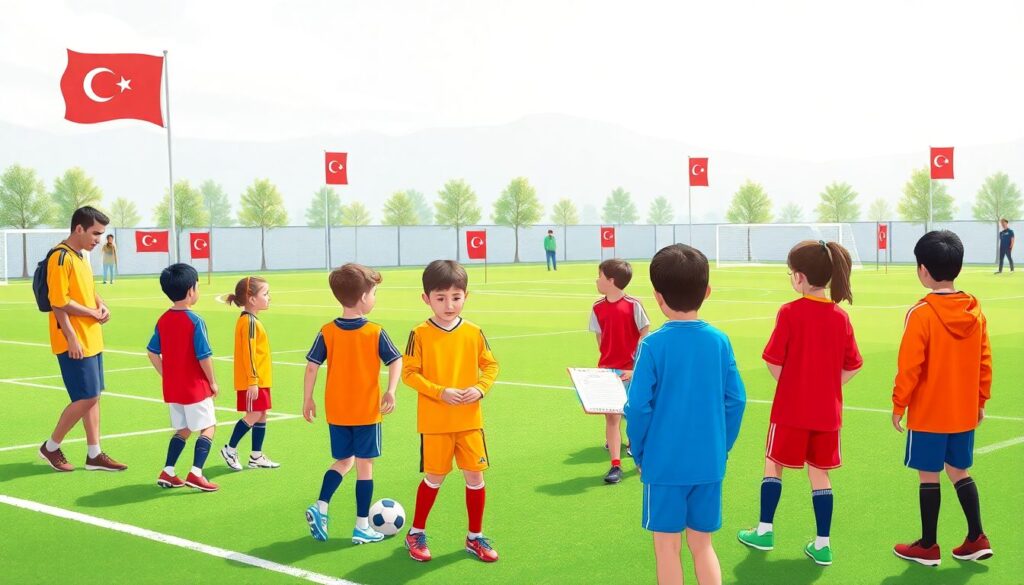
For families asking how to join youth football academy in turkey, the path is now гораздо прозрачнее, чем десять лет назад. Clubs usually combine open days, school partnerships and regional scouts. Typical stages look like this:
– Open community sessions from U8 to U12, with very широким отбором
– Pre‑academy groups (U10–U13) focused on coordination and decision‑making
– Elite squads from U14 upward, where tactics, psychology and position‑specific roles dominate
Alongside big clubs, municipalities and private centers host professional soccer training camps in turkey during school holidays. These camps act as both talent filters and social лифты: kids from сельских районов can show themselves in front of licensed coaches for the first time. Digital platforms, where parents upload game footage and receive feedback, are becoming a parallel scouting channel, especially since the pandemic pushed remote analysis into the mainstream.
Иностранцы и экспорт таланта: глобализация по‑турецки
One under‑the‑radar trend is how Turkey quietly turned into a regional hub for transnational youth development. The best football academies in turkey for foreigners, mainly attached to Istanbul and Antalya clubs, now run bilingual programs, combine online schooling with intensive football, and offer pathways to both Turkish and European markets. For local players, daily training with kids from the Balkans, Africa or Central Asia повышает соревновательный уровень и тактический кругозор. At the same time, European scouts increasingly see Turkey as a relatively недорогой рынок: buying a 19‑year‑old with 50 pro matches from the Super Lig is cheaper than competing in Western European auctions. Since 2018 the number of Turkish‑trained players moving to top‑five leagues has grown steadily, and by 2026 transfer fees for academy graduates account for a significant slice of club доходов.
Экономика академий: инвестиции, которые окупаются
Youth academies used to be seen as социальная обязанность или имиджевый проект, но сейчас это очень точный экономический расчёт. According to club reports and independent audits, every euro invested in a strong academy can bring three to five euros back in saved transfer fees or outgoing sales over a decade. For mid‑table teams, this often means survival: salaries and imported players eat budgets, while homegrown talent costs less and can be sold at peak value. Key экономические драйверы:
– Transfer income from academy graduates (including sell‑on clauses)
– Reduced risk of expensive flop signings
– Sponsorships tied to “local hero” narratives and social responsibility
Add to this the booming market of holiday and pre‑season professional soccer training camps in Turkey that rent club facilities: foreign teams pay for accommodation, pitches and staff, indirectly субсидируя развитие молодёжи.
Прогноз до 2030 года: куда движется турецкая модель
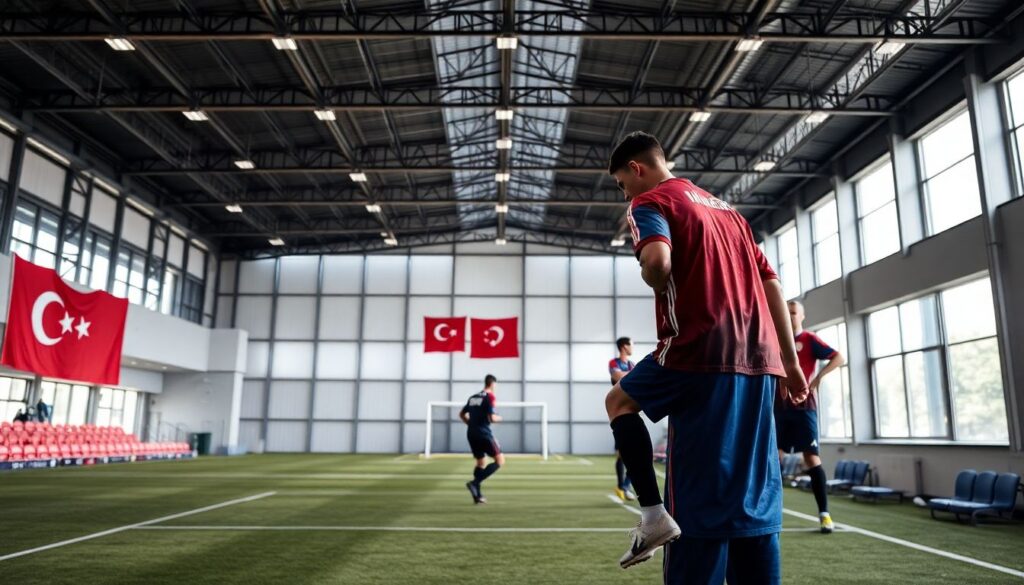
By 2030, analysts expect Turkish academies to produce not just больше игроков, но и более «полных» специалистов: техничных, тактически гибких и психологически устойчивых. The federation’s roadmap aims for at least 50% of Super Lig minutes to be played by locally trained footballers, up from roughly 35% in mid‑2020s. We’re also likely to see:
– Expansion of mixed‑gender projects and рост женских академий
– Глубокую интеграцию школ и клубов с упором на академическую успеваемость
– Большее использование AI‑аналитики для прогнозирования потенциала и нагрузки
If Turkey maintains investment levels and resists the temptation to over‑import veterans, its youth system could become сопоставимой с топ‑10 европейских стран по качеству подготовки, даже если экономически лига уступает «большой пятёрке».
Влияние на индустрию и общество: больше, чем просто футбол
Расширение академий заметно меняет саму футбольную индустрию. Агентский бизнес смещается в сторону раннего сопровождения карьеры, фитнес‑центры и спортивные медклиники получают стабильный поток клиентов, а медиа‑права включают всё больше молодёжных турниров в свои пакеты. Рекламодатели охотно спонсируют юниорские лиги: образ талантливого «соседского парня», который пробился в основу клуба, отлично продаёт бренды. Одновременно академии берут на себя и социальную функцию: дисциплина, режим, обучение языкам и цифровой грамотности помогают детям из небогатых семей получить капитал навыков, полезных даже тем, кто не станет профи. В совокупности эта экосистема превращает turkey youth football development programs в один из ключевых культурных и экономических проектов страны, где из сырого дворового таланта рождаются звёзды следующего десятилетия.